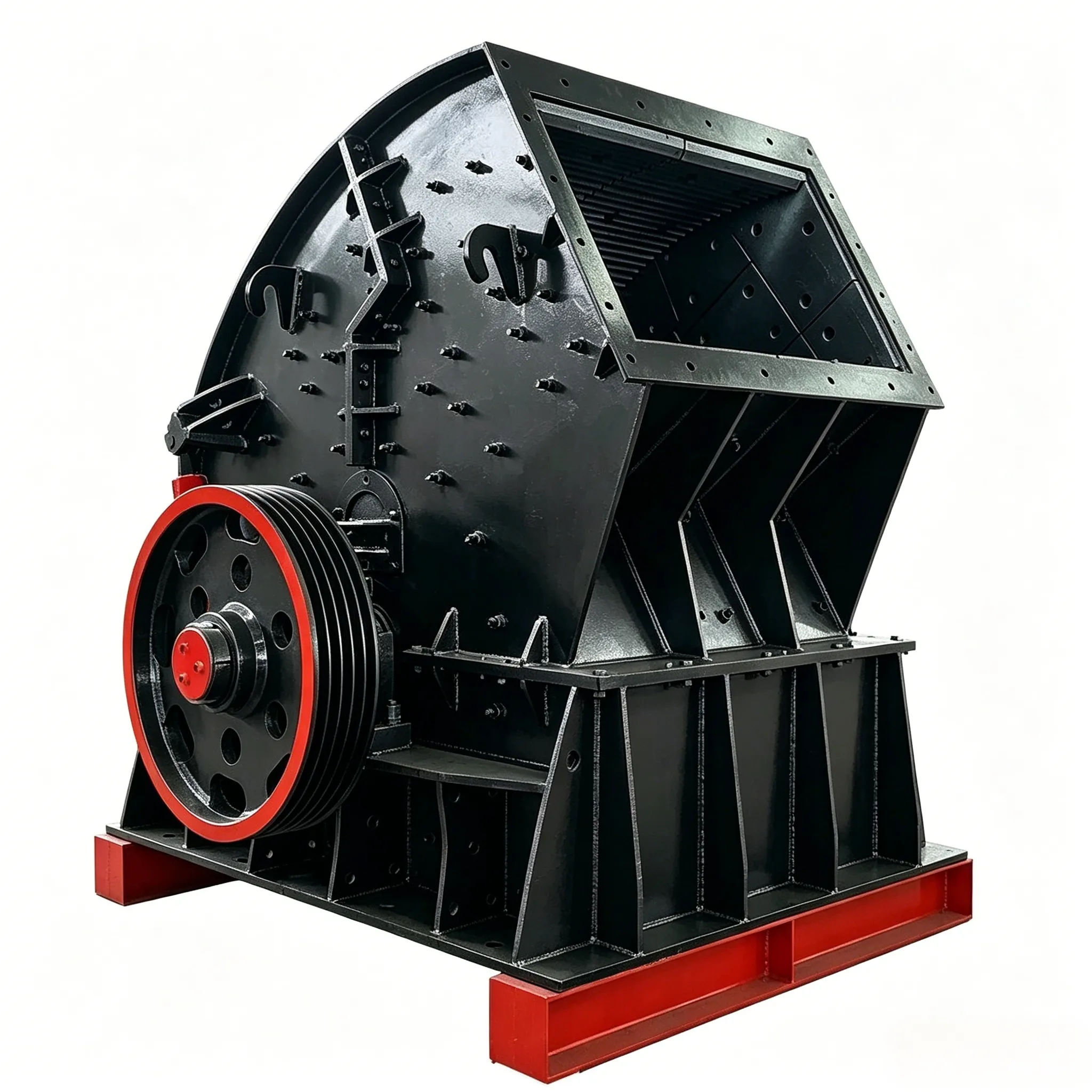
Concasseurs à marteaux
Types de concasseurs à marteaux Depuis son apparition en 1924, le concasseur à marteaux…


Fluorite (CaF₂) is a nationally strategic non‑metallic mineral resource, widely used in fluorochemicals, metallurgy, new energy, and information technology. Based on associated minerals, fluorite ores are classified into four main types: quartz‑type, calcite‑type, barite‑type, and polymetallic共生 types. Among them, quartz‑type fluorite ore is the most widely distributed and has the most mature beneficiation technology. This article systematically analyzes the beneficiation processes, reagent regimes, and recent production practices for quartz‑type fluorite ore, providing a useful reference for industry practitioners.
Quartz‑type fluorite ore is formed when ore‑bearing hydrothermal fluids infiltrate and fill fissures in siliceous rocks, followed by cooling and crystallization. The ore is mainly composed of fluorite (CaF₂) and quartz (SiO₂), with minor amounts of calcite, barite, and sulphides. Depending on the fluorite content, it can be divided into high‑grade quartz‑type fluorite ore (fluorite content up to about 85%) and low‑grade quartz‑type fluorite ore (CaF₂ content typically between 20% and 45%).
China has abundant quartz‑type fluorite resources, with large outputs from Jiangxi, Inner Mongolia, Henan, Shaanxi, and other provinces. Compared with calcite‑type fluorite ore, the flotation separation of quartz‑type fluorite ore is relatively easier, making it the main feedstock for current fluorite production.
Although the beneficiation technology for quartz‑type fluorite ore is relatively mature, the following challenges remain:
1. Fine dissemination size – enhanced grinding required
In some quartz‑type fluorite ores, fluorite and quartz are finely disseminated, with some fine fluorite grains enclosed by gangue minerals such as quartz and feldspar. This necessitates sufficient grinding for full mineral liberation. However, over‑grinding can cause fluorite sliming, which deteriorates the flotation process.
2. Silica reduction in concentrate is the core task
The key to purifying quartz‑type fluorite ore is reducing silica in the concentrate. Because fluorite and quartz differ in floatability, the reagent scheme and process must ensure that the SiO₂ content in the final concentrate is reduced to below 1% while maintaining high fluorite recovery.
3. Low flotation efficiency at low temperatures
Traditional fatty‑acid collectors (e.g., oleic acid) have poor solubility and collecting performance at low temperatures, leading to deteriorated flotation indices in winter, especially in northern regions.
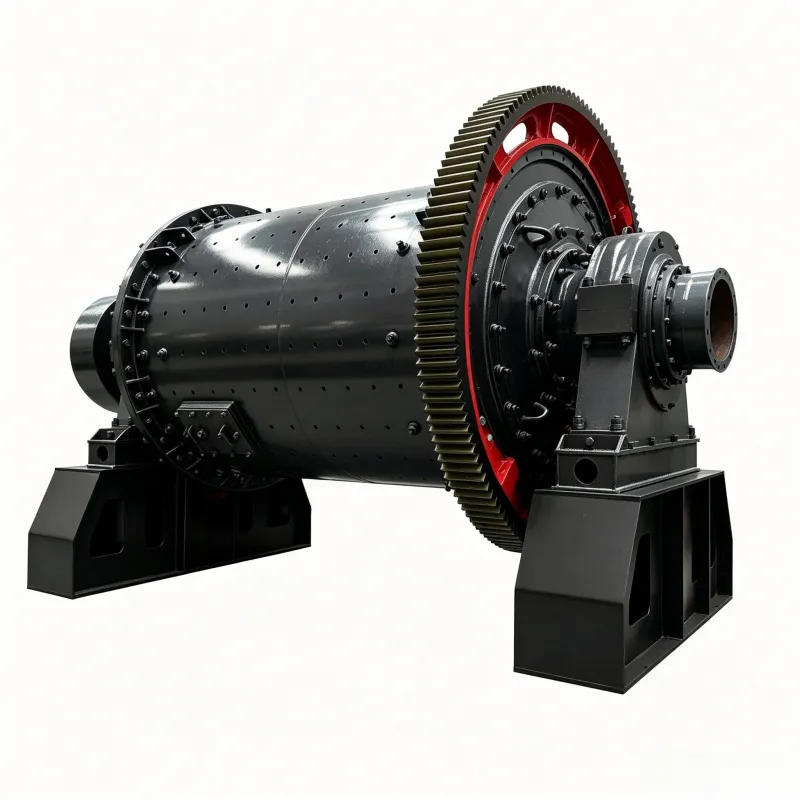
Grinding is the first and most important step in quartz‑type fluorite flotation. Based on the dissemination characteristics, grinding processes are mainly of two types:
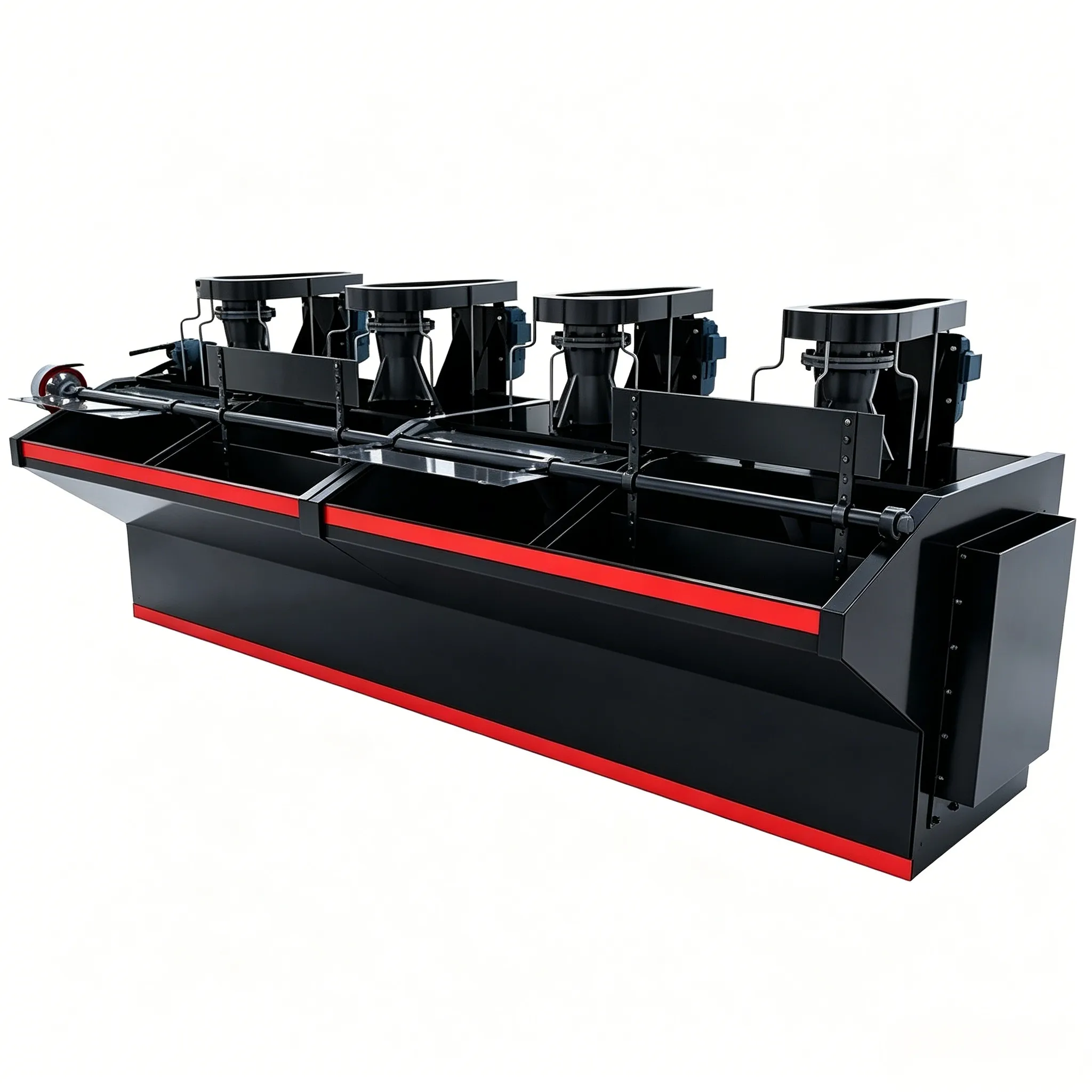
The flotation flowsheet for quartz‑type fluorite ore typically follows a “one roughing – multiple cleaning – scavenging” configuration, with middlings returned in order. The number of cleaning stages is generally 5 to 8, depending on the ore properties and product requirements.
Typical flowsheet examples:
Middlings treatment is a critical factor affecting metallurgical performance. Current mainstream approaches include:
Sodium carbonate (Na₂CO₃) is the most commonly used pH modifier, typically at a dosage of 1000–2000 g/t. It not only adjusts the pulp pH to an alkaline environment (pH 8–9) but also disperses slimes and precipitates harmful ions.
Sodium silicate (water glass) is the most critical depressant in quartz‑type fluorite flotation. Its mechanism involves selective adsorption on the quartz surface, making it hydrophilic and thereby depressed.
Key points for sodium silicate use:
For quartz‑type fluorite ores containing other gangue minerals such as calcite, dépresseurs combinés are necessary. For example, a high‑calcium quartz‑type fluorite ore used a combination of sodium silicate, tannin (S‑217), and sodium hexametaphosphate to effectively separate fluorite from calcite.
Fatty‑acid collectors are the mainstay for fluorite flotation, including:
In recent years, the use of combined depressants has become increasingly widespread. For example, a quartz‑type fluorite ore employed a combined depressant formulated with sodium silicate, ethylenediamine tetramethylene phosphonic acid, and curdlan in a specific ratio. Another study used JK‑3 and sodium silicate as a combined depressant. Combined depressants leverage synergistic effects among multiple reagents to significantly improve depression performance and selectivity.
The ore has a CaF₂ grade of 44.70%, with quartz as the main gangue. At a grinding fineness of 65% passing 0.074 mm, using sodium carbonate as modifier, sodium silicate as depressant, and oleic acid as collector, the closed‑circuit flowsheet of “one roughing, six cleanings, middlings returned in order” produced a fluorite concentrate with CaF₂ grade 98.02% and recovery 90.98%, with SiO₂ grade only 0.76%.
The ore has a CaF₂ grade of 41.58% with uneven dissemination size. Using a combined collector (oxidized paraffin soap + sodium oleate) et un high‑grade middlings regrinding process, the flowsheet of “single‑stage rough grinding – one roughing – two scavengings – six cleanings” yielded a fluorite concentrate with CaF₂ grade 97.12% and recovery 91.10%.
The ore contains only 29.36% CaF₂ and 49.58% SiO₂. At a grinding fineness of 85% passing 0.074 mm, using sodium carbonate as modifier, sodium silicate as depressant, and industrial oleic acid as collector, the flowsheet of “one roughing – two scavengings – five cleanings” produced a concentrate with CaF₂ grade 97.23% and recovery 87.16%.
This ore uses a stage grinding – stage separation process: first‑stage grinding to 65% passing 200 mesh, second‑stage regrinding of the first cleaner concentrate to 90% passing 200 mesh. With a flowsheet of “one roughing, one scavenging, six cleanings”, the concentrate grade reached 97.41% with a flotation recovery of 94.02%.
To address the winter flotation difficulties in northern regions, new low‑temperature resistant collectors are continuously emerging. For example, the self‑developed low‑temperature collector DW‑1 at 6°C, using a “one roughing, one scavenging, six cleanings” flowsheet, achieved a fluorite concentrate with CaF₂ grade 98.37% and recovery 80.12%.
A recently patented technology proposes a “direct flotation – reverse flotation” combined flowsheet, which recovers both fluorite concentrate and quartz concentrate, ensuring fluorite concentrate grade ≥97% and recovery ≥95%.
For quartz‑type fluorite ores containing significant magnetic minerals, magnetic pre‑concentration can remove magnetic minerals before flotation. For ores with low magnetic mineral content, direct flotation is sufficient.
Future priorities for quartz‑type fluorite ore beneficiation include developing high‑efficiency and environmentally friendly green technologies to reduce costs and environmental impact.
Quartz‑type fluorite ore, being the most widely distributed fluorite resource type, has well‑established beneficiation technology. With proper grinding processes, optimized flotation flowsheets, and precise reagent regimes, it is entirely feasible to achieve high‑quality indices with CaF₂ grade >97% and recovery >90%.
Numerous production practices from Jiangxi, western Henan, Inner Mongolia, and Shaanxi demonstrate that sodium silicate + fatty‑acid collectors remain the core reagent system for quartz‑type fluorite flotation; the application of combined collectors et dépresseurs combinés is continuously improving separation efficiency; and stage grinding et middlings regrinding effectively solve the liberation challenges of finely disseminated ores.
As high‑grade fluorite resources become increasingly scarce, the efficient development and utilization of low‑grade quartz‑type fluorite ores will become a vital pathway to securing China’s fluorine supply. Continuous innovation in beneficiation technology will provide solid support for the clean and efficient utilization of this strategic mineral resource.
 English English
 Spanish
 Russian
 Arabic
 Swahili
 French
 Turkish
 Portuguese
 Korean
 Japanese
 German
 Italian