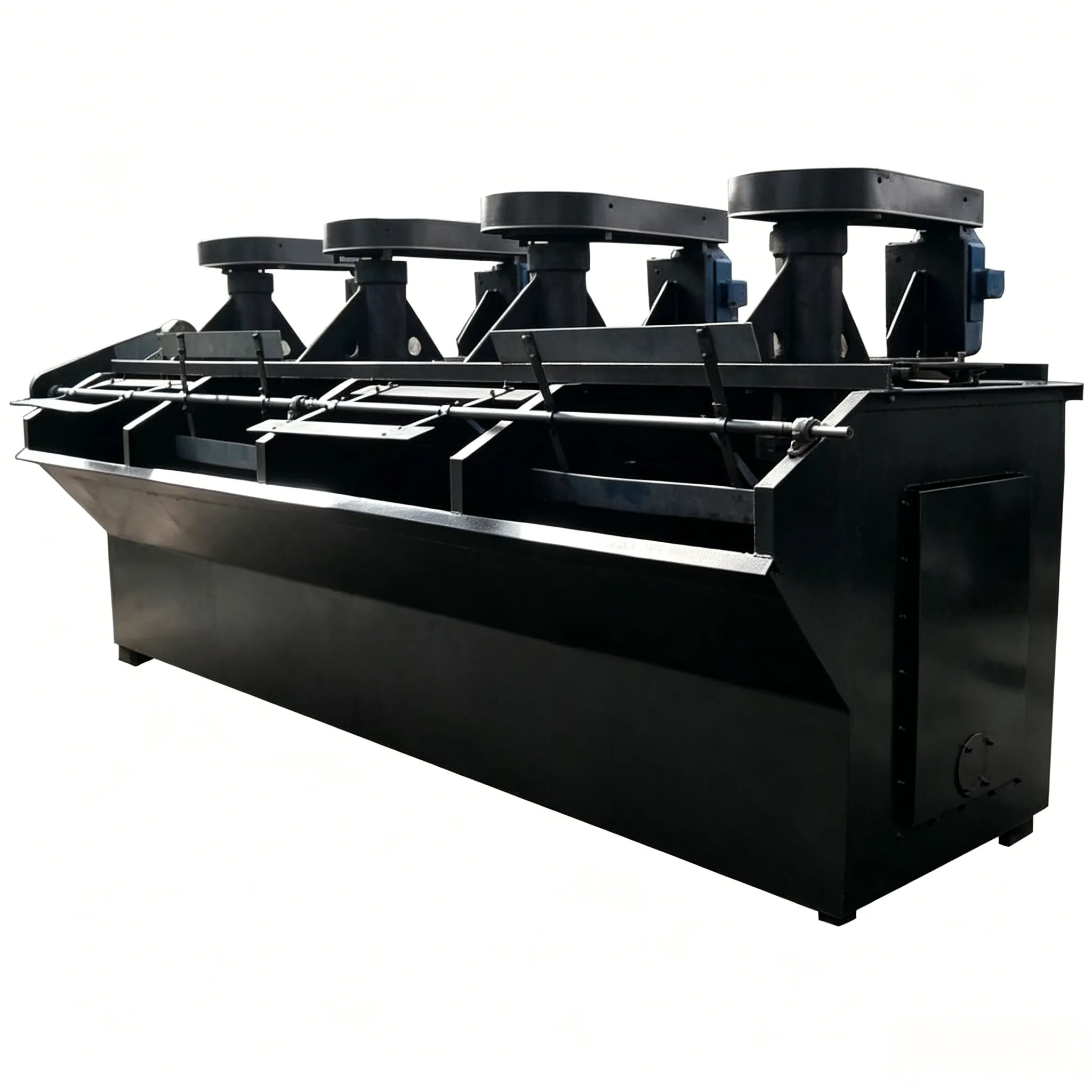
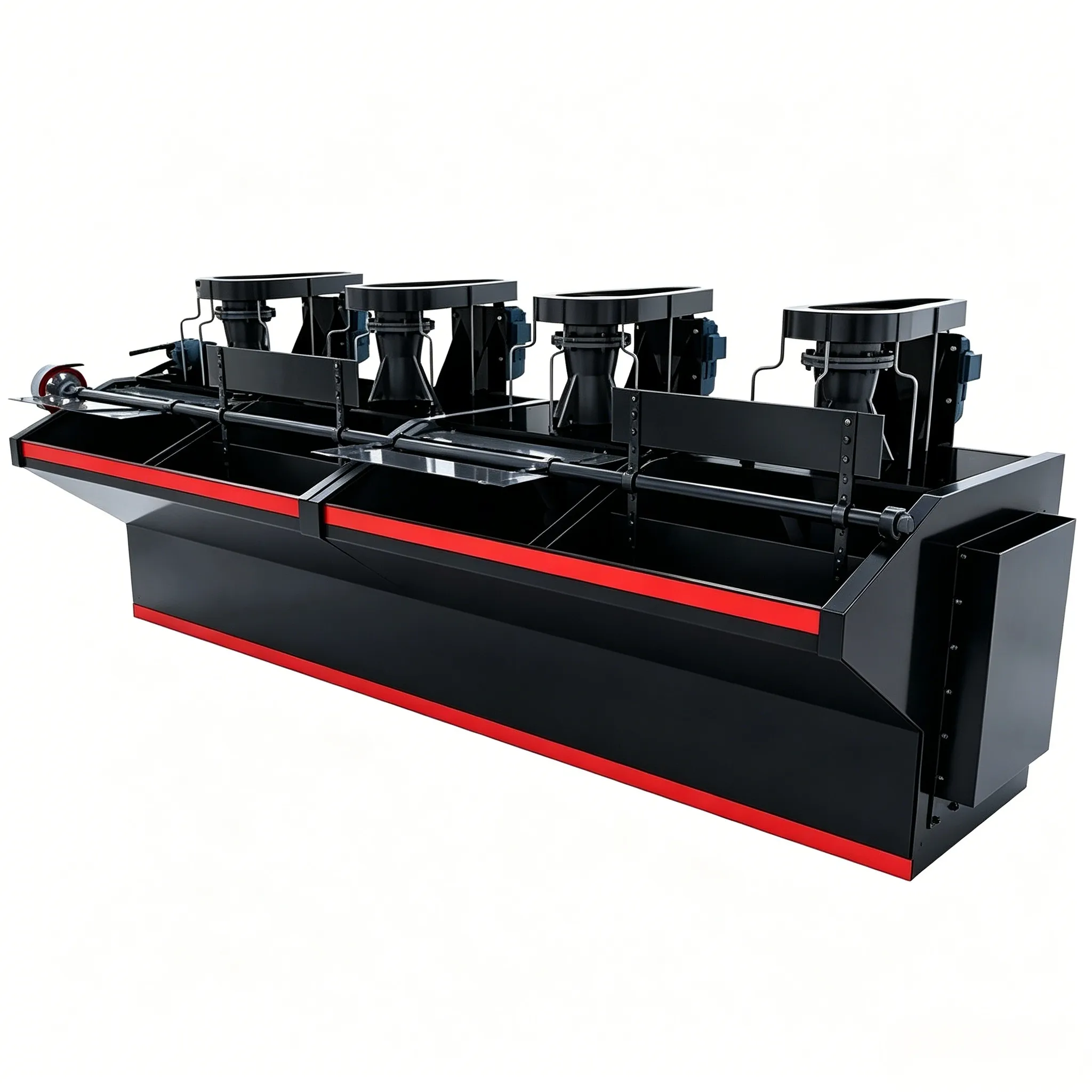
Machine de flottation XJ
Machine de flottation XJ (également appelée « Type A » ou « XJK ») Cette machine…

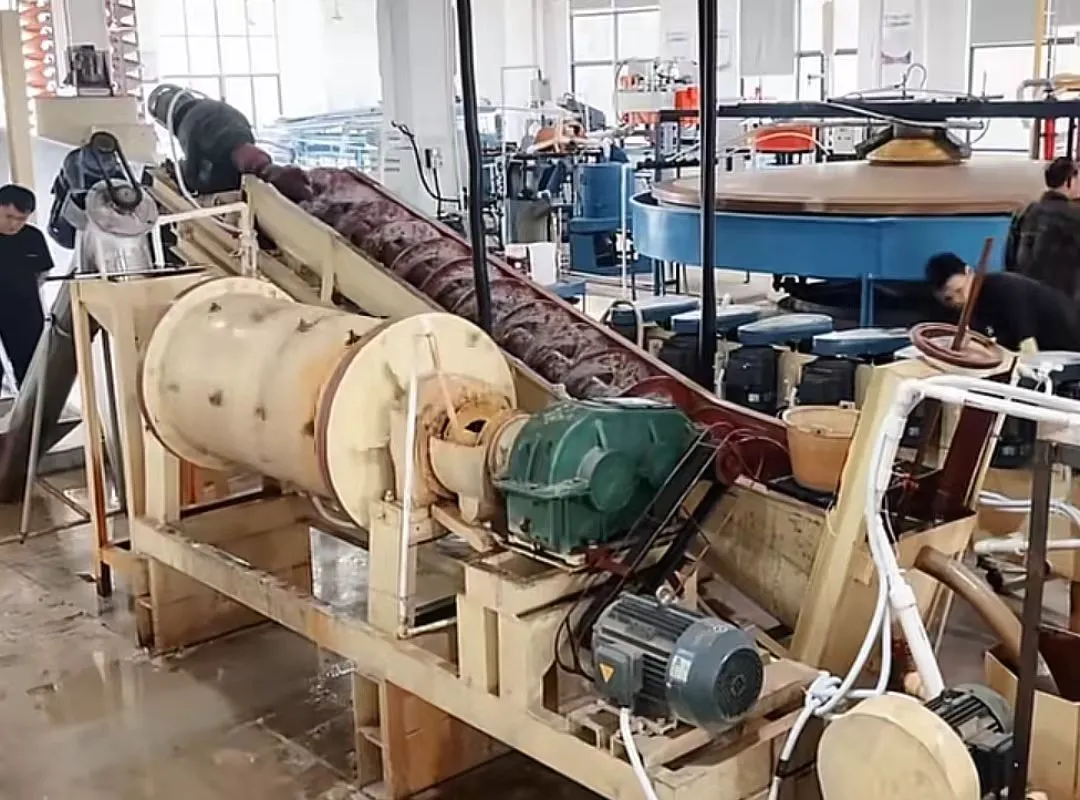
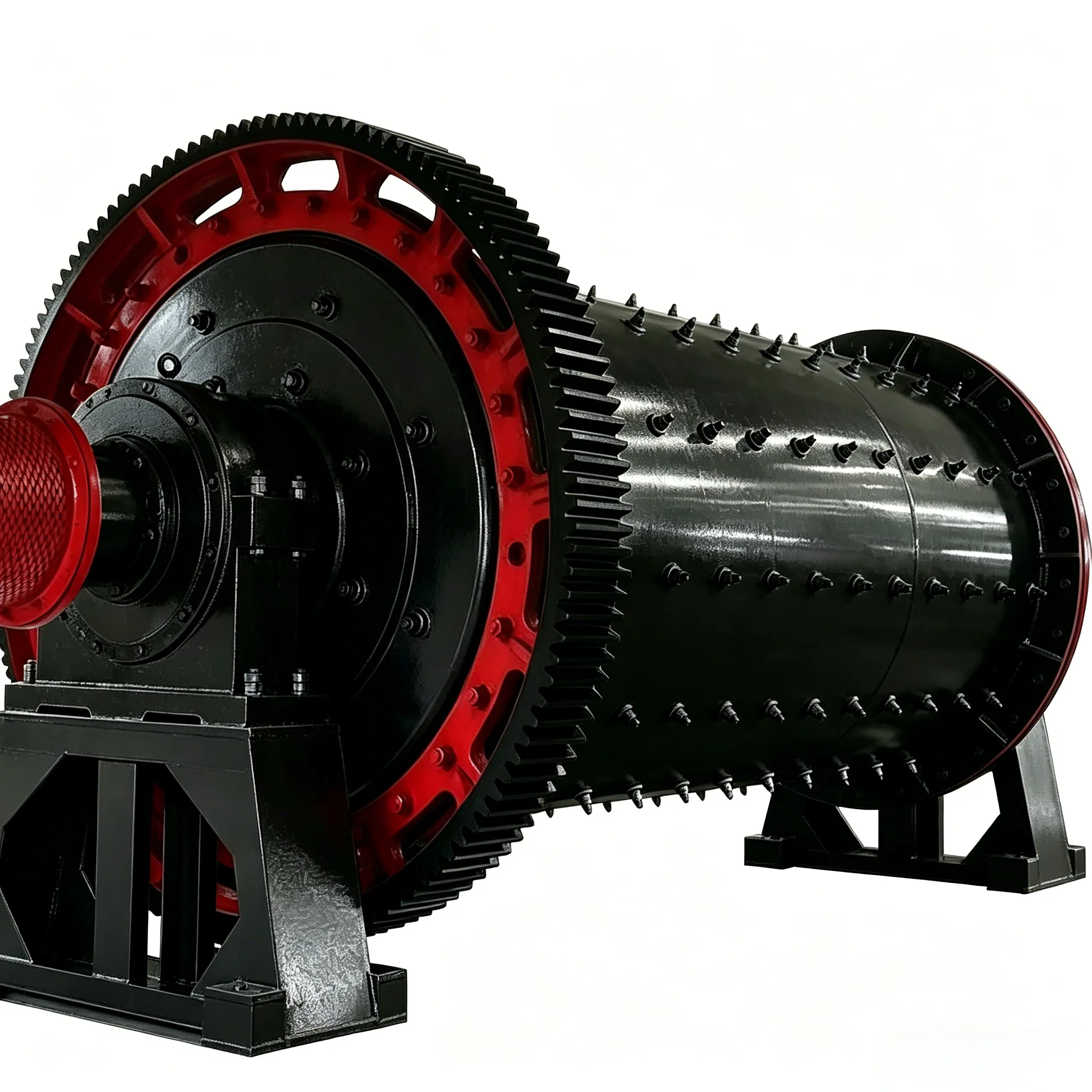
Grinding is not a case of “the finer, the better.”
If the ore has already reached the required particle size but grinding continues, over-grinding may occur.
1. Grinding fineness controlled too fine
If the feed rate is relatively low but the mill still maintains high grinding intensity, the ore may be over-ground.
2. Poor classification performance
Normally, pulp that has reached the required particle size should promptly enter the subsequent process.
If the classification is unreasonable, qualified particles are repeatedly returned to the mill, making over-grinding likely to occur.
Par exemple :
Decreased classification efficiency → Return of qualified particles → Circulating grinding → Increased over-grinding.
3. Excessive circulating load (return sand)
An increase in the circulating load means that more material is returned to the mill.
If the system remains under a high circulating load for a long time, it may also affect the grinding state.
4. Unreasonable grinding ball size distribution
Too many grinding balls or an unreasonable size distribution may also increase unnecessary grinding action.
5. Process parameters not adjusted in time
If the grinding and classification parameters remain at their original settings after changes in ore properties or feed rate, over-grinding may also result.
Therefore:
Over-grinding is not necessarily caused by the ball mill “grinding too aggressively”; it may also be due to delayed classification, excessive circulating load, or mismatched process parameters.
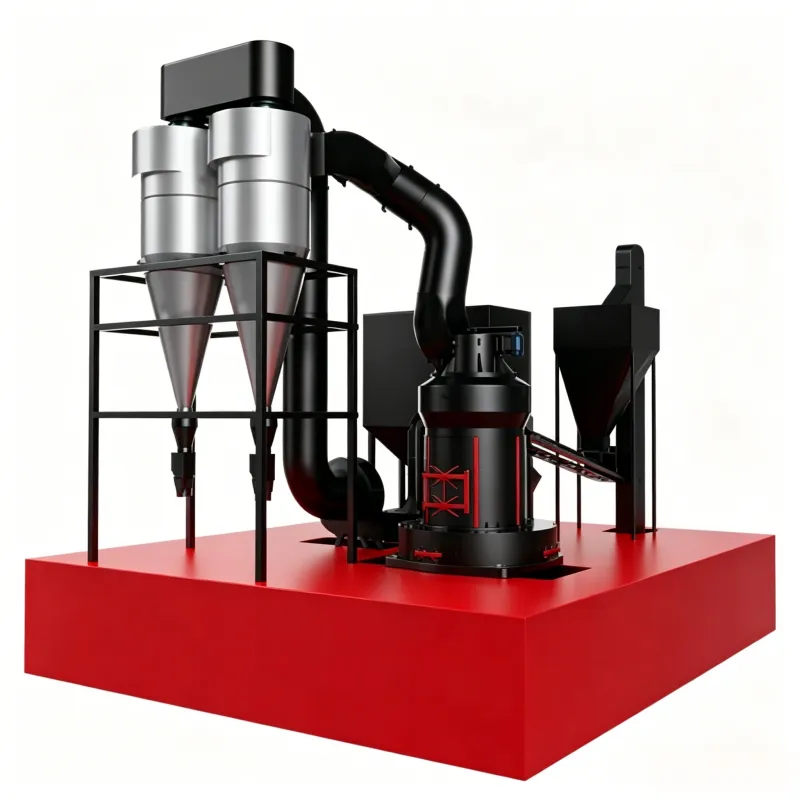
An automation system can comprehensively monitor parameters such as feed rate, mill power, pulp density, cyclone pressure, and circulating load to help promptly detect changes in the grinding state.

 English English
 Spanish
 Russian
 Arabic
 Swahili
 French
 Turkish
 Portuguese
 Korean
 Japanese
 German
 Italian