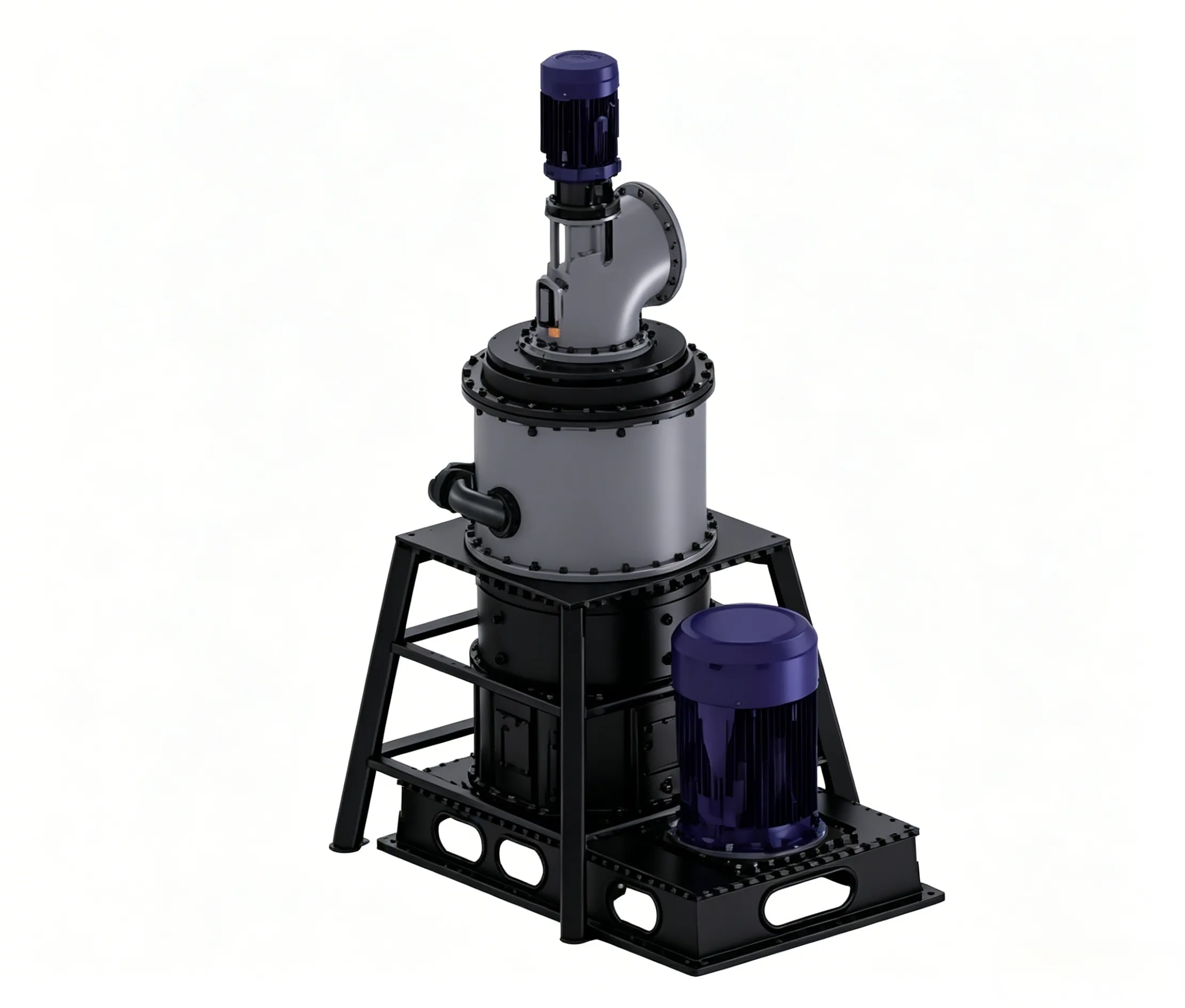
How to Determine the Length of Each Compartment in a Tube Mill

How to Determine the Length of Each Compartment in a Tube Mill

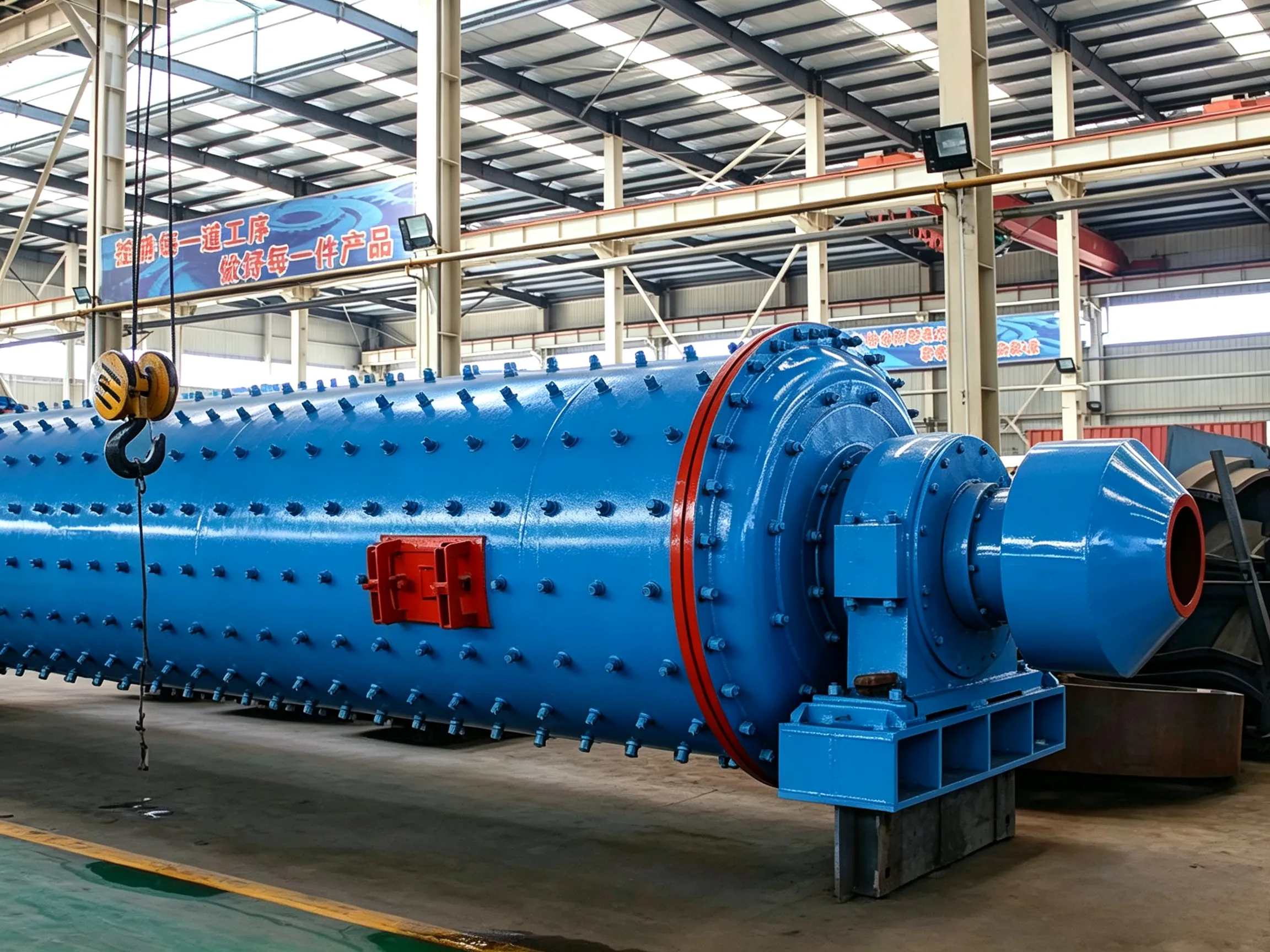
The core objective in determining the length of each compartment in a tube mill is to achieve a balance in grinding capacity across compartments, avoiding situations where “the first compartment is underfed while the second cannot grind fine enough.” There is no single formula for this; the decision depends on factors such as the mill type, feed material characteristics, and product requirements.

The following aspects should be considered:


📏 Step 1: Determine the Number of Compartments Based on Total Mill Length

The number of compartments in a tube mill is primarily determined by its total length — this is a fundamental principle.

  • Total length > 11 m → typically designed with 4 compartments.
  • Total length 9–11 m → typically designed with 3 compartments.
  • Total length < 8.5 m → typically designed with 2 compartments.

In addition, for mills in closed‑circuit grinding systems, where the material is classified by an air separator and fineness control is more flexible, the number of compartments is usually 2 or 3.


📊 Step 2: Refer to Empirical Proportions for Compartment Length Distribution

Once the number of compartments is determined, the length of each compartment can be allocated according to industry empirical ratios.

Mill TypeCompartment 1 (coarse grinding)Compartment 2 (transition/fine grinding)Compartment 3 (fine grinding)
Two‑compartment mill30% – 40%60% – 70%–
Three‑compartment mill25% – 30%25% – 30%40% – 50%

Practical example:
For an open‑circuit three‑compartment tube mill of Φ3.2 m × 13 m, the length of each compartment can be set as: Compartment 1: 3.5 m, Compartment 2: 2.5 m, Compartment 3: 6.5 m. Such examples serve as a starting point for adjustment.


⚙️ Step 3: Fine‑Tune Based on Process and Material Characteristics

On the basis of the empirical ratios, further fine adjustments should be made according to the following key factors:
  • Feed material size: The larger the particle size, or the harder the material to grind, the longer the first compartment (coarse grinding) should be, to ensure sufficient crushing capacity.
  • Circuito di macinazione:
    • Open‑circuit mill: The fine‑grinding compartment should be longer to ensure that the product meets fineness requirements in a single pass.
    • Closed‑circuit mill: Compartment lengths can be more flexible because the air separator returns oversize material.
  • Product fineness (grade): When producing higher‑grade cement, which requires finer product, the first compartment should generally be shortened and the fine‑grinding compartment lengthened.
  • Mill structure:
    • Classifying liners: If a compartment is equipped with classifying liners, its length should be appropriately increased to fully utilise the classification effect.
    • Bolt hole arrangement: The final compartment length may need micro‑adjustments based on the bolt hole pattern on the shell, to ensure proper installation.
  • Pre‑grinding equipment: If the mill is preceded by a pre‑grinder such as a roller press, the feed material is already fine, so the first compartment can be significantly shortened, leaving more space for fine grinding.

💡 Key Principle: Production Practice is the Ultimate Test

  • Focus on “effective length”: When determining compartment length, use the effective inner diameter (shell inner diameter minus twice the liner thickness) in calculations. Also, the actual compartment length should be the total length minus the thickness of structural components such as diaphragm plates and discharge grate plates.
  • Match with grinding media: Compartment length design must be coordinated with grinding media loading and gradation; otherwise, the intended effect will not be achieved.
  • Observe operating conditions: Unreasonable compartment lengths may cause abnormal phenomena such as “dust puffing” or “saturated grinding”. These should be closely monitored and corrected in production.

Potrebbero interessarti anche questi prodotti

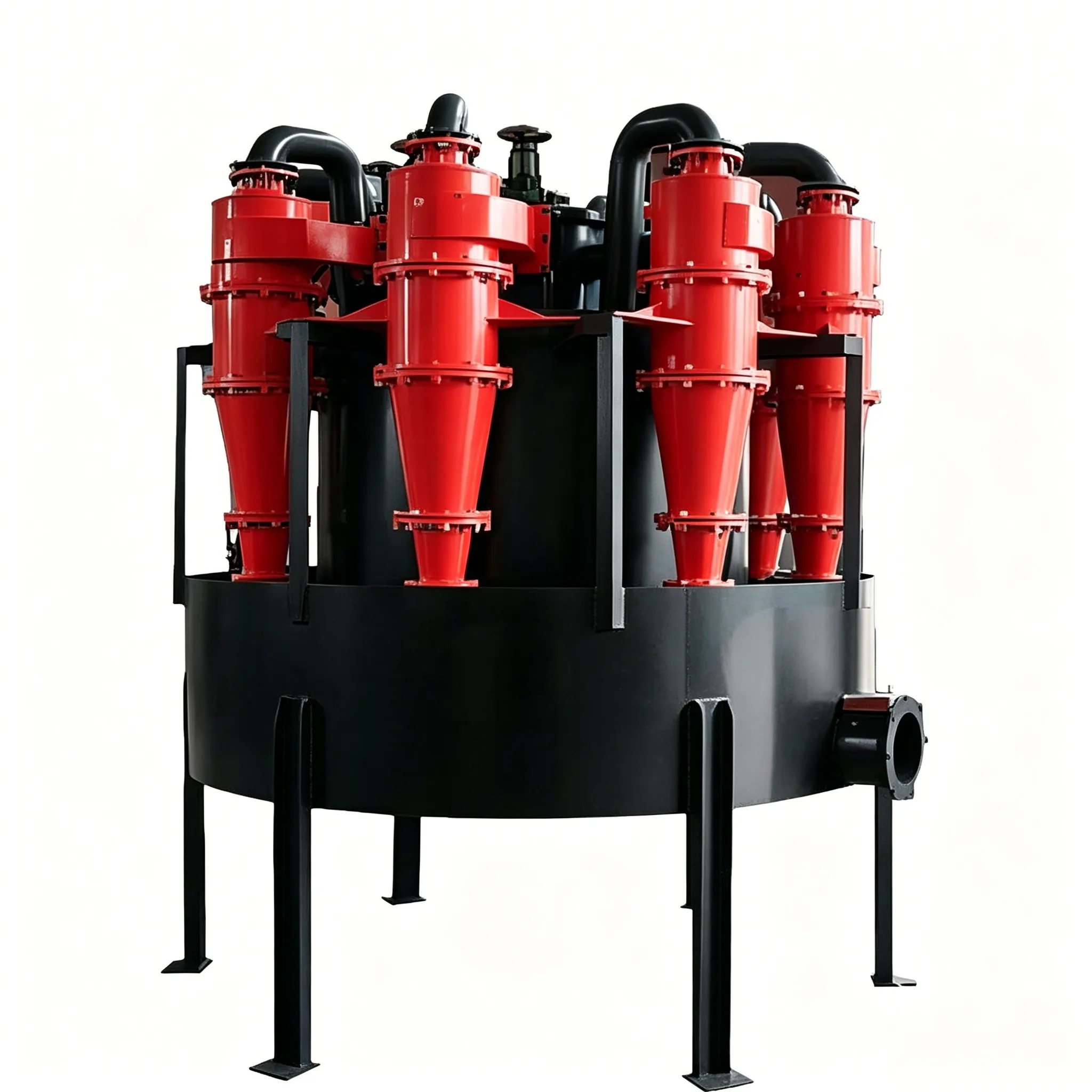
Idrociclone

Idrociclone

Idrociclone L'idrociclone è un dispositivo che sfrutta la forza centrifuga per classificare…
Copyright © 2026 Oreprocessings. Tutti i diritti riservati.