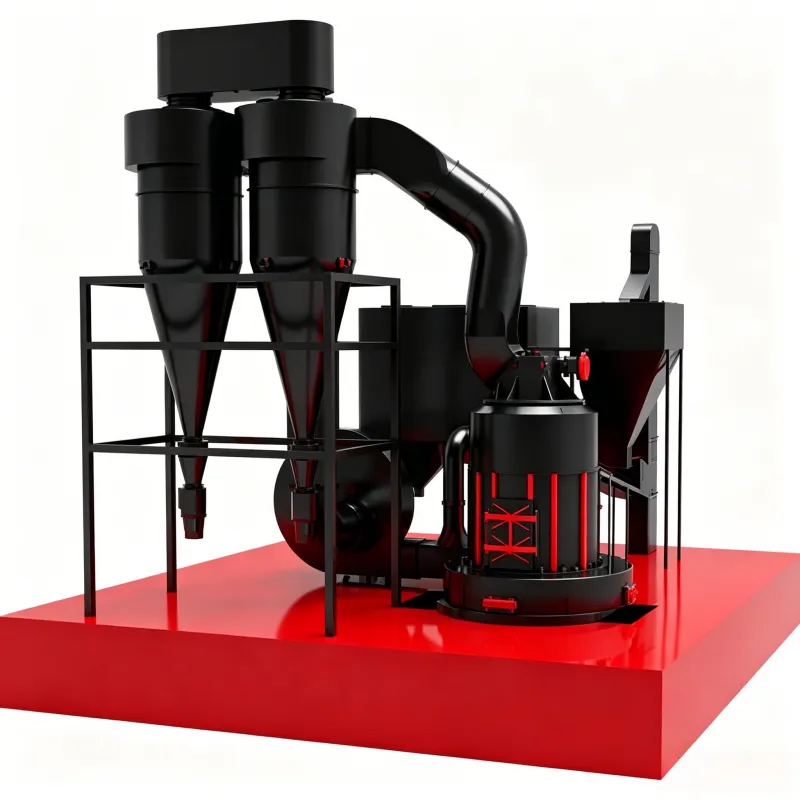
移動式レイモンドミル
移動式レイモンドミルの概要 移動式レイモンドミル(以下、…)


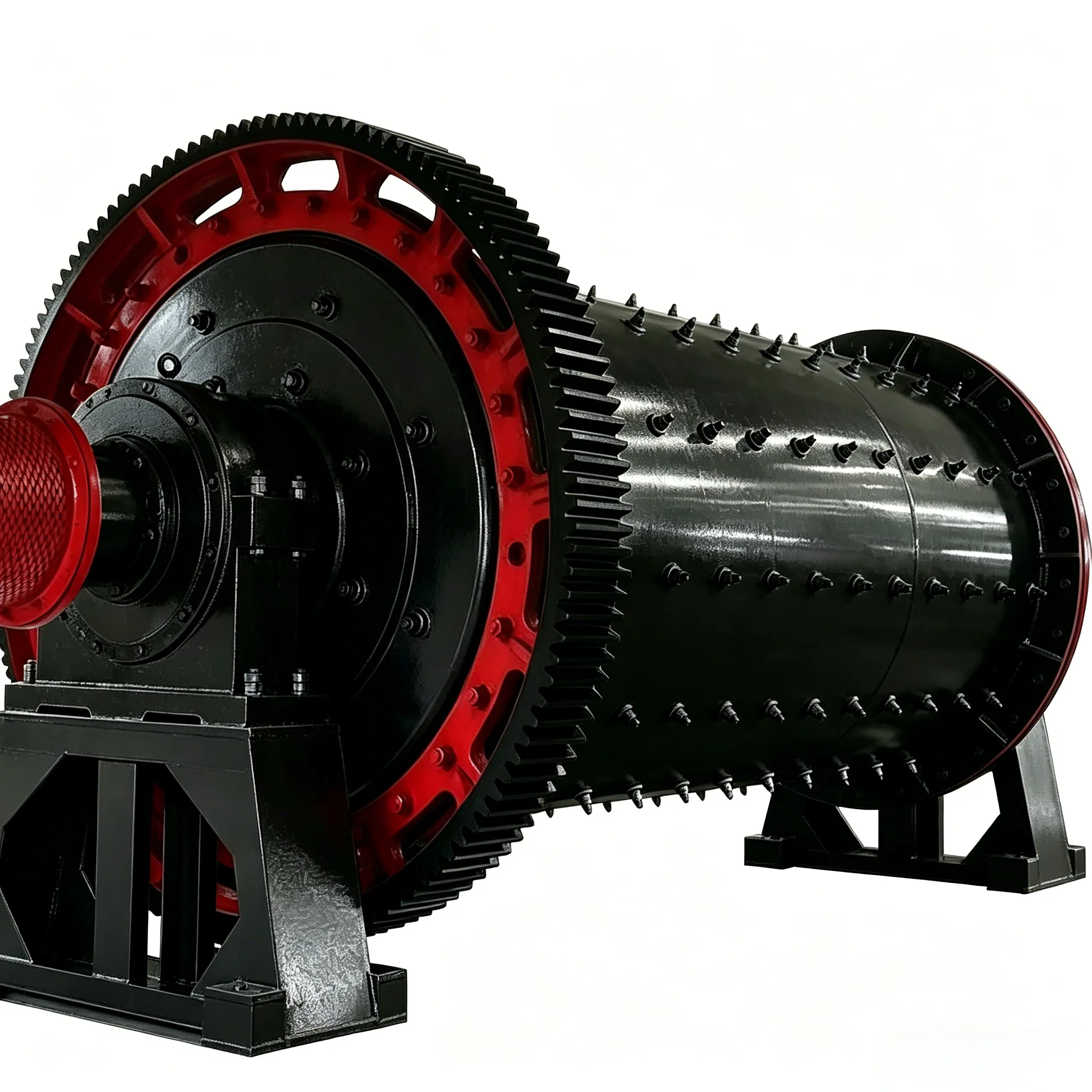
Generally, cement manufacturers use the scraping method to deal with overheating of phenolic resin laminated bearing bushes (hereinafter referred to as phenolic resin bearing bushes) in ball mills. At the same time, according to the requirements of the mill factory instruction manual, water is used as the lubricant for phenolic resin bearing bushes. After many years of practice, Zang Zeyuan and his colleagues from Qingdao Laoshan Building Materials Factory in Shandong Province believe that the scraping method and water lubrication have several disadvantages. The main problems are:
① Heavy workload and long shutdown time. When using the scraping method to treat phenolic resin bearing bushes, the mill shell must be lifted with jacks, the bearing bush removed for scraping and red lead checking, then returned to the bearing housing, the shell lowered, and the mill rotated manually. Then the shell must be lifted again, the bearing bush removed, and scraping repeated. Only after many such repeated cycles can the contact area meet the requirements. It generally takes at least one day, or even longer, to properly treat a pair of bearing bushes.
② High physical exertion and high technical skill requirements.
③ Water lubrication causes corrosion, affecting mechanical life. When water is used as the lubricant, the main bearing bush is filled with water all year round, inevitably causing corrosion to steel and iron parts such as the hollow shaft, bearing housing, and bearing cover. This is especially serious in areas with poor water quality, where the water contains various salts, exacerbating the corrosion and affecting the service life of the equipment.
The two phenolic resin bearing bush ball mills in this factory were initially also operated according to the mill instruction manual requirements for scraping and water lubrication. Later, in practice, they found the scraping operation to be time‑consuming and labor‑intensive. Based on the characteristic that phenolic materials burn easily at high temperatures, they boldly proposed the idea of replacing scraping with a “burn‑in method” and replacing water lubrication with oil lubrication, and successfully applied it in practice.
(1) Principle of the “burn‑in method” for running‑in bearing bushes
The principle of the “burn‑in method” is based on the relatively low ignition point of phenolic resin (approximately 250 °C). During mill operation, local high temperatures at the contact points of the bearing bush can reach the ignition point, causing localized carbonization of the phenolic resin and a significant reduction in strength. As the hollow shaft rotates, these carbonized points are gradually worn smooth, thereby achieving the required contact area.
(2) Operating procedure for the “burn‑in method” for phenolic resin bearing bushes
① Completely drain all water used as lubricant from the main bearings. After removing sludge and stagnant water from the bearing bottom, add No. 26 gear oil. If No. 26 gear oil is not available, use No. 30 gear oil in summer and No. 20 gear oil in winter (No. 26 gear oil can be used year‑round). Check that the oil level gauge and oil level meet the requirements.
② Check the cooling water system of the main bearings to ensure there is no leakage or seepage. Pay special attention to leakage at the inlet and outlet connections of the bearing bush. If everything is normal, open the valve to allow cooling water flow.
③ Start the mill and begin production feed. Pay special attention to the bearing bush temperature. After 30 minutes of operation, the bearing bush temperature generally rises above 65 °C. At this point, there is no need to stop the mill; operation can continue. After about 1 hour, when the temperature rises to 70 °C, stop the mill immediately (with feed to the mill head stopped as usual before stopping). However, do not interrupt the bearing cooling water.
④ After stopping for about 1.5 to 2.5 hours, the bearing bush temperature drops to about 30 °C. Restart the mill and resume production feed. After about 1.5 to 2 hours, the bearing bush temperature rises again to 70 °C, and the mill is stopped again for cooling.
⑤ After 1.5 to 2.5 hours, the bearing bush temperature drops below 30 °C again. Restart the mill and resume normal feed. Generally, after 1 to 2 stoppages, the bearing bush operating temperature stabilizes below 60 °C, indicating that the running‑in is complete and normal operation can proceed.
(3) Points to note during operation
① The thermometer used to measure the bearing bush temperature must be in good condition. Generally, factories use a WTZ‑288 pressure‑type thermometer to measure bearing bush temperature. Check that it is intact, that the capillary tube is not crimped, bent, or otherwise damaged, and that the pointer indicates temperature correctly and responds sensitively.
② To observe the hollow shaft operation and facilitate ventilation and heat dissipation, open the two inspection holes on the bearing cover during running‑in, and close them after running‑in when returning to normal operation. During the running‑in process, smoke and oil vapor can be seen coming out of the inspection holes, which is more pronounced in winter. This is normal and should not cause alarm. As long as the thermometer is working properly and reliably and the reading is within the specified limit (70 °C), no other emergency measures are necessary.
Practice has proven that the “burn‑in method” for phenolic resin bearing bushes is simple to operate, requires little work, and eliminates the repetitive lifting and lowering of the mill shell, the removal and scraping of bearing bushes, and manual turning required by the scraping method. Only a few simple steps—starting the mill, stopping the mill, and watching the thermometer—are needed, greatly reducing the workload. Generally, for a new pair of bearing bushes, only 1 to 2 stoppages are needed, with a total shutdown time of 3 to 4 hours, before normal production can begin. Compared with the scraping method, shutdown time can be reduced by more than 5 hours, yielding significant economic benefits. The skill requirement for workers is low; anyone who has participated in 1 to 2 “burn‑in method” operations can perform it independently. Moreover, changing to oil lubrication eliminates the problem of component corrosion.
This factory has used the “burn‑in method” for 5 to 6 years without any bearing bush accidents during this period.
 English English
 Spanish
 Russian
 Arabic
 Swahili
 French
 Turkish
 Portuguese
 Korean
 Japanese
 German
 Italian