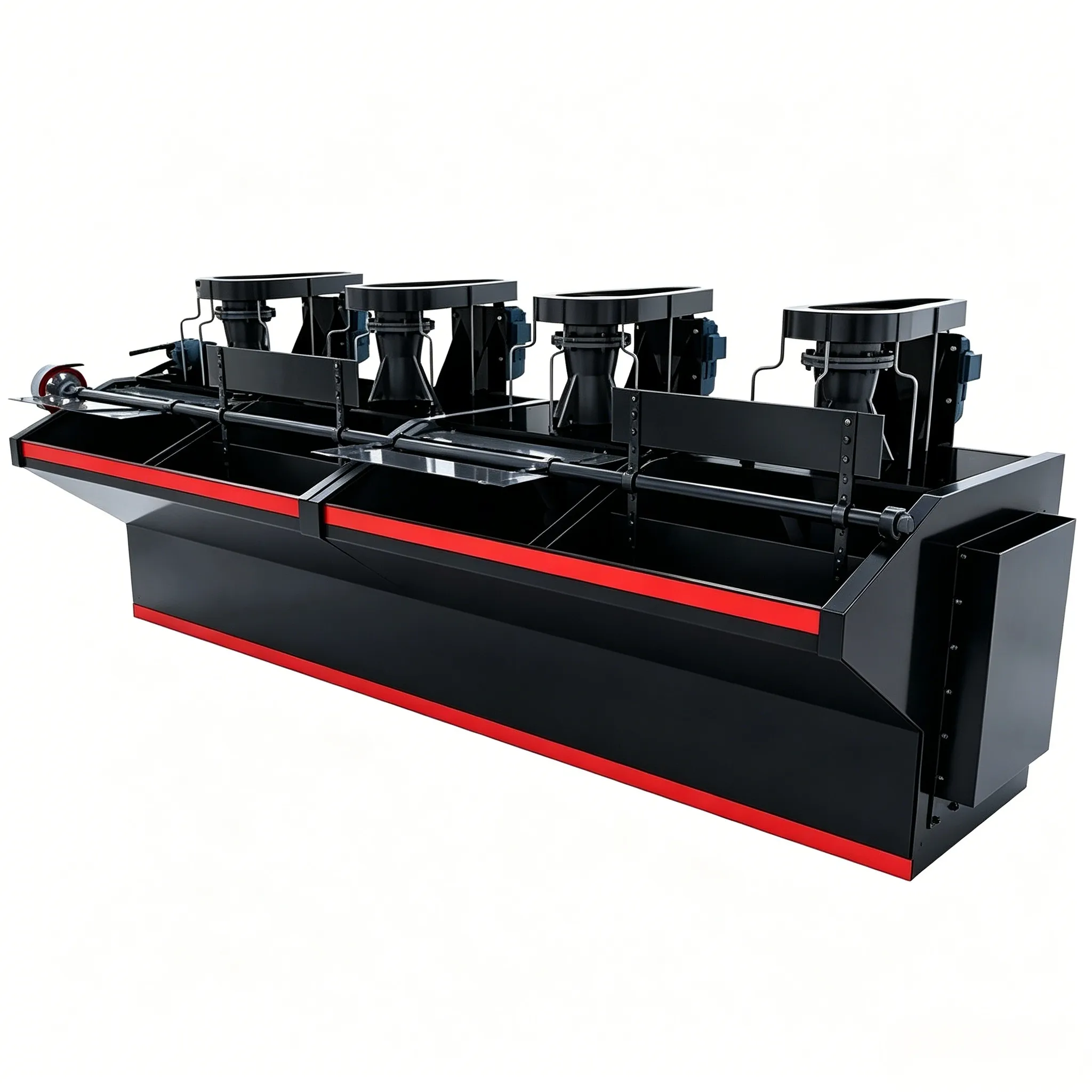
Máquina de flotación de varilla XJB
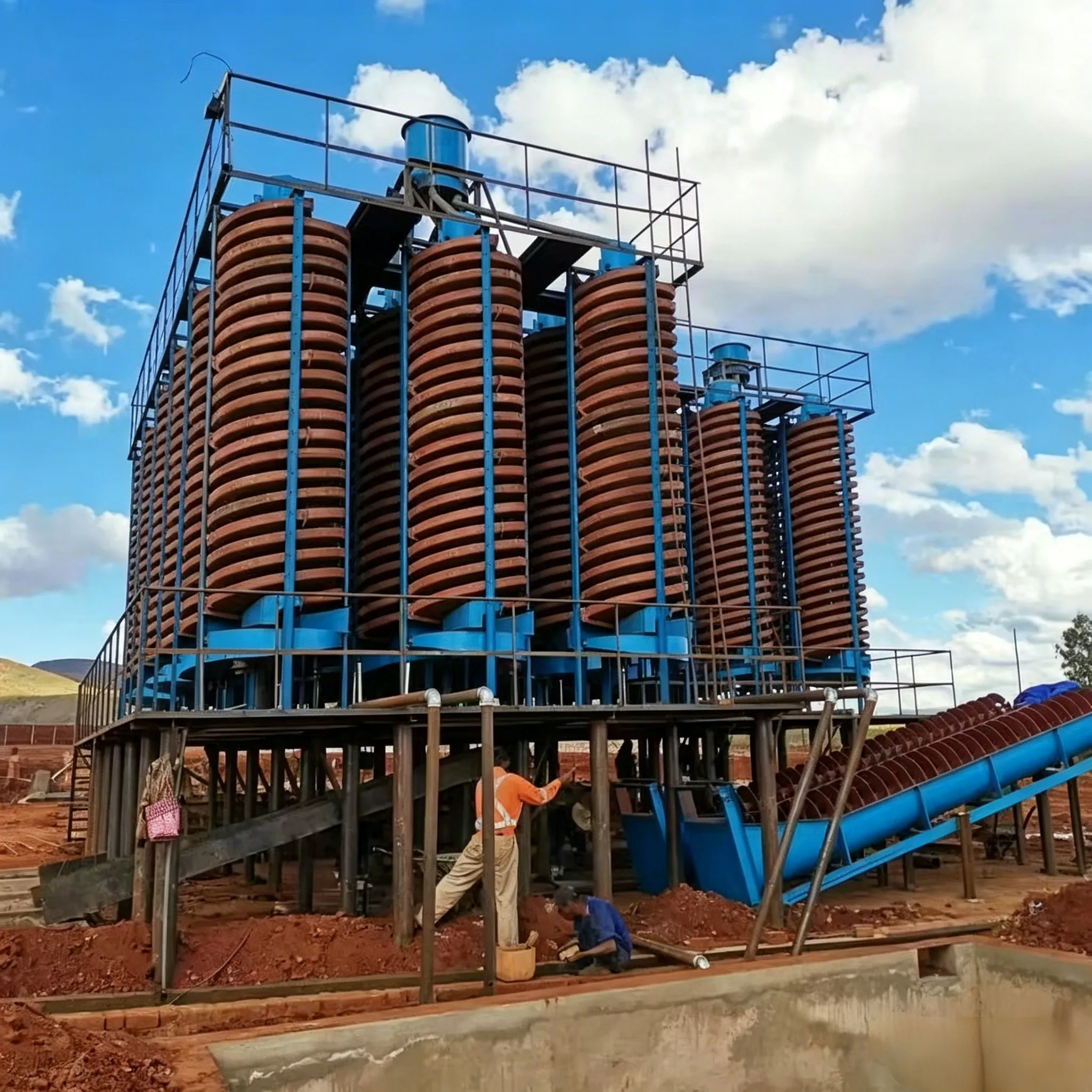
Máquina de flotación de varillas XJB La máquina de flotación de varillas XJB es similar a…

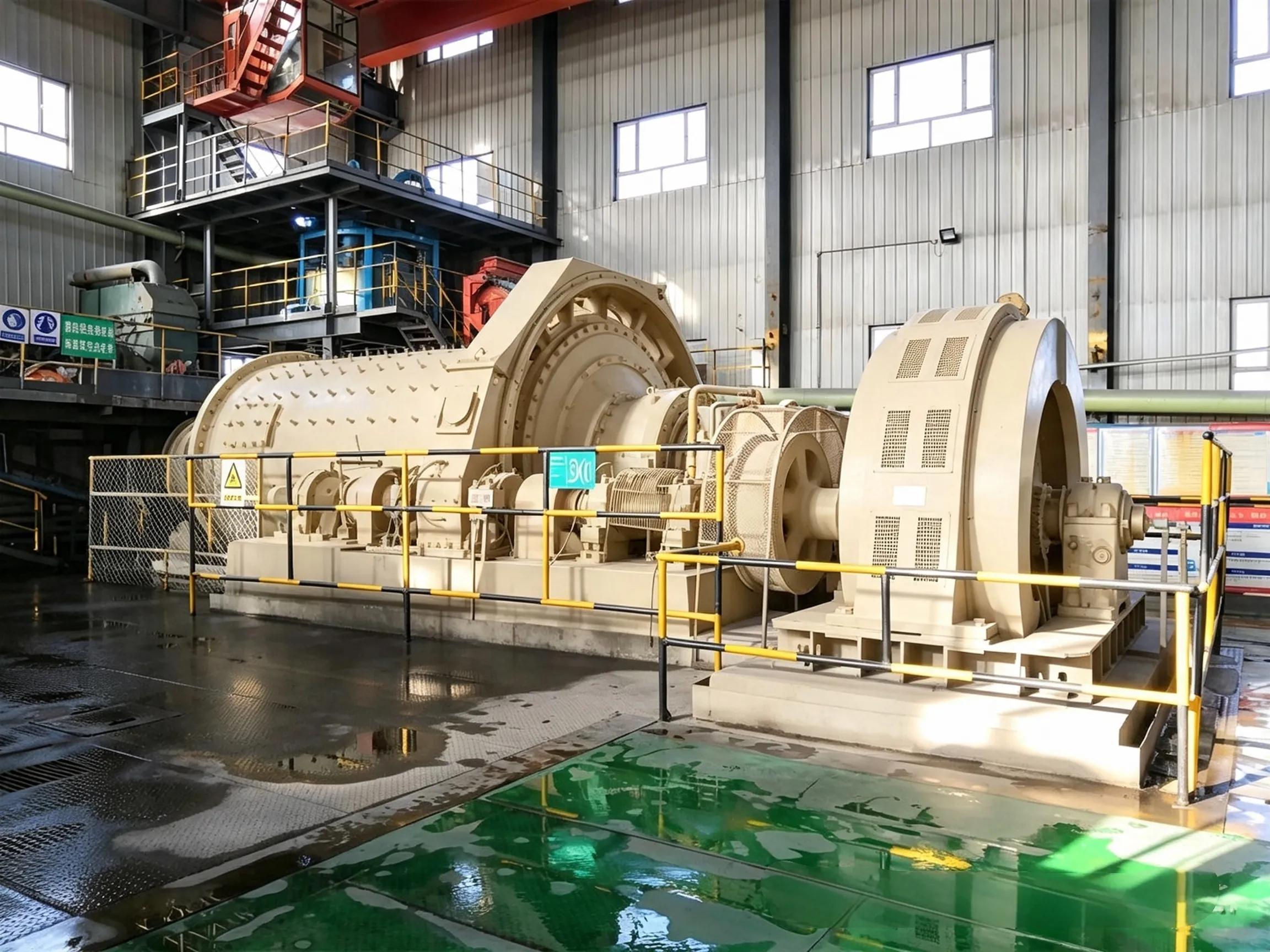
1. A beneficiation method for ultra-low-grade diatomite, characterized in that it comprises the following process steps:
① feeding raw earth with water into a mixer operating at 150-200 rpm to prepare a concentrated slurry, wherein the slurry concentration is 30-45%;
② diluting the slurry with water to a concentration of 10-20%, feeding it into a disperser operating at 1000-1500 rpm, while simultaneously adding the following components based on the weight of the raw earth:
theine: 0.003-0.005%;
water glass having a modulus greater than 3.2: 0.1-0.2%;
③ feeding the slurry successively into a primary separator, a secondary separator, and a fine separator for sedimentation separation at a flow velocity of 1-1.5 m/min, wherein the slurry concentrations in the respective separators are 10-20%, 10-18%, and 5-10%, respectively.
2. The beneficiation method according to claim 1, characterized in that the components added in step ② are:
theine: 0.003-0.005%;
sodium hexametaphosphate: 0.02-0.04%.
3. Equipment for use in the beneficiation method according to claim 1, characterized in that it comprises a three-stage separator, wherein the primary separator is composed of a settling channel provided with control baffles therein and a coarse sand tank connected to the channel; the secondary separator is composed of a plurality of parallel channels provided with multi-stage control baffles therein and having curved concave surfaces at bottoms thereof; and the fine separator is composed of a settling channel with multiple corners, provided with control gates therein, and having a slurry discharge ditch and a sludge discharge ditch at respective ends thereof.
4. The equipment according to claim 3, characterized in that the bottom of each stage of the channels in the secondary separator is provided with a curved concave surface, the longitudinal cross-section of which is concave.
Ámbito técnico
The present invention relates to a diatomite beneficiation method, and in particular, to a beneficiation method for upgrading ultra-low-grade raw diatomaceous earth into high-quality refined diatomite using a pure physical wet-dry process.
Imagen de fondo
Diatomite is a hydrated amorphous silica with a well-preserved internal structure, numerous pores, and a distinct cellular framework. Due to its large specific surface area, it exhibits strong adsorptive capacity, making it widely used in industrial production and in industries such as food, rubber, papermaking, plastics, building materials, pharmaceuticals, and chemicals. However, currently, diatomite resources worldwide are not abundant, and in particular, high-grade raw diatomaceous earth resources are increasingly diminishing. Therefore, beneficiation technology for upgrading ultra-low-grade diatomite is becoming increasingly urgent. In China, the vast majority of diatomite resources are of ultra-low grade. If the issues in the beneficiation process are not resolved, it cannot meet the growing market demand for refined diatomite, thereby constraining the development of the diatomite industry. Existing beneficiation methods make it difficult to upgrade high-quality refined diatomite from raw diatomaceous earth, especially ultra-low-grade raw ore.
Resumen de la invención
The objective of the present invention is to provide a beneficiation method for upgrading high-quality refined diatomite from ultra-low-grade raw diatomaceous earth.
Another objective of the present invention is to provide specialized equipment for this beneficiation method.
The beneficiation process of the present invention comprises the following steps:
① Feeding raw earth with water into a mixer operating at 150-200 rpm to prepare a concentrated slurry, with a slurry concentration of 30-45% (weight percentage; all percentages in the present invention are weight percentages);
② Diluting the slurry with water to a concentration of 10-20%, feeding it into a disperser operating at 1000-1500 rpm, while simultaneously adding the following components based on the weight of the raw earth:
③ Feeding the slurry successively into a primary separator, a secondary separator, and a fine separator for sedimentation separation at a flow velocity of 1-1.5 m/min, with the slurry concentrations in each separator being 10-20%, 10-18%, and 5-10%, respectively;
④ Collecting the wet refined diatomite, subjecting it to vacuum negative-pressure dewatering, drying with hot air at 150-250°C, and then feeding it into a classifier to separate pure refined diatomite;
⑤ Collecting and treating the beneficiation wastewater, with the clear water entering a storage tank for use as recycled water in the beneficiation process.
In step ② of the process of the present invention, the water glass component may be replaced by sodium hexametaphosphate, in an amount of 0.02-0.04%. During high-speed rotation of the slurry, particles of different sizes undergo non-uniform motion, generating internal friction. The theine generates positive charges, adsorbing negatively charged clay impurities. The diatomite and quartz sand, composed of silicon dioxide, remain neutral and settle freely, facilitating the separation of impurities from diatomite in step ③. The separation in step ③ involves alternating flow and static conditions, allowing thorough separation of impurities from diatomite, thereby obtaining high-purity refined diatomite.
The equipment provided by the present invention comprises a three-stage separation system consisting of a primary separator, a secondary separator, and a fine separator. The primary separator is composed of a settling channel equipped with control baffles and a coarse sand tank connected to the channel. The secondary separator is composed of multiple parallel channels equipped with control baffles and having concavely curved bottoms. The fine separator is composed of a multi-cornered settling channel equipped with control gates, with slurry discharge ditches and sludge discharge ditches at its two ends.
The control baffles in the settling channel of the primary separator are arranged in multiple stages, so that during the flow of the slurry through this separator, coarse impurities larger than 100 mesh settle and are discharged into the coarse sand tank, while diatomite and fine quartz sand and clay are carried with the flow to the next separation stage. The control baffles in the secondary separator are also arranged in multiple stages, with the bottom surface of each stage forming a longitudinally M-shaped curved concave surface, facilitating the sedimentation of debris minerals and quartz sand larger than 20 micrometers in these specially shaped channels, while allowing diatomite and clay to flow to the next separation stage. The control gates of the fine separator are located at the corners at both ends of the channel, increasing the effective channel length, so that clay-bearing beneficiation wastewater flows into the sludge discharge ditch and then into the wastewater tank, while diatomite enriches at the bottom as refined earth, achieving thorough separation of diatomite from impurities.
Compared with the prior art, the present invention has the following advantages:
Breve descripción de los planos
Figure 1 is a structural view of the primary separator of the present invention;
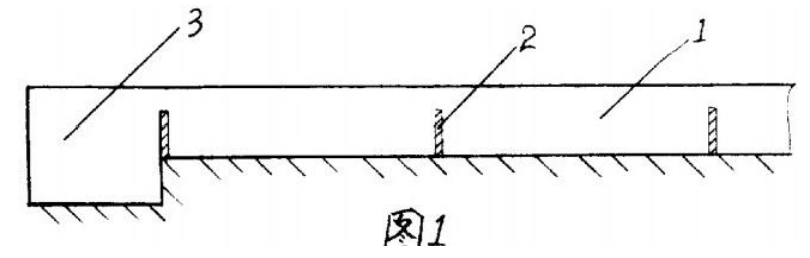
Figure 2 is a structural view of the secondary separator of the present invention;
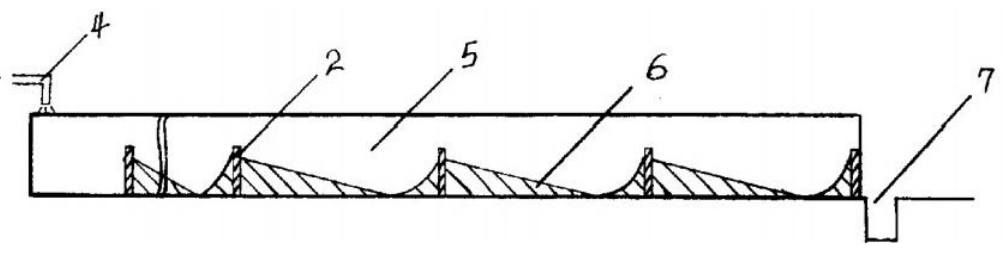
Figure 3 is a plan view of the fine separator of the present invention;
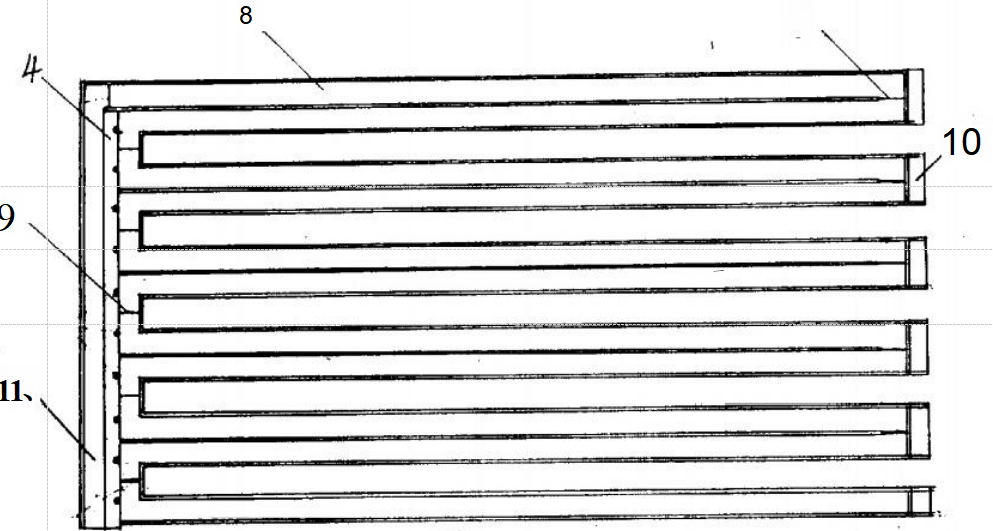
Figure 4 is a longitudinal cross-sectional view of the fine separator of the present invention;

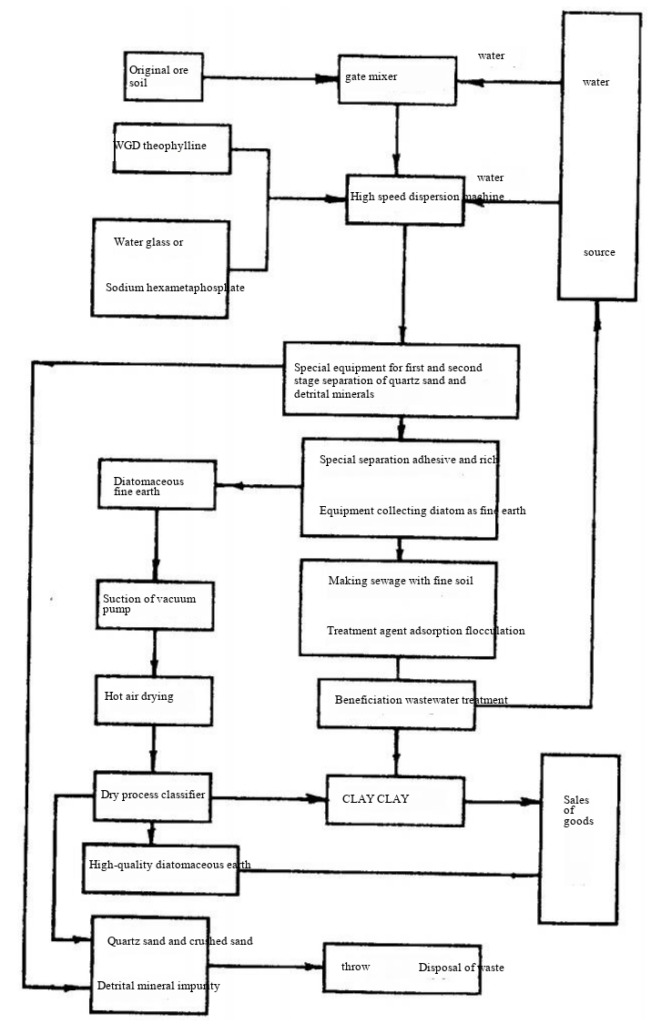
Figure 5 is a process flow diagram of the present invention.
Descripción detallada de las realizaciones
The equipment of the present invention is further described below with reference to the accompanying drawings.
In the figures: 1 is the settling channel of the primary separator; 2 are the control baffles arranged in multiple stages within the channel for staged sedimentation separation; 3 is the coarse sand tank, into which the settled coarse sand flows; 4 is the slurry discharge pipe at the end of the secondary separator, through which the slurry after primary separation flows into the secondary separator; 5 is the settling channel of the secondary separator, divided into multiple stages separated by control baffles 2; 6 is the curved concave surface at the bottom of each settling stage, with a longitudinal cross-section shaped like an “M”; 7 is the slurry overflow channel at the other end of the secondary separator; 8 is the settling channel of the fine separator, which is a continuous channel with bends; 9 are control gates installed at the bends; 10 are sludge discharge ditches at the right-side turning points; 11 are slurry discharge ditches at the left-side turning points.
Ejemplo
Taking ultra-low-grade raw ore from the Qifeng diatomite mine in Erhai County, Yunnan Province, with the following chemical composition: SiO₂ 60-62%, Al₂O₃ 19-21%, Fe₂O₃ 8-11%. The material composition of the ultra-low-grade raw ore is: quartz sand and detrital minerals 45%, montmorillonite, hydromuscovite, illite, etc. 25-30%, loss on ignition 7%, diatom content 20-25%.
① Wet raw ore (containing 40% moisture, dry raw ore amount 21.6 kg/min) is fed into a screw feeder at a rate of 36 kg/min, while water is added at 25.7 kg/min, and then the mixture is fed into a low-speed mixer to prepare a slurry with 35% concentration;
② The above slurry is diluted with water at 58.3 kg/min to 18% concentration and fed into a high-speed disperser, while theine is added at 8.6 g/min and water glass at 32.4 g/min, and dispersed at a rotation speed of 1442 rpm;
③ The above slurry is fed into the settling channel 1 of the primary separator at a flow rate of 120 kg/min, flows through the channel at a velocity of 1 m/min to remove impurities larger than 100 mesh, then flows at the same velocity into the settling channel of the secondary separator to remove impurities larger than 20 micrometers, and finally enters the settling channel of the fine separator at a concentration of 9.7%, a flow rate of 76.8 kg/min, and a flow velocity of 1.2 m/min. Clay impurities overflow to the sludge discharge ditch at a concentration of 5.2% and a flow rate of 65.5 kg/min, and are treated for recycling as process water. The refined diatomite remaining at the bottom of the channel has the following composition: SiO₂ 78%, Al₂O₃ <9%, Fe₂O₃ <2.5%, bulk density <0.4, loss on ignition 5%, diatom content >90%, with a daily production of 18.5 tons of wet refined diatomite (containing 58% moisture). The collected wet refined diatomite is dewatered in a vacuum negative-pressure machine, then dried with hot air at 200°C, and finally classified by a classifier to obtain refined diatomite.
 English English
 Spanish
 Russian
 Arabic
 Swahili
 French
 Turkish
 Portuguese
 Korean
 Japanese
 German
 Italian