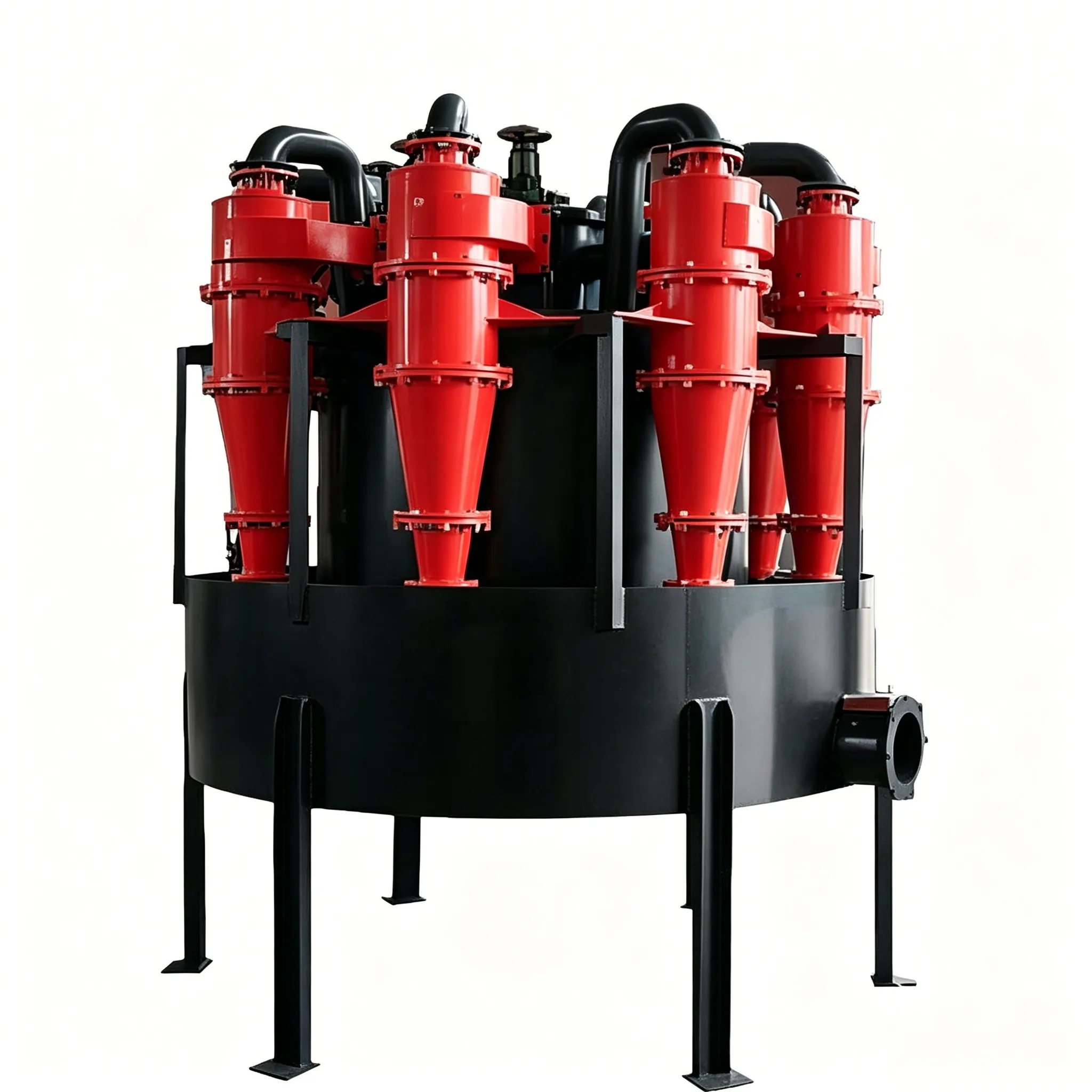
Hydrocyclone
Hydrocyclone L'hydrocyclone est un dispositif qui utilise la force centrifuge pour classer…

Maifan stone is a natural silicate mineral, scientifically classified as quartz monzonite, named for its speckled surface resembling cooked barley grains. This composite mineral, also known as a medicinal rock, is non‑toxic, harmless to living organisms, and possesses biological activity. It has held an important place in Chinese medical classics since ancient times—the Jin Dynasty’s Zhouhou Beiji Fang (Handbook of Prescriptions for Emergencies) by Ge Hong first documented maifan stone, incorporating it into medicinal formulations.
Maifan stone is rich in major elements such as potassium, sodium, calcium, and magnesium, as well as beneficial trace elements including zinc, iron, selenium, and copper. Its unique porous structure endows it with strong capacité d'adsorption et ion‑exchange ability, enabling it to adsorb heavy metal ions, bacteria, nitrites, phenol, and other harmful substances. It can also bidirectionally regulate water pH et release beneficial minerals into water.
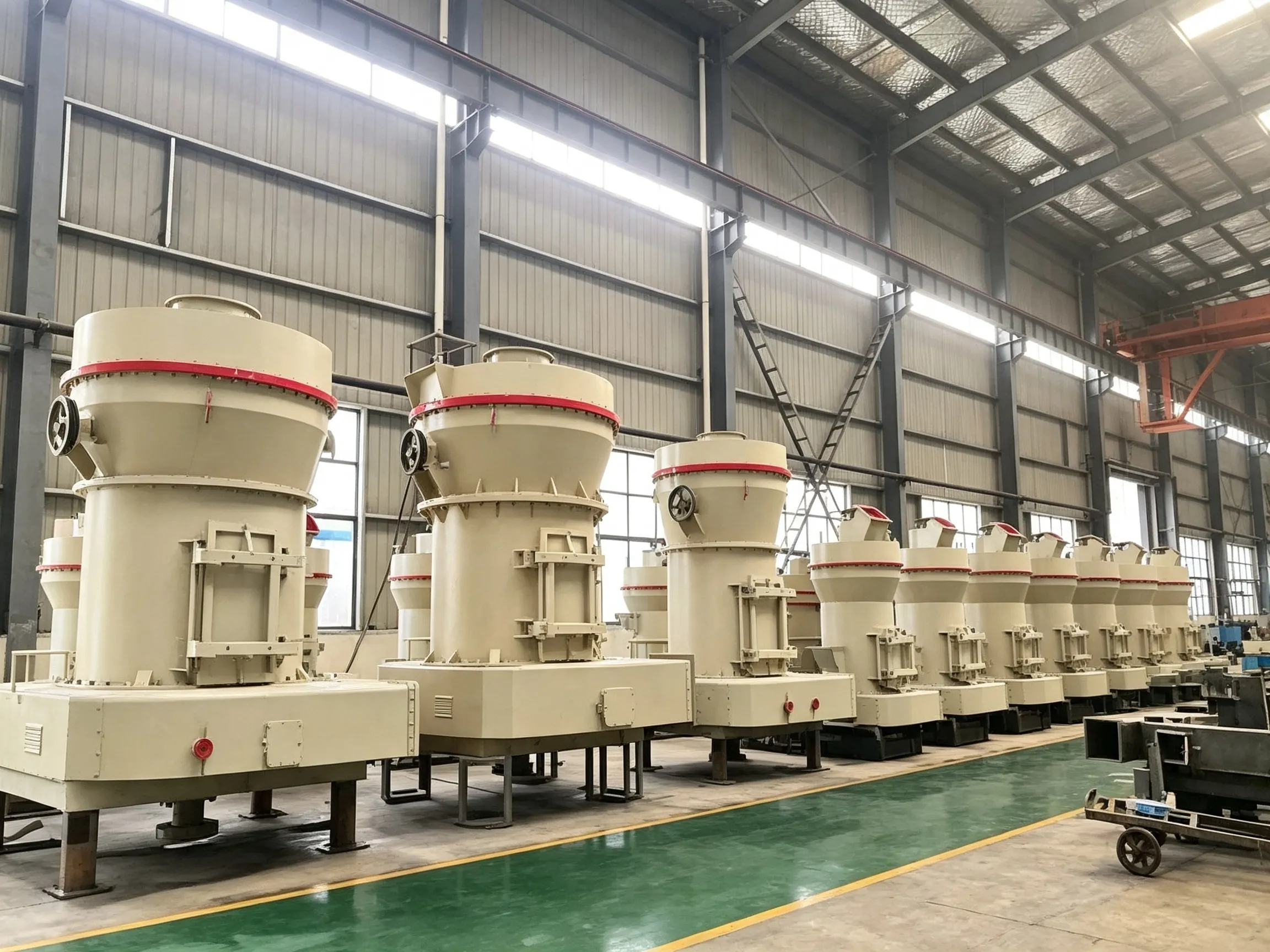
These distinctive properties have led to widespread applications of maifan stone in healthcare, water purification, food processing, agriculture, wastewater treatment, cosmetics, and many other fields. To transform raw maifan stone into fine powders that meet the requirements of these diverse industries, the broyeur Raymond is an indispensable core piece of equipment.
This article provides a comprehensive overview of the maifan stone Raymond mill grinding system, covering equipment suitability, process flow, product specifications and applications, practical cases, et bien d'autres encore.
Maifan stone is mainly composed of plagioclase (35%–40%), potassium feldspar (30%–35%), and quartz (20%–25%) , together accounting for over 80%; minor minerals include biotite and hornblende, totalling about 5%. Its main chemical components are inorganic aluminosilicates, including SiO₂, Al₂O₃, Fe₂O₃, FeO, MgO, CaO, K₂O, Na₂O, TiO₂, P₂O₅, MnO, etc.
The physical properties of maifan stone determine its processing method:
After maifan stone is processed into powder, downstream applications have different fineness requirements. From coarse powder to ultra‑fine powder, different mesh sizes correspond to different application scenarios. Therefore, a grinding system that can flexibly adjust product fineness, operate stably, and meet environmental standards is the core need for maifan stone processing enterprises.
Raymond mills are suitable for processing various non‑flammable and non‑explosive minerals with Mohs hardness below 7 and moisture content below 6%. Maifan stone, with a hardness of about 6, falls well within the mill’s capability. Moreover, maifan stone in its natural state generally meets the moisture requirement, eliminating the need for additional drying equipment.
By adjusting the speed of the air classifier, a Raymond mill can process raw maifan stone into powders ranging from coarse to ultra‑fine. Common specifications of maifan stone powder include 80–100 mesh, 100–120 mesh, 150 mesh, 180 mesh, 200 mesh, 325 mesh, 400 mesh, 500 mesh, 800 mesh, 1000 mesh, 1250 mesh, 2000 mesh, and more. This wide fineness adjustment range enables a single Raymond mill to serve multiple downstream industries.
Raymond mills offer advantages such as energy saving, high efficiency, and a small footprint. New‑generation models outperform traditional ones in output and energy consumption. With a three‑dimensional structure and strong system integration, from raw material coarse processing to conveying, grinding, and packaging, it can form an independent production system.
The Raymond mill is a common and proven choice in the maifan stone processing industry, with mature application cases in Hunan, Inner Mongolia, Ningxia, Liaoning, and other regions across China.
The Raymond mill grinding of maifan stone is a systematic production process that transforms raw ore into powders of different mesh sizes. It mainly involves raw material preparation, crushing, grinding, classification, and collection. The detailed process is as follows:
Raw material screening: Raw maifan stone ore is preliminarily screened to remove impurities and large non‑target minerals, ensuring feed purity.
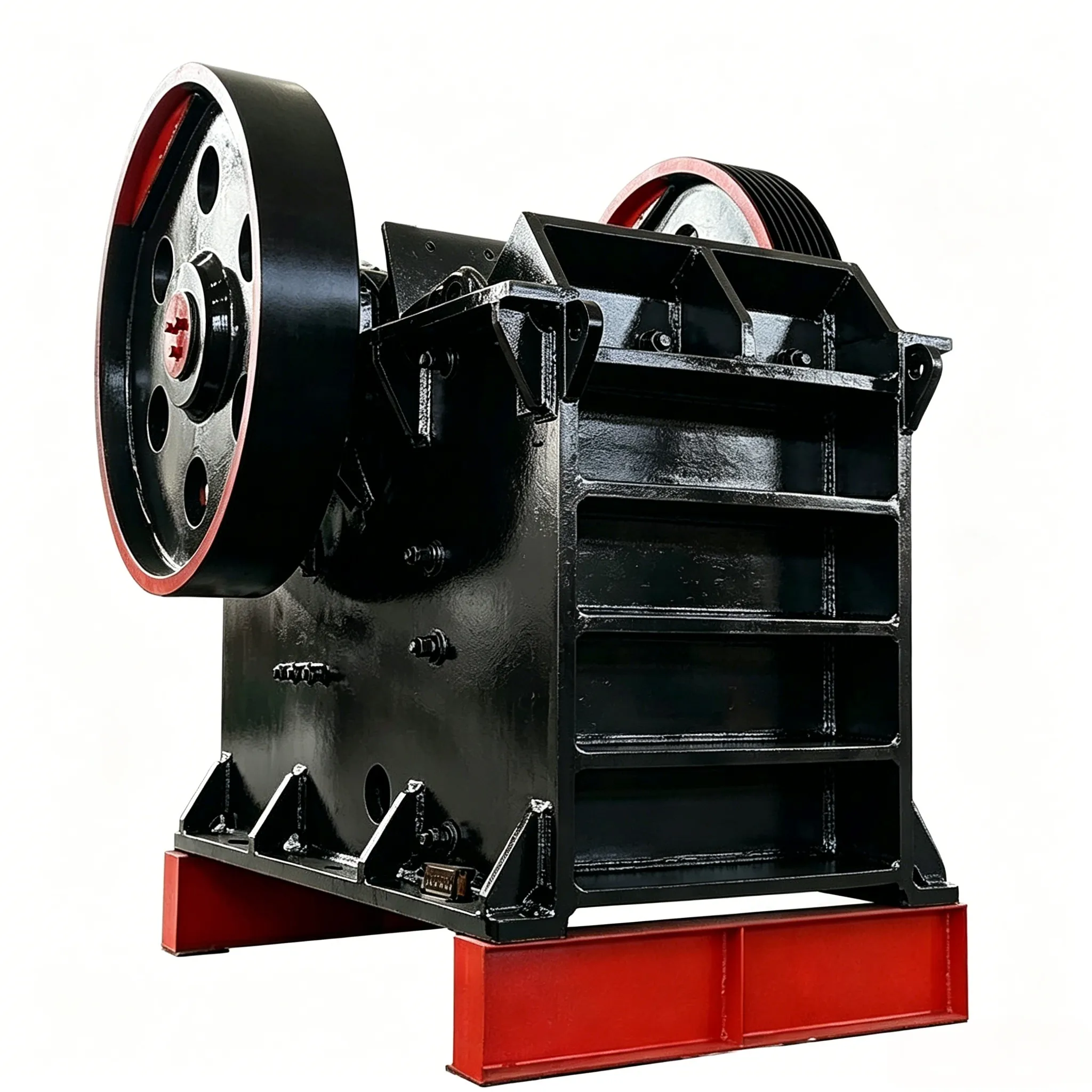
Concassage grossier: Large maifan stone (typically ≤30 mm) is crushed by a concasseur à mâchoires ou concasseur à cône to a size suitable for the Raymond mill feed (generally ≤20 mm), preparing it for subsequent grinding.
Alimentation régulière: The crushed material is conveyed by a élévateur à godets to a storage hopper, and then fed uniformly, quantitatively, and continuously into the Raymond mill main unit via an electromagnetic vibrating feeder.
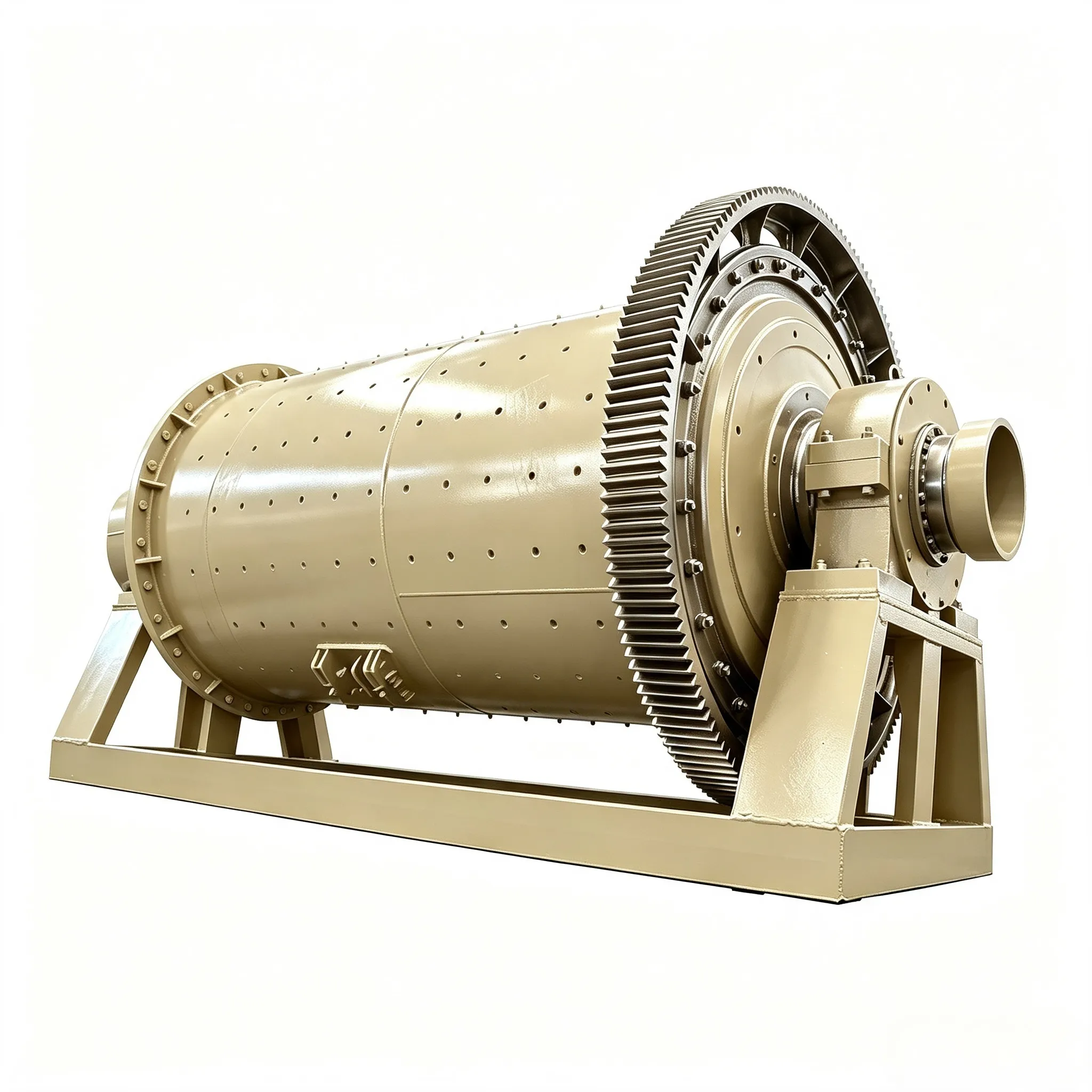
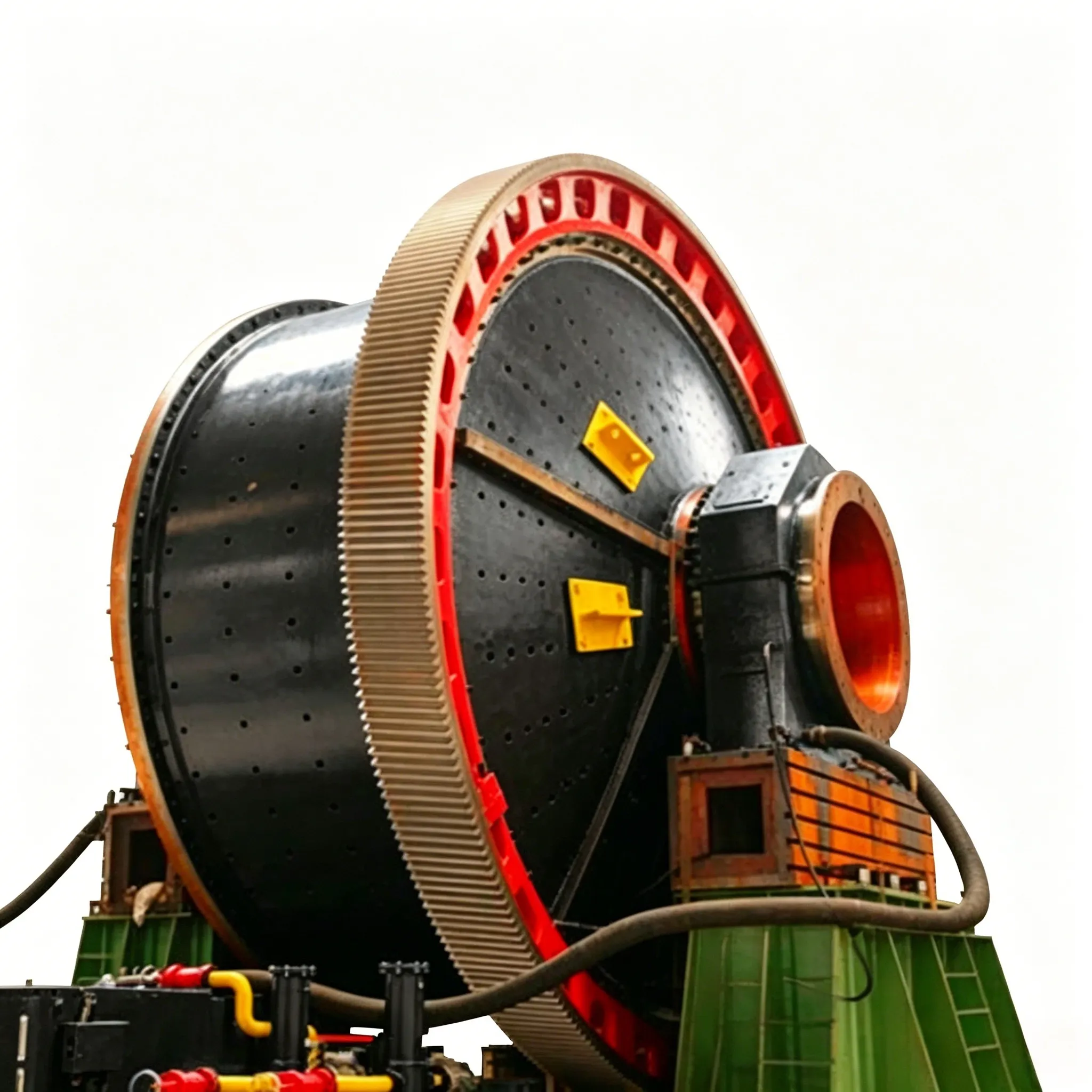
Main unit grinding: Inside the grinding chamber, a shovel blade lifts the material and feeds it between the rouleaux de broyage et le grinding ring. Under centrifugal force, the rollers press firmly against the ring, crushing and pulverising the material through compression and friction. While revolving around the ring, the rollers also rotate on their own axes, creating an efficient comminution action.
Air classification: A blower blows air into the bottom of the grinding chamber, carrying the ground material upward to the classificateur (air separator). Inside the classifier, rotating blades generate centrifugal force: larger particles are thrown back to the grinding chamber for re‑grinding, while fine particles meeting the fineness requirement are carried by airflow to the next stage.
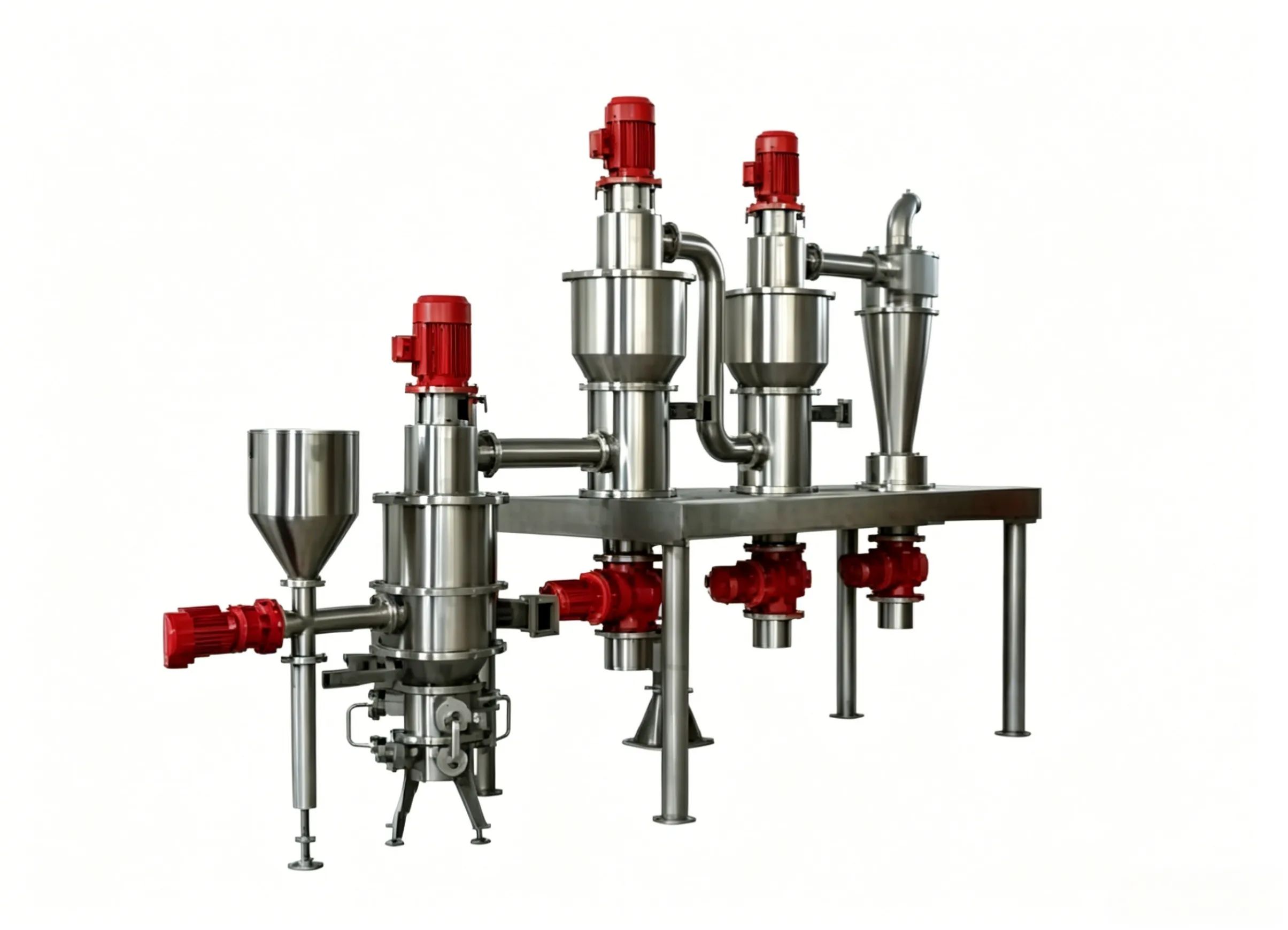
Collecte de poudre: The qualified fine powder, carried by airflow, enters a collecteur à cyclone, where it is separated from the air and discharged from the discharge port as finished maifan stone powder. Additional screening equipment can be configured for further grading as needed.
Exhaust air treatment and dust collection: Very fine dust not captured by the cyclone collector is carried to a filtre à manches à jet pulsé, where it is filtered out, and clean air is discharged. The collected dust is either returned to the system or disposed of uniformly. The collection efficiency exceeds 99%, ensuring emissions meet environmental standards. The exhaust air system, via piping connecting the fan and the main unit, maintains a dépression inside the mill to prevent dust leakage.
Automation control: A PLC control system monitors operating parameters (e.g., temperature, pressure, current) in real time to ensure production stability.
Moisture and temperature management: The system controls moisture levels through air volume adjustment and recirculation to prevent clogging or agglomeration.
Quality inspection: Finished powder is tested by a particle size analyser to confirm it meets the target mesh specification; off‑spec material can be returned to the grinding chamber for re‑processing.
Maifan stone powder is available in a wide range of specifications, from coarse to ultra‑fine, covering application needs across various industries:
| Specification Range | Typical Mesh | Principaux domaines d'application |
|---|---|---|
| Poudre grossière | 40–120 mesh | Feed additives, soil improvement, water treatment media |
| Poudre moyennement fine | 150–325 mesh | Fertiliser additives, building materials, ceramic raw materials |
| Poudre fine | 400–800 mesh | Healthcare, food and beverage, cosmetic base materials |
| Poudre ultra-fine | 1000–2000 mesh | High‑end cosmetics, precision ceramics, functional fillers |
Healthcare: Maifan stone powder can be used to produce health products, with functions such as regulating metabolism, aiding digestion, diuresis, and liver protection. Ancient medical texts record it as “sweet, warm, non‑toxic, and effective for all ulcers and skin infections.”
Water purification and wastewater treatment: Utilising its adsorption capacity, maifan stone powder is used to produce water purifiers that adsorb free heavy metal ions and harmful substances from water.
Agriculture and animal husbandry: As a fertiliser additive, it promotes crop tillering and increases yield; as a feed additive, it promotes healthy livestock growth and improves feed utilisation.
Cosmetics industry: Maifan stone powder is used in face masks, handmade soaps, and other skincare products, accelerating metabolism.
Industrial and materials fields: It can be used in porcelain manufacturing, conductive filler preparation, and more.
Guilin Hongcheng collaborated with a large enterprise in Hunan. The customer purchased a 4R3320 maifan stone Raymond mill, which was successfully trial‑run and put into normal production. The customer expressed satisfaction with the equipment and service.
In January 2021, a customer in Miluo, Hunan, purchased a 4R3220 Raymond mill for maifan stone processing. It was installed and successfully commissioned. The mill features an integrated base design, ensuring extremely stable operation—“even a coin standing upright on the machine won’t fall while the rollers run at high speed.” Trial production of 40‑mesh maifan stone powder went smoothly, with all auxiliary machinery and parts operating properly.
Several users in Ningxia, Inner Mongolia, Liaoning, and other regions have installed Raymond mills for maifan stone processing. Customer feedback indicates that the entire workflow is smooth, the design is scientifically sound, and the sealing is effective, significantly reducing dust pollution.
Maifan stone, as a natural mineral with health benefits, adsorption properties, and biological activity, is seeing unprecedented opportunities in its deep‑processing industry. The global maifan stone market reached approximately USD 1.28 billion in 2025, with China contributing over 38% of the global share.
In the transformation of maifan stone from raw ore to high‑value powder, the broyeur Raymond, with its comprehensive advantages of hardness suitability, adjustable fineness, stable operation, and environmental compliance, has become the preferred grinding equipment in the industry. Whether for healthcare, water purification, agriculture, animal husbandry, or cosmetics, maifan stone powder processed by Raymond mills provides high‑quality raw material assurance for various sectors.
Choosing a high‑performance, well‑configured Raymond mill grinding system is not only key to improving processing efficiency and product quality but also a strategic move to position for growth in this rapidly expanding market.
 English English
 Spanish
 Russian
 Arabic
 Swahili
 French
 Turkish
 Portuguese
 Korean
 Japanese
 German
 Italian