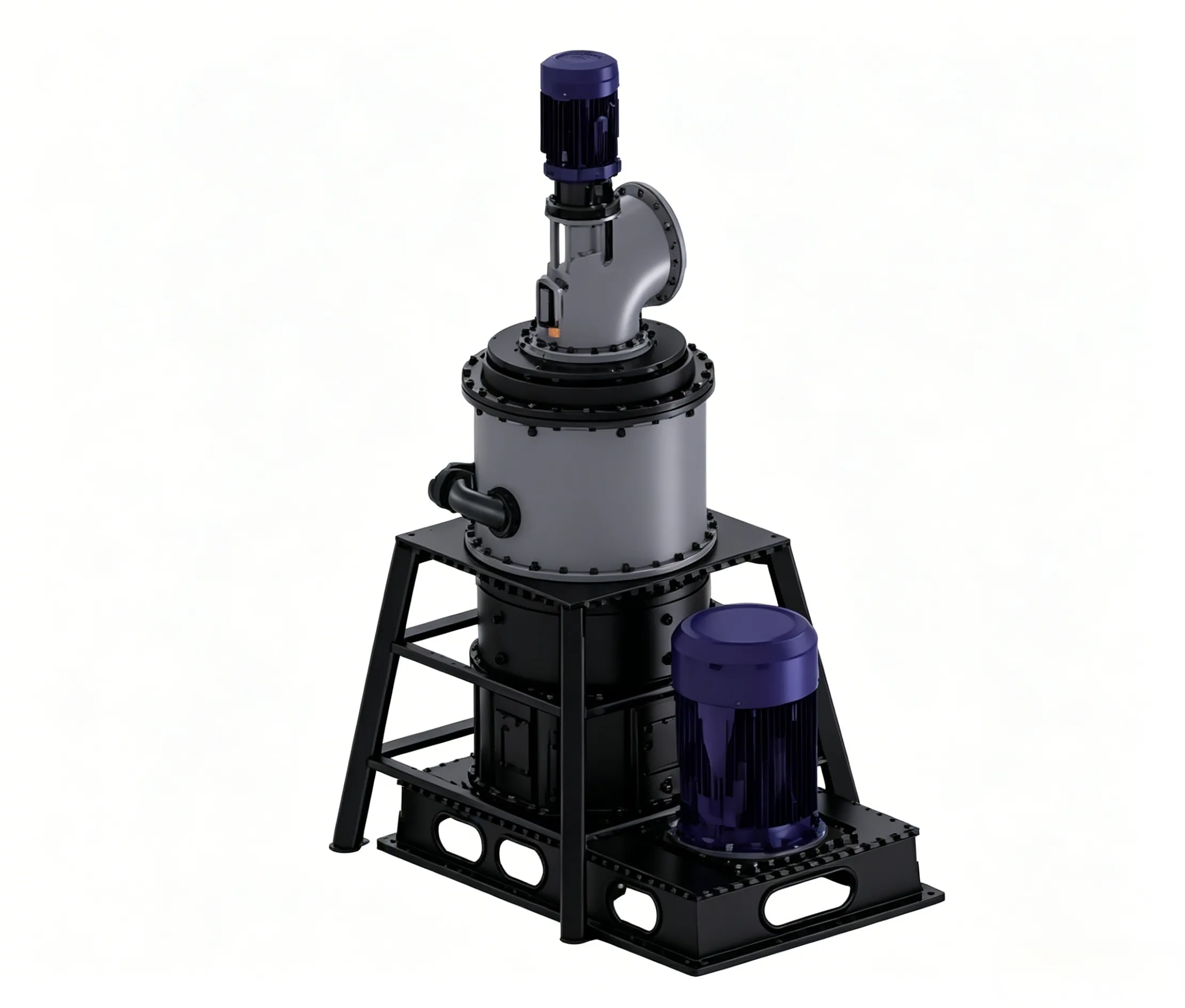
Molienda ultrafina de la serie GXM
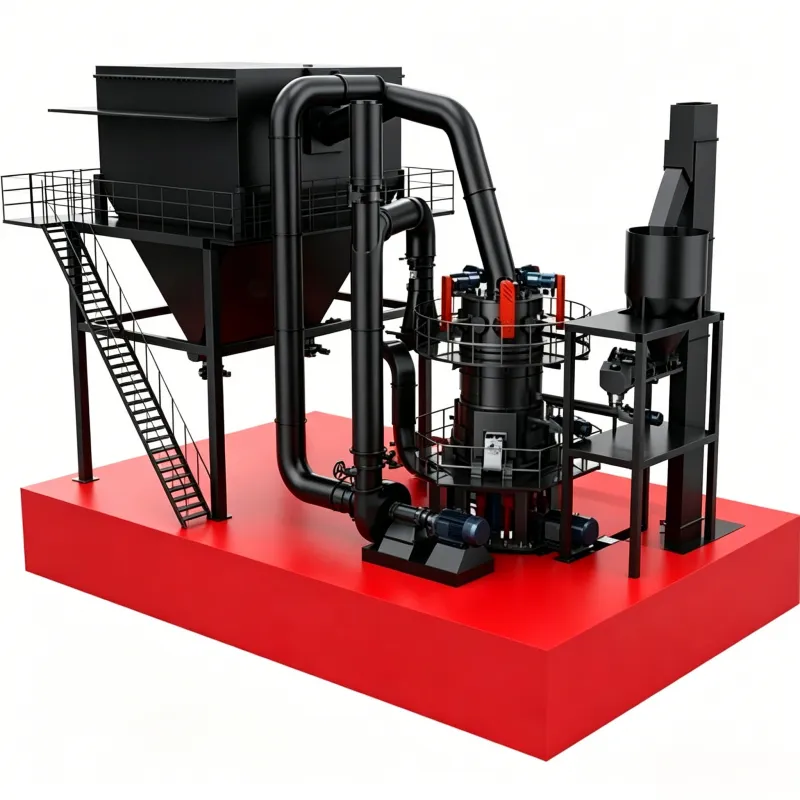
Molienda ultrafina. Esta máquina es un molino de rodillos ultrafino de alta presión de tipo cerrado,…


Many older mineral processing plants want to improve their automation level, but with limited budgets, it is impossible to replace all equipment at once. The key to upgrading is not “the more equipment, the better,” but rather solving the problems that affect production stability, manual operations, and safe operation first.
1. Prioritize the grinding-classification system
Parameters such as mill feed rate, pulp density, and cyclone pressure directly affect grinding fineness and subsequent flotation. The first step can be to improve instrument detection, feed regulation, and monitoring of key parameters to reduce fluctuations caused by manual operations.
2. Next, consider the flotation reagent dosing system
If there are problems on site such as manual reagent dosing, unstable reagent dosage, or difficulty in tracking reagent consumption, priority can be given to upgrading metering pumps, flow detection, and quantitative dosing control.
3. Then, consider key pumps and the water system
The operating status of slurry pumps, process water pumps, and related pipelines affects production continuity. Level, pressure, and flow detection, as well as interlock control, can be configured according to process requirements.
4. Finally, gradually improve centralized monitoring
After the control of key equipment is stabilized, PLCs, touch screens, or DCSs can be gradually integrated to achieve equipment status monitoring, alarm recording, and trend analysis of production parameters.
 English English
 Spanish
 Russian
 Arabic
 Swahili
 French
 Turkish
 Portuguese
 Korean
 Japanese
 German
 Italian