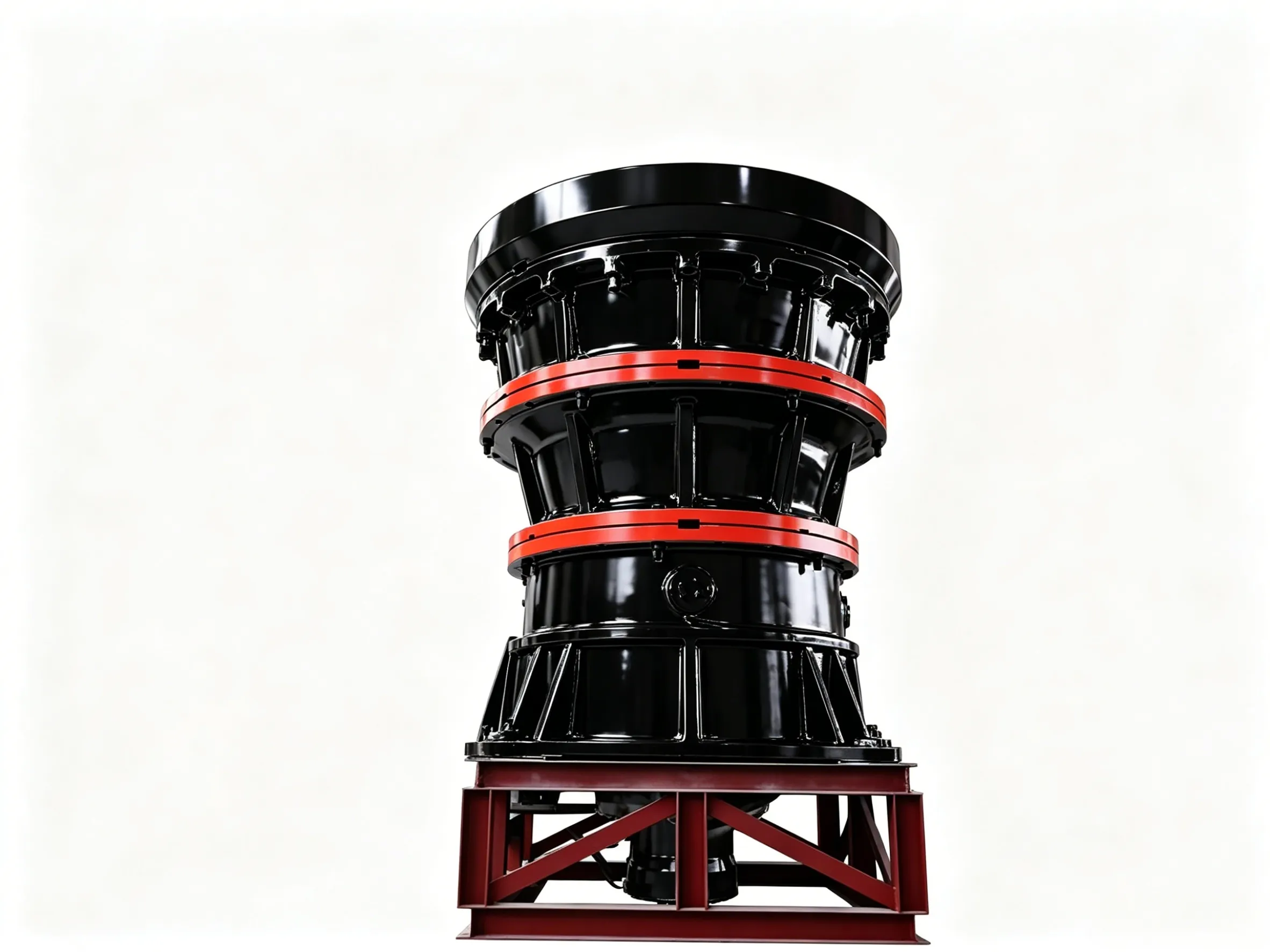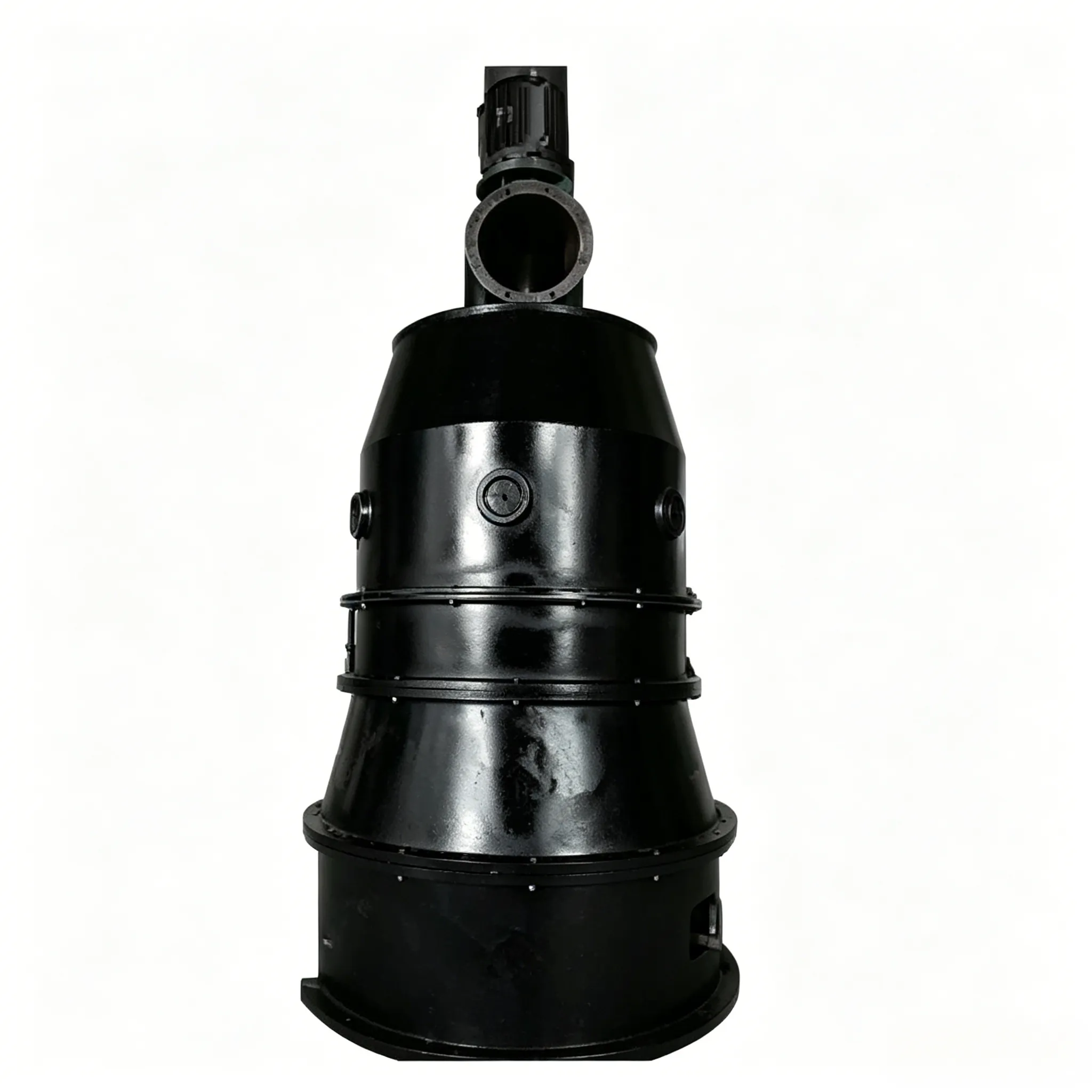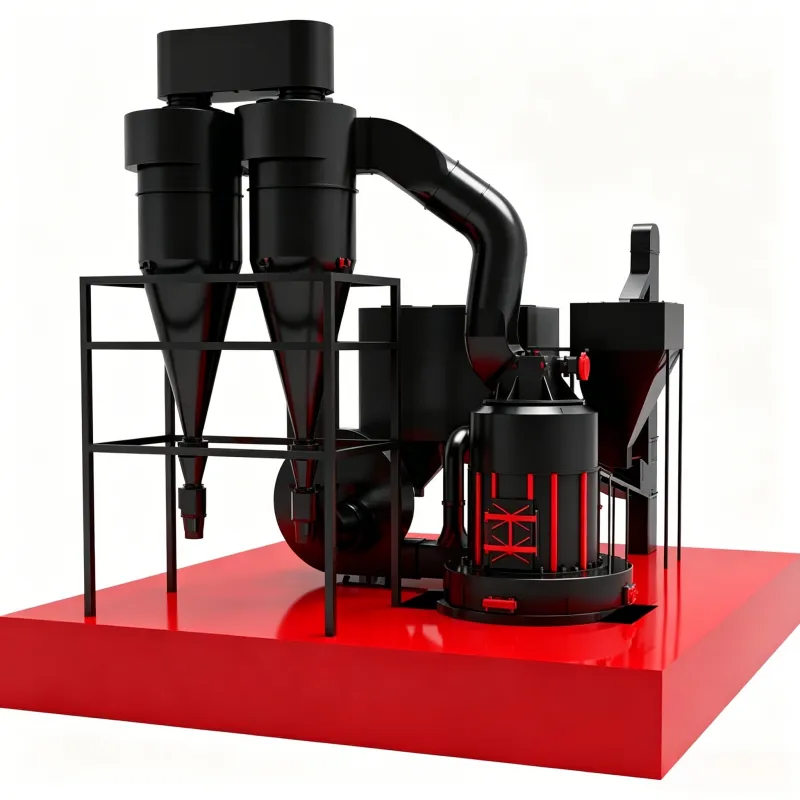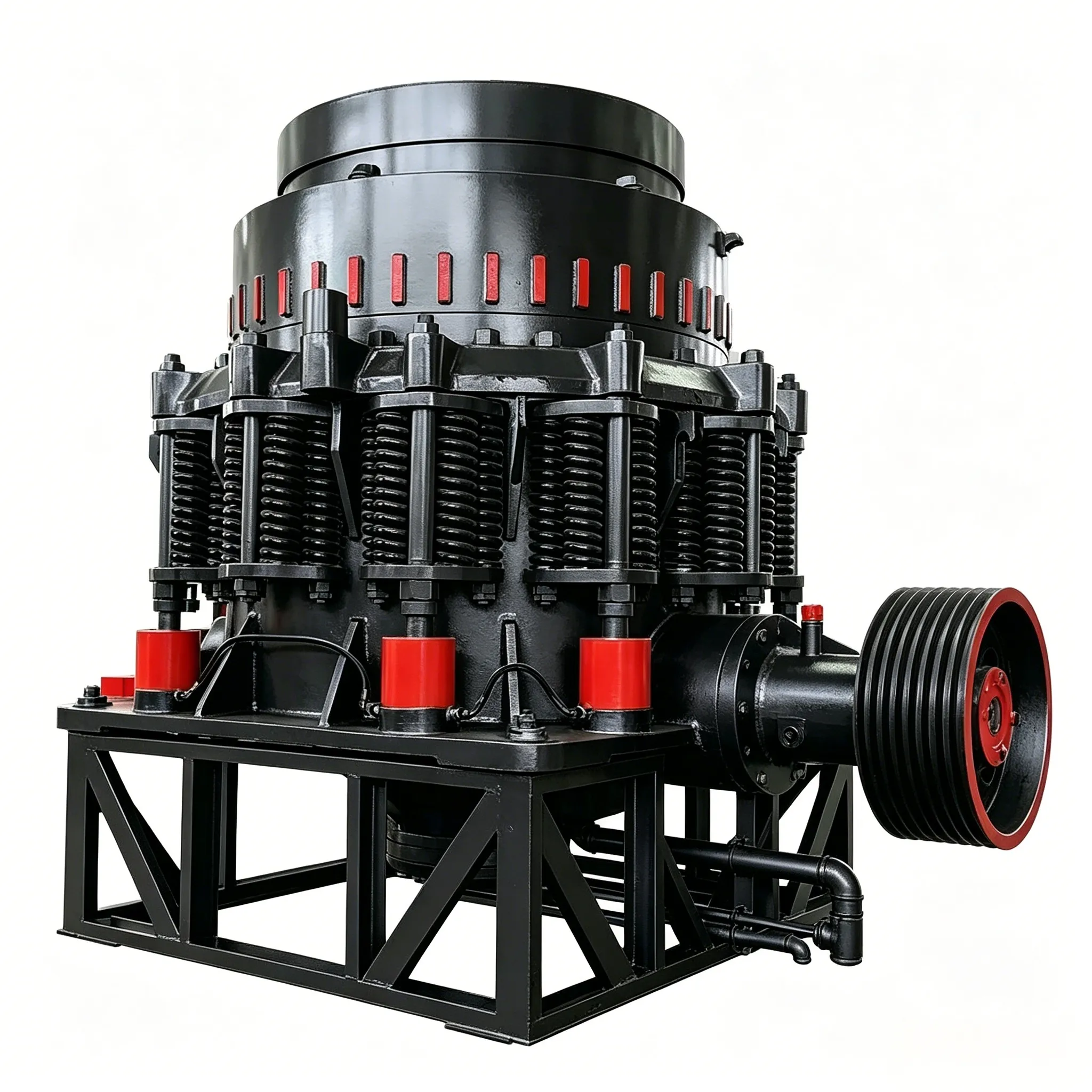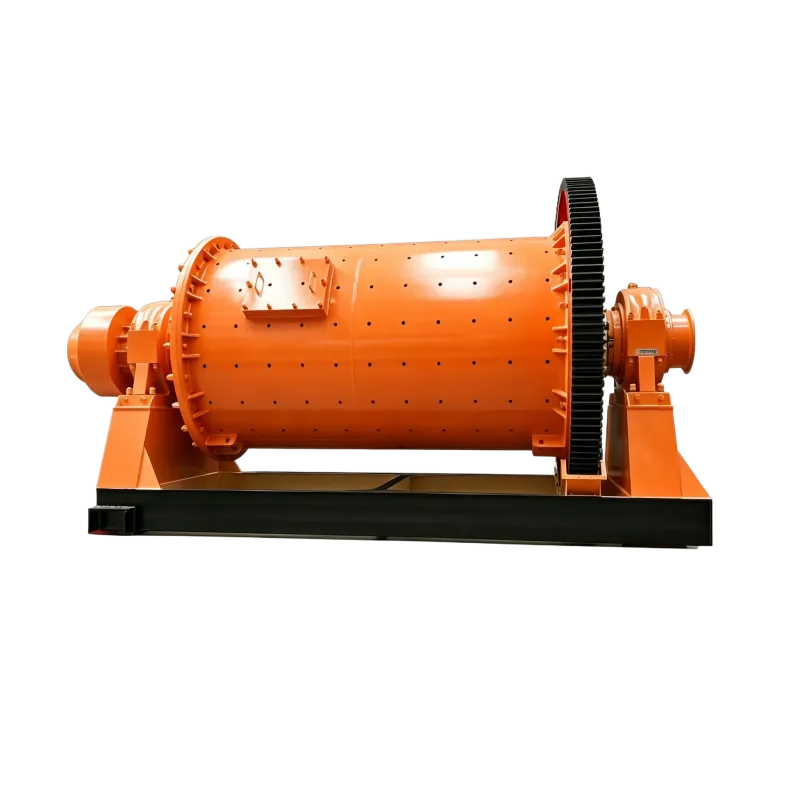
Grate Discharge Ball Mill
Construction of a Grate Discharge Ball Mill The difference between a grate…

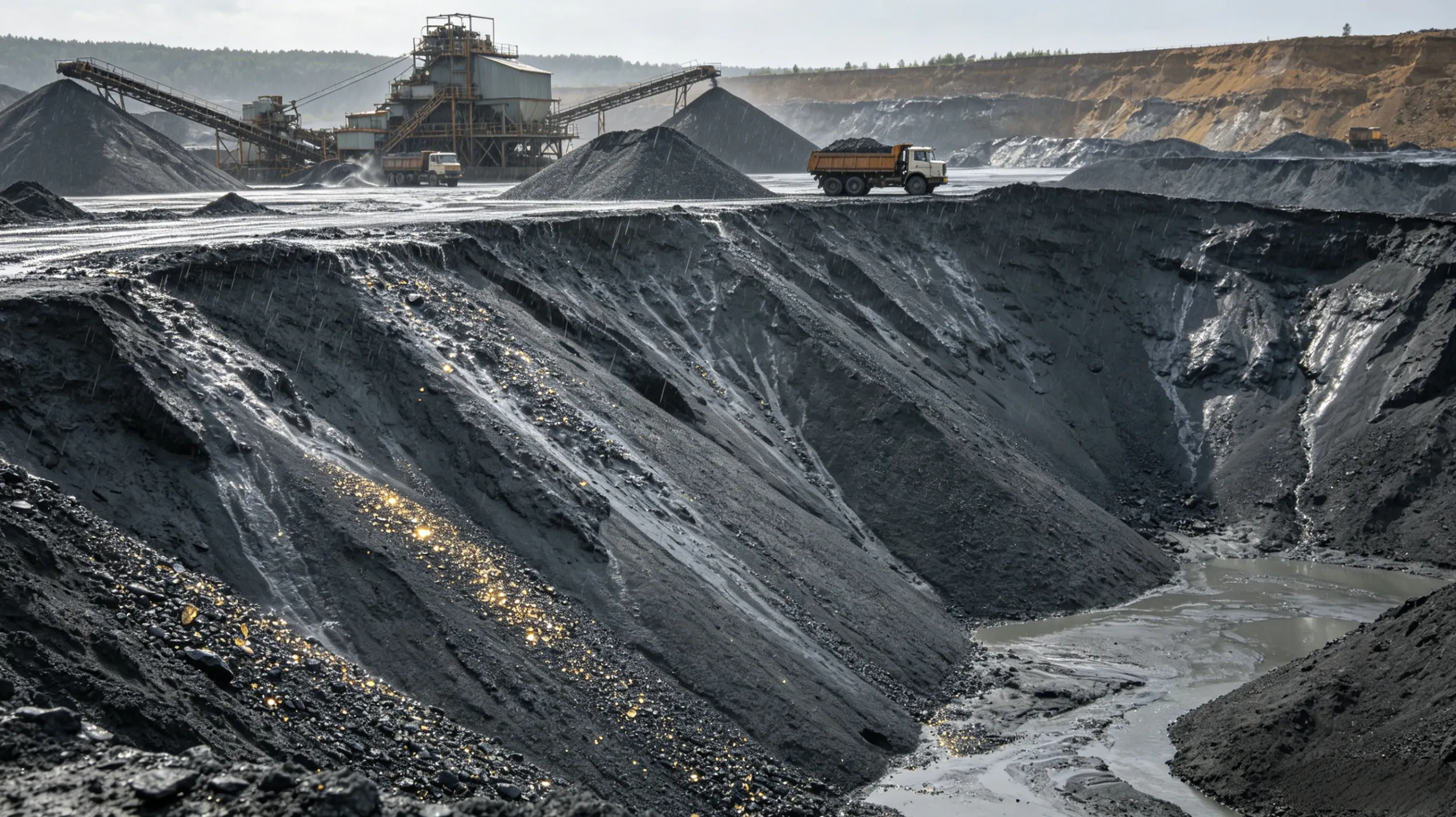
The calcareous brick plant of the Xihuashan Tungsten Mine was built in 1989 and put into batch production in 1990. Using tailings and lime to produce calcareous bricks, the plant produces 10 million bricks annually.
Calcareous bricks, also known as sand-lime bricks, are mainly made from tailings and lime.
The tailings are produced by the Xihuashan Tungsten Mine. Their chemical composition and particle size distribution are shown in Tables 5-9 and 5-10. Tailings account for more than 80% of the calcareous brick mass. The mass fraction of SiO₂ in the tailings must be greater than 65%. In addition, the tailings must not contain agglomerated clay lumps; the content of uniformly dispersed fine clay should be less than 10%. The content of water-soluble potassium and sodium oxides must not exceed 2%. The particle size requirements: 0.3–1.2 mm accounts for more than 65%, +1.2 mm less than 5%, and -0.15 mm less than 30%. Moreover, the tailings must not contain any impurities such as pebbles, slag, grass roots, bark, etc.
Table 5-9 Particle size composition of tailings
| Mesh size | 10 | 20 | 40 | 60 | 80 | 100 | 160 | 200 | -200 |
|---|---|---|---|---|---|---|---|---|---|
| Mass fraction/% | 2.05 | 26.15 | 21.82 | 14.77 | 7.65 | 6.42 | 7.12 | 4.54 | 9.48 |
| Cumulative/% | 2.05 | 28.2 | 50.02 | 64.79 | 72.44 | 78.68 | 85.98 | 90.52 | 100.0 |
Table 5-10 Chemical composition of tailings
| Element | WO₃ | Mo | Bi | Fe | Mn | CaF₂ | CaO | K₂O | Na₂O | SiO₂ | As | S | Sn |
|---|---|---|---|---|---|---|---|---|---|---|---|---|---|
| Mass fraction/% | 0.04 | 0.01 | 0.01 | 1.69 | 0.09 | 0.53 | 0.53 | 3.14 | 1.88 | 71.16 | 0.01 | 0.108 | 0.004 |
Lime must be fresh (lump) quicklime, with an available CaO content greater than 65% and a low magnesium content (MgO less than 5%). Ideally, overburned lime should be less than 5% and underburned lime less than 15%. The fineness requirement: 95% passing 0.097 mm.
After crushing, the lime is mixed with cleaned tailings, water is added, and the mixture is stirred, then stored in a silo for slaking, pressed into shapes, and finally steam-cured to become finished products.
During the mixing of lime and sand, to achieve uniform dispersion and contact between lime and sand, mechanical mixing should be used to expand the contact surface between lime and sand. Water addition should be controlled to allow thorough slaking of lime and generate as many hydrated products as possible. The theoretical water addition is 33.13% of the available CaO content. When slaking in an open container, the actual water addition is 1–2 times the theoretical amount. The mixing and slaking time is generally within 30 minutes, and the temperature should be controlled above 55 °C.
Brick pressing is an important step for ensuring calcareous brick quality. The bricks are formed by semi-dry pressing with a moisture content of only 8%–10%. To ensure a brick weight of 2.75–2.89 kg per piece, the ultimate molding pressure must reach at least 20 MPa, with a filling depth of 80–85 mm. The finished product dimensions are 240 mm × 115 mm × 53 mm.
For autoclave curing, saturated steam at 0.8 MPa is generally used for 6 hours.
After testing, all indicators of the finished product meet the national Grade 150 standard brick requirements and comply with the national building material radiological health protection standards, making them suitable for general use in the construction industry.