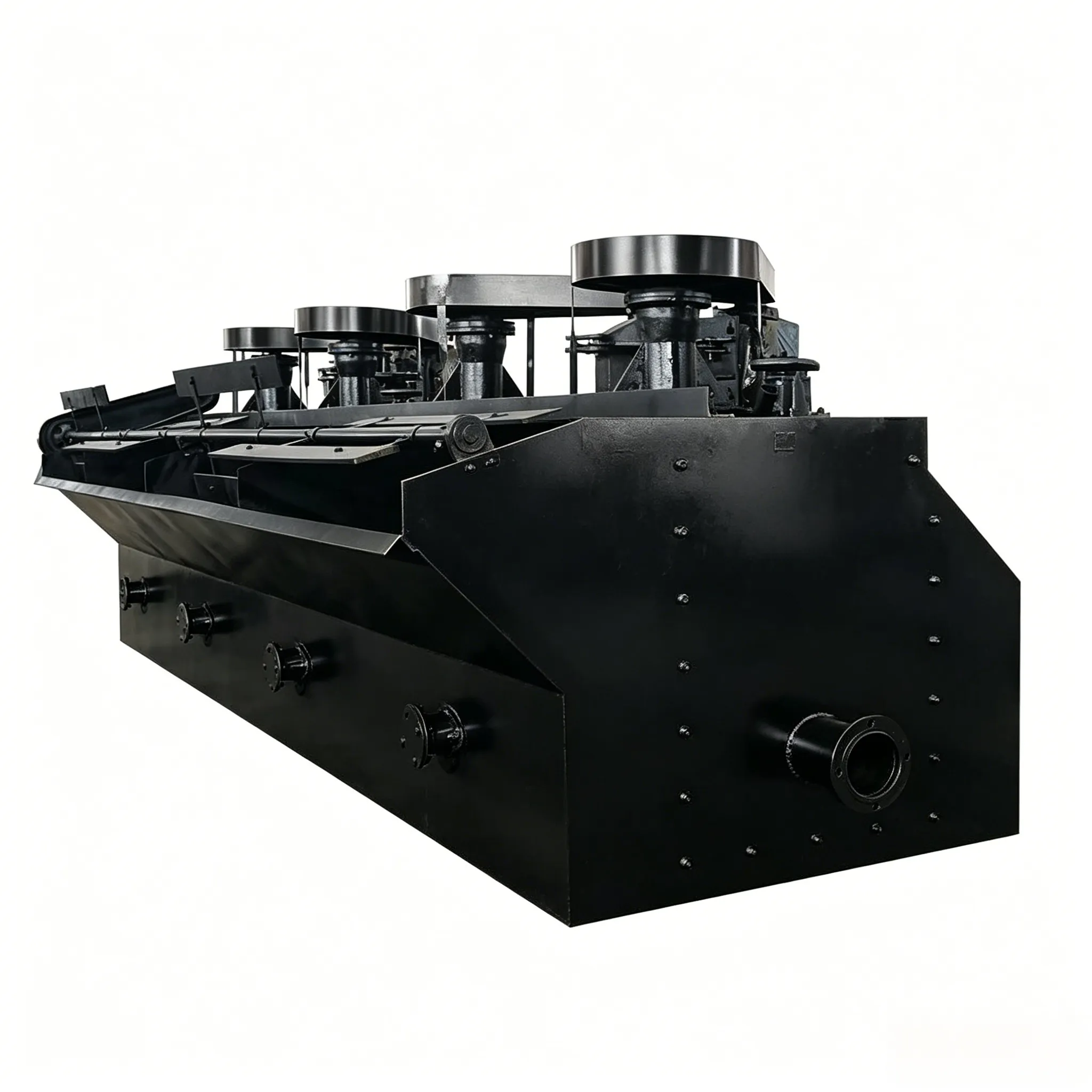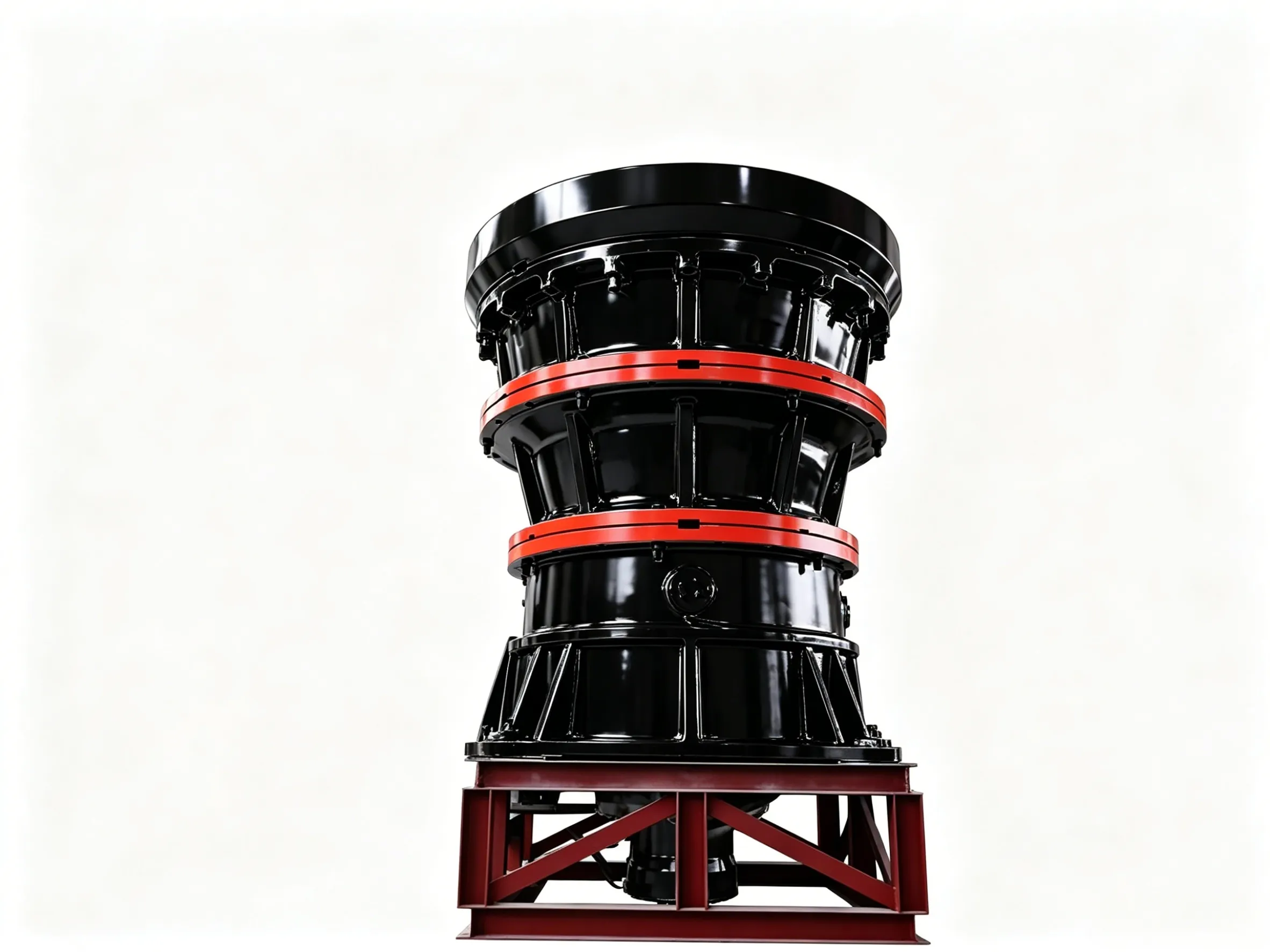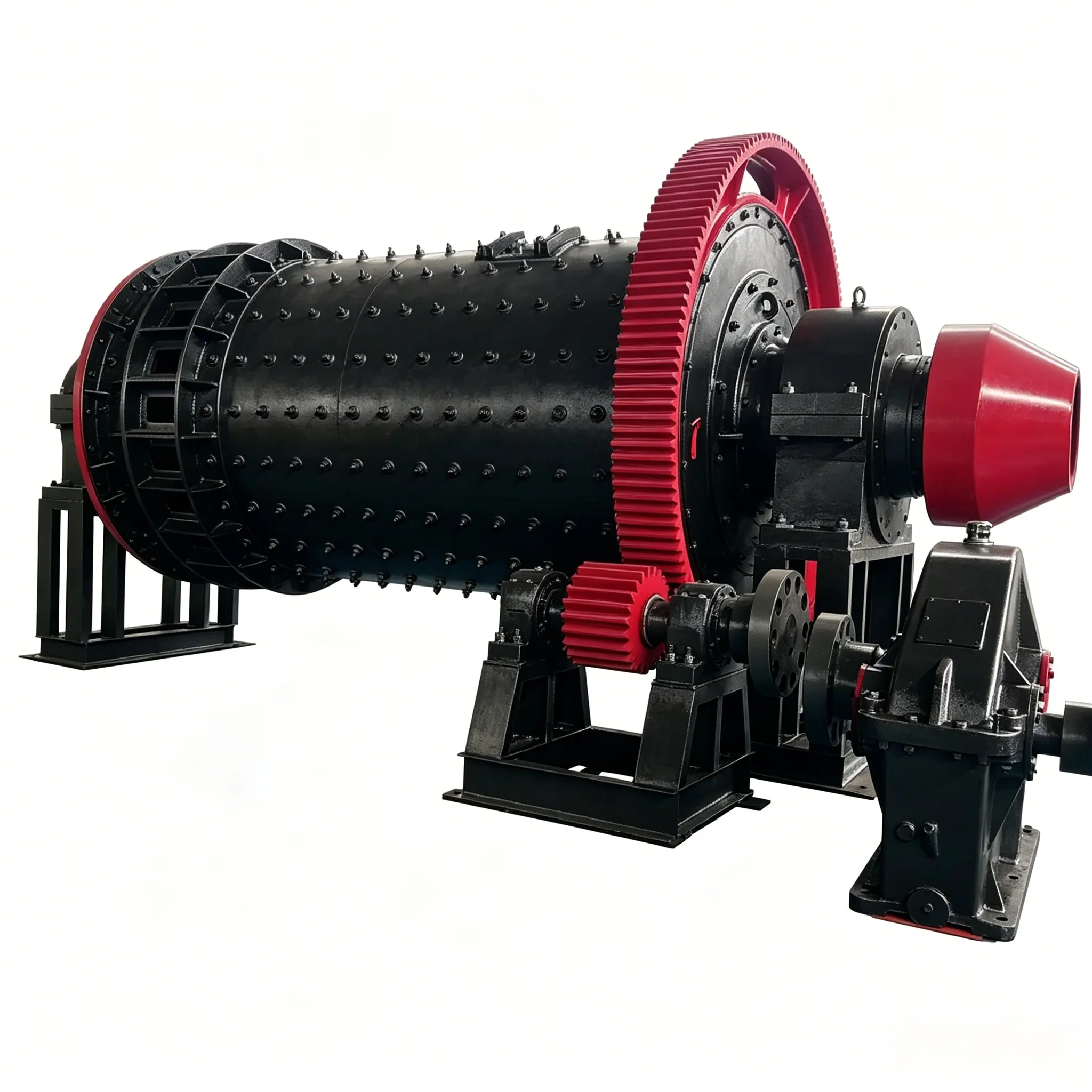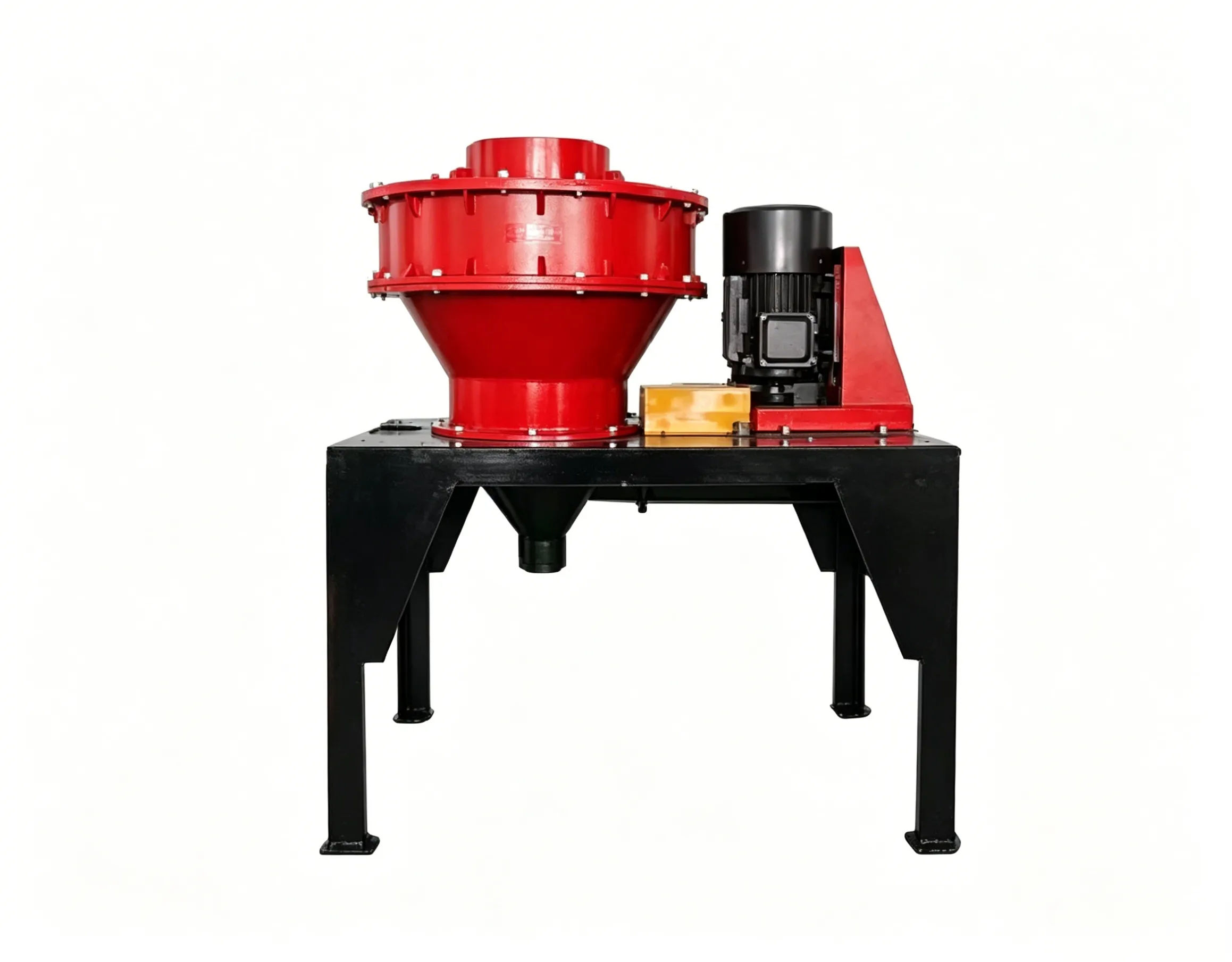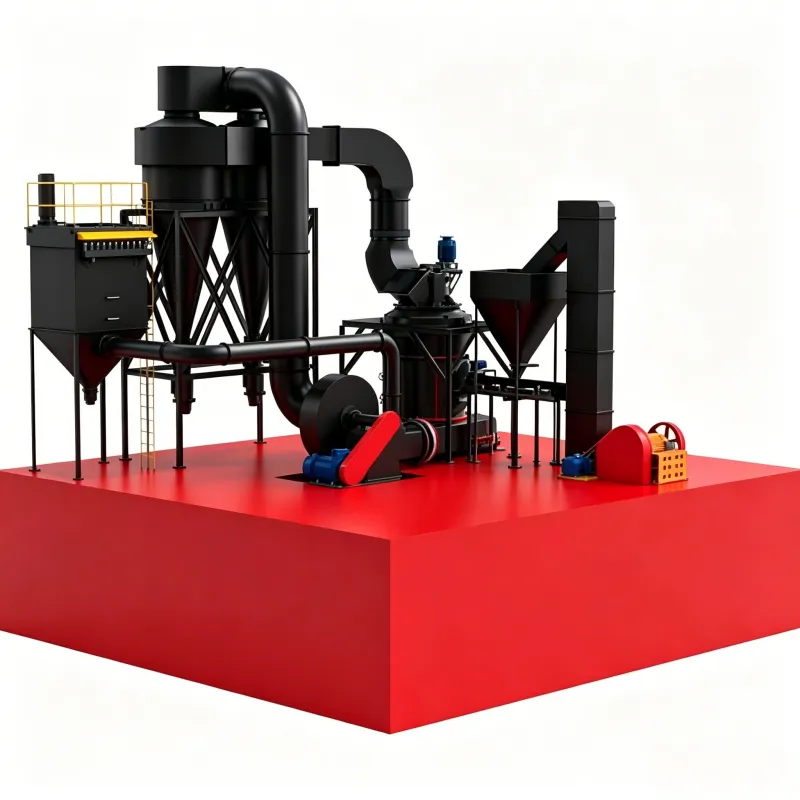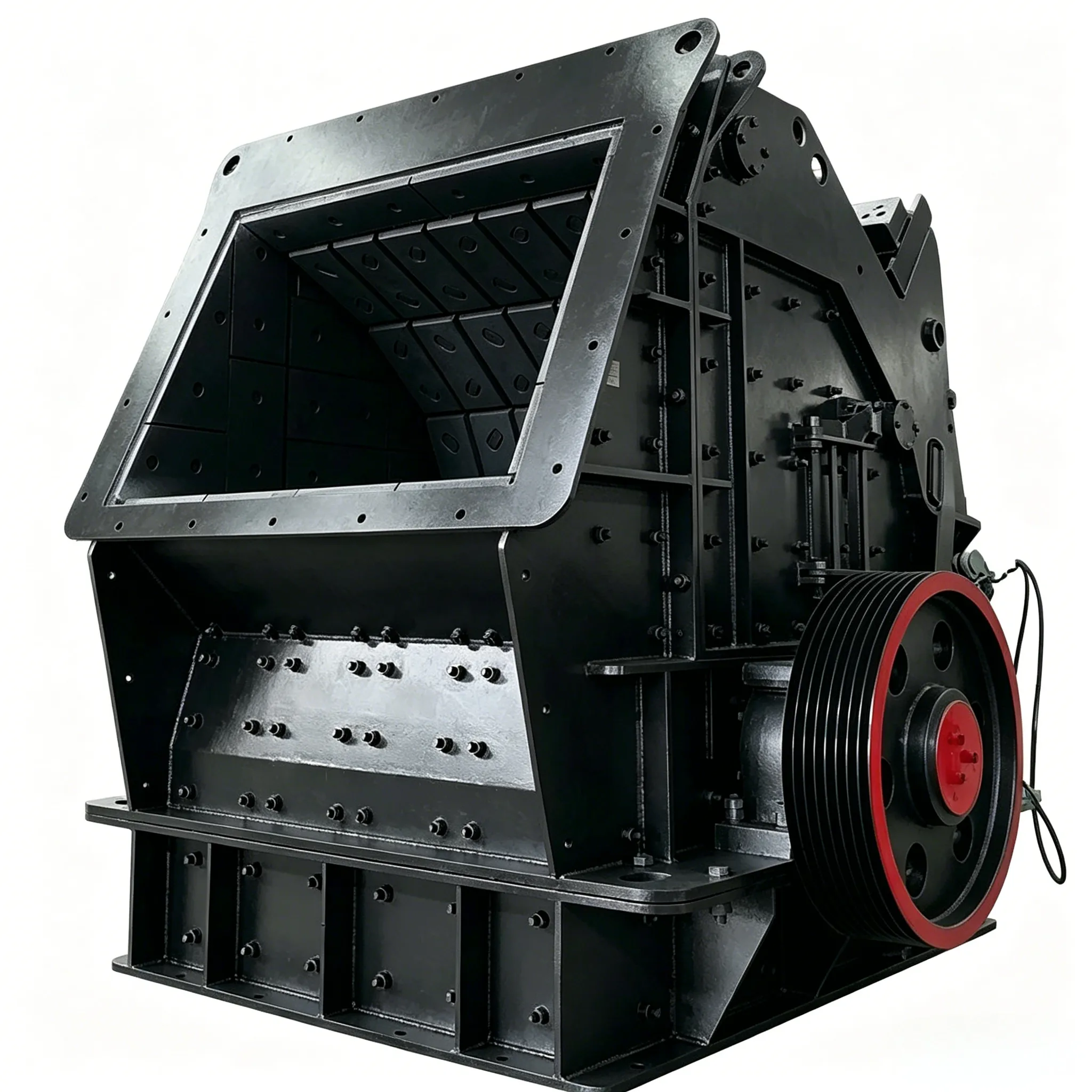
Impact crusher
Types of impact crushers Impact crusher is a device that uses impact…

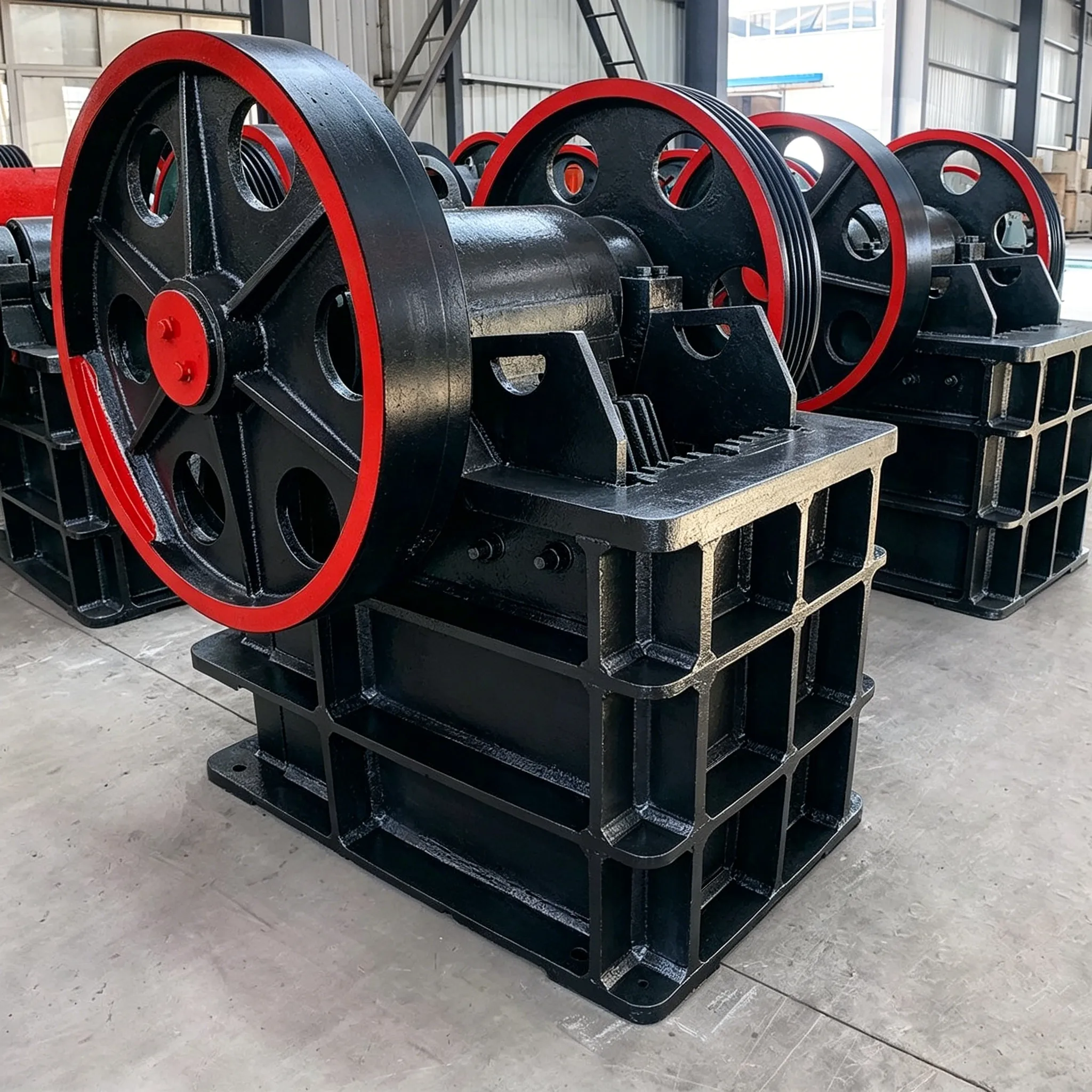
Operating Method
Jaw crushers operate under extremely harsh working conditions. Therefore, proper operation is essential to ensure normal operation and to increase the machine’s productivity.
Before starting the crusher, check whether there are any ores or foreign materials in the crushing chamber. If any ores or foreign materials are present, they must be cleaned out before starting to ensure the crusher starts under no-load conditions.
A bell or signal must be used to give advance warning before starting.
When starting the crusher, first start the oil pump motor and check whether the oil pressure and oil flow indicator are normal; then start the main motor.
For some crushers where the motor starting capacity is less than the crusher’s requirement, the flywheel can be turned by a crane through a certain angle to position the connecting rod for easy starting (with the eccentric shaft’s eccentricity at the top).
After starting, it takes some time to reach normal rotational speed; therefore, the plant’s operating instructions should specify the starting time of the crusher. Only after the machine has started and there are no abnormal noises or knocking sounds may feeding begin. Feeding shall be uniform, and overloading should be avoided as much as possible.
During crusher operation, frequent attention shall be paid to large boulders blocking the feed opening. If a blockage occurs, use an iron hook to turn the boulder to clear it. If there is too much ore or the crushing chamber becomes blocked, stop the feeder and restart it only after the ore has been crushed. It is absolutely forbidden to remove ores from the crushing chamber by hand or to manually arrange ores. If a large boulder needs to be removed, it shall be done after stopping the crusher, using special tools.
During normal operation of the jaw crusher, frequent checks shall be made to ensure that lubrication at all lubrication points is adequate. Pay attention to bearing temperatures. In particular, the temperature of the eccentric bearings must not exceed 60°C. Regularly observe the oil temperature gauge or check the temperature rise by feeling the bearings by hand. If the oil temperature exceeds the allowable range, stop the crusher, inspect to find the cause, and eliminate it.
If an emergency stop occurs while the crushing chamber is full of ore, the ore in the crushing chamber must be cleared before restarting.
When the discharge opening increases due to wear, it shall be adjusted in a timely manner so that the crushed product meets the required particle size. Adjustment of the discharge opening shall be carried out within the range specified in the crusher’s instruction manual.
The size of the discharge opening refers to the distance from the crest of one crushing plate to the corresponding trough of the opposite crushing plate. For ease of measurement, a gauge can be made to the required discharge opening size and used for measurement.