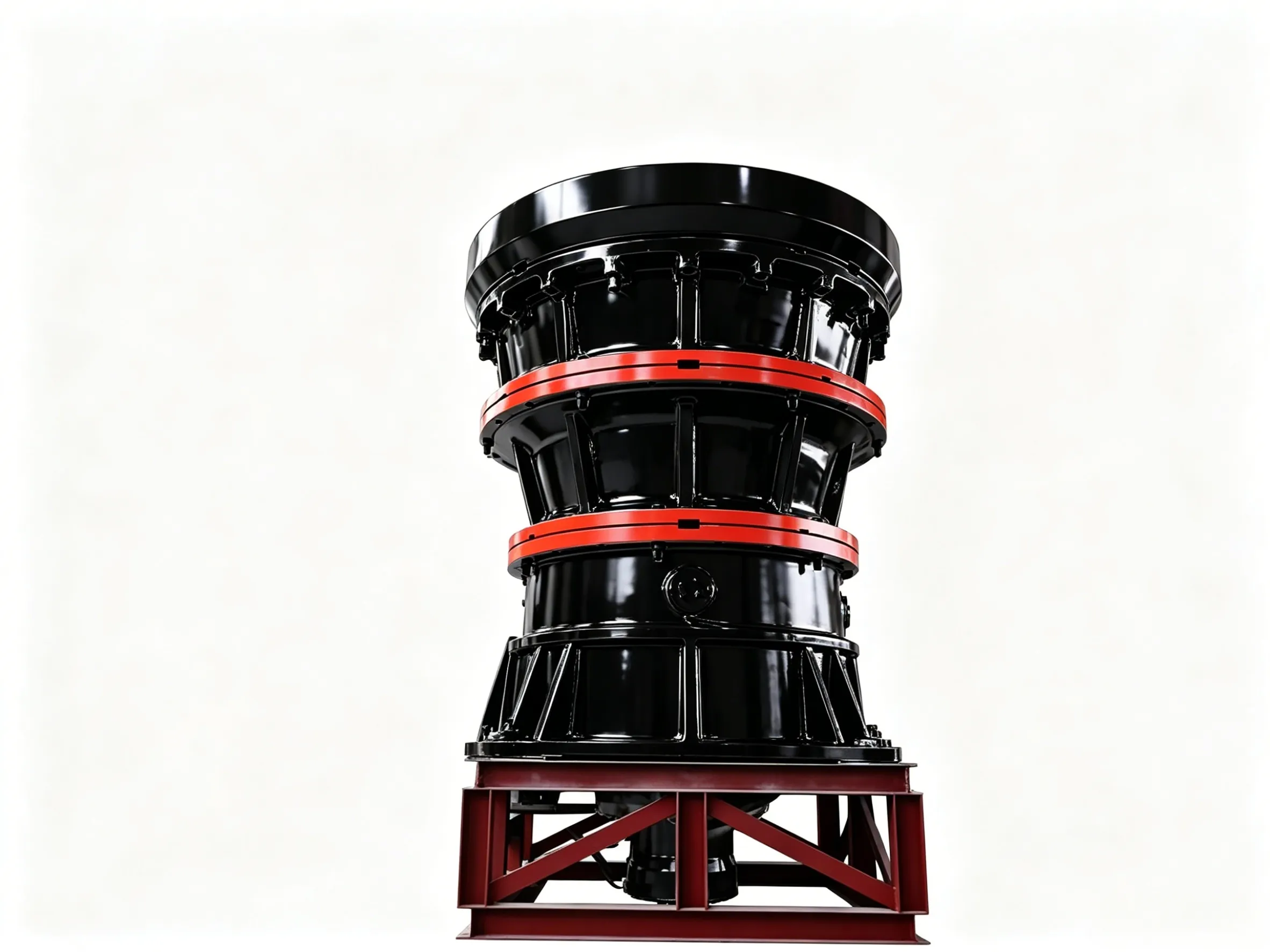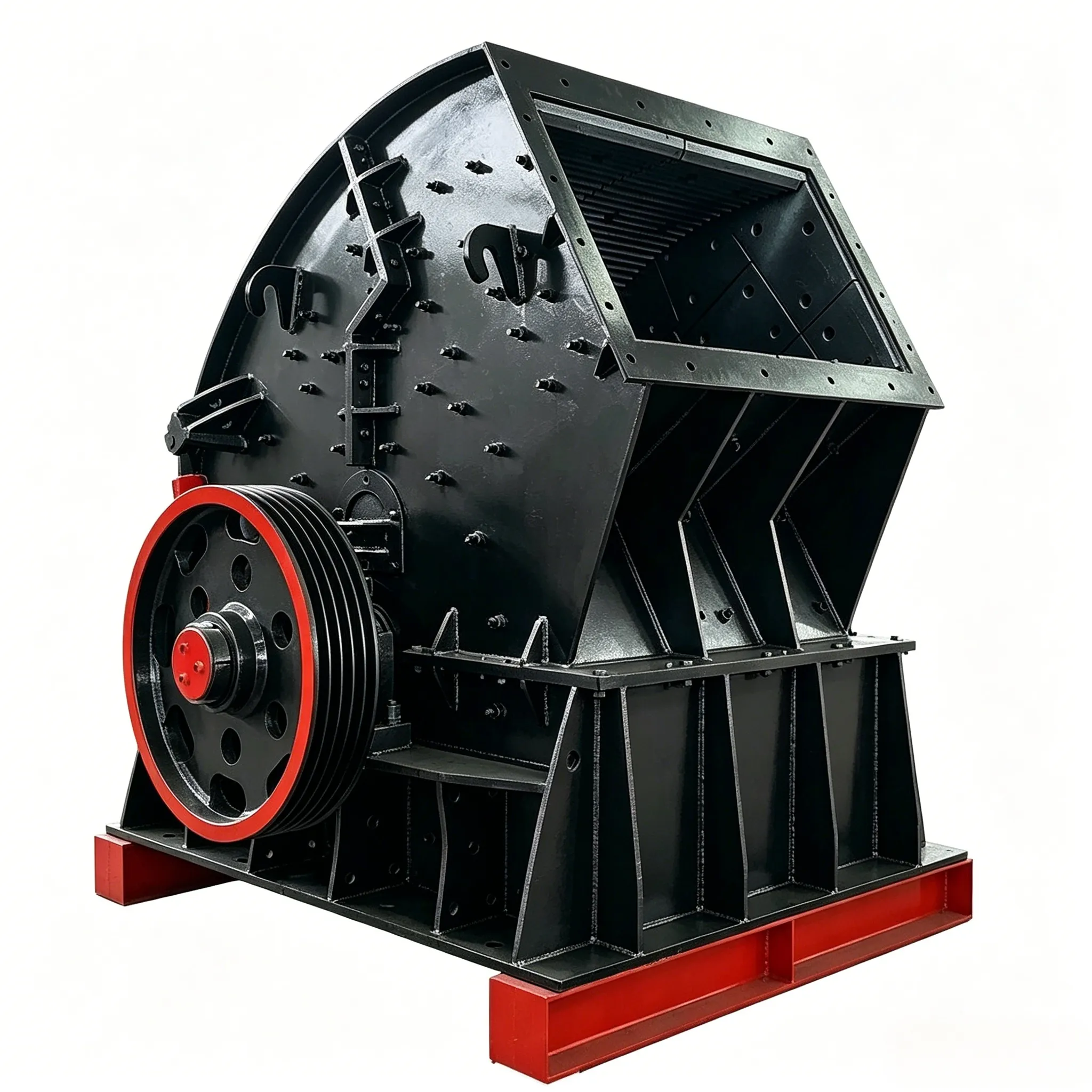
Hammer Crushers
Types of Hammer Crushers Since its introduction in 1924, the hammer crusher…

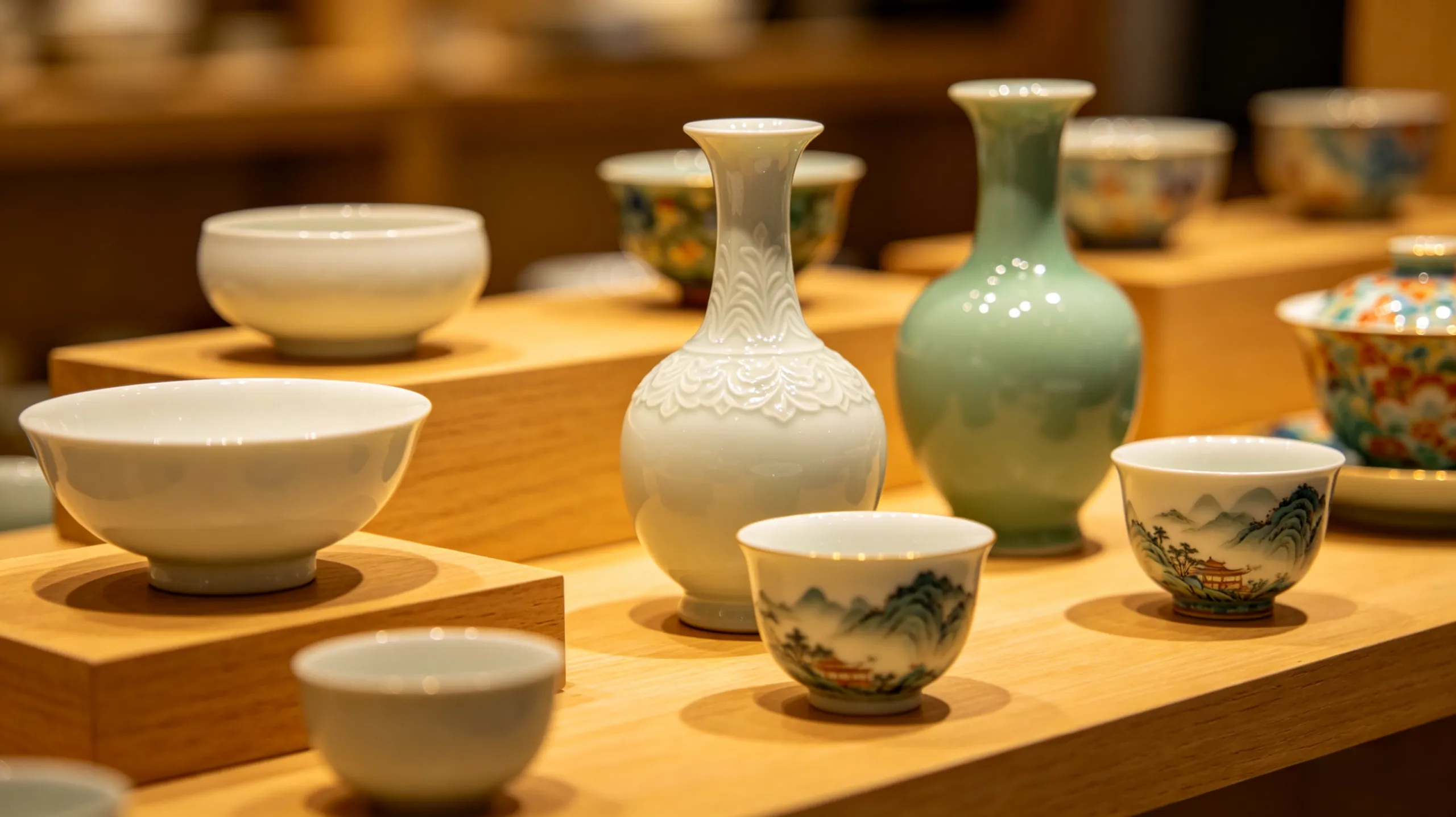
According to relevant sources, the chemical composition of ceramic bisque is as follows: SiO₂ 59.57%–72.5%, Al₂O₃ 21.5%–32.53%, CaO 0.18%–1.98%, MgO 1.16%–1.89%, Fe₂O₃ 0.11%–1.11%, TiO₂ 0.01%–0.11%, K₂O 1.21%–3.78%, Na₂O 0.47%–2.04%. There are many types of building ceramics, which can be divided into calcareous ceramics and magnesian ceramics based on their chemical composition. Since the common rock-forming minerals that make up tailings generally possess the basic conditions for use as lean materials or fluxing materials in ceramic bodies, ceramics with good performance can be produced through reasonable design tailored to different production processes and products.
The former Southern Institute of Metallurgy (now Jiangxi University of Science and Technology) conducted experiments on making ceramics using rare earth tailings mixed with tungsten tailings. The tungsten tailings used came from a tailings pond in southern Jiangxi Province. The proportion of tungsten metal minerals in the tailings is very small; the majority are non-metallic minerals, mainly quartz and feldspar, as well as fluorite, garnet, etc., with a high mass fraction of SiO₂. The rare earth tailings used were from the southern Jiangxi region, with high mass fractions of SiO₂ and Al₂O₃. The main chemical compositions of the two tailings are shown in Table 5-13 and Table 5-14, respectively.
Table 5-13 Main chemical composition of a certain tungsten tailing (%)
| Chemical component | SiO₂ | Al₂O₃ | Fe₂O₃ | MnO | MgO | CaO | K₂O | Na₂O | TiO₂ | P₂O₅ | S |
|---|---|---|---|---|---|---|---|---|---|---|---|
| Mass fraction | 83.51 | 5.46 | 1.54 | 0.93 | 0.23 | 1.55 | 0.34 | 0.30 | 0.05 | 0.29 | 0.79 |
Table 5-14 Main chemical composition of a certain rare earth tailing (%)
| Chemical component | SiO₂ | Al₂O₃ | Fe₂O₃ | MgO | CaO | K₂O | Na₂O | TiO₂ |
|---|---|---|---|---|---|---|---|---|
| Mass fraction | 49.6 | 30.96 | 2.85 | 0.7 | — | 3.77 | 0.18 | 0.20 |
The data in Tables 5-13 and 5-14 show that the chemical composition of the tailings is very similar to that of ceramic bisque, so they can be processed into ceramic raw materials with excellent performance.
Formulation experiments indicate that a mix of 65%–70% rare earth tailings and 35%–30% tungsten tailings is optimal.
The production process is shown in Figure 5-9.

Figure 5-9 Production process
The firing temperature in the process is 1100–1130°C, with a firing success rate exceeding 90%. The resulting ceramic bisque products have a smooth surface, strong glassy luster, a dark red color, a crisp sound, and high strength. This process fully utilizes the compositional complementarity between tungsten tailings and rare earth tailings, as well as the coloring effect of certain elements in the rare earth tailings, achieving a high firing success rate. This technology provides an effective pathway for the development and utilization of tailings.
Chen Ruiwen and others from the Fujian Provincial Ceramic Industry Technology Development Base conducted research on the production of kiln-change glaze ceramics using tailings from the Shuangqishan Gold Mine in Fujian Province. The core technologies for producing color-glazed ceramics from gold tailings are the formulation of the color glaze and the production process. The raw materials for the ceramic color glaze are primarily refined gold tailings (with mass fractions: feldspar 36%–37%, kaolin 15%–17%, quartz 24%–26%, dolomite 14%–16%, iron oxide 5%–6%), supplemented with appropriate amounts of color-developing minerals (such as Fe₂O₃, MnO₂), or directly using the original trace elements in the minerals such as iron oxide, manganese ilmenite, gold, silver, tungsten, etc., as coloring (color-developing) agents. To ensure the stability of the physical properties of the body, glaze, and slurry, auxiliary raw materials such as Yong’an clay, Dapingshan porcelain clay elutriated mud, and Zhangzhou black mud are used. The mass ratio of metal oxide raw materials in every 100 parts by weight of color glaze is: Fe₂O₃ 4–6.5, K₂O+Na₂O 3–5, CaO+MgO 7–11. The addition amount of tailings in the body can reach 20%–30%, and even 50%–85% in the glaze. The firing temperature range is 1100–1250°C, and different firing atmospheres produce different glaze surface effects.
(1) Body process flow: Gold tailings screening → aging → batching → wet ball milling → sieving → iron removal → entering slurry tank → double-diaphragm slurry pump → sieving → iron removal → aging → slip casting → drying and trimming (standby).
(2) Glaze process flow: Gold tailings screening (325 mesh) → aging → batching → ball milling → sieving → glazing → firing → finished product.
(3) Body process parameters: Slurry fineness: residue on 200-mesh sieve (0.074 mm) 1.0%–1.8%; total shrinkage (drying + firing) 12.5%–13.5%; dry strength 2.45 MPa.
(4) Glaze slurry process parameters: Glaze slurry fineness: residue on 200-mesh sieve 0.05%–0.1%; relative density of glaze slurry 1.70–1.75; glazing methods: spray glazing and dip glazing; glaze firing temperature: 1210±10°C; glaze thickness: 0.7–1.0 mm.
(5) Firing schedule: Firing is carried out in a wide-section energy-saving tunnel kiln at a firing temperature of 1200–1230°C. Due to the presence of significant organic matter and carbonates in the raw materials, the heating rate in the early stage should be relatively slow. Near the melting temperature of the glaze, a longer holding time is required to ensure a high-gloss glaze surface.
The various kiln-change glaze ceramics developed using gold tailings exhibit rich and vibrant colors, with bright and smooth glaze surfaces, and can fully produce kiln-change glaze art ceramics of high artistic quality. Because gold tailings promote sintering, the firing temperature for kiln-change glaze ceramic products is reduced by 50–80°C compared to traditional methods, lowering the energy consumption of ceramic production and offering good economic and social benefits.