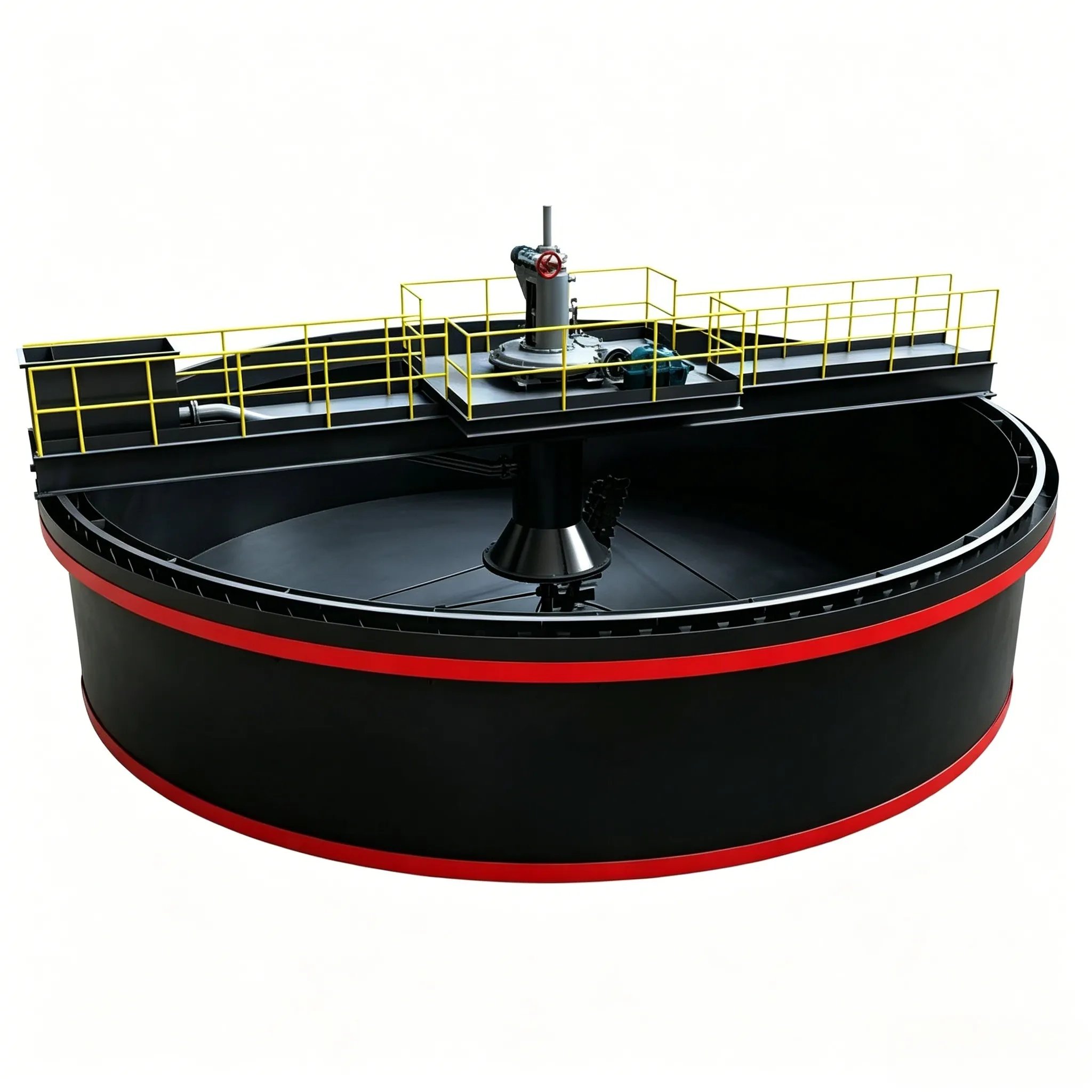
High-Efficiency Thickener
High-Efficiency Thickener The high-efficiency thickener is a new type of thickening equipment…

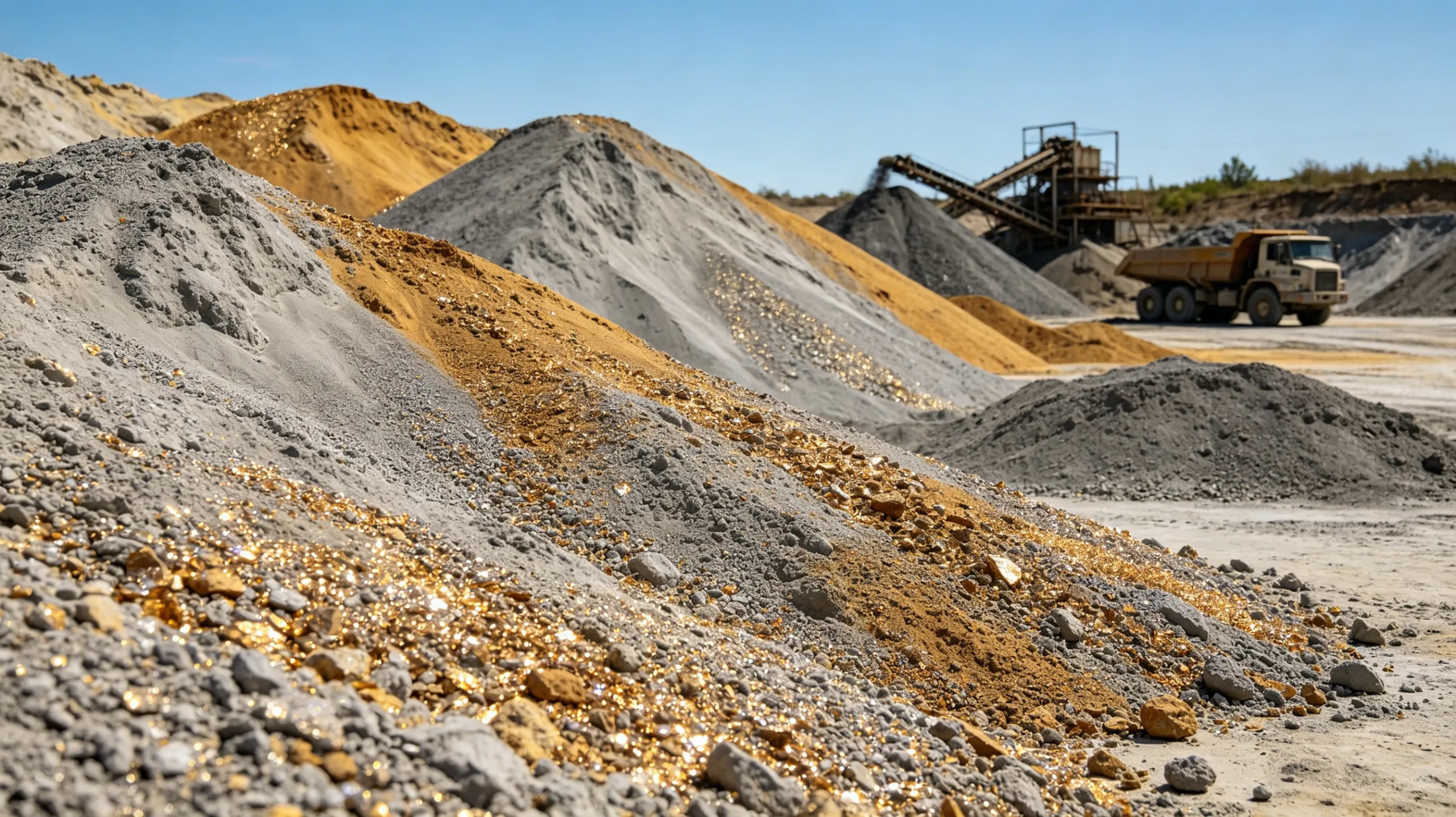
The Yueshan Copper Mine produces 75,000 tons of tailings annually. The copper tailings are fine sand composed of over ten minerals, primarily quartz. Technical analysis has shown that they have no comprehensive recovery value. The mine has conducted expanded experiments on using tailings to produce bricks and has achieved success.
A. Raw Material Properties
According to data from domestic sand-lime brick plants, the sand used generally has a mass fraction of SiO₂ not less than 65%, and the content of harmful components such as mica should not be too high. The main chemical composition of the mine’s tailings is: SiO₂ 60.43%, Al₂O₃ 14.27%, Fe₂O₃ 4.69%, CaO 6.22%, MgO 1.40%, K₂O 3.4%, Na₂O 3.86%, which basically meets the requirements for brick-making sand.
B. Production Process
Using tailings and lime as raw materials (with the possible addition of colorants and admixtures), the process includes raw material preparation, pressing and molding, and saturated steam curing.
The produced sand-lime bricks have passed inspections, meeting ministry standards. Based on appearance indicators, they are classified as first-grade bricks, and their technical specifications surpass those of fired clay bricks, indicating broad prospects for utilization.
Production of Steam-Cured Standard Bricks
Zhao Fengqing and his team at the University of Science and Technology Beijing used copper tailings, ground granulated blast furnace slag, and fly ash in the presence of an alkaline composite activator to produce load-bearing standard bricks through a hydrothermal curing process. The main raw materials used in the experiments were copper tailings from Chengde Copper Mining Company, slag, fly ash from nearby power plants, an activator, and crushed stone powder. The solid waste content in the raw material mix reached up to 95% of the total solid raw materials (with tailings accounting for 60%–70%). The experiments used a simulated brick formulation, with vibration molding in 40 mm × 40 mm × 160 mm molds. After 24 hours, the specimens were demolded and subjected to steam curing at 70°C for 6 hours. Subsequently, compressive strengths were measured after steam curing and after an additional 28 days of standard curing. An orthogonal experimental method was used to optimize process parameters. The resulting products achieved a compressive strength of 18.1 MPa and a flexural strength of 3.6 MPa, exhibiting good freeze-thaw resistance and stability.
This process uses low-activity (low-silica) tailings as raw material, employs alkali-activated fly ash-slag cementitious materials, and successfully produces qualified load-bearing standard bricks through a relatively low-temperature steam curing process, exploring a new path for the resource utilization of low-activity tailings.
 English English
  Spanish
 Russian
 Arabic
 Swahili
 French
 Turkish
 Portuguese
 Korean
 Japanese
 German
 Italian