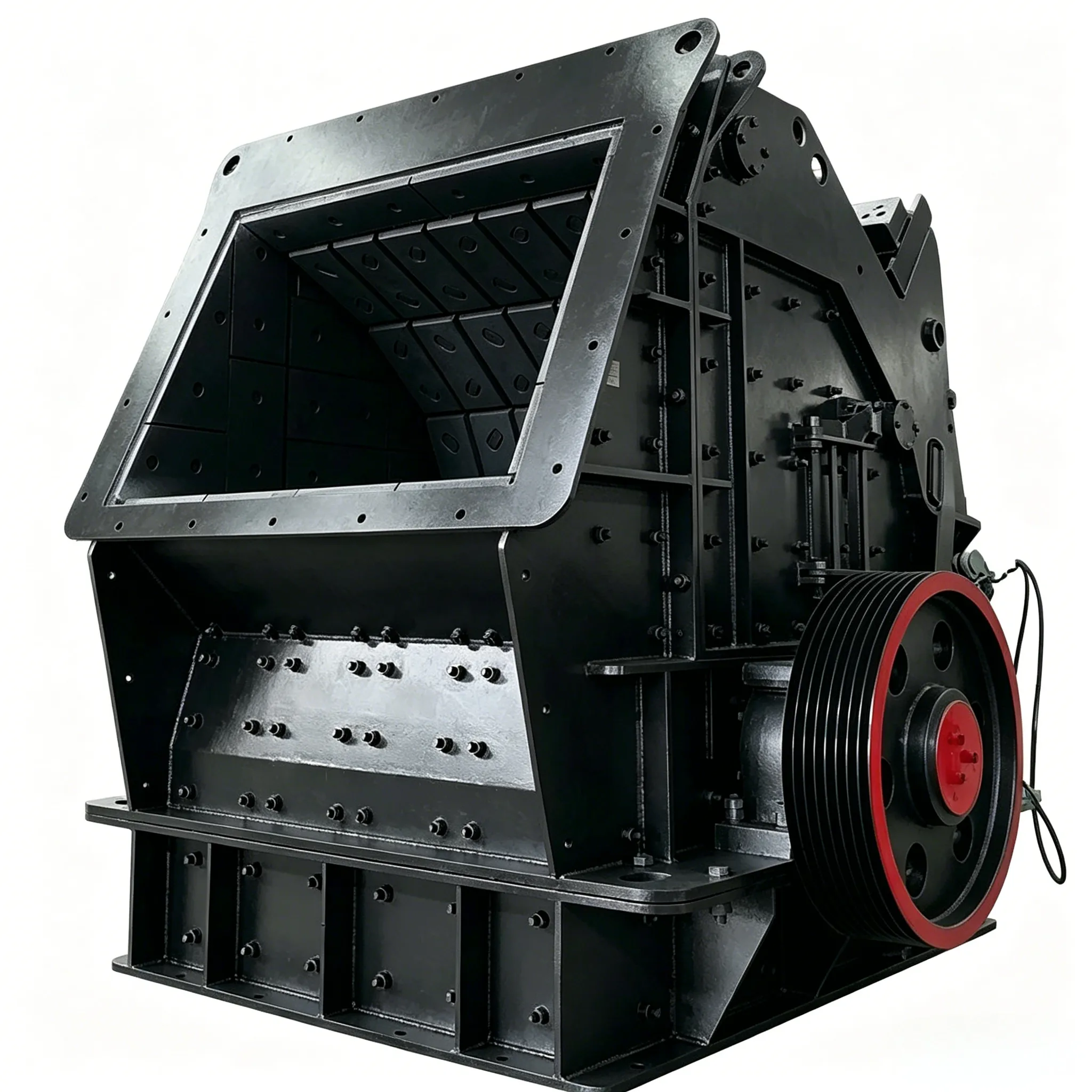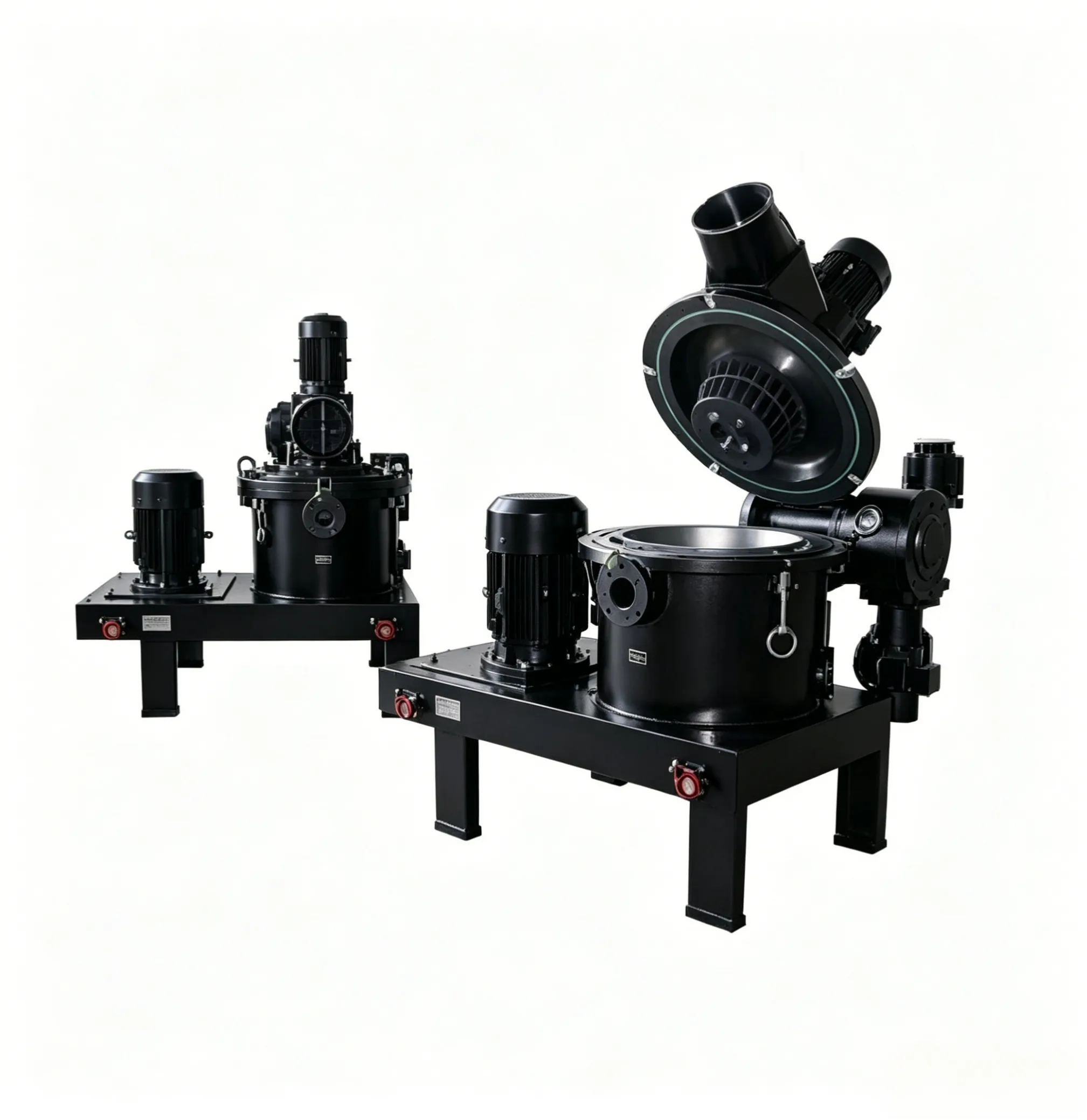
Trituradora mecánica SAM
Trituradora mecánica SAM. La trituradora mecánica SAM, que incorpora tecnología de Japón y Alemania,…

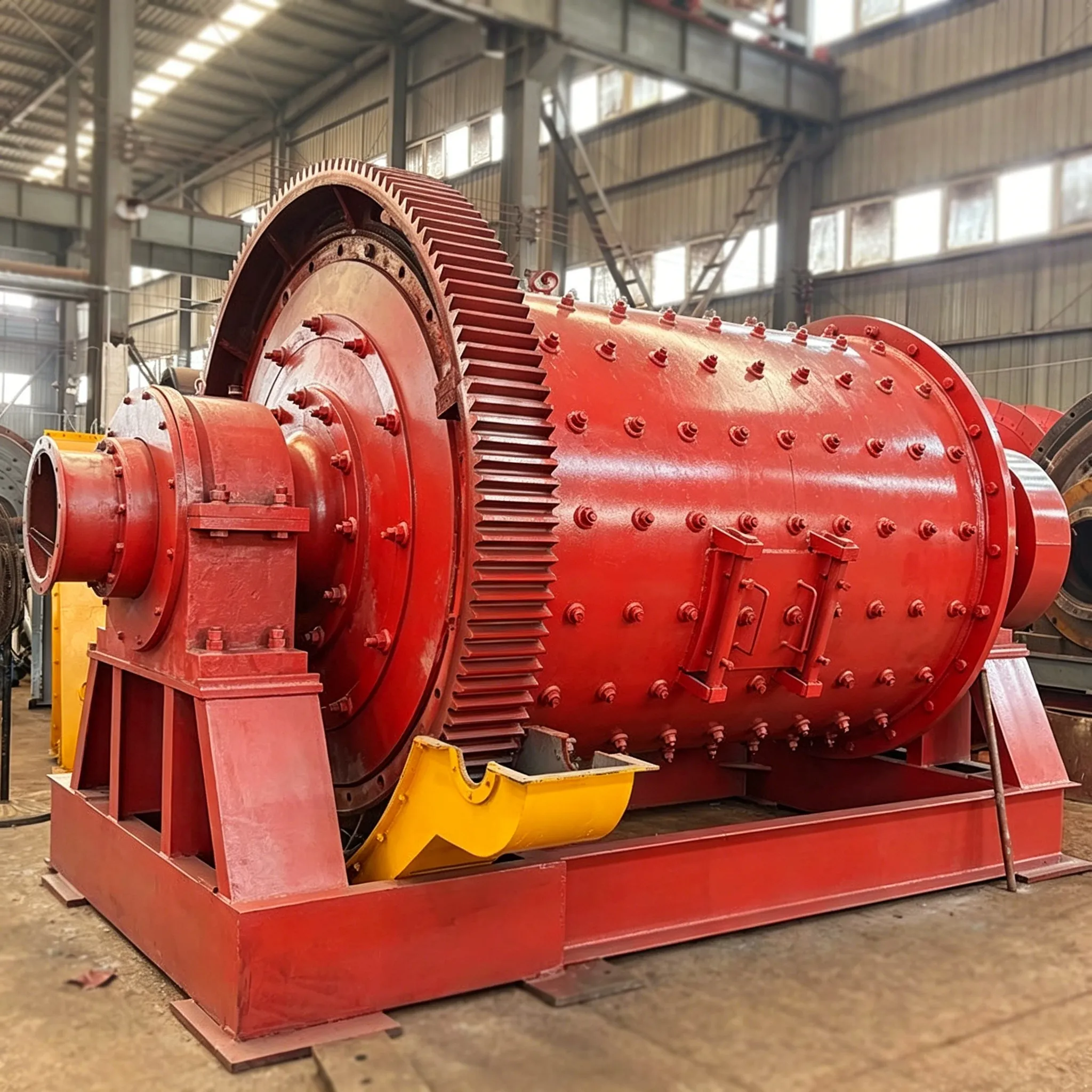
Ball mills are widely used grinding equipment in industries such as mining, metallurgy, building materials, and chemicals. Depending on whether a liquid medium is added during the grinding process, ball mills can be divided into two main types: dry and wet. The two types are similar in basic principles, but they differ significantly in practical application, equipment structure, energy consumption, environmental impact, and economy. Correctly choosing a dry or wet ball mill has an important influence on production efficiency, product quality, and operating costs. This article will elaborate on the differences between the two from multiple perspectives.
Wet ball mill: During operation, the material is added into the cylinder together with water (or a liquid medium such as anhydrous ethanol) in a certain proportion. The grinding media (steel balls) are lifted to a certain height by the rotation of the cylinder and then fall, impacting and grinding the material. Due to the presence of the liquid medium, the material takes on a slurry form with good fluidity and dispersibility. The liquid provides lubrication and cushioning, making the interaction between the grinding media and the material more uniform, while effectively preventing fine particle agglomeration.
Dry ball mill: No liquid is added; the material enters the cylinder directly as a dry powder. The impact and friction of the grinding media on the material are more direct and intense, generating a large amount of heat. Fine particles are prone to agglomeration due to static electricity or adherence to the grinding media and liners. To discharge qualified fine powder, dry ball mills typically rely on an airflow to carry the fine powder out of the cylinder.
In short, wet grinding focuses more on “grinding and dispersing”, while dry grinding focuses more on “impact and crushing”.
Wet ball mill: The structure is relatively simple. The cylinder usually uses an overflow or grate discharge device. The overflow type relies on the natural liquid level difference of the slurry to flow out; the grate type has a grate plate at the discharge end to force the discharge of the slurry. Thanks to the good fluidity of the slurry, discharge is smooth and no complex pneumatic conveying system is required. Auxiliary equipment mainly includes mixing tanks, slurry pumps, and hydrocyclones.
Dry ball mill: The structure is more complex. Discharge must rely on pneumatic conveying, so an air duct is provided at the discharge end of the cylinder, connected to high-efficiency fans, classifiers, cyclone separators, and baghouse dust collectors. For explosion protection, pressure relief valves are usually installed on the cylinder, and the entire system operates under negative pressure to prevent dust leakage. In addition, dry ball mills often require drying equipment (such as a hot air furnace) to remove moisture from the material; otherwise, wet material can severely block the grinding chamber.
Advantages of wet ball mill:
Applicable scenarios for dry ball mill:
Grinding efficiency: Wet ball mills are generally more efficient. The liquid medium coats the particles, reducing the “cushioning” effect (in fact, a proper slurry concentration allows more effective transfer of grinding media energy). At the same time, the fluidity of the liquid ensures uniform material distribution in the cylinder, avoiding both over-grinding and under-grinding. In dry grinding, fine powder tends to adsorb onto the surface of grinding media and liners, forming a “cushion” that absorbs impact energy and reduces grinding effectiveness.
Unit energy consumption: Considering only the mill itself, the grinding power consumption of a dry ball mill is slightly lower than that of a wet one (because it does not need to rotate a large amount of water). However, the total system energy consumption is significantly higher for dry grinding. This is because dry process must be equipped with high-power fans, dust collectors, piping, etc., and maintaining proper airflow and negative pressure consumes considerable electricity. Furthermore, dry grinding generates a large amount of heat; if the material is heat-sensitive or needs cooling, additional cooling devices are required.
Wear cost: The wear rate of grinding media (steel balls) and liners in dry ball mills is 2 to 5 times faster than in wet mills. This is because in dry grinding, metal-to-metal impact and friction are intense without liquid lubrication. Therefore, dry ball mills require more frequent replacement of steel balls and liners, leading to significantly higher consumable costs.
Wet ball mill:
Dry ball mill:
Initial investment: Dry ball mill systems are generally higher. Besides the main mill, they require high-power fans, pulse-jet baghouse dust collectors, screw conveyors, bucket elevators, hot air furnaces (if drying is needed), complex piping, and automated control systems. A wet system only requires the main mill, classifying equipment, slurry pumps, and simple settling ponds. Generally, for the same capacity, the investment for a dry process line is 30%–50% higher than that for a wet process line.
Operation and maintenance costs:
Particle size control: Wet ball mills can control product particle size over a wide range by adjusting feed rate, slurry concentration, steel ball charge, and cylinder speed. Due to the uniformity of the slurry, the product particle size distribution is relatively narrow. Dry ball mills combined with air classifiers (dynamic or static) can accurately separate coarse and fine powder, also achieving specific particle size ranges. However, dry grinding tends to produce excessive fine dust, and adjusting the classification system is more complex.
Product downstream treatment: The wet process product is a slurry. If a dry powder is required, dewatering (filter pressing, drying) and disagglomeration steps are necessary, adding extra thermal energy consumption and equipment. The dry process directly yields a dry powder, which can be directly packaged or sent to downstream processes – a clear advantage for moisture-sensitive materials or processes requiring a dry state.
| Consideration | Prefer Wet Ball Mill | Prefer Dry Ball Mill |
|---|---|---|
| Material characteristics | High hardness, not water-reactive, needs ultrafine grinding | Reacts with water, moist material (needs pre-drying), or product moisture-sensitive |
| Environmental requirements | Wastewater treatment is allowed or already available | Strict zero wastewater discharge, but dust control acceptable |
| Energy cost | Moderate electricity cost, no additional heat source needed | Water-scarce area, and can utilize cheap hot air (e.g., waste heat) |
| Product form | Downstream is wet process (beneficiation, slurry) | Downstream requires dry powder and avoids re-drying |
| Investment budget | Limited, wants fast startup, simple maintenance | Sufficient budget, willing to invest in dust collection and explosion protection for dry powder |
| Safety risk | No explosion risk, not sensitive to dust | Material is non-explosive, and good sealing/dust collection can be achieved |
In actual industrial applications, most metal ore concentrators and some chemical raw material grinding use wet ball mills due to their high efficiency, low cost, and operational safety. The cement industry traditionally uses dry process (ball mills or vertical roller mills) because cement sets when exposed to water. In recent years, with stricter environmental regulations and advances in dry classification technology, some non-metallic minerals and solid waste processing have also begun adopting dry process technology.
1. Iron Ore Beneficiation → Wet Ball Mill
Por ejemplo: A large magnetite concentrator in the Anshan area processes iron ore with an iron grade of about 30%.
Why wet grinding is used: After grinding, the material must enter a magnetic separator for wet magnetic separation, which requires the material to be in slurry form (concentration 30%–40%). The wet ball mill can directly discharge the slurry into the classification and magnetic separation process without drying. Moreover, wet grinding is highly efficient, capable of achieving a grind of 70% passing 200 mesh, which favors the liberation of iron minerals.
Why dry grinding is not suitable: Dry grinding would require a large dust collection system. The dry powder would need to be re-slurried with water before feeding into the wet magnetic separator, adding an extra step. In addition, fine dust generated by dry grinding tends to adhere to the surface of magnetic separation equipment, affecting separation performance.
2. Ordinary Portland Cement Production → Dry Ball Mill
Por ejemplo: A cement plant in Anhui Province produces P.O 42.5 cement using limestone, clay, and iron powder as raw materials.
Why dry grinding is used: Cement undergoes hydration when exposed to water, leading to setting and hardening, so a wet process is completely unsuitable. The fine cement powder produced by the dry ball mill (specific surface area 300–400 m²/kg) is directly conveyed via air slides to cement silos, remaining in a dry state. Meanwhile, the dry process can utilize kiln exhaust waste heat to dry the raw materials.
Why wet grinding is not suitable: The wet cement process has long been obsolete (except for a few special cases), because the product becomes unusable after water addition. Furthermore, the wet process requires enormous energy for downstream drying, making it economically unfeasible.
3. Gold Ore Cyanidation Leaching → Wet Ball Mill
Por ejemplo: A gold mine in Shandong Province uses an all-slime cyanidation process, where gold is finely disseminated and encapsulated in pyrite.
Why wet grinding is used: The slurry after grinding (fineness 90% passing 200 mesh) goes directly to a thickener for dewatering, then to leaching tanks where sodium cyanide is added. The wet process keeps mineral surfaces moist, which favors the cyanidation reaction. Additionally, alkali (lime) can be added in the wet mill to adjust pH and protect the cyanide.
Why dry grinding is not suitable: Dry grinding generates considerable heat and static electricity, easily causing gold particle agglomeration and reducing leach recovery. Dry dust mixed with air presents an explosion risk. Moreover, downstream leaching still requires liquid addition, adding an extra pulping step.
4. Limestone Powder Preparation for Power Plant Desulfurization → Dry Ball Mill
Por ejemplo: A coal-fired power plant operates a desulfurization reagent preparation workshop that requires limestone powder with D90 of 250 mesh.
Why dry grinding is used: The finished powder is directly injected into the desulfurization tower to react with flue gas, so it must be in a dry powder form. Using a dry ball mill with a dynamic classifier, qualified dry powder is obtained in one step without further drying. The power plant can utilize boiler waste heat as hot air to dry the limestone feed (moisture content <1%).
Why wet grinding is not suitable: A wet mill produces limestone slurry. Although slurry can be used in wet flue gas desulfurization, if the plant uses dry or semi-dry desulfurization, dry powder is mandatory. Even for wet desulfurization, if dry powder feed is already available (purchased externally), a wet mill could be used to re-make the slurry, but installing a wet mill adds the burden of wastewater treatment.
5. Ultrafine Grinding of Pigments (Titanium Dioxide, Iron Oxide Red) → Wet Ball Mill
Por ejemplo: A pigment factory in Jiangsu Province needs to grind titanium dioxide crude to D90 < 1 micron for high-grade coatings.
Why wet grinding is used: Dry grinding readily causes agglomeration and cannot achieve submicron dispersion. In a wet ball mill (or sand mill), dispersants and water (or organic solvent) are added. The grinding media collide more gently, and particles are surrounded by liquid, stably yielding nano- to submicron slurries that can be directly used as coating intermediates.
Why dry grinding is not suitable: Particles below 1 micron severely agglomerate due to van der Waals forces when dry-ground. Neither screening nor air classification can effectively disperse them. Additionally, the high temperature inside the grinding chamber may alter the pigment’s crystal form or color.
6. Pulverized Coal Preparation (Blast Furnace Injection) → Dry Ball Mill
Por ejemplo: A steel plant in Hebei Province produces pulverized coal with 80% passing 200 mesh for injection into blast furnace tuyeres to replace coke.
Why dry grinding is used: Pulverized coal loses its combustibility when wet, and increased moisture lowers its heating value. A dry ball mill equipped with hot air (from a hot air furnace or waste gas) dries the raw coal as it grinds (moisture content reduced from 10% to <1%). Air classification selects the qualified fine powder, which is then pneumatically conveyed to the coal powder silo. The system is inertized (oxygen content controlled) to prevent explosion.
Why wet grinding is not suitable: Wet grinding of coal produces coal slurry, which would require enormous energy for dewatering and drying. Moreover, prolonged contact between water and coal can lead to spontaneous combustion. Blast furnace injection absolutely prohibits the use of coal powder containing water.