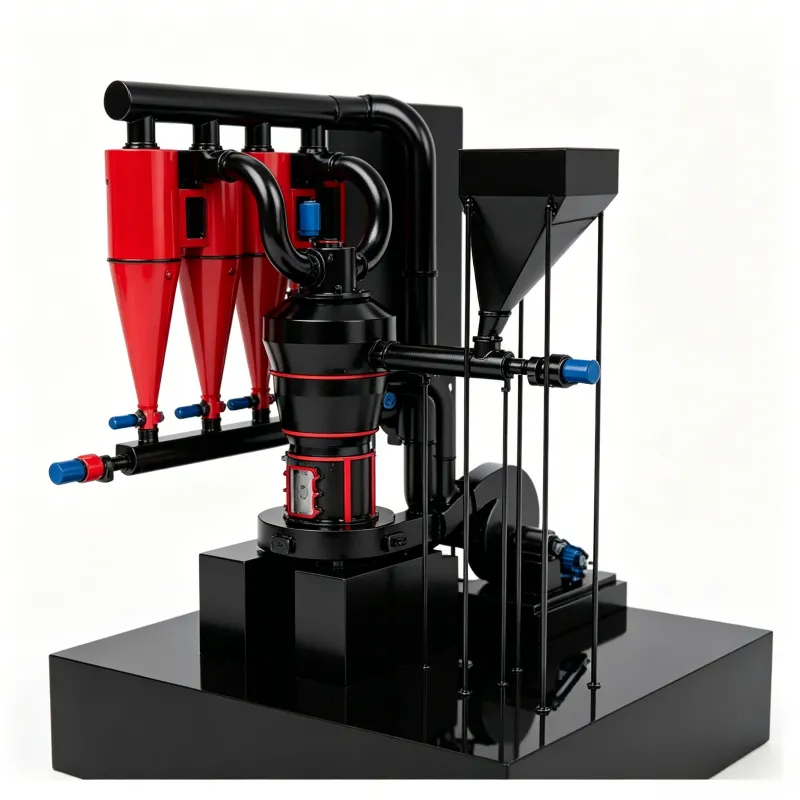
Hydrated Lime Mill
Introduction to the Hydrated Lime Mill (Calcium Hydroxide Mill) The KX Hydrated…

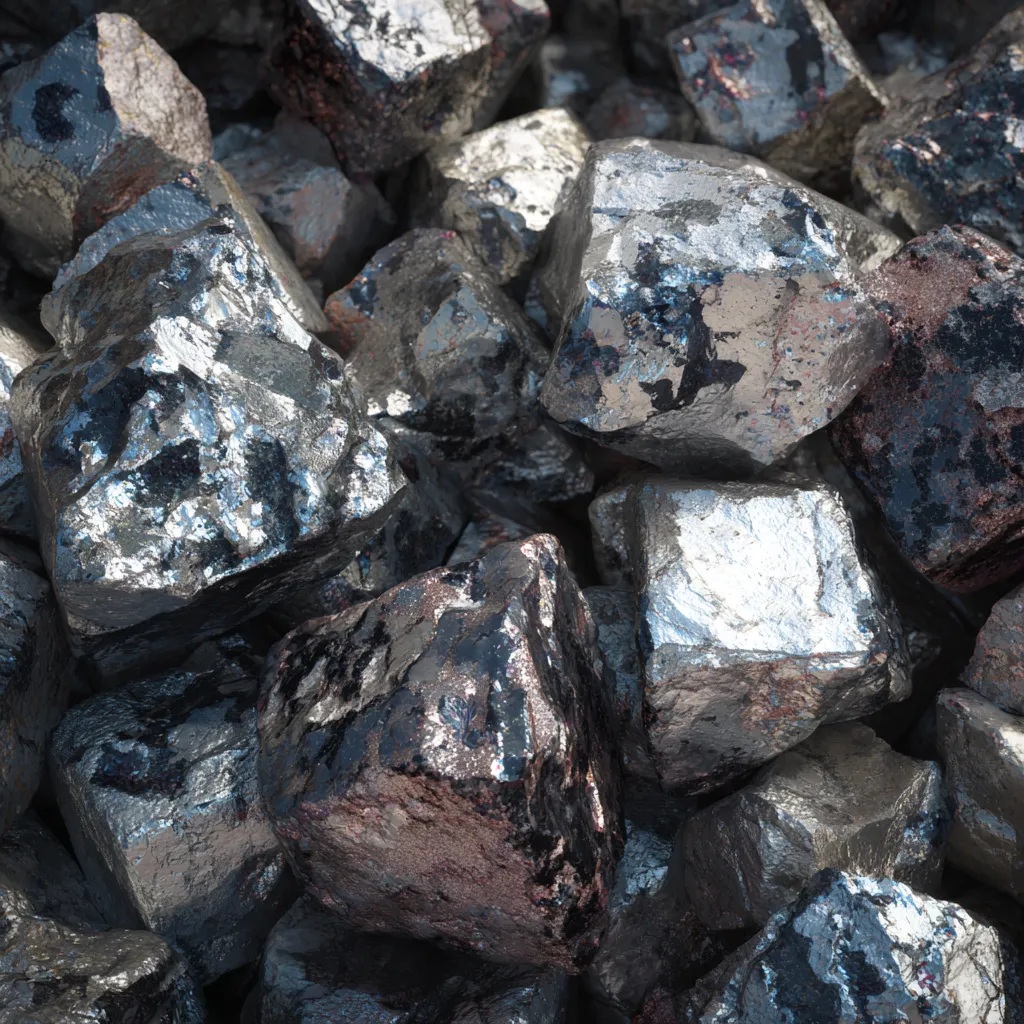
The Shuikoushan lead-zinc mine has a long history. A gravity separation plant was built before 1949, and a flotation plant was completed and put into operation in 1952. Flotation is a series process. The beneficiation products are lead, zinc, and pyrite concentrates.
(1) Ore properties: The plant processes two types of ore: locally produced and purchased.
Locally produced ore, also known as locally produced sand, comes from the Shuikoushan lead-zinc mine and is a medium-high temperature hydrothermal alteration deposit. The main useful minerals are galena, sphalerite, and pyrite, followed by chalcopyrite, pitchblende, and small amounts of bornite, magnetite, hematite, bauxite, ferroalloy, siderite, and azurite; associated components include gold, silver, cadmium, bismuth, gallium, and indium. The main gangue mineral is calcite, followed by quartz, feldspar, garnet, diopside, vesuvianite, fluorite, chlorite, and gypsum.
Useful minerals are coarse-grained and unevenly distributed. Galena and sphalerite are mostly irregular in shape, followed by granular, with very few being dot-like or vein-like. Most useful minerals are associated with gangue, followed by galena and sphalerite, and then sphalerite and pyrite. The grain size of galena is mostly 0.42–0.7 mm, followed by 0.08–0.22 mm, with the smallest being 0.01–0.02 mm.
The ore body is divided into eastern and western parts. The eastern part has low oxidation and argillaceous degree, good floatability, and is an easily beneficiated ore. The western ore body is located in a water zone and has been eroded by groundwater for a long time. The lead mineral oxidation rate is high (up to several tens of percent), and the crystals are fine. The ore also has a high copper content and high content of secondary copper oxide minerals. The pyrite has good floatability, which brings certain difficulties to the beneficiation process.
Purchased ore accounts for 15%–20% of the total amount processed by the beneficiation plant, and 50%–60% of the metal content. The average grade of the ore is 6%–9% Pb, 15%–19% Zn, and 18%–19% S.
(2) Beneficiation Process
① Crushing: A three-stage closed-circuit process. The beneficiation plant uses a 400mm×600mm jaw crusher, a φ1200mm standard cone crusher for medium crushing, and a ø1200mm short-head cone crusher for fine crushing. The ore is washed on a vibrating screen. The undersize product (-10mm) is then classified by a single spiral classifier. The returned sand is used as grinding feed, and the overflow is concentrated and filtered. The filter cake is also used as grinding feed. The final crushed product has a particle size of -10mm.
② Grinding: 50%–60% of the self-produced sand is -0.074mm, and 85%–95% of the purchased sand is -0.074mm. The overflow from grinding and classification is mixed and sent to flotation.
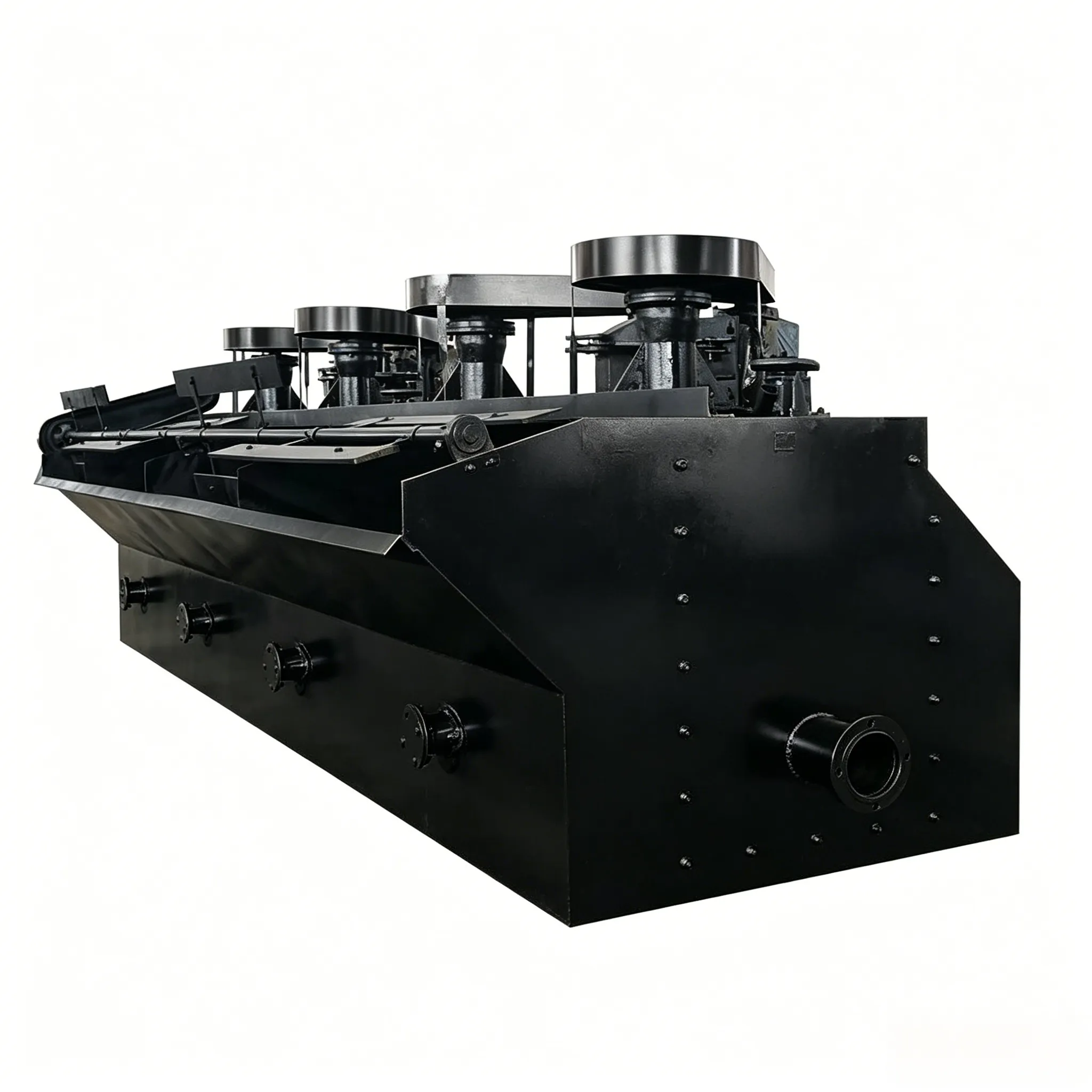
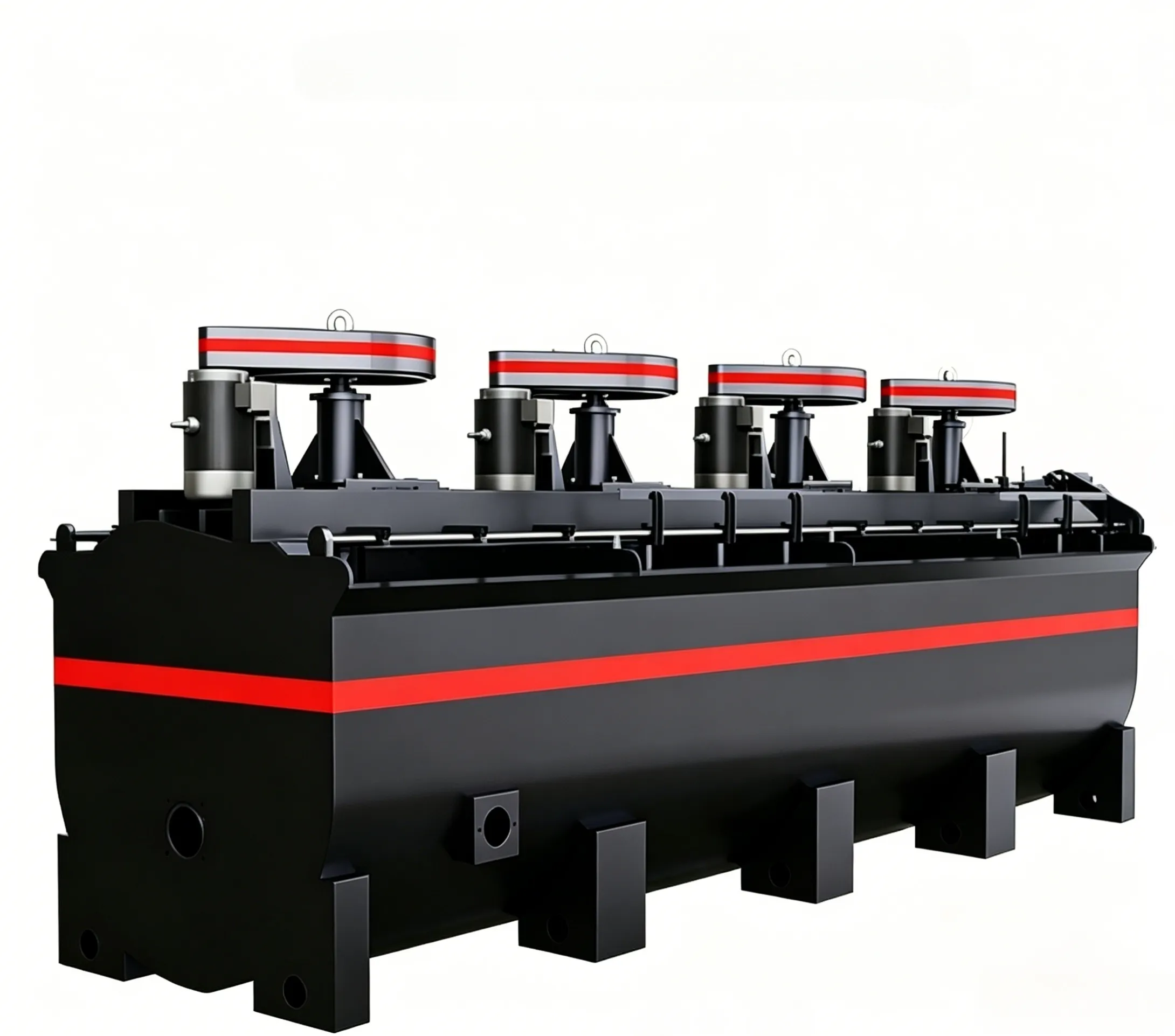
③ Flotation: The concentrator uses a process of lead-zinc-sulfur flotation, lead-zinc-sulfur separation, and zinc-sulfur mixed flotation followed by separation (as shown in Figure 5-3).
In the lead-zinc-sulfur flotation operation, a small amount of lime is used to adjust the slurry to a weakly alkaline state (pH=7.5). No. 25 black reagent is used as a collector to float galena, as well as some pyrite and sphalerite with better floatability. When the ore contains a high amount of secondary copper minerals, a small amount of sodium sulfide and zinc sulfate is added to the ball mill to eliminate their activation of sphalerite. The lead-zinc-sulfur mixed concentrate is treated with lime at a high pH (pH=10.5) to suppress pyrite, and sodium sulfide and zinc sulfate are used in combination to suppress sphalerite. Galena is floated using the highly selective collector SN-9, and zinc sulfate and sodium metabisulfite (Na₂S₂O₅) are added during the refining process to suppress sphalerite and obtain the final lead concentrate.
The floatable tailings and the concentrate from the zinc-sulfur mixed flotation are mixed and sent to the zinc-sulfur separation process. The flotation pH is >11, pyrite is suppressed with lime, some copper sulfate is added to activate sphalerite from the lead flotation process, and a small amount of xanthate is added to obtain the final zinc concentrate.
After the scavenging concentrate from the floatable process is combined and regrinded, it is sent to the floatable roughing process. This helps to improve the liberation degree of the useful minerals and reduce the floatability of pyrite, while also improving the quality of lead concentrate.
(3) Beneficiation Indicators Because the beneficiation plant processes a wide range of raw ore sources, the beneficiation indicators fluctuate greatly. Generally, they are shown in Table 5-6.
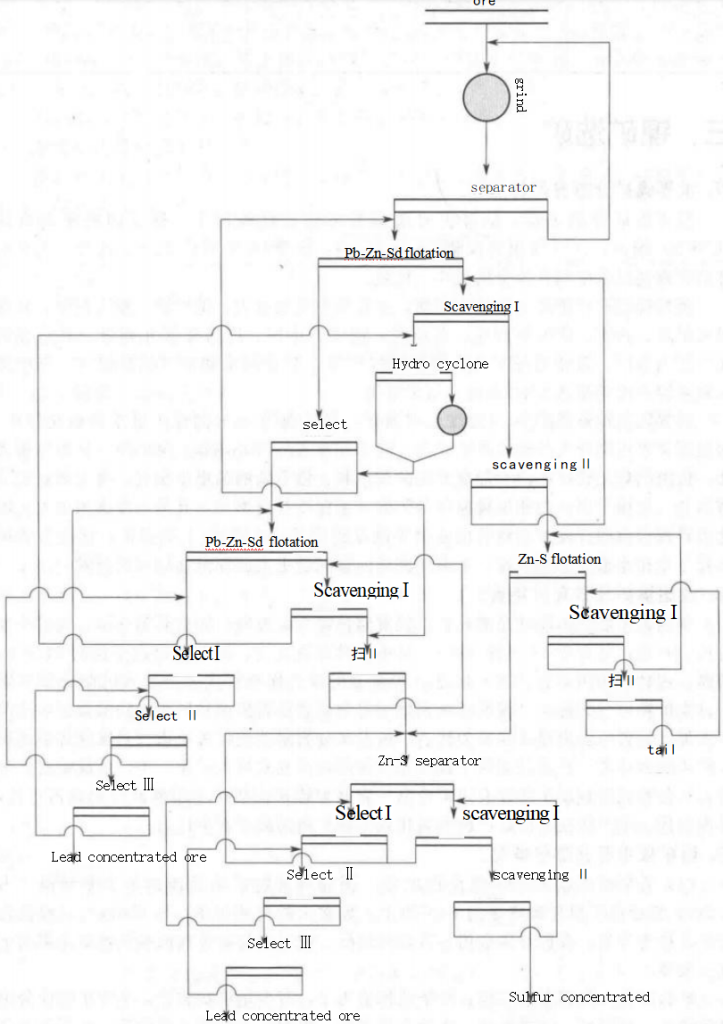
Figure 5 – 3. Beneficiation process of Shuikoushan lead-zinc mine
Table 5-6 Mineral Processing Indicators unit:%
| project | raw ore | Lead concentrate | Zinc concentrate | Sulfur concentrate | Tailings | Metal recovery rate (theoretical) |
| Pb | 2.5~3.5 | 60~63 | 1.5~2.5 | 0.3~0.5 | 86 | 84 |
| Zn | 3.5~5 | 3-6 | 51-53 | 0.3~0.5 | 0.25~0.35 | 91 |
| S | 12~16 | 41~42 | 1.5~2.5 | 65~75 |
 English English
  Spanish
 Russian
 Arabic
 Swahili
 French
 Turkish
 Portuguese
 Korean
 Japanese
 German
 Italian