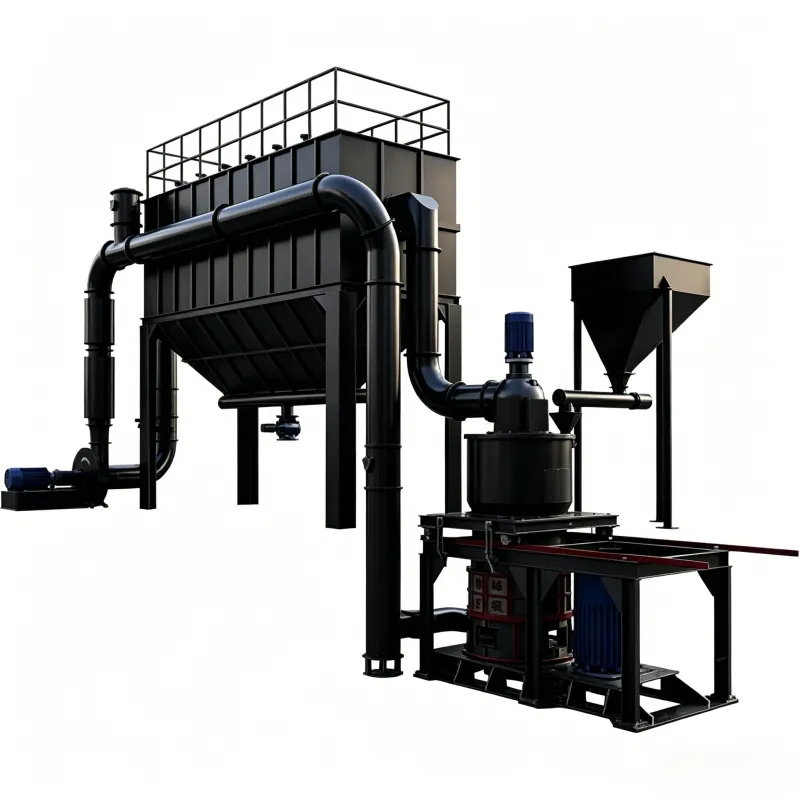
Ultrafine Ring Roller Mill
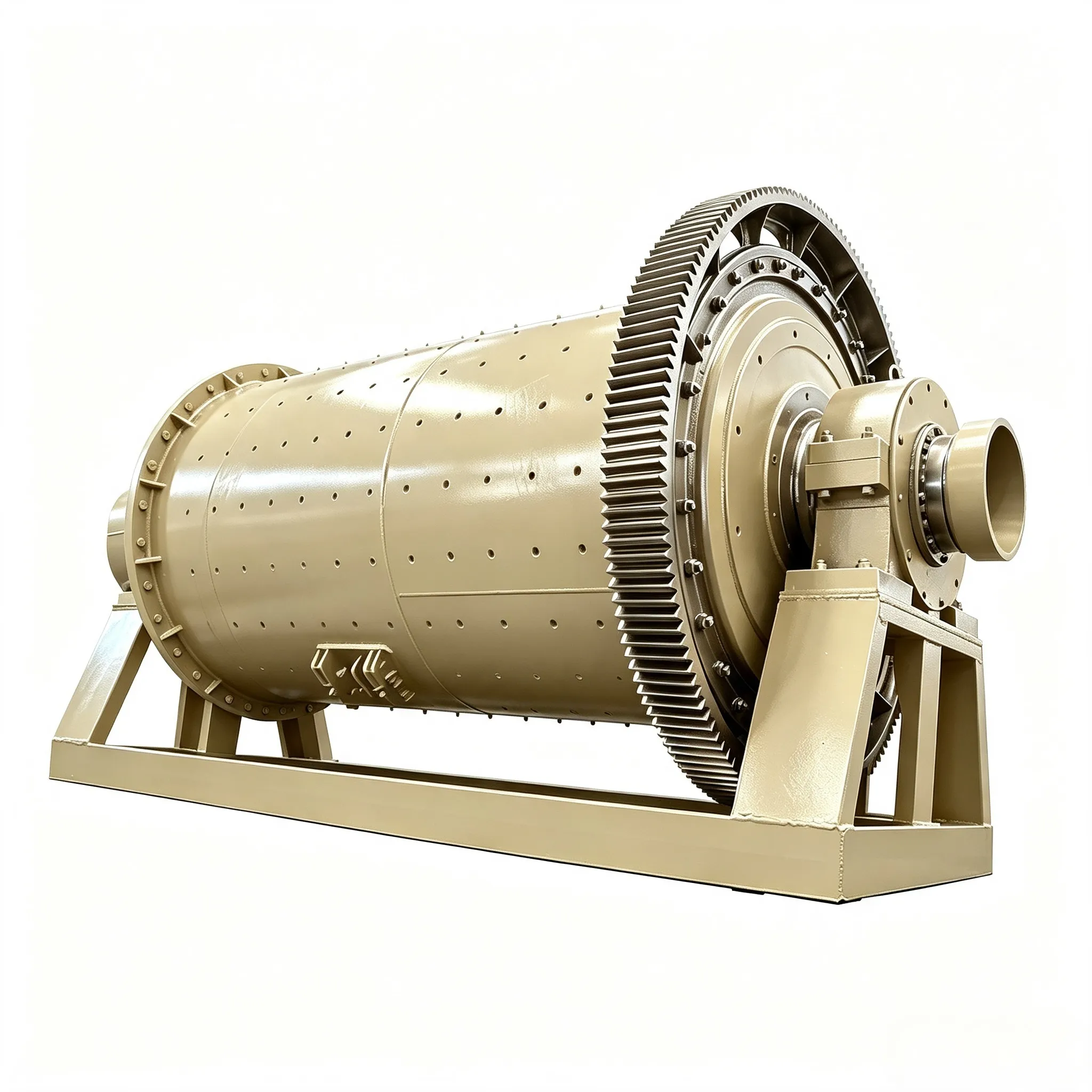
Introduction to the Ultrafine Ring Roller Mill The KXHGM Ultrafine Ring Roller…


In the grinding-classification system, the cyclone feed pressure is an important operating parameter. Changes in pressure will affect the flow state of the pulp inside the cyclone, and in turn affect the classification performance.
1. Pressure too low may lead to poorer classification performance
When the feed pressure is too low, the internal flow field of the cyclone may change, the classification efficiency will decrease, and some coarser particles may enter the overflow.
2. Pressure too high is not necessarily better either
Increasing the pressure does not mean the classification performance will definitely improve. Excessive pressure may increase energy consumption and equipment wear, and may also change the flow rate and density of the overflow and underflow.
The specific impact depends on the cyclone structure, feed density, and actual operating conditions.
3. Pressure fluctuations will cause an unstable classification state
If the pump sump level changes, the feed pump operates unstably, or pipeline resistance changes, the cyclone pressure may fluctuate, causing the overflow particle size and density to change accordingly, further affecting subsequent flotation.
4. Why can the classification performance still change even when the pressure is stable?
Because pressure is not the only factor. Feed density, feed particle size, ore properties, and wear of the apex (spigot) and vortex finder can also affect the classification performance.
Therefore, one cannot only look at the pressure gauge; a comprehensive judgment must also be made in combination with the overflow particle size, density, and underflow discharge state.
How does automation improve this?
By using the PLC/DCS system to monitor the cyclone pressure, feed flow rate, pump sump level, and the operating status of related equipment, pressure anomalies and their changing trends can be detected in a timely manner, and equipment such as the feed pump can be coordinated and controlled according to process requirements.
 English English
 Spanish
 Russian
 Arabic
 Swahili
 French
 Turkish
 Portuguese
 Korean
 Japanese
 German
 Italian