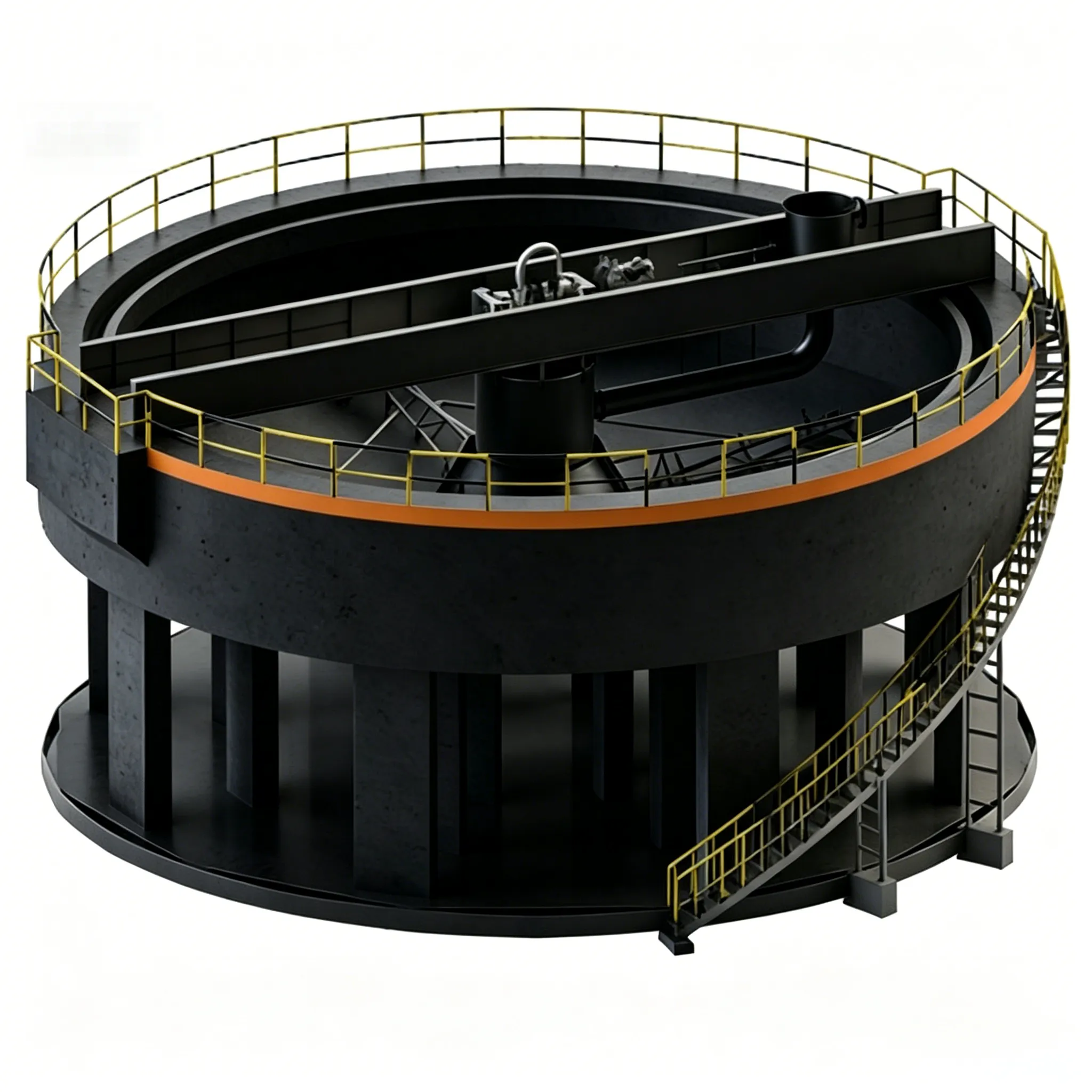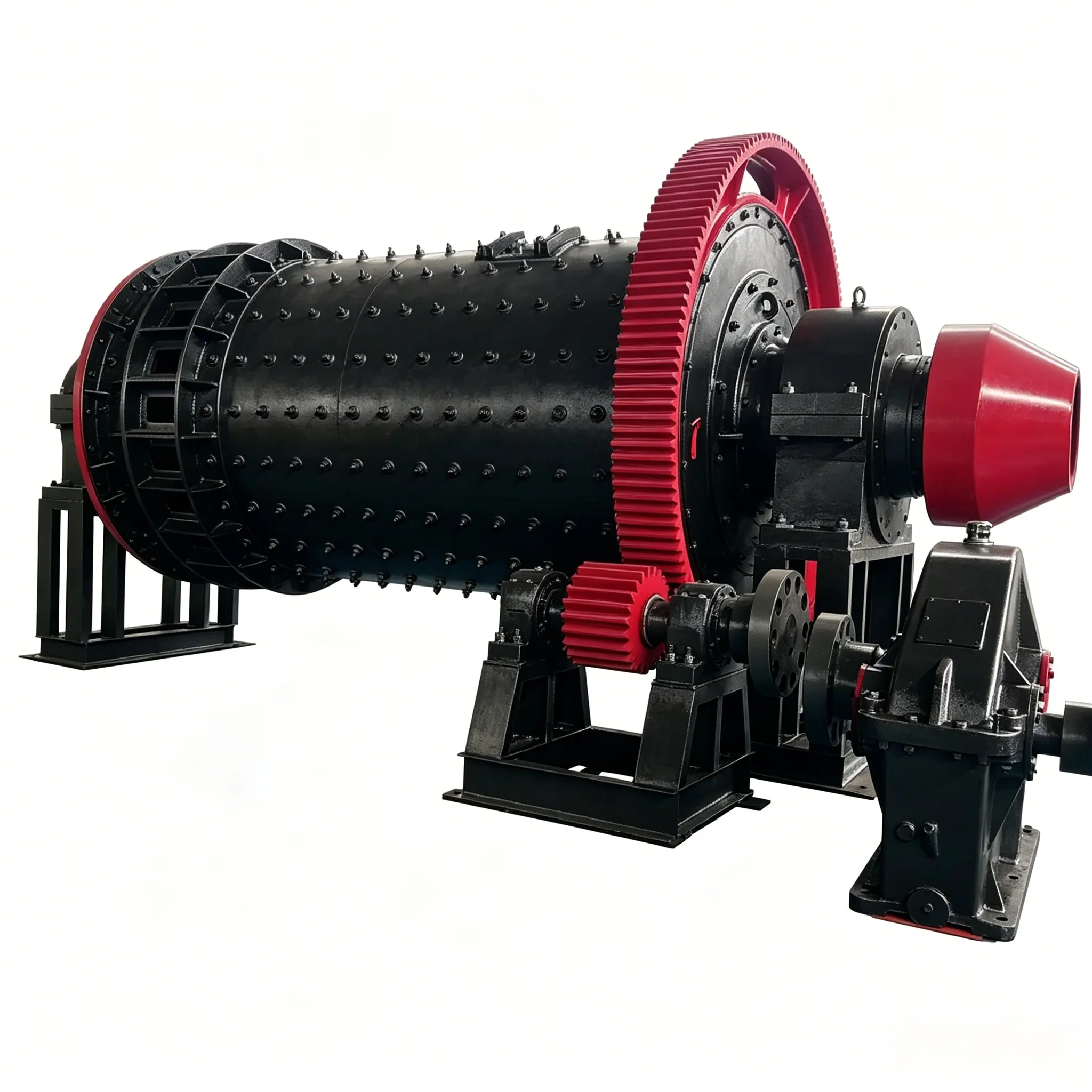
Rod Mill
Construction of a Rod Mill Wet rod mills can be classified into…


The production process for raw pigment powders is mainly divided into two categories based on their origin: natural mineral pigments (physical processing route) and synthetic pigments (chemical synthesis route) . The following sections describe the process flows and core equipment for each route.
Using natural ores (e.g., turquoise, jarosite) as raw materials, pigment powder is produced through physical crushing, grinding, and purification.
Mining of natural ore → coarse crushing → medium/fine crushing → wet grinding → washing & purification → drying → classification/sieving → finished packaging
| Step | Core Equipment | Process Details |
|---|---|---|
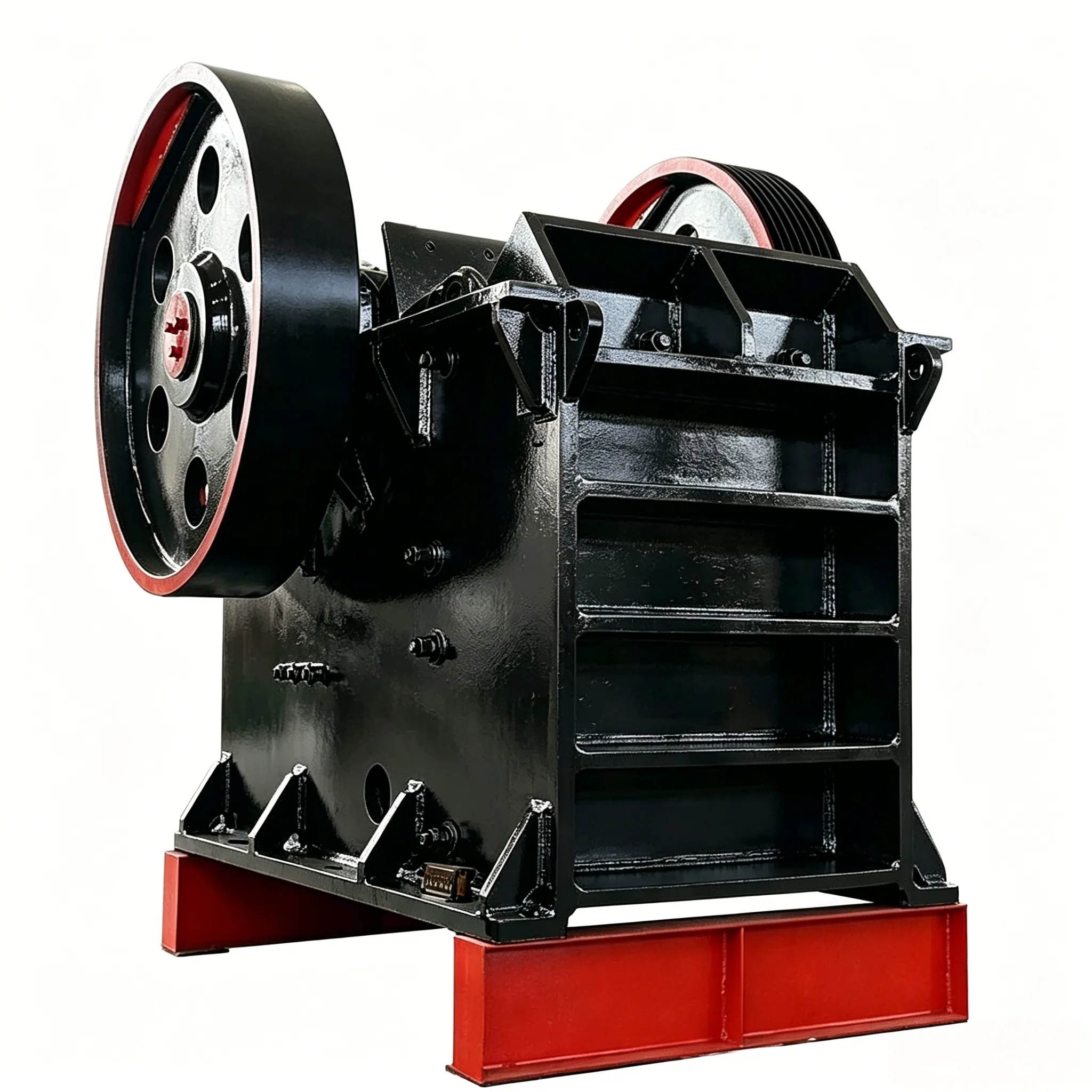
| Crushing | Crusher (e.g., turquoise crusher) | Initially break large ores into small particles to prepare for grinding. |
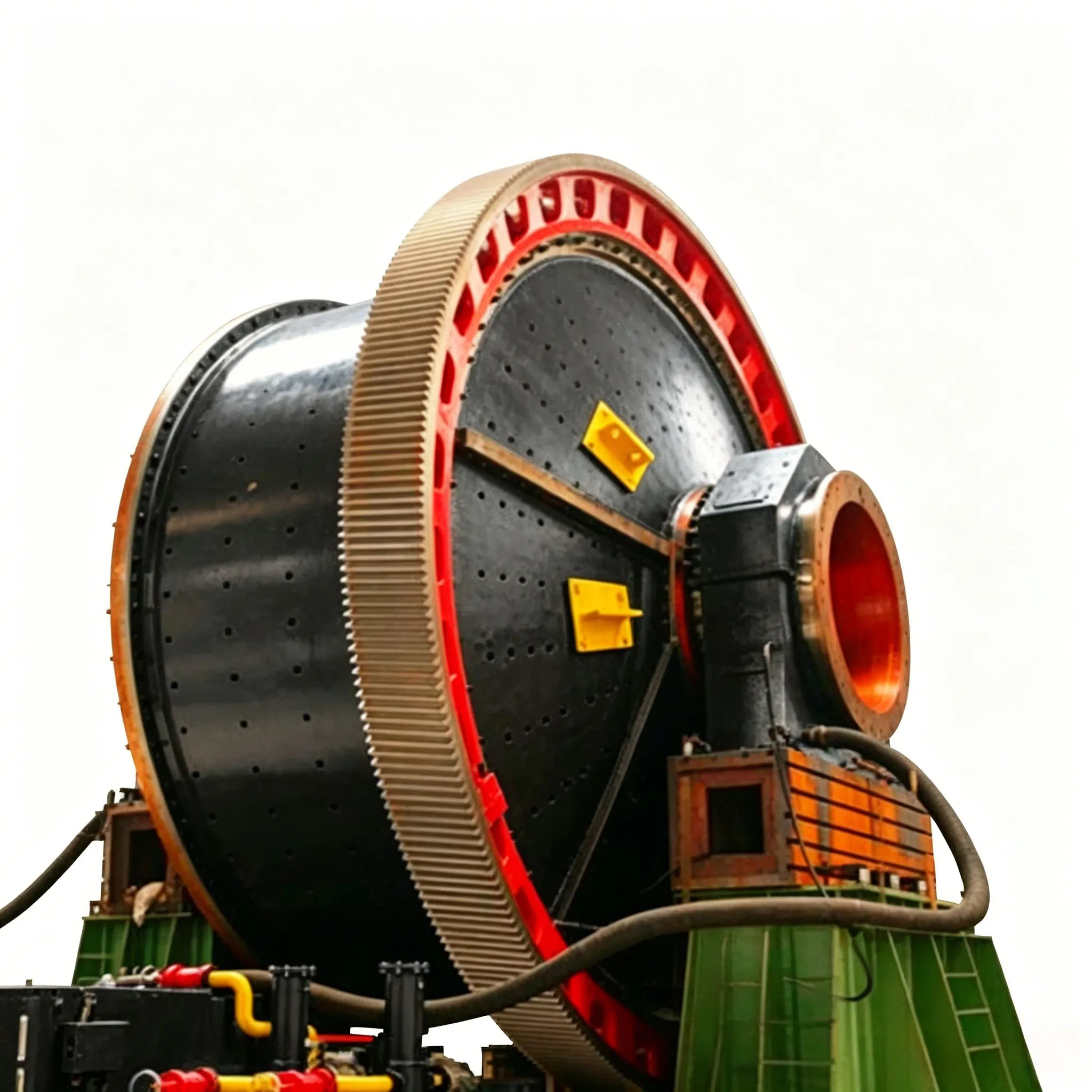
| Grinding / Milling | Traditional stone mill / Industrial wet ball mill | Long‑time wet grinding (traditional process ~10 days). Through grinding, settling, and layering, pigment particles of different sizes are separated. |
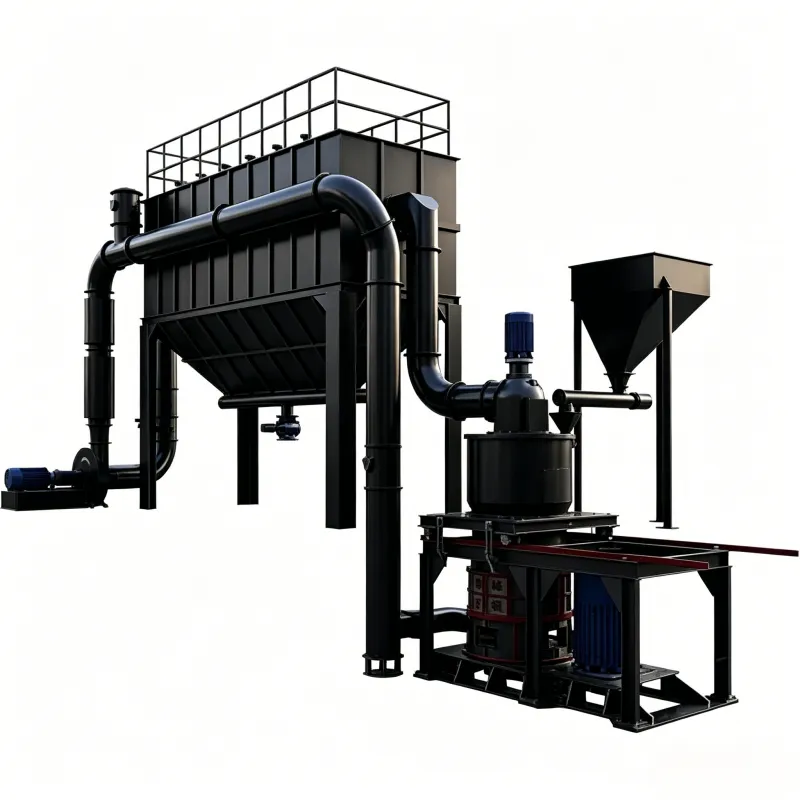
| Wet grinding & classification | Wet grinding mill, screening equipment, air classifier | Natural calcium carbonate (e.g., limestone) can be processed by dry grinding (product separated by air classifier, oversize returned for regrinding) or wet grinding (producing finer, more vivid grades). |
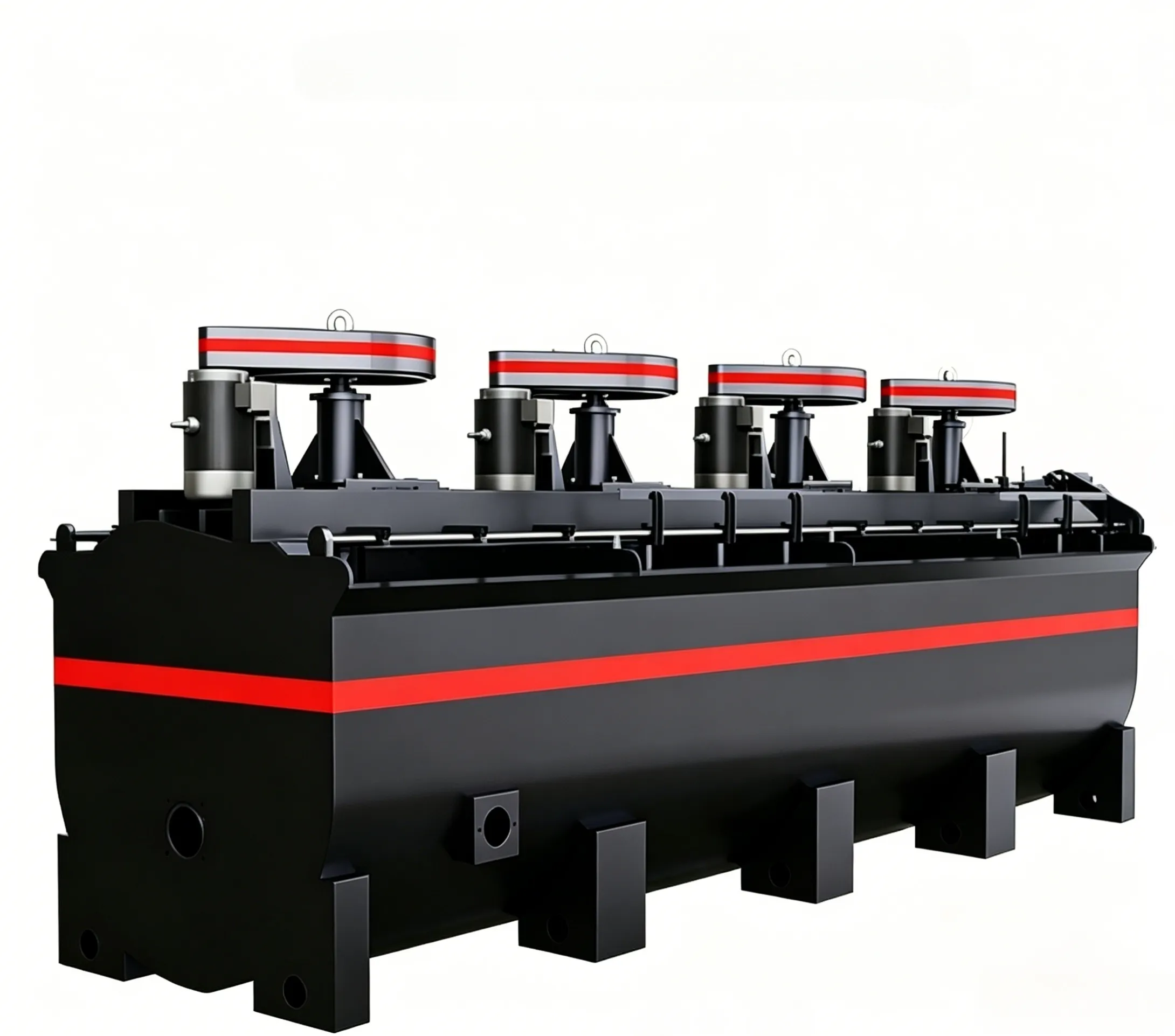
| Purification / classification | Washing tanks, settling tanks, filter press | Remove impurities by washing and settling. Jarosite pigment requires steps such as wet grinding → filter pressing → washing → filter pressing → drying. |
| Drying | High‑intensity dryer, combined crushing‑drying unit | Dry the wet powder to the specified moisture content. The combined crushing‑drying unit can simultaneously crush and screen, improving drying efficiency. |
| Ultrafine grinding (for high precision) | Jet mill (fluidized bed or disk type) | De‑agglomerate the pigment into small aggregates to achieve stable particles, uniform particle size, good dispersibility, and no aggregation or sedimentation. |
Represented by titanium dioxide (TiO₂), iron oxide pigments (red, yellow, black, etc.), carbon black, etc. The pigment precursor is synthesized via chemical reactions, followed by post‑treatment to produce the powder.
Titanium dioxide is the white pigment with the largest output. The production process involves more than 30 steps, and both crystal structure and particle size distribution must be strictly controlled.
Sulfate Process (produces anatase and rutile types)
: Raw material: ilmenite. Digestion with concentrated sulfuric acid → filtration → vacuum crystallization to remove iron → concentration → hydrolysis → washing & bleaching → calcination → dry grinding to obtain TiO₂. Advantages: inexpensive raw materials, simple equipment. Disadvantages: long process, large volumes of waste (acid, iron salts).
Chloride Process (only for high‑grade rutile type)
: Raw material: rutile / high‑titanium slag mixed with coke. Chlorination at 800–1000 °C to produce TiCl₄ → rectification purification → vapor‑phase oxidation → filtration & washing → drying & grinding. Advantages: short process, continuous and highly automated, low energy consumption, less waste, high product quality. Disadvantages: high capital investment.
Ferrous sulfate (by‑product of TiO₂ production) is purified and heat‑treated to produce red, yellow, black, brown etc. iron oxide pigments (the largest production and demand among inorganic colored pigments). After synthesis, filter pressing, and drying, the particles agglomerate due to van der Waals forces and hydrogen bonding. Fluidized bed or flat‑type jet mills are used for ultrafine grinding and de‑agglomeration. After jet milling: Hegman fineness of iron oxide red reaches 5.5–7.0, iron oxide yellow 7.5, iron oxide black 7.0.
Regardless of the route, the following auxiliary equipment is also essential:
| Equipment Type | Representative Equipment | Purpose |
|---|---|---|
| Drying equipment | High‑intensity dryer, QGS combined crushing‑drying unit | Radial hot air inlet; material dries in 4–5 seconds. Large processing capacity, high thermal efficiency. |
| Screening / classification equipment | Air classifier, screening mechanism (with valve and screen mesh) | Separate oversized particles and return them for regrinding, ensuring uniform particle size distribution. |
| Solid‑liquid / liquid‑phase processing equipment | Solid‑liquid pre‑mixing device (with crushing chamber, crushing wheel, stirring blade), high‑speed dispersion unit (with dispersing shaft) | Pre‑shear and pre‑crush the powder, then high‑speed disperse in liquid phase for efficient ultrafine processing, preventing agglomeration and clogging. |
| Environmental & safety facilities | Anti‑corrosion equipment, ventilation and dust collection system, dust collector, wastewater treatment facility | Pigment production generates large amounts of dust and involves corrosive chemicals; comprehensive facilities are required. |
Organic pigments (e.g., azo pigments, phthalocyanine green) are produced through a chemical synthesis → pigment finishing process similar to that of dyes, and are typically manufactured in dye plants. Representative types include azo condensation pigments (for high‑grade automotive coatings, architectural coatings) and phthalocyanine green (for paints, coatings, and textile coloration). The process involves multiple fine chemical steps: diazotization, coupling reaction, pigment finishing, surface modification, etc.
| Aspect | Natural Mineral Pigments (Physical Route) | Synthetic Pigments (Chemical Route) |
|---|---|---|
| Core principle | Ore crushing + purification + classification | Chemical synthesis + post‑treatment |
| Main equipment | Crushers, wet ball mills, jet mills, air classifiers | Reactors, calcination kilns, filter presses, jet mills, high‑speed dispersion units |
| Typical products | Natural mineral colors, calcium carbonate extenders | Titanium dioxide, iron oxide pigments, carbon black, ultrafine aluminum powder |
| Key control points | Particle size and purity | Crystal form, shade, particle size, dispersibility |
| Environmental concerns | Dust collection | Acid/chlorine waste gas treatment, wastewater treatment, tail gas recovery |
In pigment production, crushing, grinding, and jet mill ultrafine grinding are the final steps common to both routes. They are the core operations that ensure stable particles, uniform particle size, and good dispersibility, directly determining the final shade and application performance of the pigment.