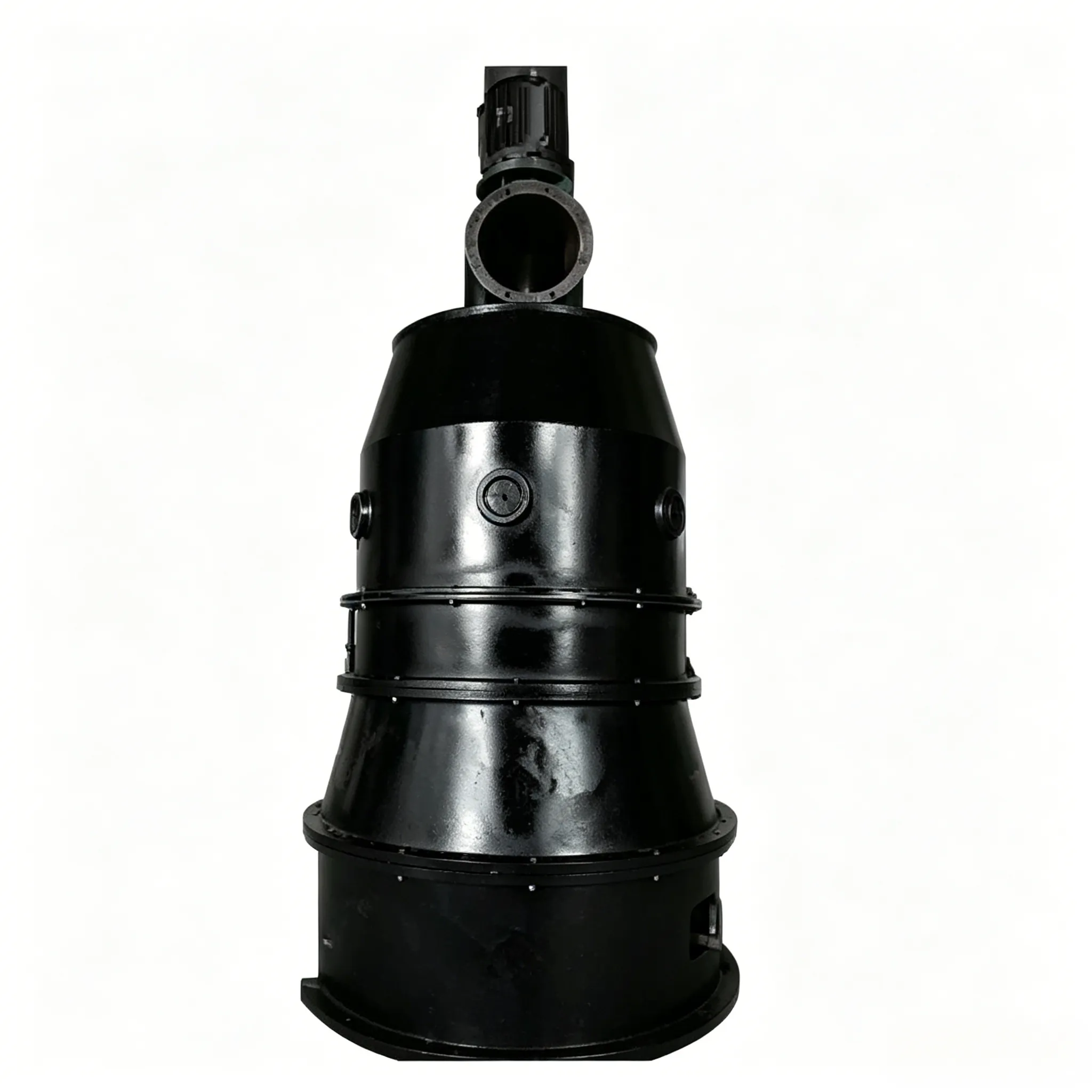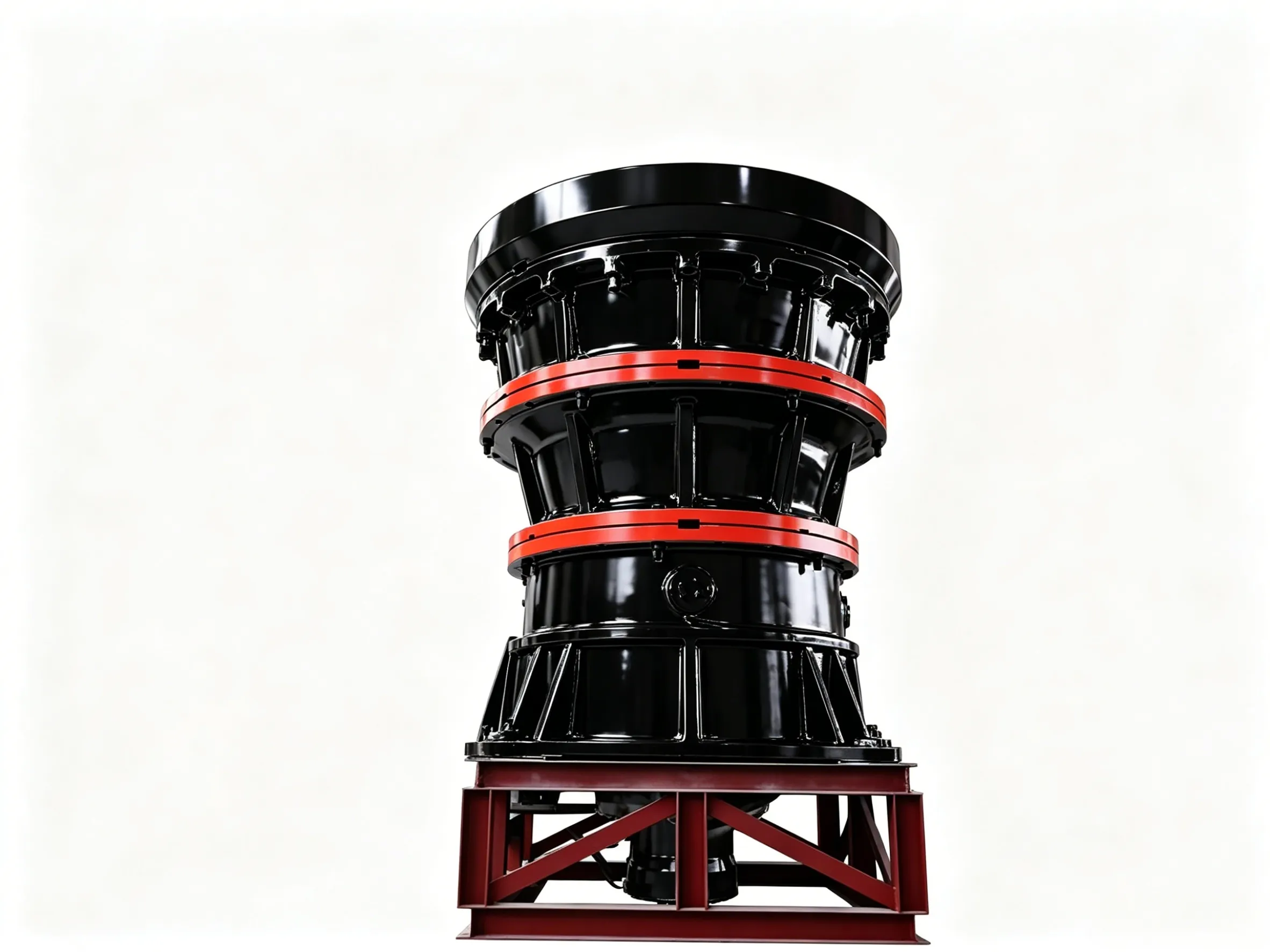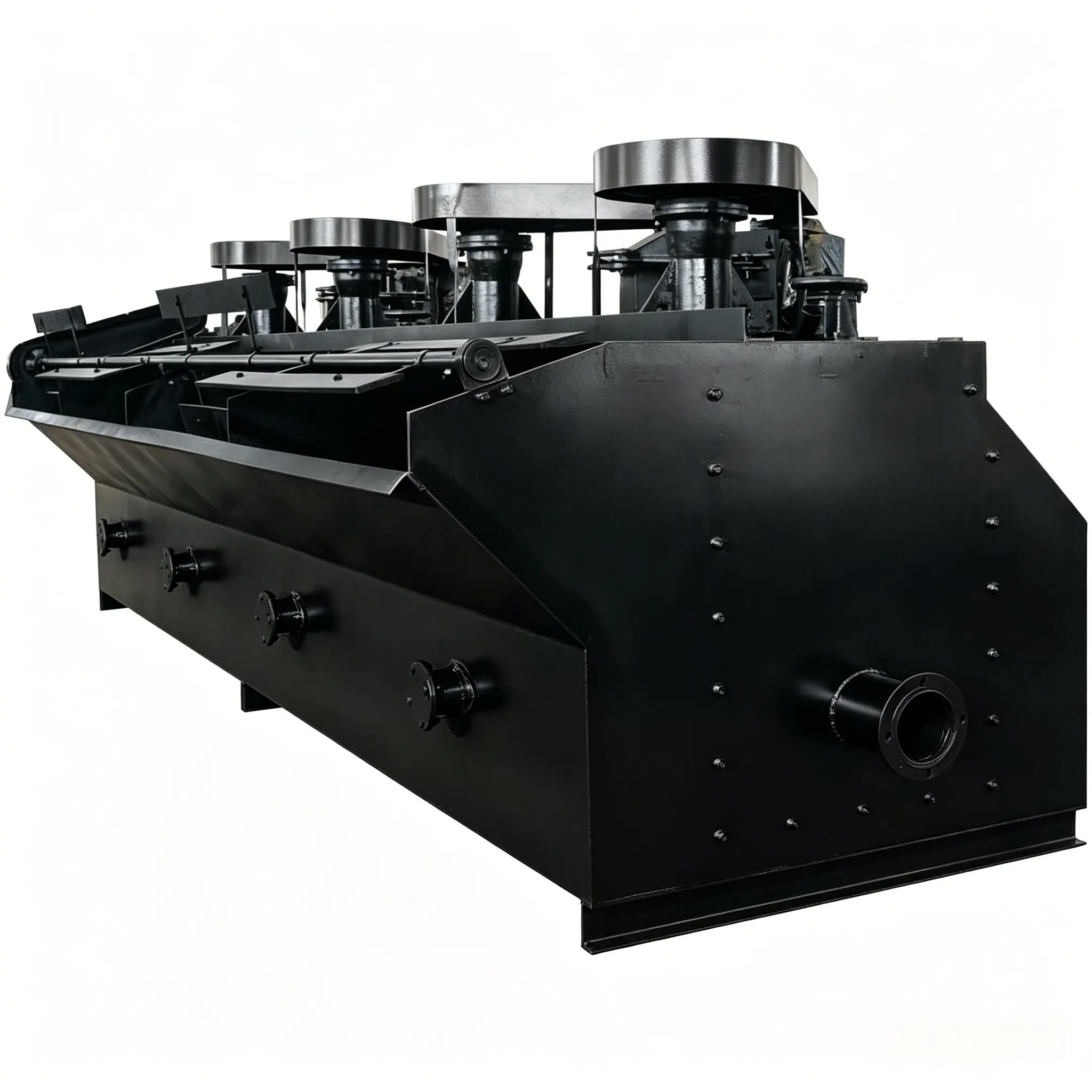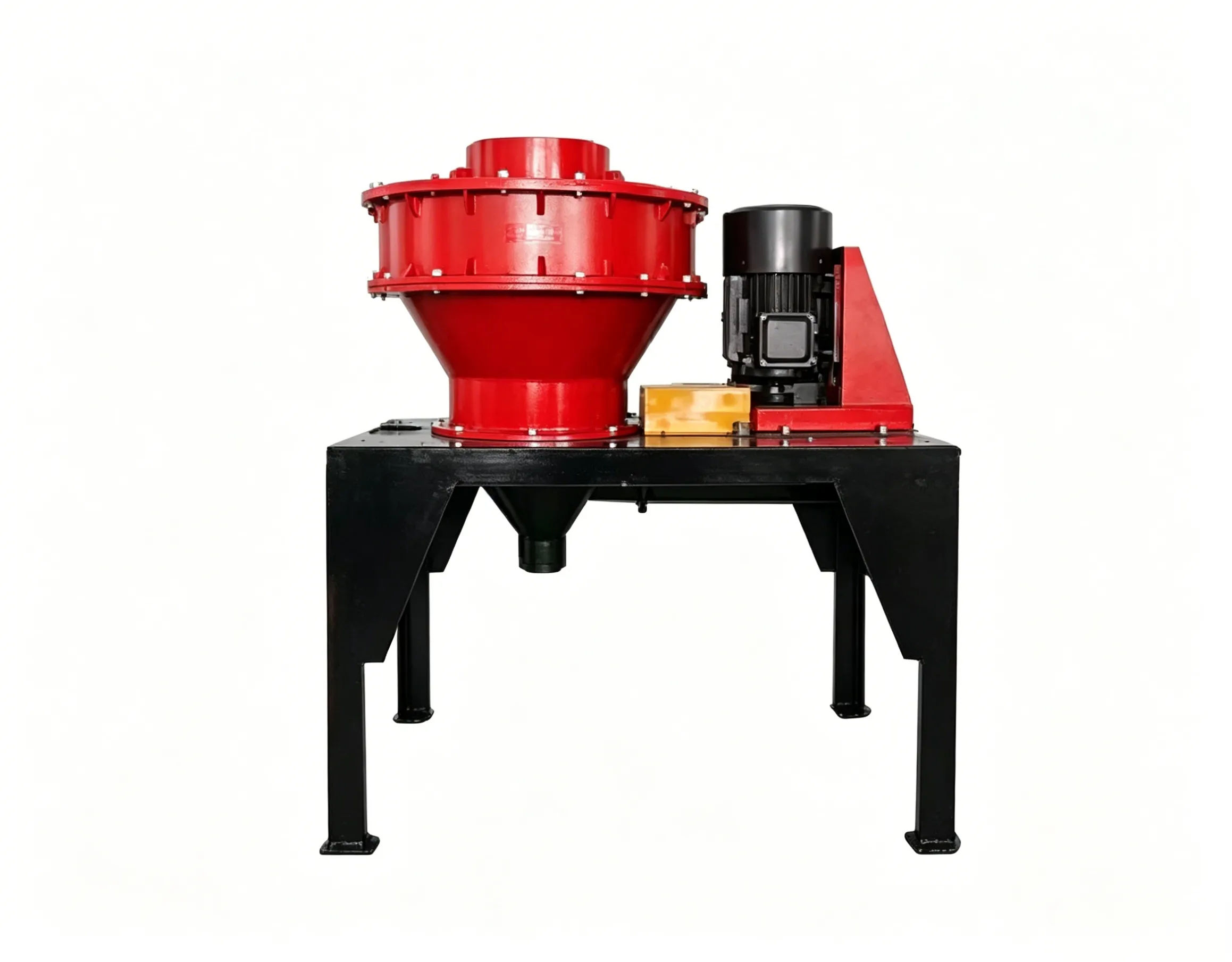
SZF series crushing and shaping machine
crushing and shaping machine The SZF Series Impact Crusher and Shaping Machine consists of feeding,…

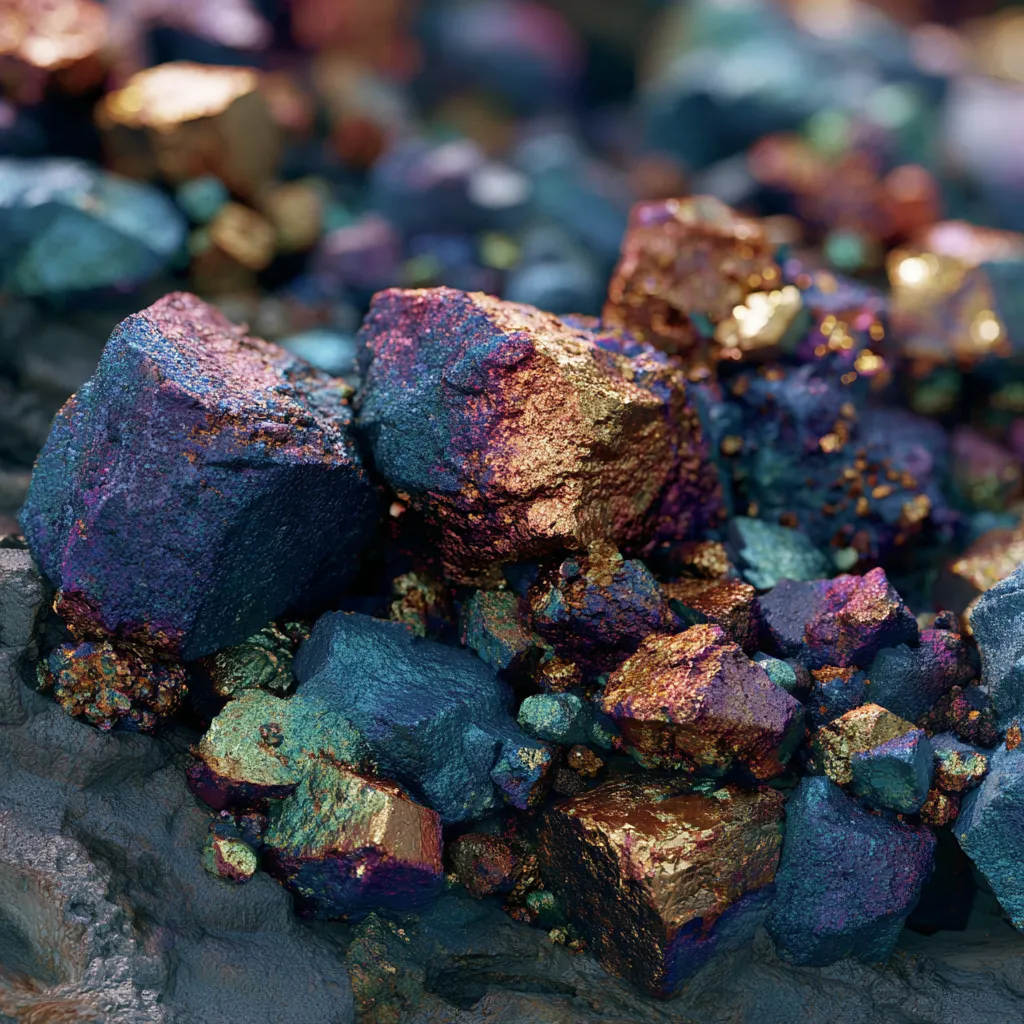
This type of ore is mostly magmatic segregation copper-nickel ore. Rich ores containing more than 3% nickel can be directly smelted; ores containing less than 3% nickel require beneficiation.
Common metallic minerals in this type of ore include pyrrhotite, giltite, and chalcopyrite. Other minerals include magnetite, pyrite, ilmenite, chromite, chalcopyrite, covellite, chalcocite, bornite, and platinum group minerals. Gangue minerals include olivine, pyroxene, plagioclase, talc, serpentine, chlorite, actinolite, and mica. Quartz and carbonates are also sometimes present. Copper in copper-nickel ores mainly exists as chalcopyrite; while nickel mainly exists as free nickel sulfides such as giltite, goethite, and sulphite. A considerable portion of nickel is isomorphously present in pyrrhotite, and a small amount of nickel silicate is also present. The primary beneficiation method for copper-nickel sulfide ores is flotation, while magnetic separation and gravity separation are usually auxiliary methods.
When flotating copper-nickel sulfide ores, collectors and frothers for copper sulfide minerals are commonly used. A basic principle for determining the flotation process is to prioritize copper entering the nickel concentrate while minimizing nickel entry into the copper concentrate. This is because nickel in the copper concentrate is significantly lost during smelting, while copper in the nickel concentrate can be recovered more completely. The main flotation processes are as follows:
(1) Direct preferential flotation or partial preferential flotation process: This process can be used when the copper content in the ore is much higher than the nickel content, allowing copper to be separated into a separate concentrate. The advantage of this process is that it can directly obtain a copper concentrate with a lower nickel content. (2) Mixed Flotation Process: Used to separate ores with copper content lower than nickel content. The resulting copper-nickel mixed concentrate is directly smelted into high-grade nickel matte. Copper and nickel are then mixed-flotated from the ore, and low-nickel copper concentrate and copper-nickel concentrate are separated from the mixed concentrate. This nickel concentrate is then smelted to obtain high-grade nickel matte, which is further separated by flotation.
(3) Mixed-Preferred Flotation: A portion of nickel is recovered from the tailings of mixed flotation. When the floatability of various nickel minerals in the ore differs significantly, after copper-nickel mixed flotation, the less floatable nickel-bearing minerals are further recovered from the tailings.