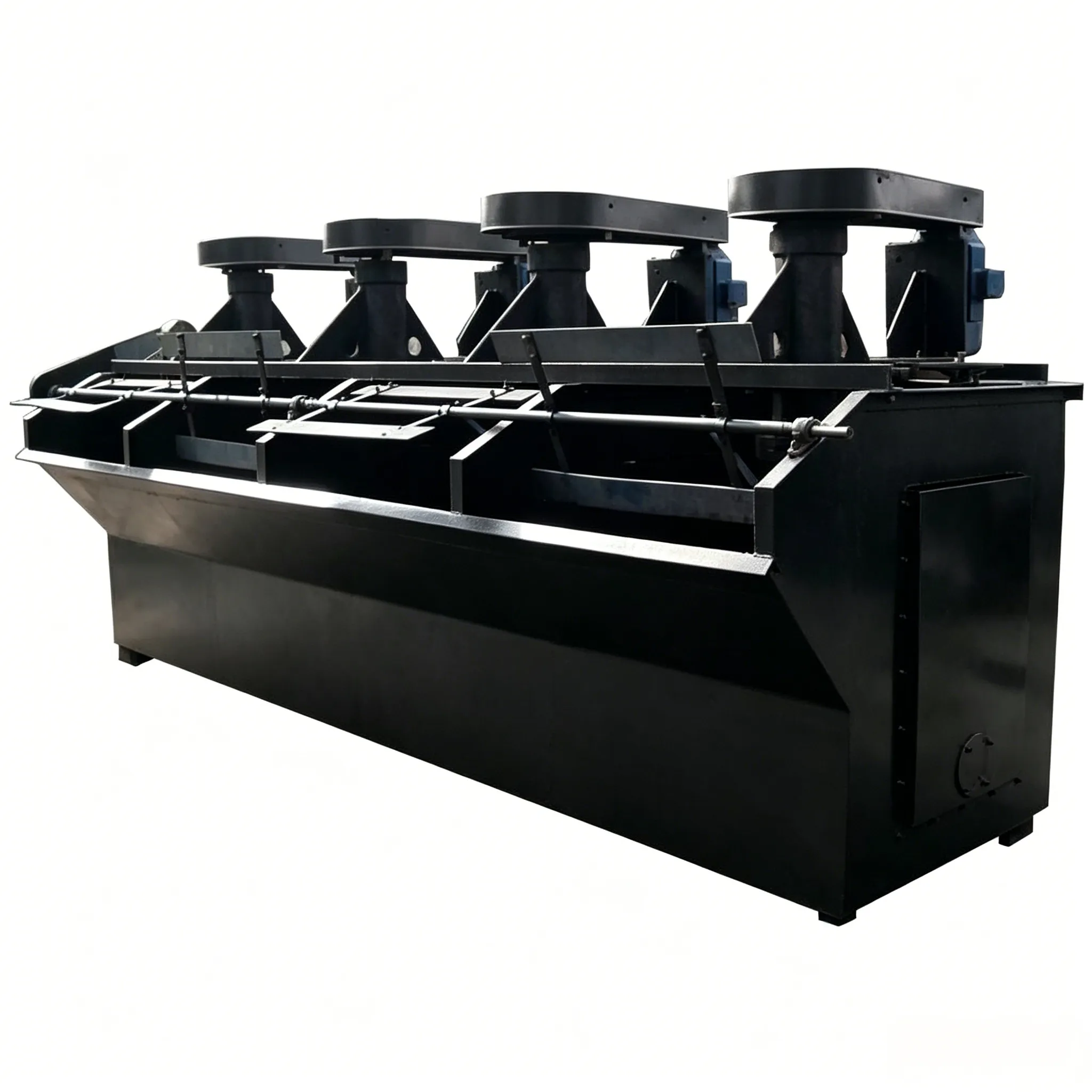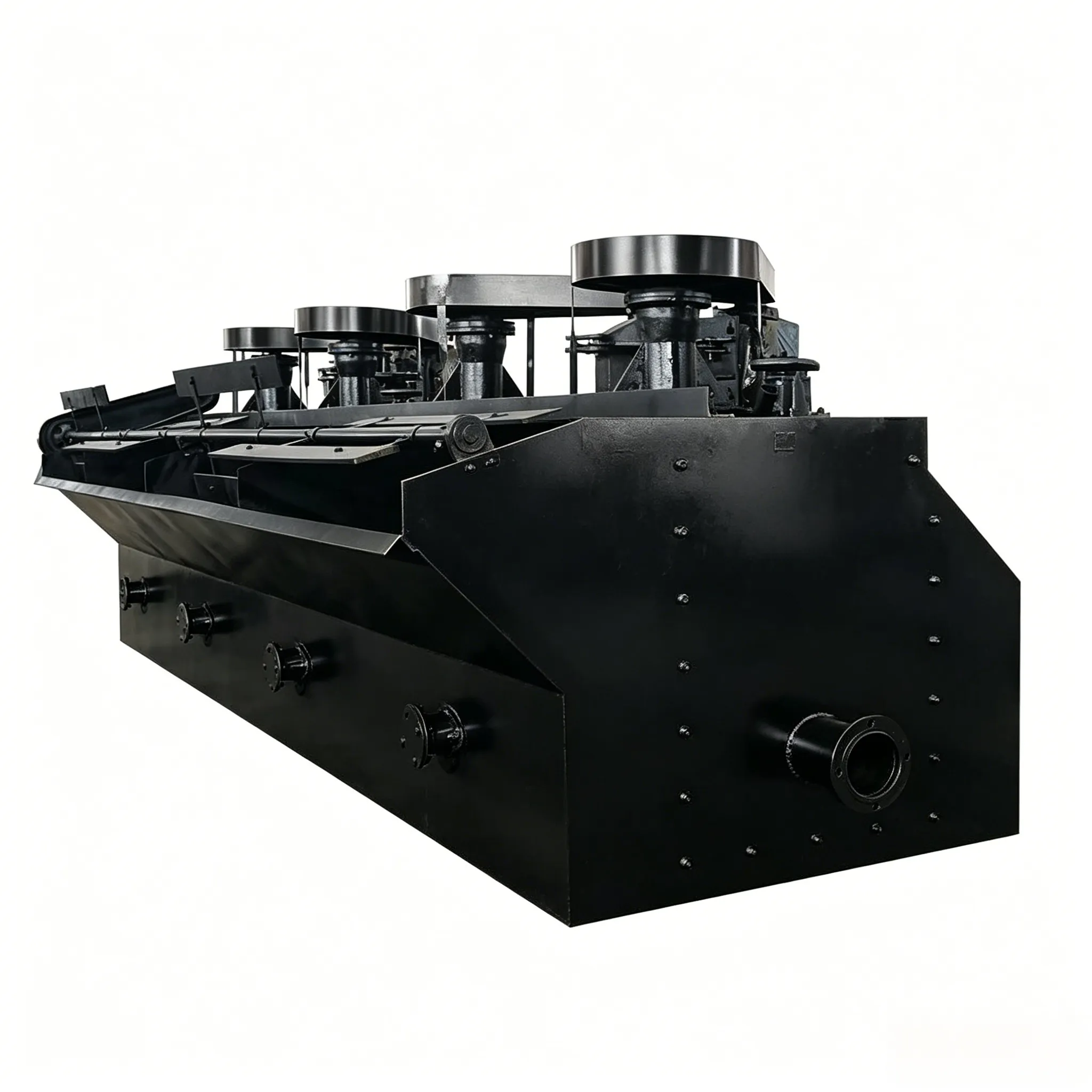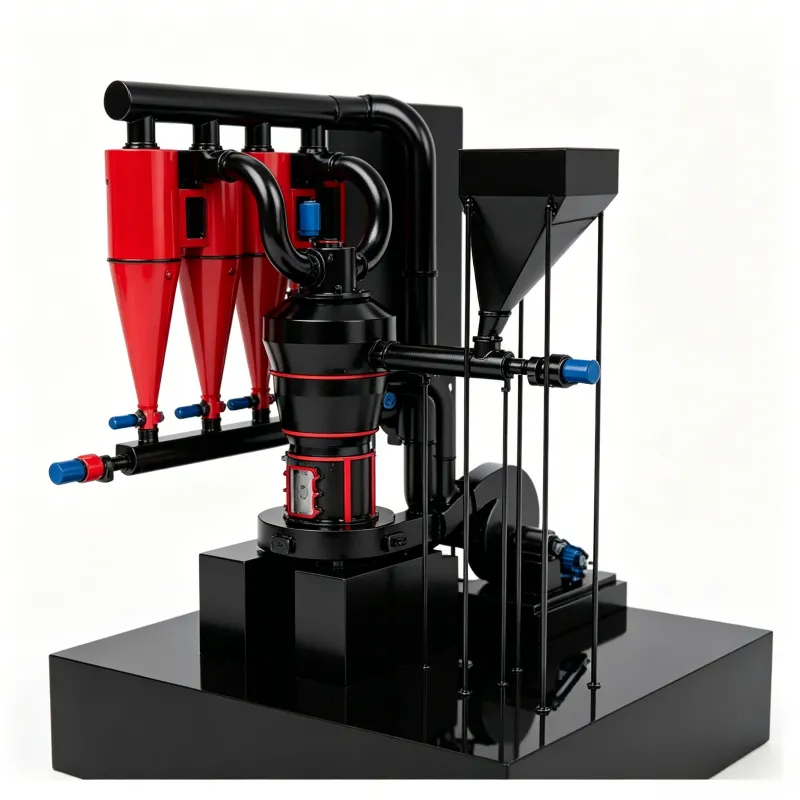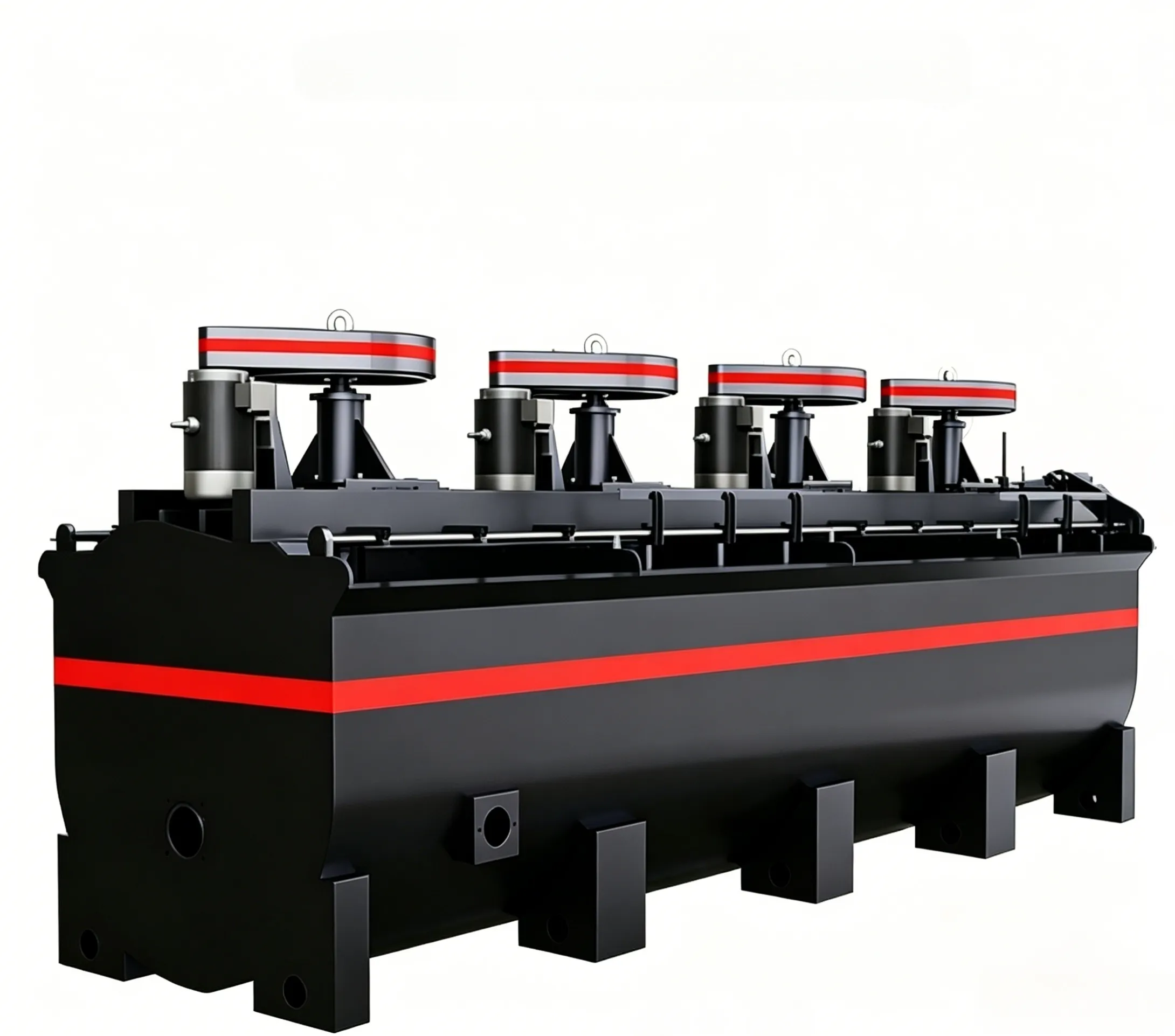
GF flotation machine
GF flotation machine This flotation machine is designed for coarse particles and…

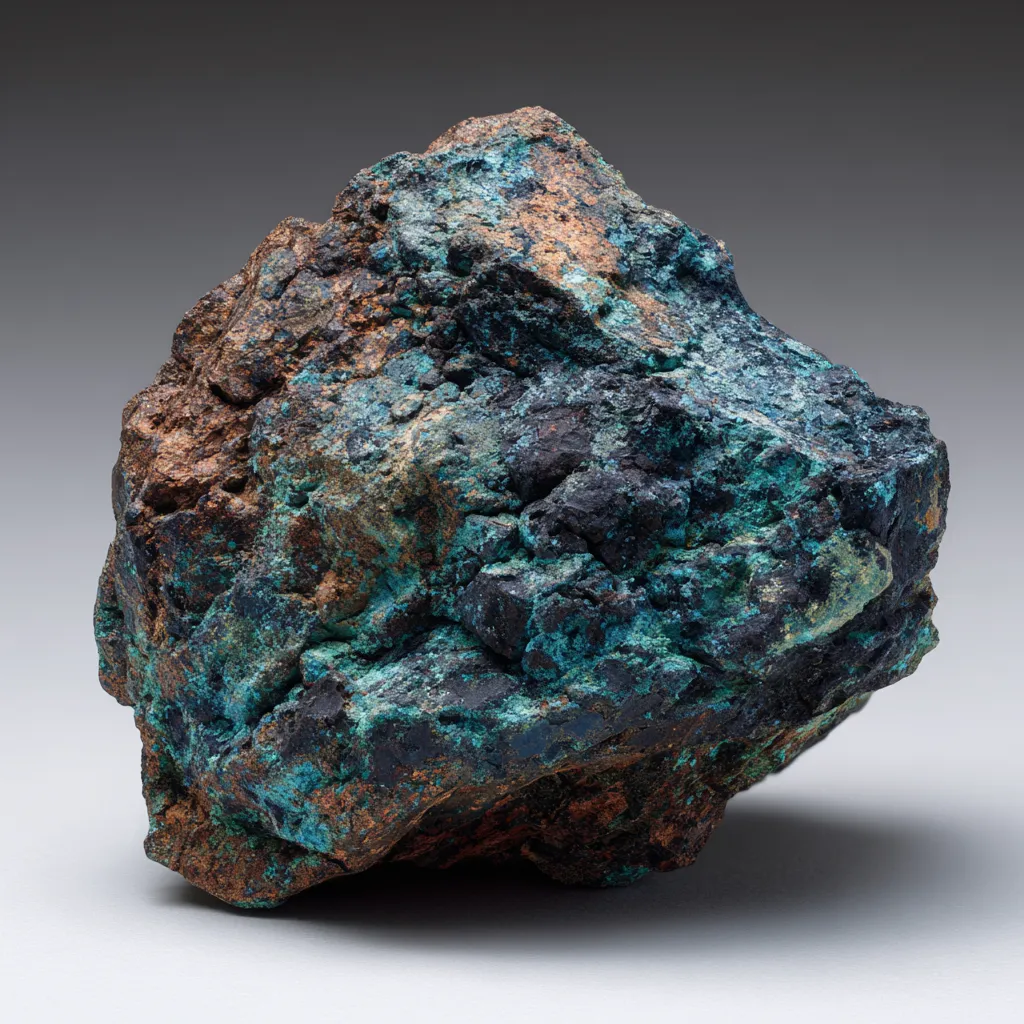
The beneficiation processes for oxidized copper ores and oxygen-sulfur mixed copper ores can be divided into two main categories: flotation and chemical beneficiation. Flotation is further divided into direct flotation, sulfidation-flotation, and segregation flotation.
(1) Flotation
① Sulfidation Flotation
a. Conventional Sulfidation Flotation
This method involves first sulfiding the oxidized copper minerals with sodium sulfide or other sulfiding agents (such as sodium hydrosulfide), and then using high-grade xanthates as collectors for flotation. During sulfidation, the lower the pH of the pulp, the faster the sulfidation process. However, sulfiding agents such as sodium sulfide are easily oxidized and have a short reaction time. Therefore, when using sulfidation to float oxidized copper ores, it is best to add the sulfiding agent in stages. Ammonium sulfate and aluminum sulfate help with the sulfidation of oxidized minerals; therefore, adding these two reagents during sulfidation flotation can significantly improve the flotation effect. Copper oxide minerals that can be treated by sulfidation are mainly copper carbonates, such as malachite and azurite; they can also be used for flotation of cuprite. However, chrysocolla, without special pretreatment, has poor sulfidation performance, or may not be sulfidated at all.
b. Hydrothermal Sulfidation Flotation: This method is actually a development of conventional sulfidation flotation. Its essence is to allow sulfur to chemically react with copper oxide minerals under hot and pressure conditions, generating stable and easily beneficiated artificial copper sulfide minerals. These are then recovered by flotation in warm water. Its characteristic lies in the enhanced pretreatment—pre-sulfidation—of the ore.
The principle of this method is as follows: When the temperature of the slurry containing the sulfiding agent rises to a certain level, elemental sulfur, due to its own redox reaction, generates S²⁻, which enters the solution. When S²⁻ encounters copper oxide minerals, a chemical reaction occurs, generating copper sulfide minerals. The redox reaction of elemental sulfur in aqueous solution is: 4S + 4H₂O → 3S²⁻ + SO₄²⁻ + 8H⁺. The sulfidation reaction first occurs on the surface of copper oxide minerals and gradually penetrates into the interior of the mineral particles. For example, the sulfidation reaction of malachite is: Cu(OH)₂·CuCO₃ + 8S + 2H₂O → 6CuS + 2H₂SO₄ + 3H₂CO₃. In the hot water sulfidation process, sulfidation temperature, ore particle size, sulfur content, and sulfidation time all have varying degrees of influence on the conversion of copper oxide.
The biggest problems with this method are high temperature requirements, high fuel consumption, and long sulfidation time. Therefore, reducing the sulfidation temperature and shortening the sulfidation time are prerequisites for the widespread application of this method in production. The Chinese Academy of Sciences has made significant progress in this area. They have adopted phase transfer catalysis technology to promote the disproportionation reaction of elemental sulfur, thereby greatly reducing the sulfidation temperature and shortening the sulfidation time of hydrothermal sulfidation. ② Fatty Acid Flotation Method Also known as direct flotation, fatty acid flotation uses fatty acids and their soaps as collectors. Typically, gangue inhibitors such as water glass, phosphates, and pulp conditioners like sodium carbonate are added.
Fatty acids and their soaps are excellent for flotating malachite and azurite. Experiments using fatty acids with different hydrocarbon chains to float malachite show that as long as the hydrocarbon chain is long enough, the fatty acid’s collecting ability for malachite is quite strong. Within a certain range, the collecting ability of the reagent is directly proportional to the amount used. In production practice, mixed saturated or unsaturated carboxylic acids of C10 to C₂O are most commonly used. This method is only suitable for copper oxide ores where the gangue is not a carbonate. When the gangue contains large amounts of iron and manganese minerals, the indicators deteriorate; furthermore, slime also deactivates fatty acids, thus limiting the application of this method.
130 > Q&A on Metal and Non-metal Beneficiation Technology ③ Amine Flotation: Using amines as collectors, flotation is a common method for non-ferrous metal oxide ores (copper, lead, and zinc oxide ores), suitable for processing malachite, azurite, and copper chloride ores.
Amines are effective collectors for copper oxide ores, but their selectivity is poor, and they also collect many gangues. Therefore, the amine process often requires pre-desliming. However, for clayey copper oxide ores, pre-desliming can lead to copper loss. Therefore, the key to the amine process is finding effective desliming agents for gangues. Currently, effective desliming agents for gangues include: seaweed powder, lignin sulfonate or cellulose lignin sulfonate, and polyacrylic acid.
④ Emulsion Flotation: Copper oxide minerals are first sulfided, then copper complexing agents are added to create a stable, oleophilic mineral surface. A neutral oil emulsion is then applied to the mineral surface, creating a strongly hydrophobic, floatable state, allowing the minerals to firmly adhere to air bubbles and float.
The essence of emulsion flotation includes three aspects: First, the use of selective organic copper complexing compounds to form a stable oleophilic film on the mineral surface. Copper complexing agents include benzotriazole-toluyltriazole, mercaptobenzothiazole, and diphenylguanidine. Second, the addition of non-polar oil emulsions to improve the adhesion between minerals and air bubbles. Non-polar oil emulsifiers include gasoline, kerosene, and diesel oil. Third, the use of selective inhibitors such as acrylic polymers and sodium silicate.
⑤ Chelating agent-neutral oil flotation method: For refractory copper oxide ores (such as chrysocolla), the flotation methods mentioned above have weak selectivity and low recovery rates. To effectively recover refractory copper oxide ores, it is necessary to find collectors with strong selectivity. Therefore, the flotation method using chelating agents and neutral oil has been proposed.
This method refers to using a collector composed of a chelating agent and neutral oil. Research results show that using chelating agents as collectors not only has high selectivity and collection effect, but also ensures high separation index while reducing reagent consumption. Furthermore, chelating agents also have selective inhibition effects. However, due to the high cost of chelating agents, their promotion and application in production are somewhat limited. Currently, the chelating agents used include octyl-substituted basic dyes such as malachite green, potassium octyloxime, benzotriazole, neutral oil emulsifiers, N-substituted imine diacetates, polyamines, and condensates of organohalides.
(2) Chemical Beneficiation Method Although flotation is often used to process difficult-to-process oxidized copper ores and mixed oxidized and sulfide copper ores, the flotation results for many oxidized copper ores are not ideal. Some oxidized copper ores have high bound copper content, fine particle size, and high clay content, making flotation difficult. In recent years, chemical beneficiation (hydrometallurgy) or combined processes for treating oxidized copper ores, especially refractory oxidized copper ores, have yielded excellent results, demonstrating strong viability. These processes offer advantages such as simple flow, low investment, low energy consumption, minimal pollution, and low production costs, making them a research hotspot in oxidized copper ore treatment and widely used in copper industry production.
The leaching process for copper ore is primarily acid leaching, typically using dilute sulfuric acid as the leaching agent. This process is suitable for ores containing predominantly acidic gangue and is commonly used to extract copper from low-grade, surface, and residual ores. Currently, copper produced using the SX-EW (acid leaching-extraction-electrowinning) process accounts for approximately 22% of global copper production. Besides acid leaching, ammonia leaching is also gaining increasing attention; this process is suitable for oxidized copper ores containing large amounts of alkaline gangue and clay. During ammonia leaching, (NH₄)₂CO₃ or (NH₄)₂SO₄ are generally added as ammonia leaching agents.