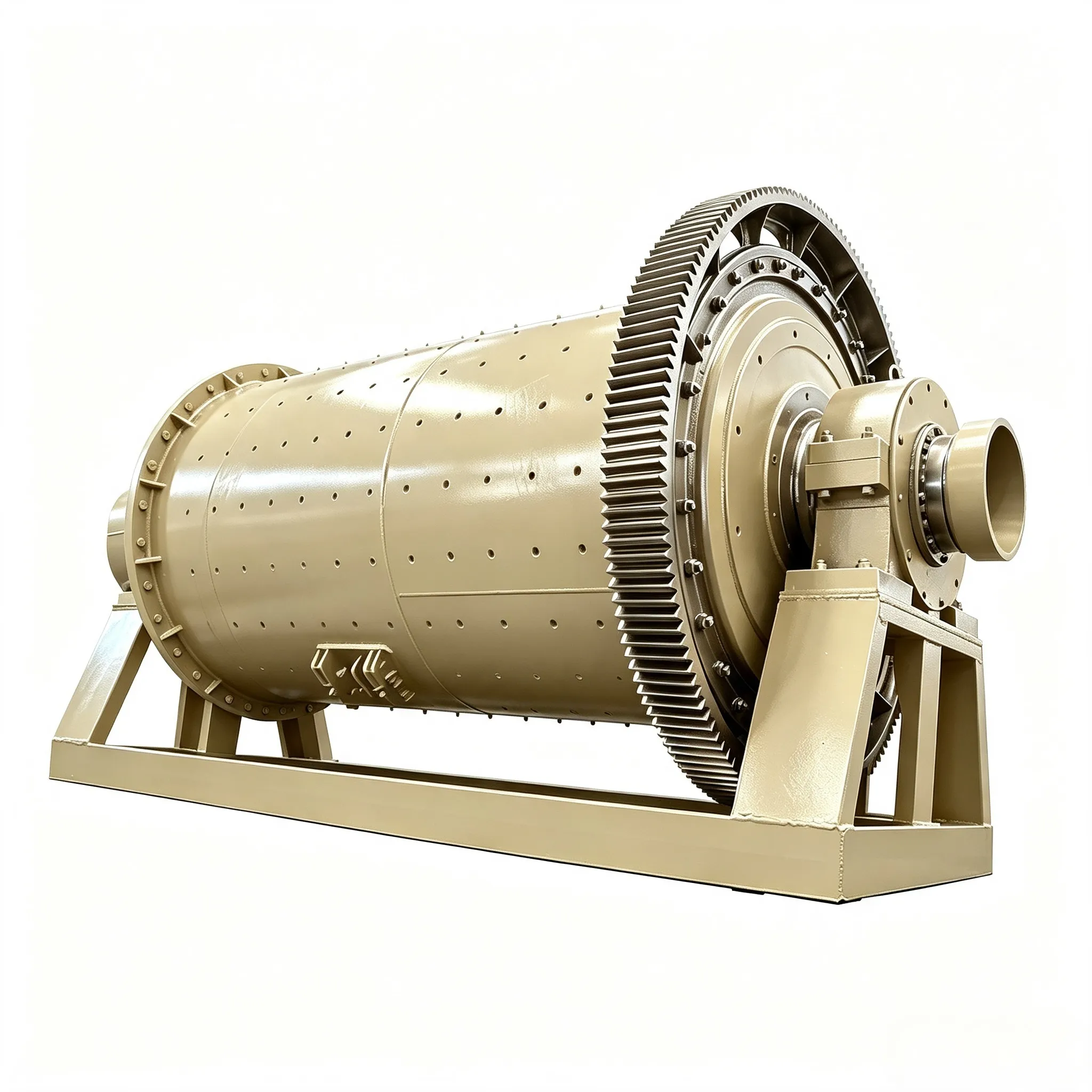
Pebble Mill
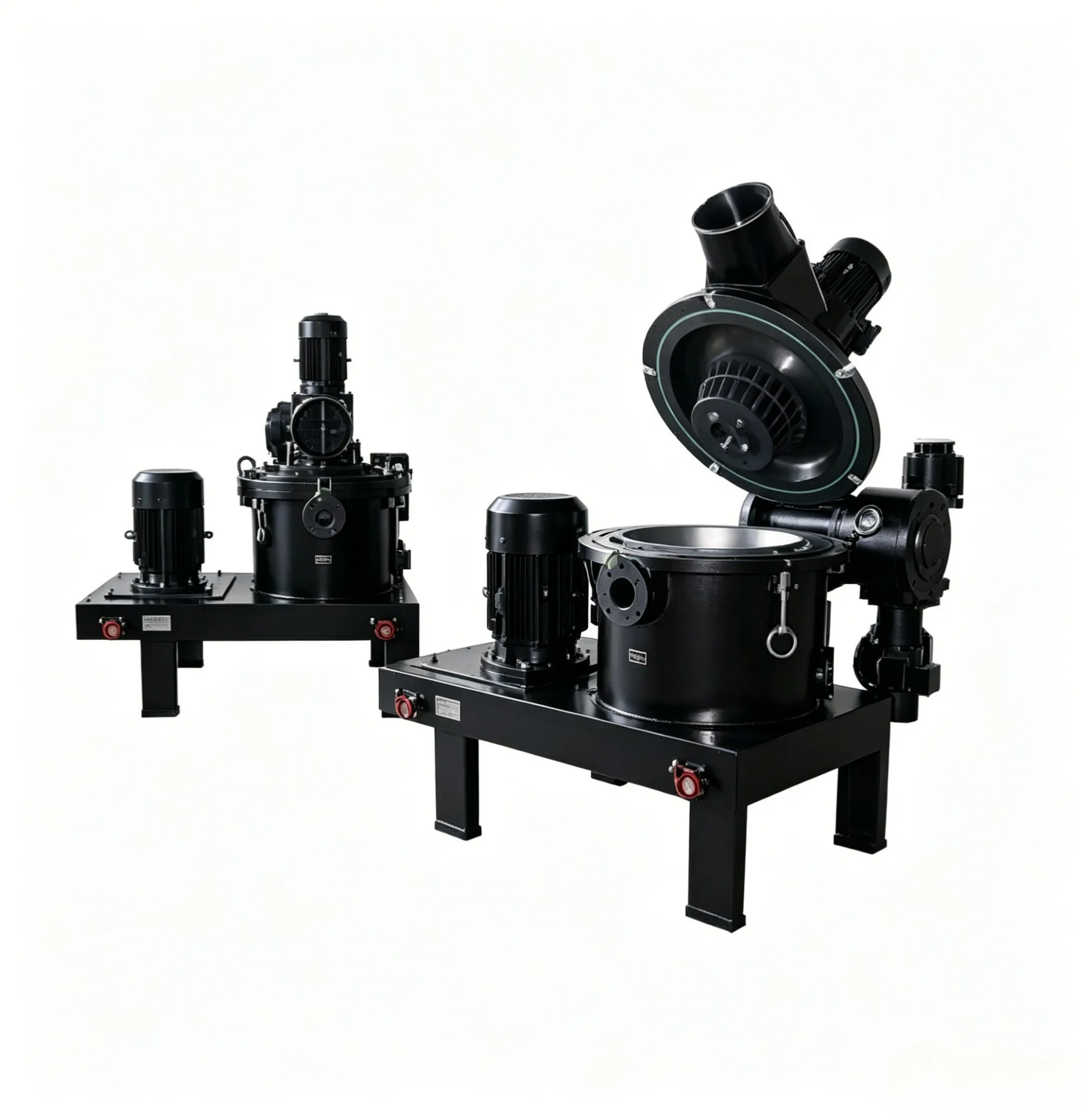
Construction of a Pebble Mill In some industrial sectors, such as chemical,…

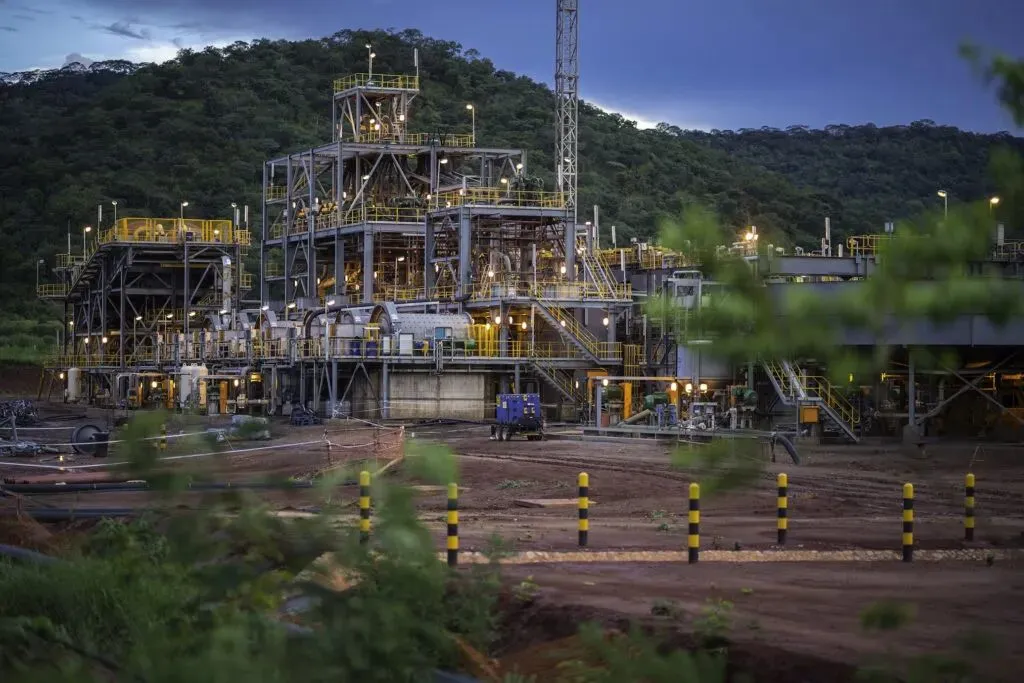
Mozambican President Daniel Chapo has signed a new mining law requiring all mining projects to have 15% domestic equity and mandating that minerals be processed locally. As demand for power battery raw materials rises, the country is using this to tighten control over its domestic mineral resources.
Mozambique is the world’s third-largest graphite producer, and graphite is a core raw material for new energy vehicles and energy storage batteries.
The country’s parliament reviewed and passed the mining bill in May. According to a Mozambican government announcement on June 3, the new law aims to strengthen control over the country’s strategic mineral resources and safeguard national interests.
Reuters, after reviewing the text of the bill on Thursday, learned that the Mozambican government will, through the state mining company (ENM), acquire at no cost a minimum 15% equity stake in all mining projects at all stages of the value chain; this equity cannot be diluted and requires no capital contribution.
Whether the new rules apply retroactively to existing producing mines remains undetermined; most existing operating mines have signed long-term investment agreements. Mozambique’s Ministry of Mining has not yet commented on the matter.
Currently, more and more African countries are tightening control over mineral exports and relying on domestic resources to boost economic returns, and Mozambique has joined this ranks: Zimbabwe, a major African lithium producer, and the Democratic Republic of the Congo, the world’s largest cobalt producer and an important copper producer, have both implemented similar tightening policies.
Syrah Resources’ Balama mine in northern Mozambique hosts one of the world’s largest graphite deposits; according to US Geological Survey data, the world’s top two graphite producers are China and Madagascar.
The world’s largest ruby mine, the Montepuez mine (controlled by Gemfields Group), is also located in northern Mozambique, and the country also has large coal assets established early on by Rio Tinto and Brazil’s Vale.
The new law explicitly states: in principle, direct exports of raw ore and semi-processed minerals are prohibited; exports may be permitted only under special approval by the mining minister and on the condition that the company submits a plan for local downstream processing.
List of Chinese enterprises affected by Mozambique’s 2026 Mining Law:
I. Large producing miners (zirconium-titanium/graphite/strategic minerals, affected by the triple impact of 15% state free-carried equity + raw ore export ban + 10% revenue community fund)
Main business: zirconium-titanium sand mines in Nampula/Zambezia, large flake graphite mine in Niassa (200,000 tonnes/year of downstream processing in production)
Impact: zirconium-titanium is a strategic mineral requiring the free transfer of ≥15% ENM equity; the original model of direct raw ore shipment back to China is invalidated, but the company has already established beneficiation + graphite downstream processing, and self-built infrastructure can be used to negotiate reductions in part of the community fund, while downstream processing business enjoys new policy preferences (Henan Provincial Geological Bureau).
Through the acquisition of ATZ and Felston, it controls two producing zirconium-titanium mines; mandatory state equity participation for strategic minerals + ban on raw ore exports means the original plan to export mineral sands to China is shelved, forcing additional investment in local beneficiation plants.
Coastal heavy sand zirconium-titanium mines in production, previously mainly exporting raw ore; after the new policy, it must build plants locally and transfer state free-carried equity, significantly raising export costs.
II. Small and medium-sized miners of lithium, rare earths, and gold (most severely hit by the new policy)
HuaTi Technology (A-share): acquired a local Mozambican lithium mining company, exploration only, no local processing plant; the new policy bans lithium raw ore exports, reducing mining rights value and suspending project investment (Henan Provincial Geological Bureau).
Hunan Jin’ang Holdings: mining rights for lithium, copper, and gold mines in Zambezi Province; lithium is listed as a strategic mineral, raw ore cannot be exported, and short-term capacity to invest in smelting is lacking, leaving some exploration projects shelved.
Chongqing Dongfang Resources Group: holds 8 gold mines + lithium/tantalum-niobium mines in Mozambique; tantalum-niobium and lithium are subject to mandatory 15% state shareholding + raw ore export ban; gold mines have no mandatory free-carried equity, but a 10% community fund is levied on revenue across all categories, squeezing profits.
Scattered private gold miners from the Zhaoyuan area: dozens of small and medium-sized investors from Zhaoyuan, Shandong, mainly engaged in open-pit gold mining and gold concentrate exports; the 10% revenue levy + increased localization requirements for labor have worsened the profitability of many small mines.
III. Chinese oil and gas enterprises
CNPC and CNOOC: natural gas exploration and development in Mozambique’s Rovuma Basin; a 10% community special fund is levied on total revenue, and local employment and local procurement targets are raised year by year, increasing operating costs.
IV. Chinese mining engineering/EPC contractors (open-pit general contracting severely hit, smelting EPC favorable)
Zhaoyuan Jindu Mining Machinery: open-pit stripping and beneficiation general contracting for Mozambican gold mines; the new policy prioritizes local enterprises for winning bids, leaving Chinese companies able to only subcontract, with gross margins falling sharply; only beneficiation EPC orders are growing.
Scattered mining construction teams from Shandong and Hebei: large-package projects for open-pit mining and short-haul transportation have been split up by local companies, and large numbers of small contractors are withdrawing from Mozambique.
Mainly engaged in mining area roads and plant civil construction; local subcontracting of project work is mandatory at ≥35%, and visa restrictions for Chinese personnel are tightening; benefits from new civil construction orders from lithium/zirconium downstream processing plant construction.
Domestic beneficiation and hydrometallurgy engineering enterprises: traditional mining construction is shrinking, but lithium/zirconium processing plants are being forced to be built across Mozambique, making downstream processing EPC a new business growth point.
V. Summary of impact levels
Severely damaged: pure raw ore export-oriented lithium mines, small and medium-sized zirconium-titanium mines, open-pit mining contractors
Moderately under pressure: producing zirconium-titanium/gold mines, oil and gas enterprises
Structurally favorable: enterprises that have already established integrated downstream processing, smelting EPC engineering companies

 English English
 Spanish
 Russian
 Arabic
 Swahili
 French
 Turkish
 Portuguese
 Korean
 Japanese
 German
 Italian