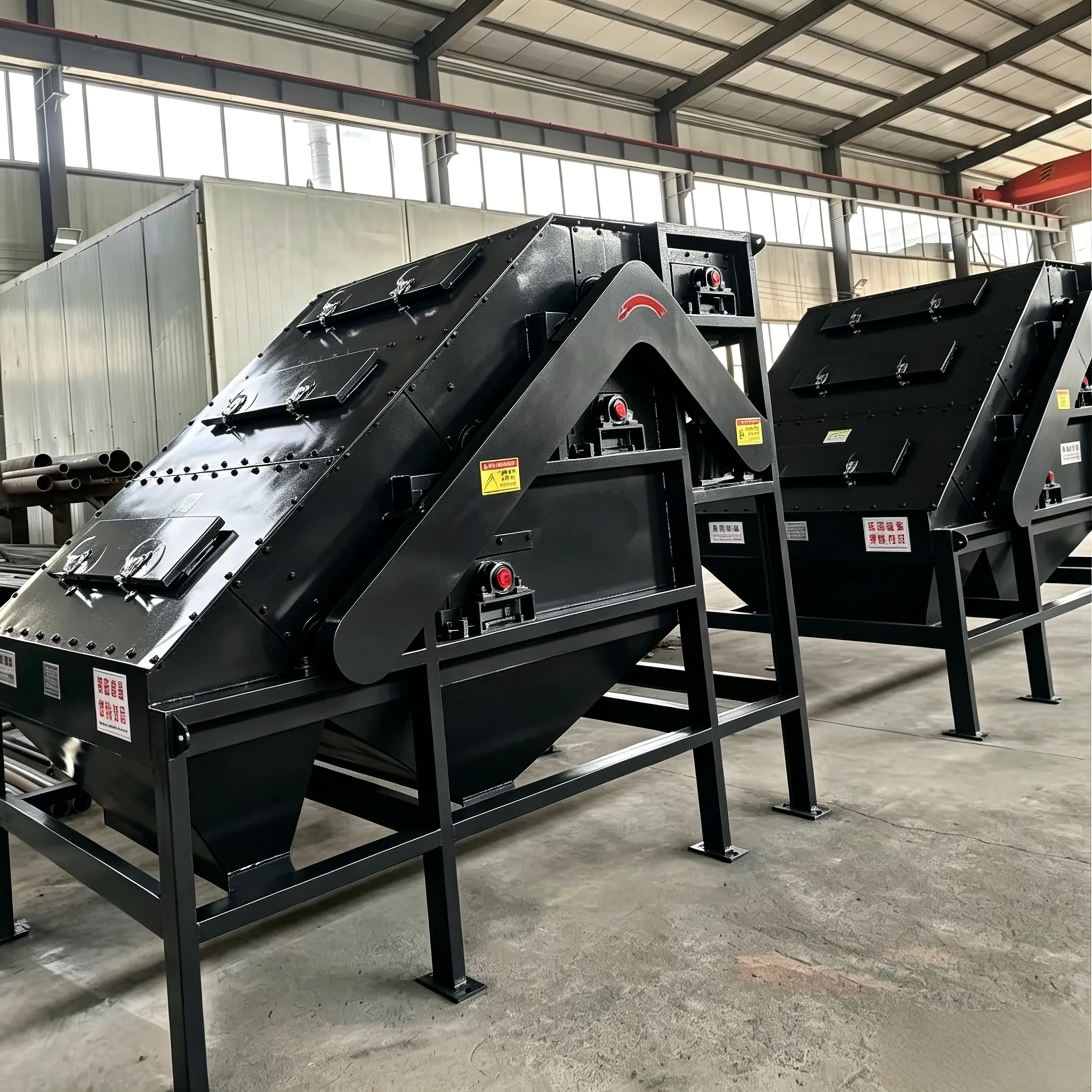
High Gradient Magnetic Separator
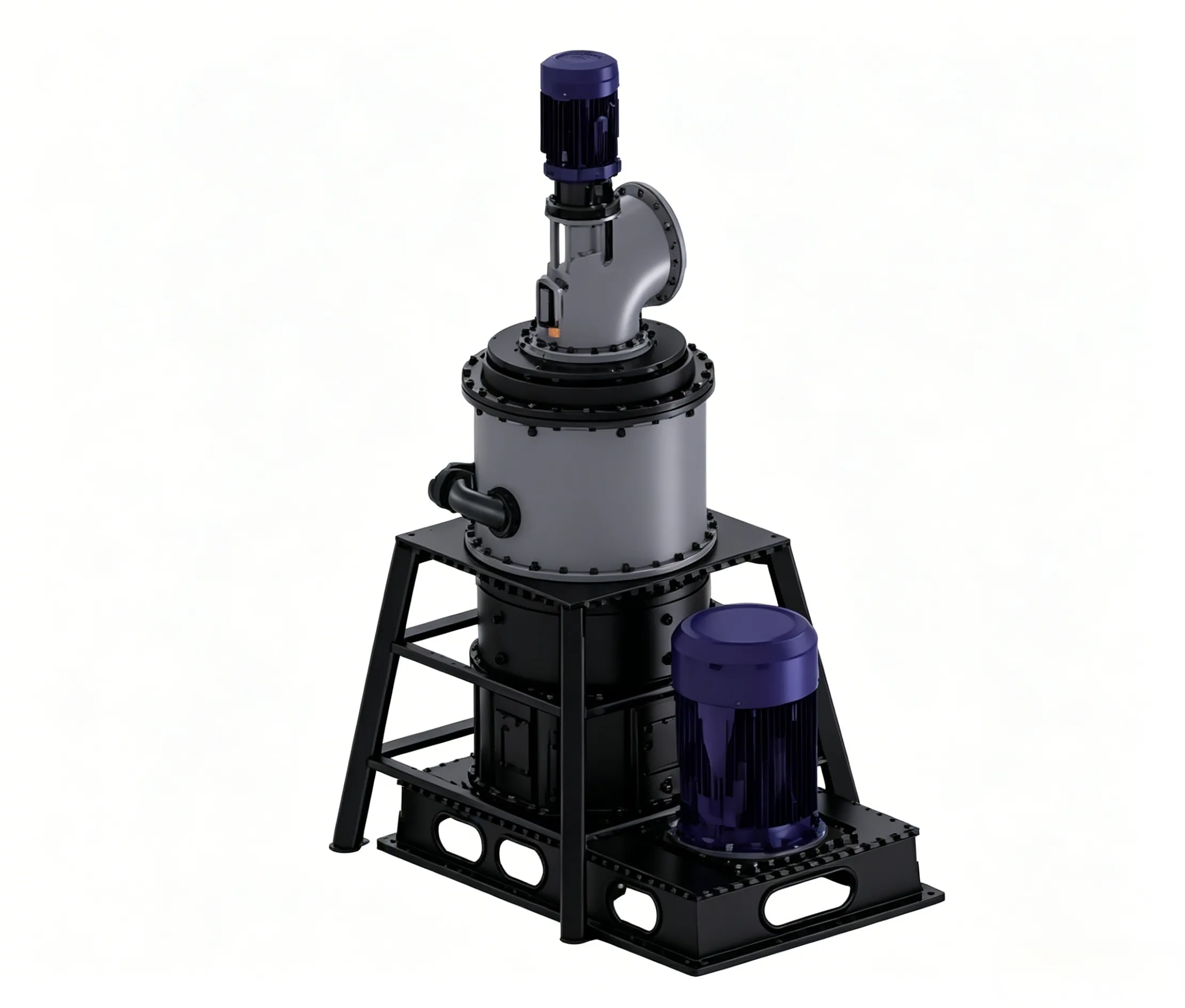
Construction of high gradient magnetic separator The separation principle of the high…


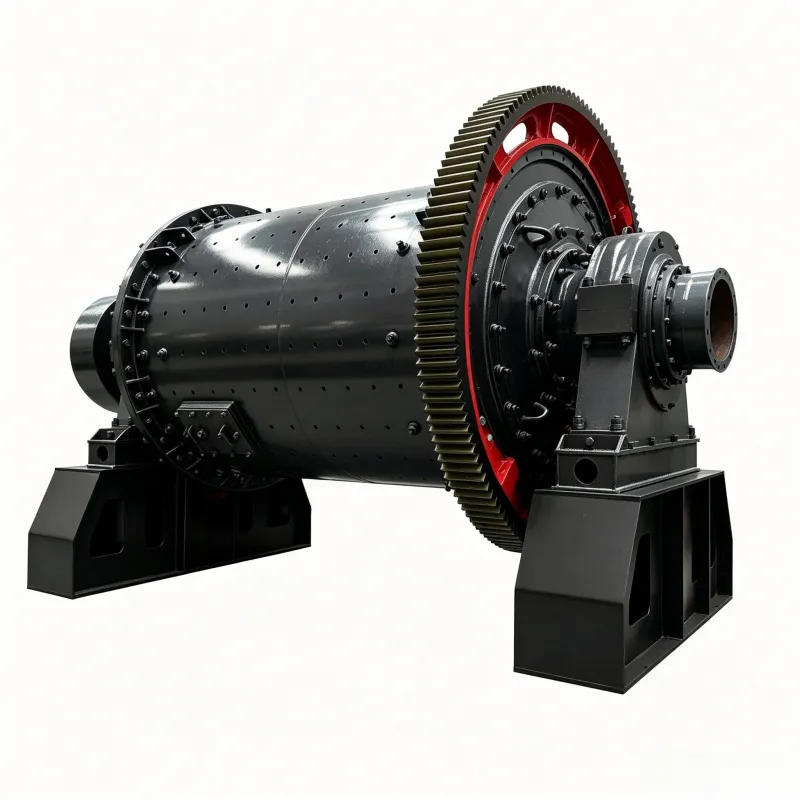
Deformation of the ball mill shell is a common issue that affects equipment service life and operational reliability. The main causes fall into three categories: improper operation and maintenance, manufacturing and welding defects, and prolonged overload operation.
Based on the above causes, prevention and mitigation can be addressed during design, fabrication, operation, and maintenance.
| Stage | Preventive and Remedial Measures | Key Points / Purpose |
|---|---|---|
| Design & Fabrication | Optimise weld seam design – Use the shortest possible weld length and appropriate plate thickness while ensuring strength. | Reduce welding workload and stress concentration. |
| Control welding processes – Apply pre‑deformation methods, shrinkage allowance, and rigid fixturing techniques. | Offset or limit welding distortion in advance. | |
| Ensure material quality – Strictly control the quality of shell steel plates and welds. | Guarantee adequate strength and toughness of the shell. | |
| Operation & Maintenance | Standardise shutdown procedure – For short stops (>30 minutes), rotate the shell 180° every 30 minutes until fully cooled. | Prevent deformation from static loading and uneven cooling. |
| Empty the mill for long‑term shutdown – Before any planned extended stop, completely remove all grinding media and material from the shell. | Eliminate the largest static load that causes deformation. | |
| Avoid overloading – Strictly adhere to the design specifications; do not arbitrarily increase the charge volume. | Prevent the shell stress from exceeding limits. | |
| Regular inspection and maintenance – Periodically check liner wear and fastening bolts; replace worn parts promptly to maintain balance. | Maintain dynamic balance and reduce impact and uneven loading. | |
| Post‑deformation Treatment | Turn‑and‑heat method – For minor shell deformation, try turning the shell 180° and apply uniform heating to the lower part (e.g., with hot air or a furnace), while rotating half a turn every 30 minutes, using self‑weight and thermal stress for correction. | An on‑site emergency measure; keep heat sources away from bearings and other precision components. |
| Weld repair – For cracks, first clean the crack and drill stop‑holes, then machine the crack into a 60° groove for welding repair. For severe cases, reinforcing plates should be added. | Professional repair for structural damage. |
Deformation of the ball mill shell can be effectively prevented through proper operating practices and diligent maintenance. The core principles are to avoid long‑term static overloading and sudden thermal shocks, while ensuring sound manufacturing and installation quality.
 English English
 Spanish
 Russian
 Arabic
 Swahili
 French
 Turkish
 Portuguese
 Korean
 Japanese
 German
 Italian