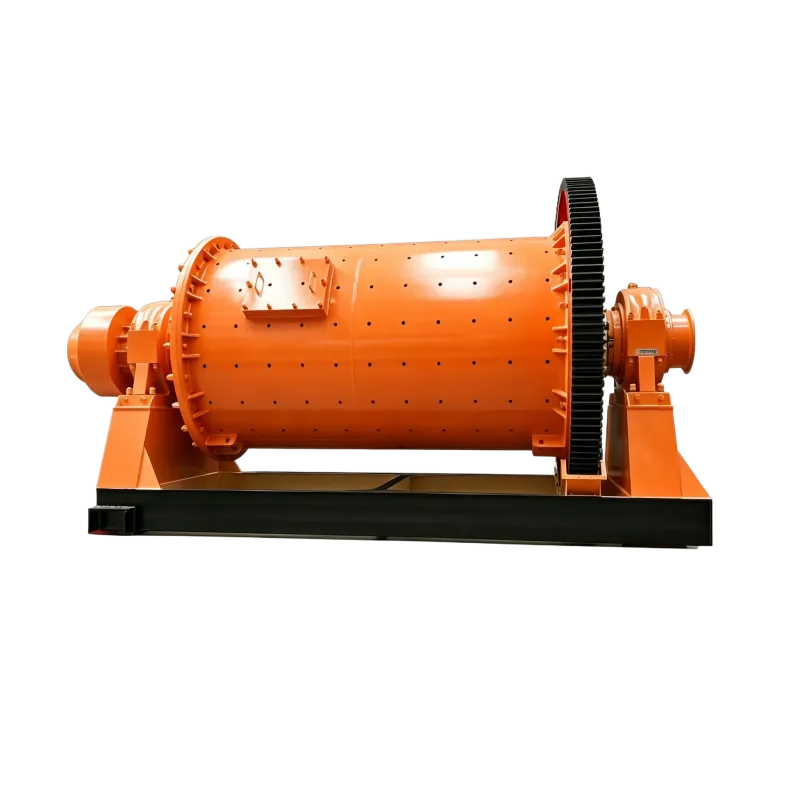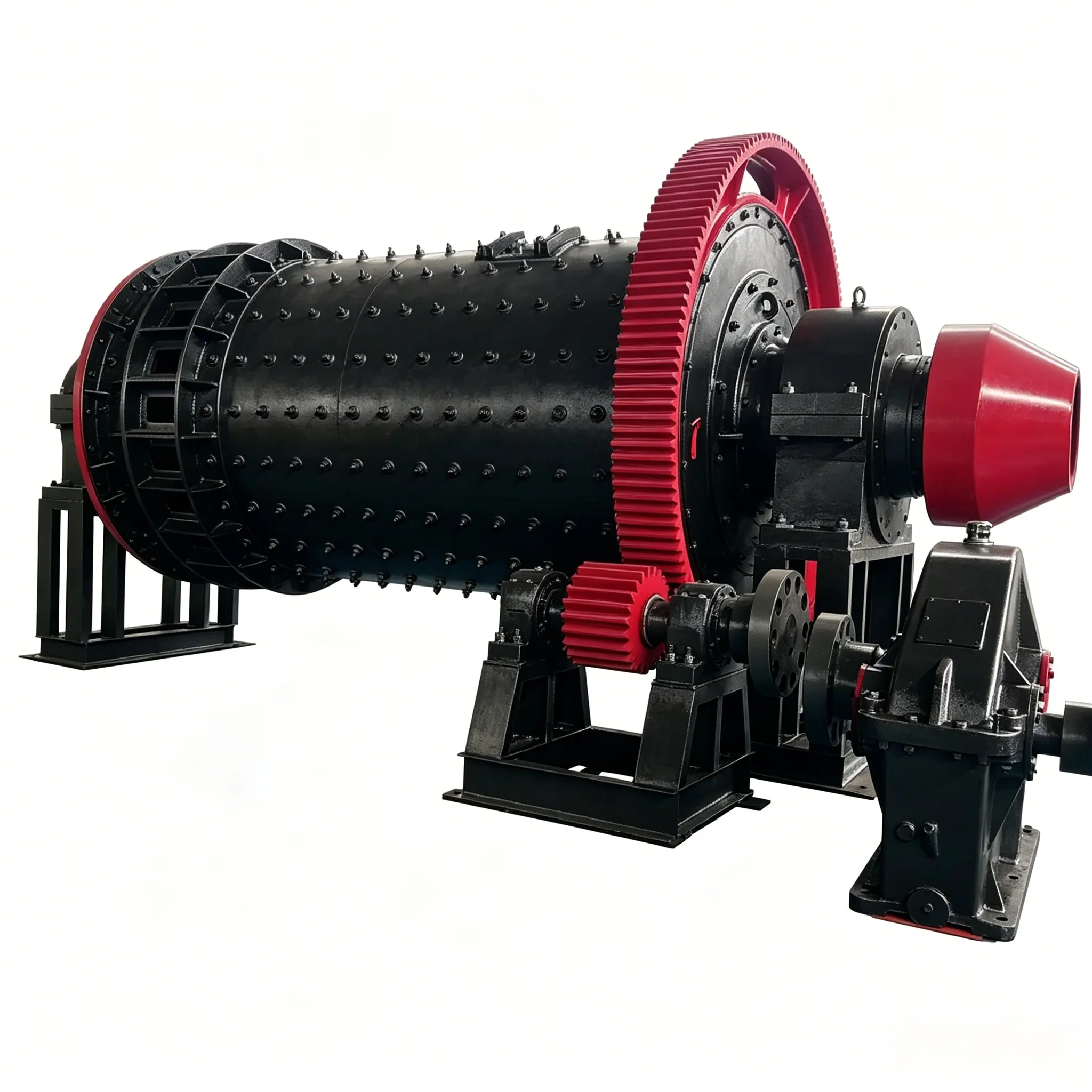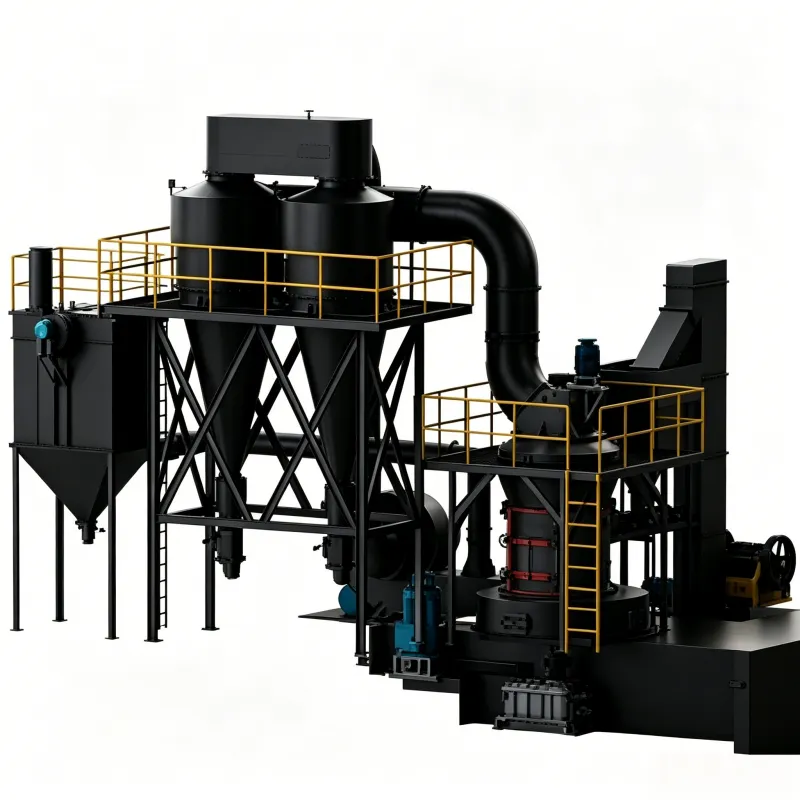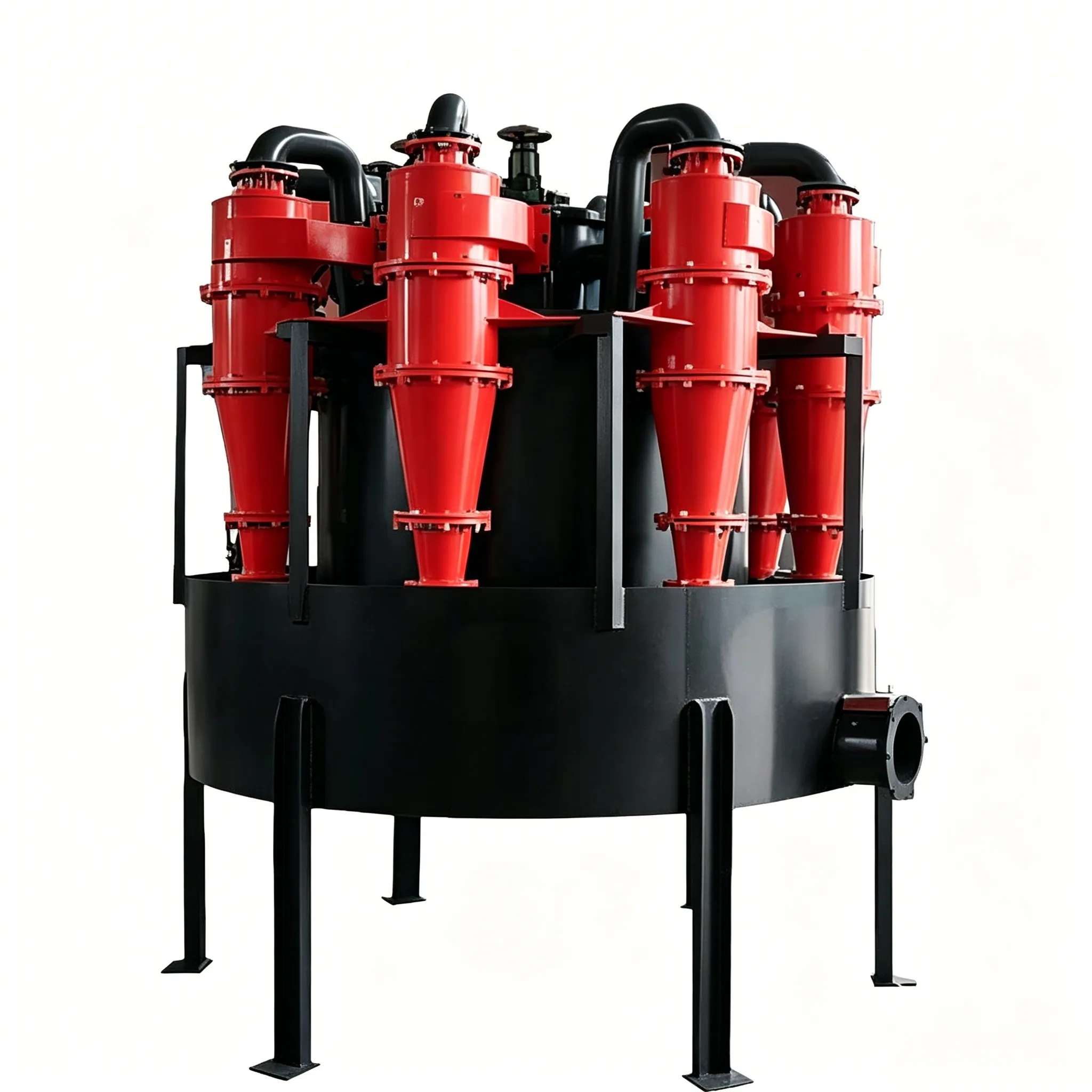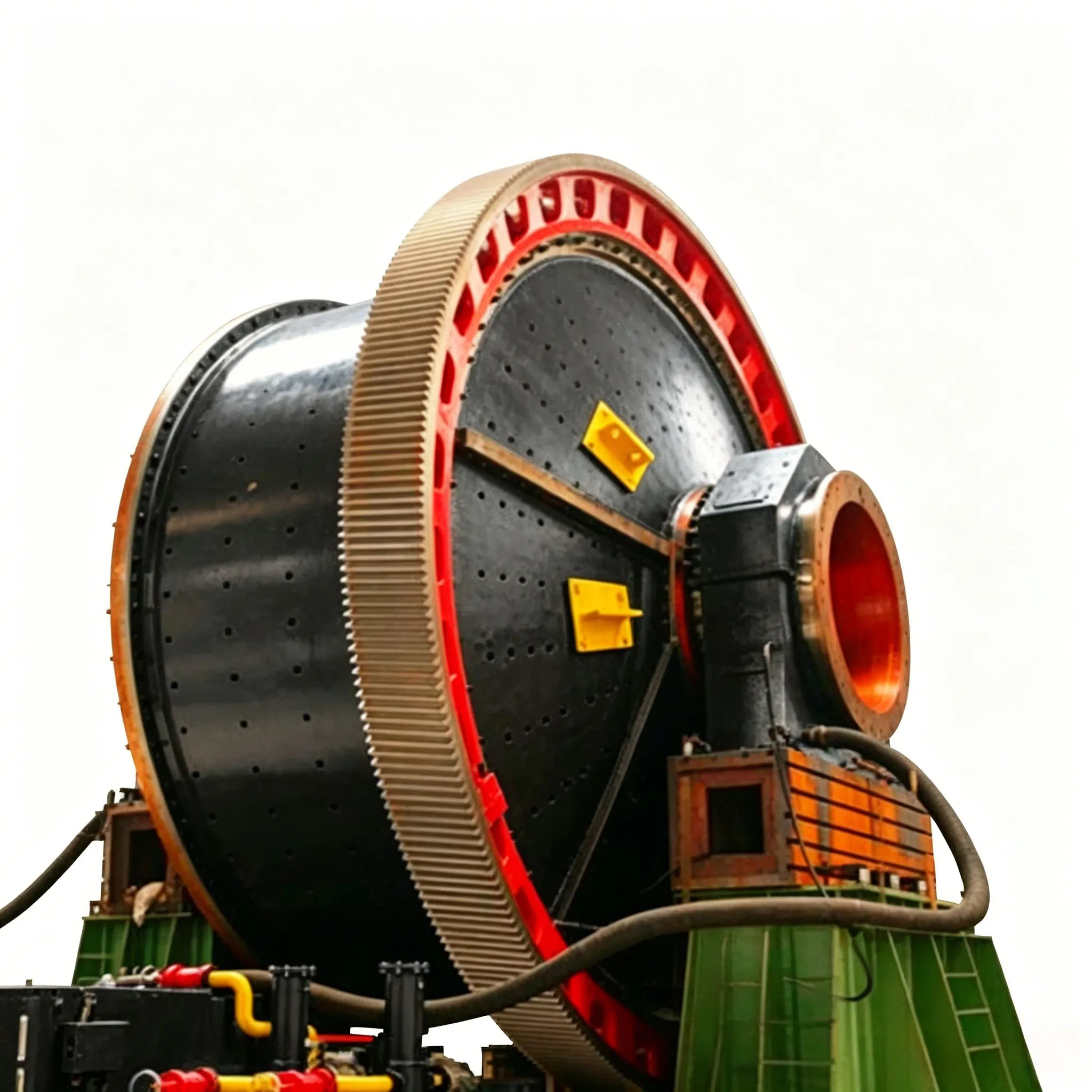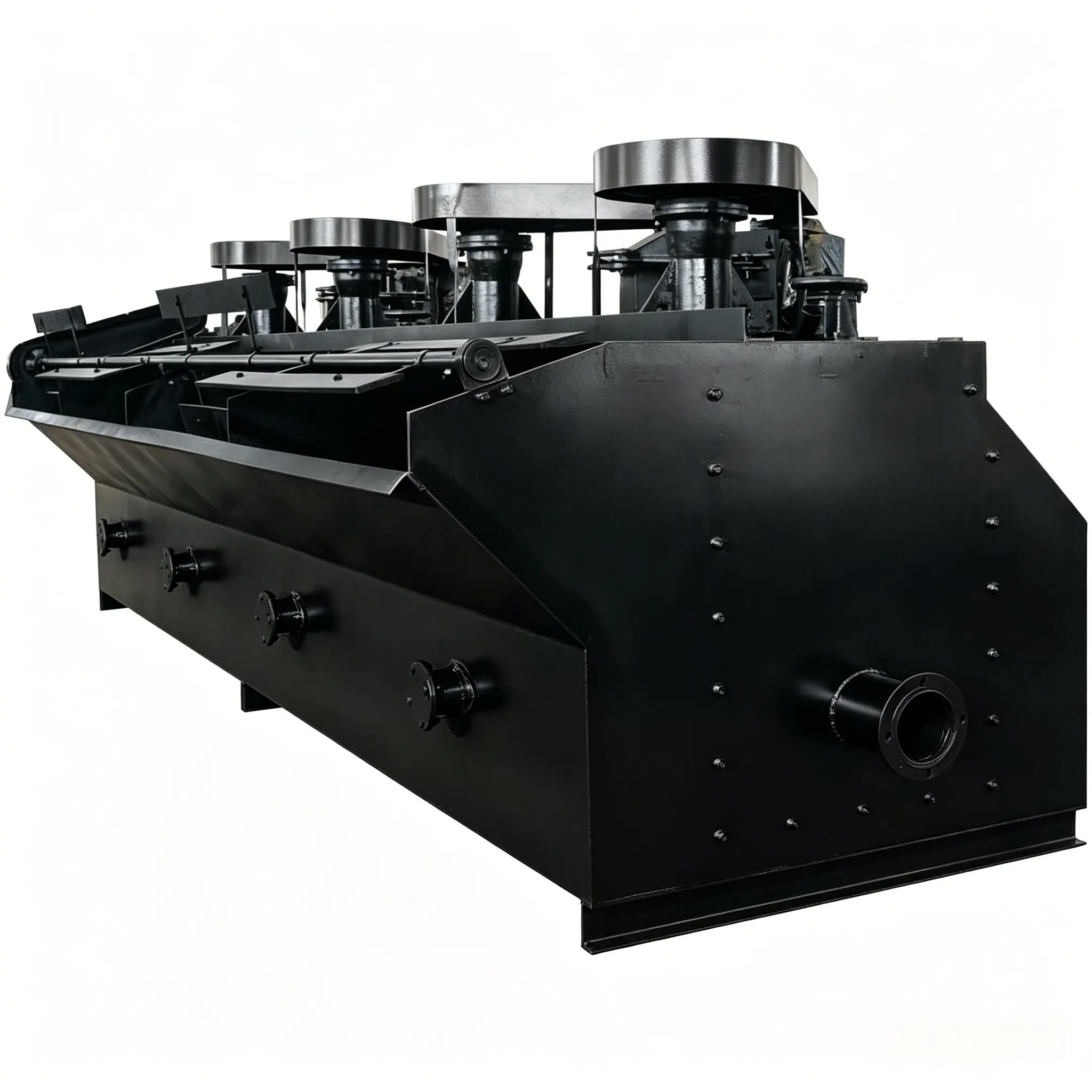
SF flotation machine
SF, BF flotation machines and the SF + JJF combined unit Initially,…


Iron ore collectors are mainly classified into three categories: anionic collectors, cationic collectors, and chelating collectors.
(1) Anionic Collectors Commonly used anionic collectors include fatty acids and petroleum sulfonates. The earliest widely used collectors were oxidized paraffin soap and tal oil. However, oxidized paraffin soap and tal oil have poor selectivity, making it difficult to achieve ideal beneficiation indicators for the concentrate, and are therefore rarely used now. In recent years, beneficiation workers in my country have mainly modified and mixed fatty acids and petroleum sulfonates to significantly improve their selectivity and enhance their collecting ability. For example, the RA series collectors developed by Changsha Research Institute of Mining and Metallurgy (including RA-315, RA-515, RA-715, RA-915, RA925 and RA/B combination reagents, etc.), the new high-efficiency collectors SH-37 and MZ-21 developed by Ma’anshan Research Institute of Mining, and the LKY collector and MH anionic collector developed by Ansteel have all been successfully applied in hematite beneficiation plants.
(2) Cationic Collectors The cationic collectors used in industrial applications are mainly amine collectors, used for the flotation of siliceous minerals, including aliphatic amines and ether amines. There are relatively few beneficiation plants in China using amine collectors, and the types of reagents are limited, mainly dodecyl aliphatic amines and mixed amines, with less research on diamine and ether amine collectors. Cationic collectors mainly include dodecylamine, ether amines, GE series collectors (such as GE-601 and GE-609 developed and produced by Wuhan University of Technology), and YS-73 type collectors.
Ether amines (mono- or poly-amines) are formed by adding one or more ether groups to amines and are among the most effective collectors for iron ore reverse flotation. The presence of hydrophilic RO- groups in the molecule improves the solubility of the reagent in water, making it easier to enter the solid-liquid and liquid-gas interfaces. It also improves the elasticity of the liquid film around the bubbles, resulting in good bubble performance.
To solve the problems of large foam volume, viscosity, and poor selectivity associated with dodecylamine, which affect subsequent processing, Ansteel Gongchangling Concentrator adopted new cationic collectors YS-73 and GE-601. These not only solve the problems associated with dodecylamine but also allow for direct tailings removal without magnetic separation, thus simplifying the process.
(3) Chelating Collectors Chelating collectors are collectors whose molecules contain two or more chelating groups such as O, N, and P, including hydroxamic acids and heteroatom organic compounds. These collectors can form stable chelates with metal ions on the mineral surface, and their selectivity is better than that of fatty acid collectors. For example, relevant units in my country have used Q-618 (hydroxamic acid) and RN-665 collectors to conduct flotation tests on iron ore from Dong’anshan, achieving good beneficiation indicators. However, these reagents have high requirements for water quality and high production costs, so they have not been industrially applied.