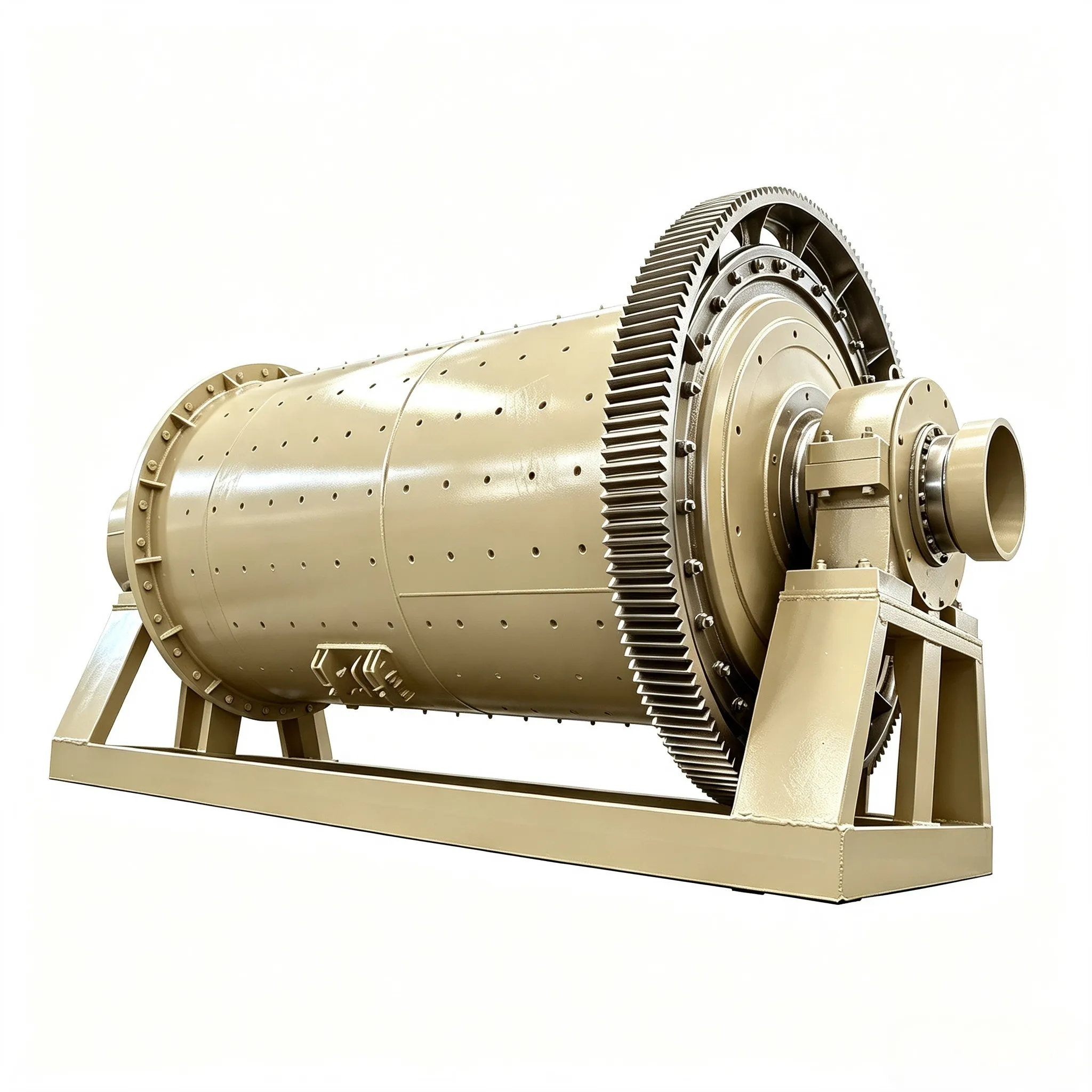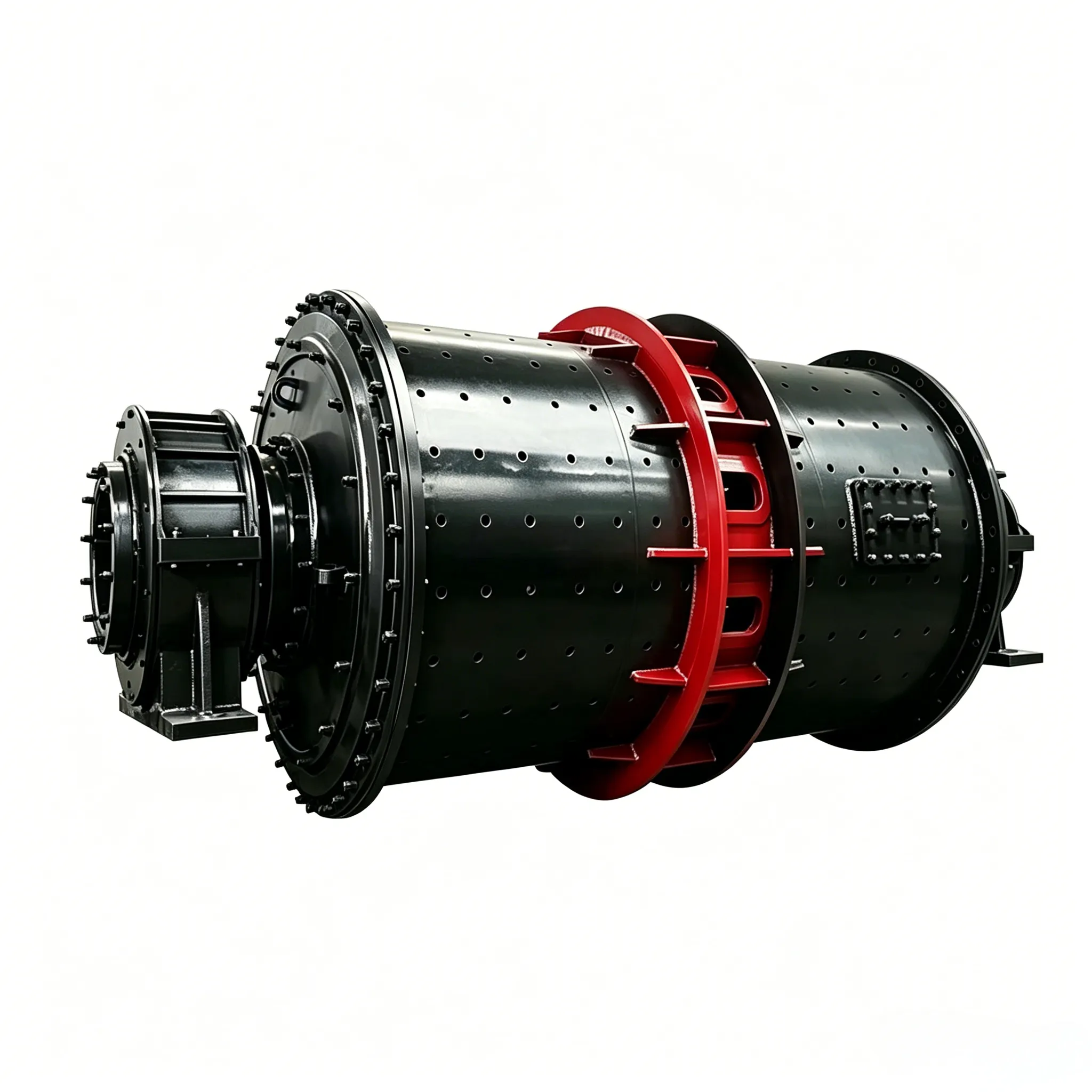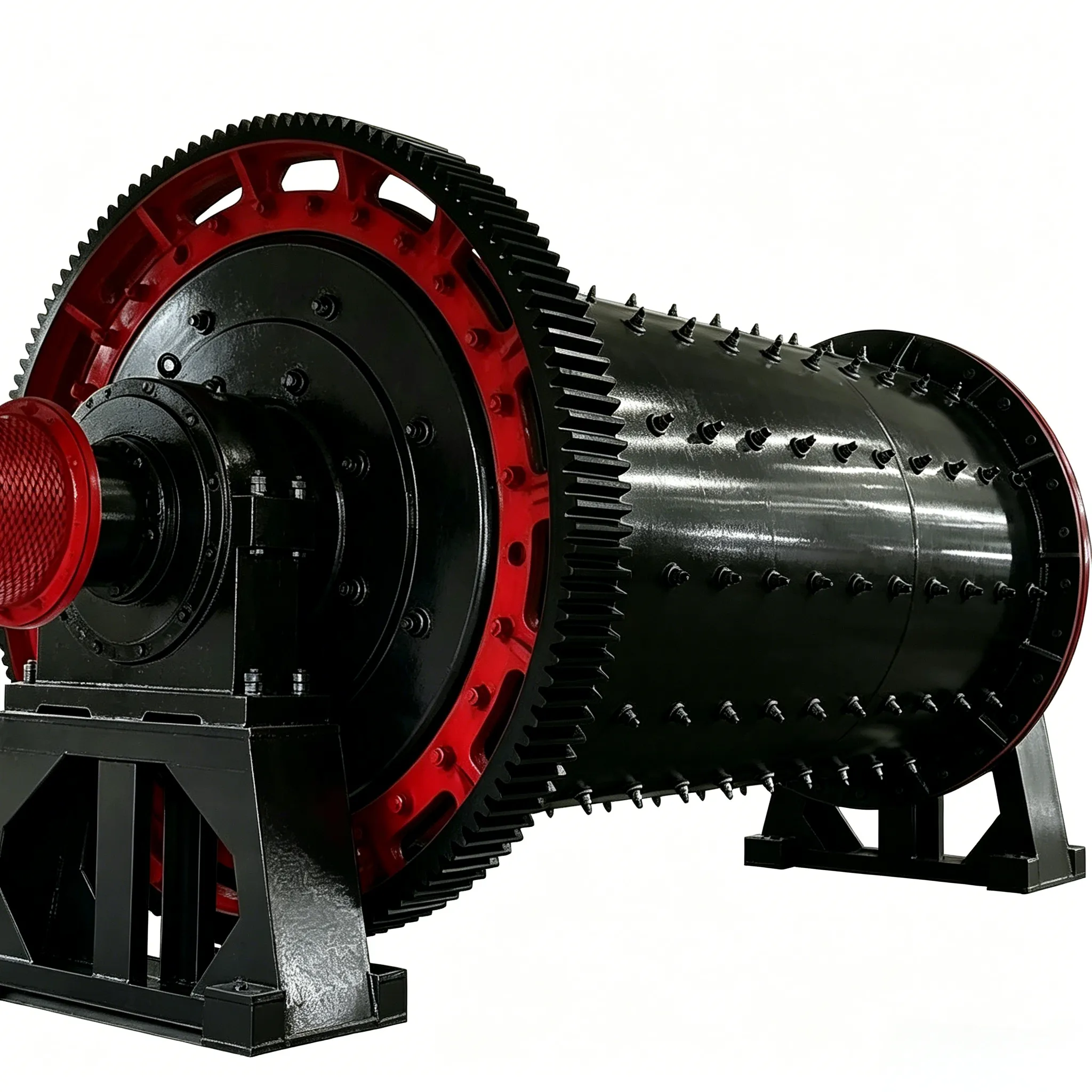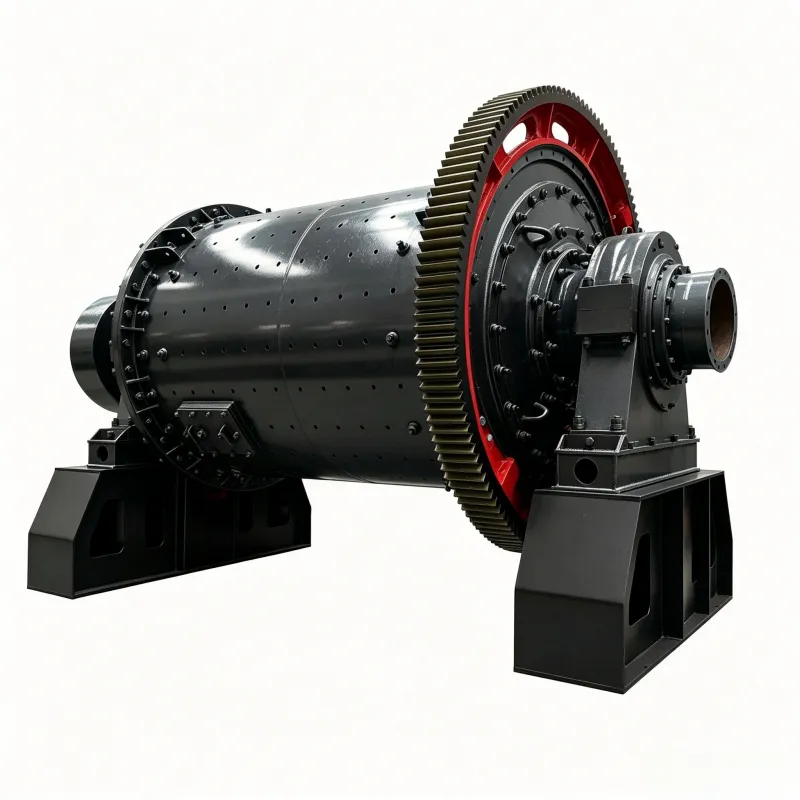


Feed size: ≤35mm
Product output: 1–80 t/h
Powder fineness: 80–400 mesh
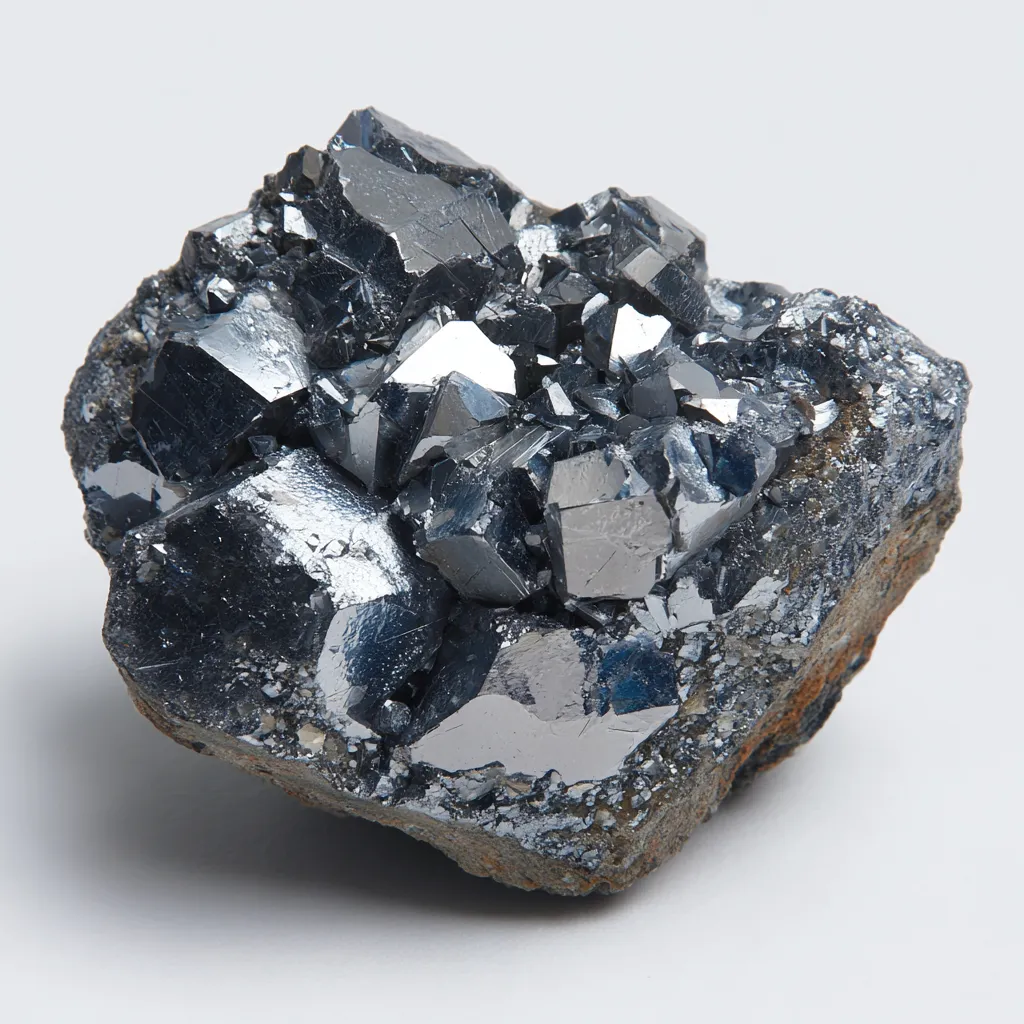
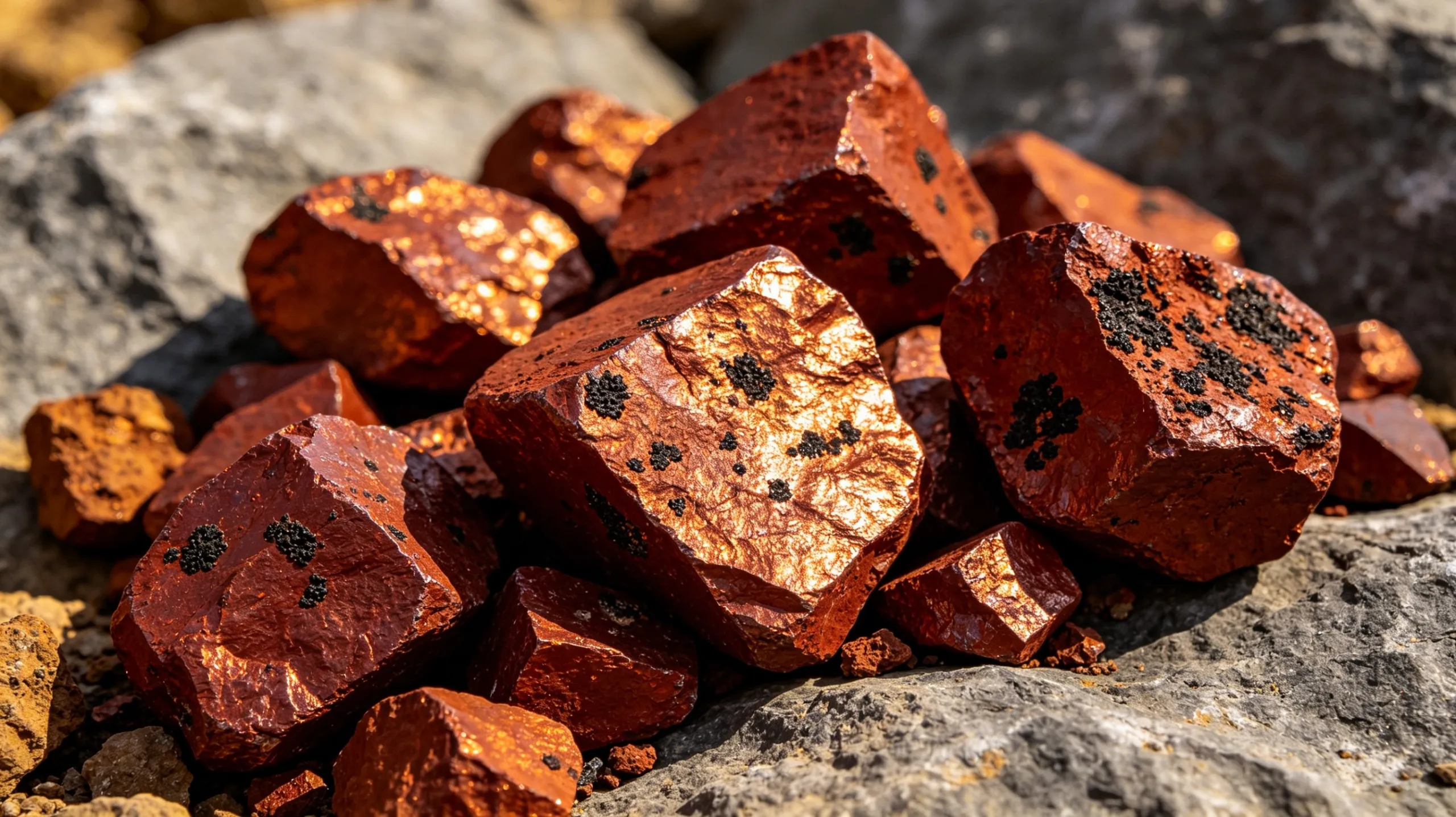
Applicable materials: limestone, marble, calcite, barite, dolomite, phosphate rock, potassium feldspar, granite, perlite, bentonite, kaolin, bauxite, talc, fluorite, zeolite, mica, gypsum, graphite, quicklime, calcium carbonate, activated carbon, iron oxide red, heavy calcium carbonate, etc.
Introduction to Raymond Mill
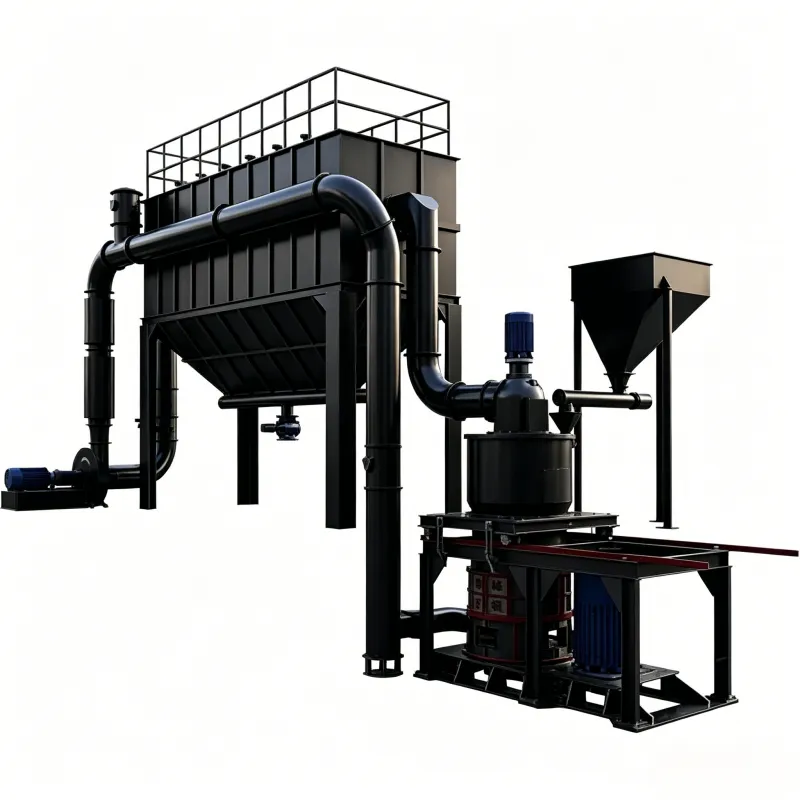
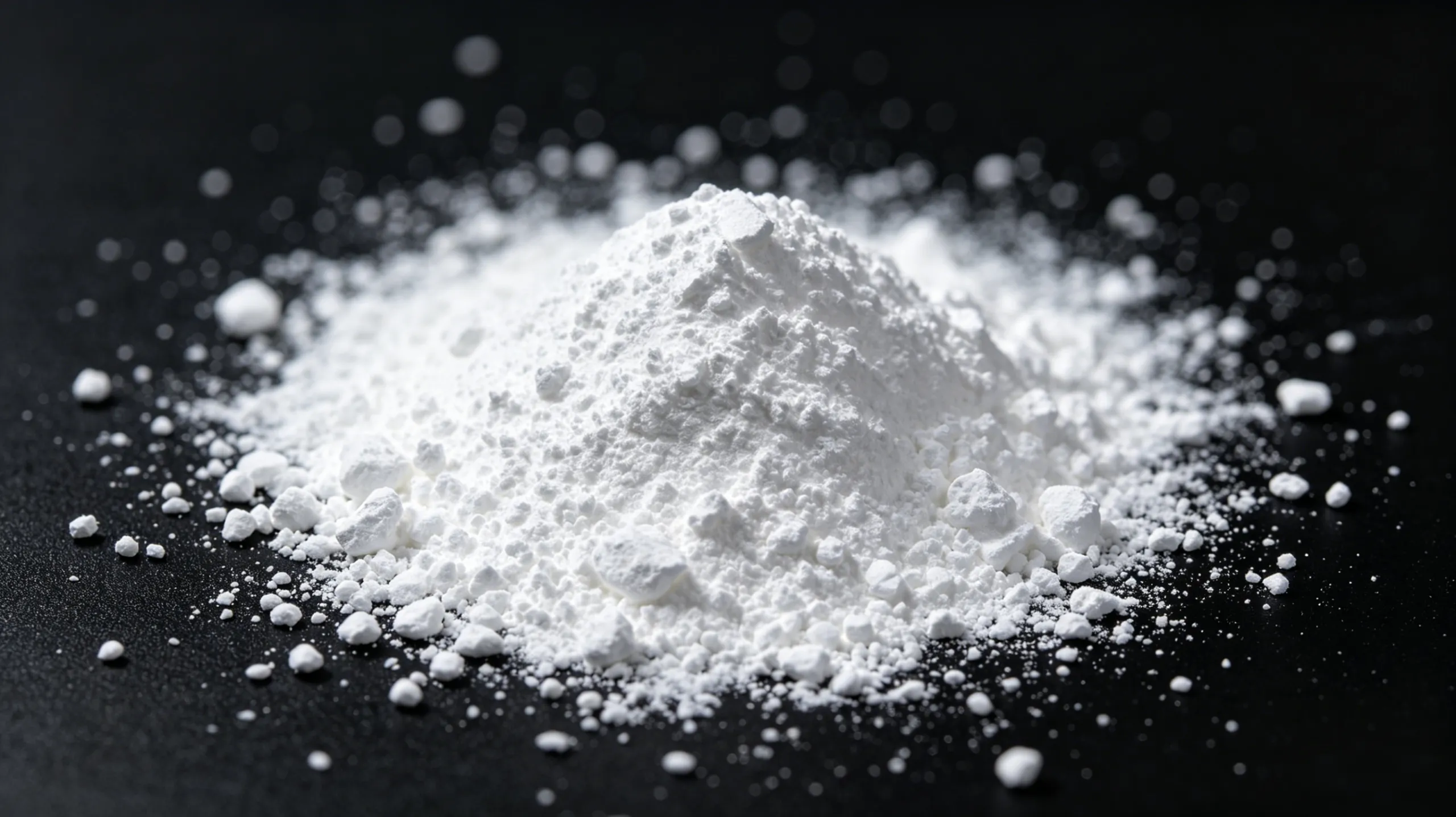
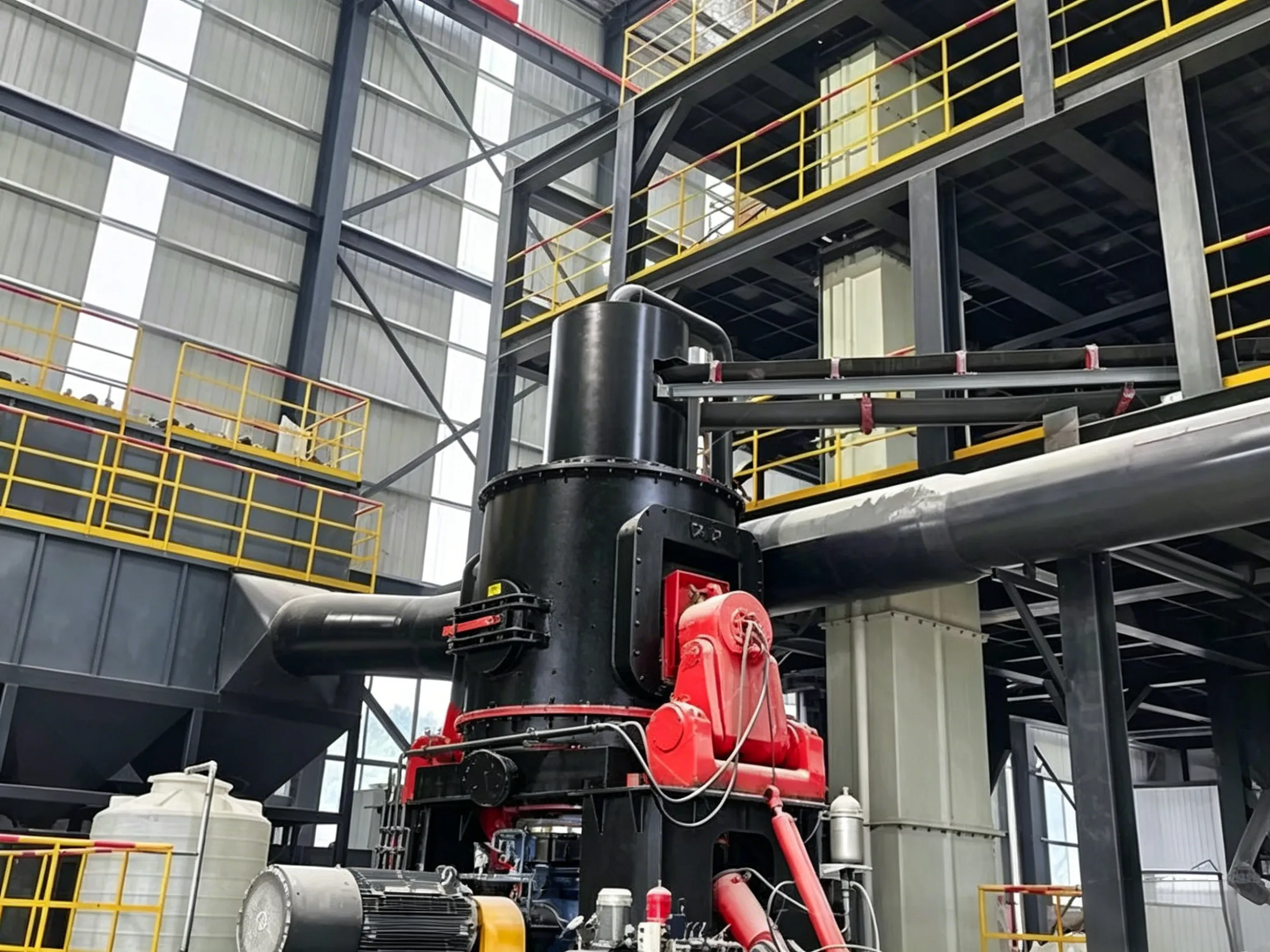
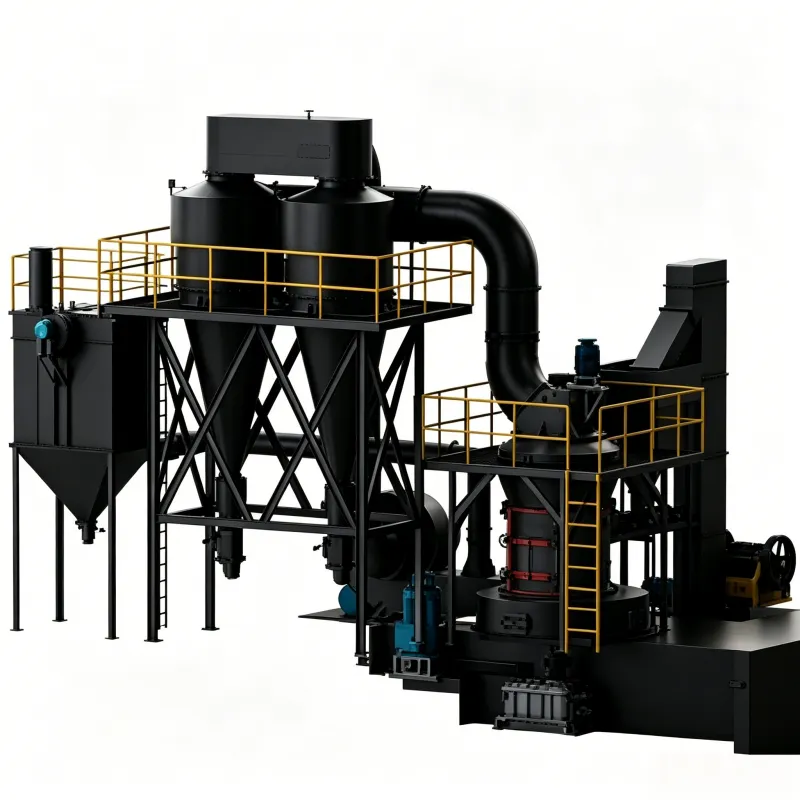
The Kx Raymond Mill is a core product developed and continuously improved by KENEX Mining Machinery based on the traditional pendulum mill, embodying 50 years of industry experience. It has outstanding advantages in the field of medium-fine powder processing (80–400 mesh): lower energy consumption than ball mills, higher production efficiency than ultrafine grinding mills, and lower investment cost than vertical roller mills. It produces uniform medium-fine powder (D97 < 325 mesh, particle size < 2 μm, content < 10%). It is suitable for grinding non-metallic minerals with Mohs hardness ≤7 and moisture ≤6%, and is widely used in mining, building materials, chemical engineering, metallurgy, environmental protection, and other industries.
Composition and Structure of the GK Raymond Mill
| System | Components | Function |
|---|---|---|
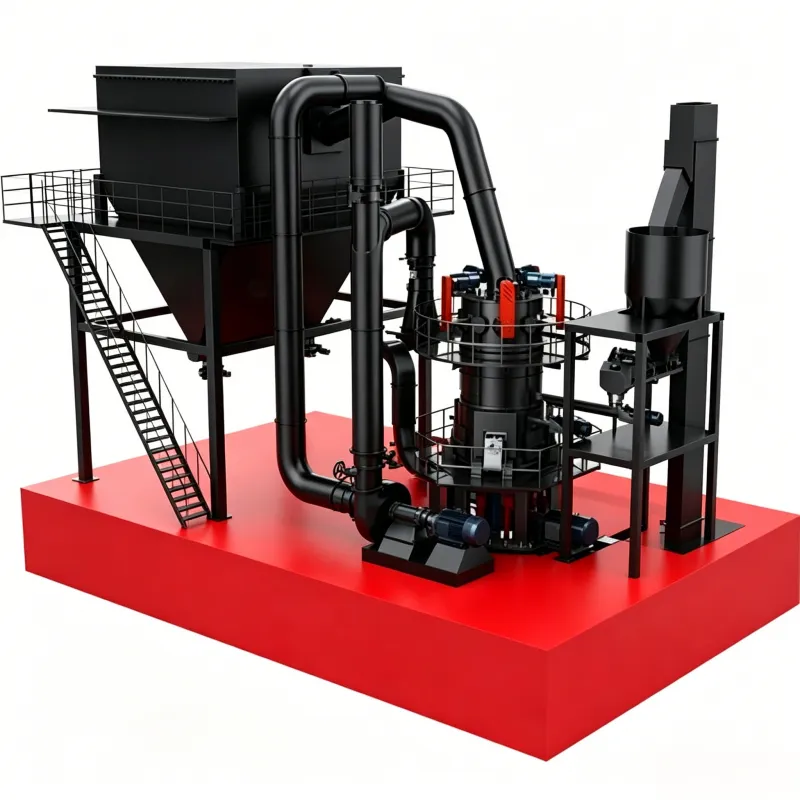
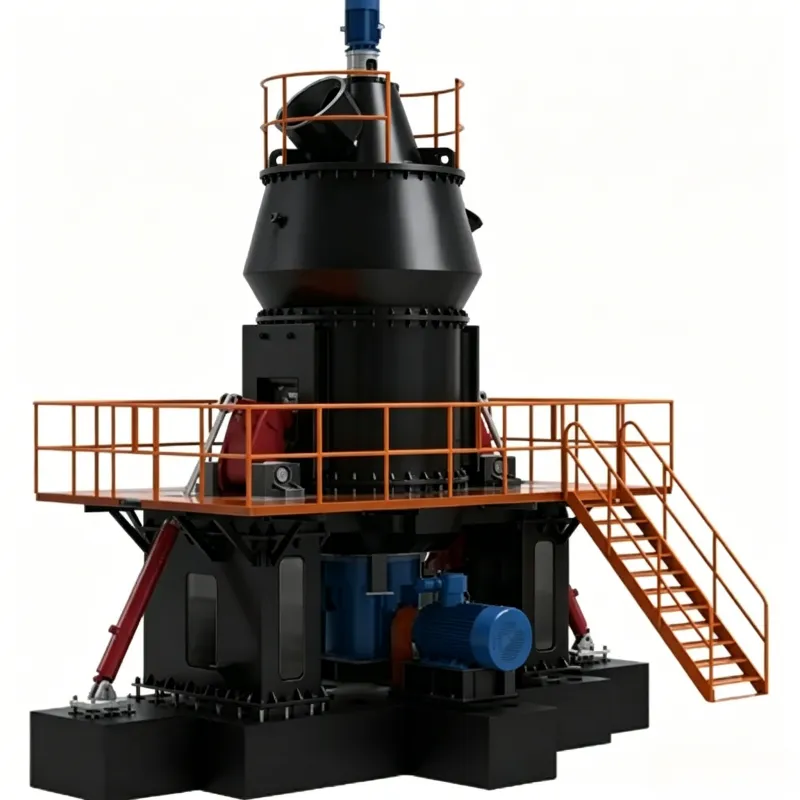
| Grinding System | Consists of grinding roller, grinding ring, shovel blade, spider frame, motor, reducer, etc. | Responsible for material grinding |
| Classification System | Uses a dynamic classifier, composed of rotor and blades | Controls product fineness |
| Collection System | Parallel double-cyclone collector design | Collects most of the finished fine powder |
| Dust Removal System | Uses pulse jet bag filter | Collects remaining dust and purifies exhaust gas |
| Air Circuit System | Composed of fan and ducts | Provides system airflow, creating a negative pressure closed environment |
Features and Advantages of the Raymond Mill
Compact Design
Vertical structure, simple construction, and small footprint — over 50% less floor space compared to ball mills.
High Efficiency & Energy Saving
Equipped with double cyclone collectors, improving collection efficiency by 10–15% over single cyclone design. Overall energy consumption is reduced by 30–40% compared to ball mills.
Precise & Controllable
Product fineness is precisely adjustable from 80 to 400 mesh, with stable output and uniform particle size. Sieve residue through 325 mesh is ≥95%.
Eco-Friendly
Negative pressure closed design effectively suppresses noise and dust leakage. Equipped with a two-stage dust collection system, exhaust emission concentration ≤10 mg/m³ (China national standard GB 16297-1996 requires ≤30 mg/m³ for key regions).
Wear-Resistant & Cost-Effective
Grinding rollers and rings are made of 100Cr6 or C45 high manganese steel / alloy steel, offering long service life. The acquisition cost is only 1/3 that of a vertical roller mill.
Process Flow of the Raymond Mill
Raw Material → Crusher → Elevator → Feeder → Raymond Mill → Cyclone Collector → Pulse Jet Bag Filter → Finished Product Packaging
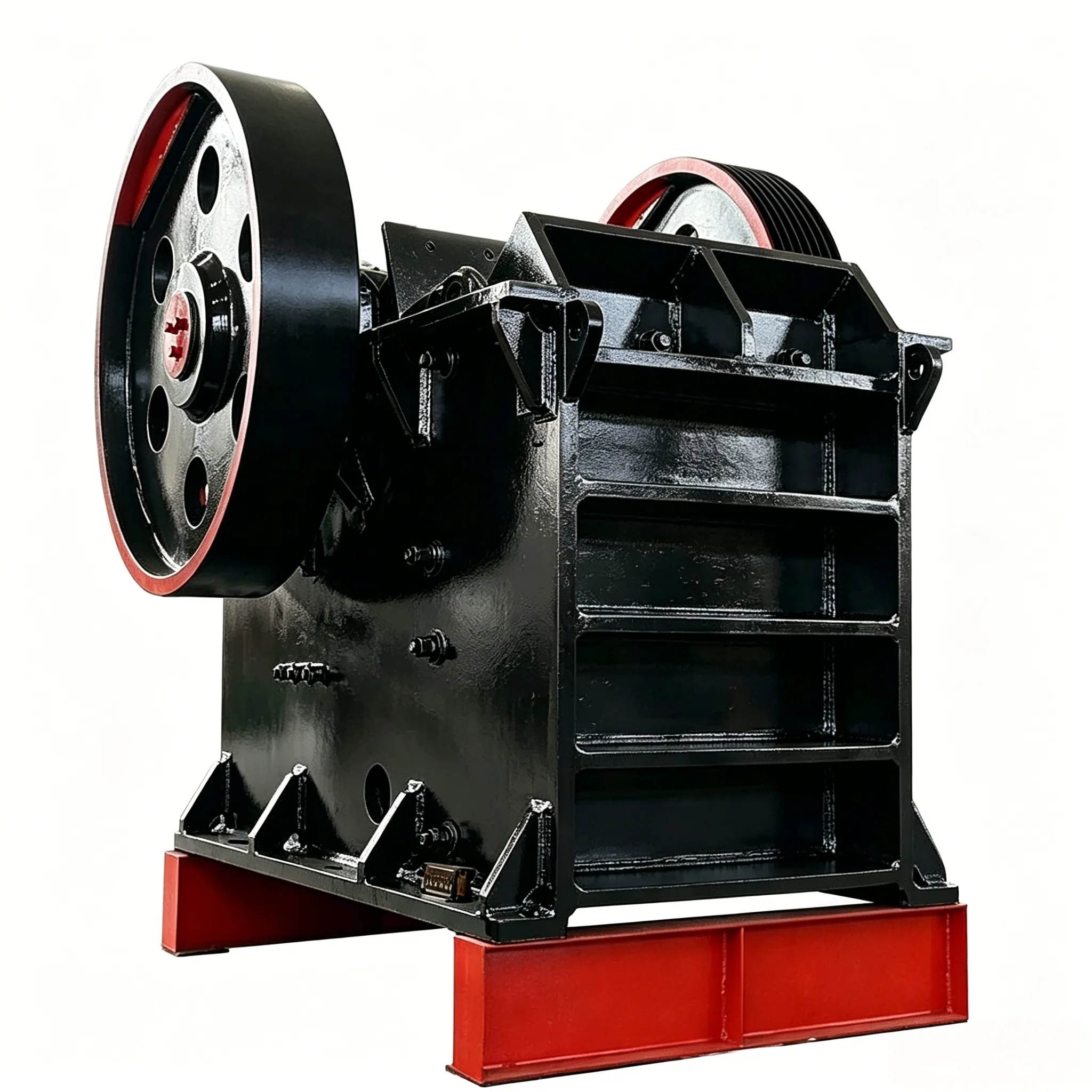
Large pieces of material are first crushed by a crusher (typically a jaw crusher) to a size that meets the mill’s feed requirement (≤35 mm). If the material moisture content exceeds 6%, drying treatment (natural drying or using a dryer) is required.
After the raw material is properly prepared, it is vertically conveyed by a bucket elevator to a storage hopper for buffer storage (horizontal conveying can be done using a belt conveyor). Then, a feeder (usually a vibrating feeder or belt feeder) uniformly, continuously, and quantitatively feeds the material into the Raymond mill main unit. If there are strict requirements for raw material purity, equipment such as magnetic separators or vibrating screens can be used for impurity removal and purification before the material enters the mill.
Once the material enters the main unit, it is scooped up by the rotating shovel blade at the bottom and thrown into the material layer formed between the grinding roller and the grinding ring. At the same time, the grinding rollers mounted on the spider frame rotate with the main shaft, and under centrifugal force, they press tightly against the grinding ring, crushing and grinding the material.
The ground powder is carried by the rising airflow generated by the fan to the classifier at the top for separation:
A PLC electric control cabinet with a variable frequency drive is used to adjust the classifier speed and system airflow:
The collection system consists of a cyclone collector and a pulse jet bag filter. The cyclone collector serves as the primary collection device, capturing 80–95% of the finished fine powder (>10 μm). The pulse jet bag filter acts as the secondary collection and dust removal device, recovering the remaining dust (especially ultrafine powder <10 μm) and purifying the exhaust gas. The total recovery rate of finished powder is high (>99.9%), with low emission concentration (≤10 mg/m³). The purified exhaust gas is discharged by the fan.
The collected finished powder is discharged through a discharge valve and conveyed via conveying equipment to a finished product silo. It is then metered and packed by an automatic packaging machine, or stored and transported in bulk form. If further value addition is required, the system can also be equipped with a modifier, granulator, magnetic separator, or other equipment for deep processing such as surface modification, shaping, and purification of the powder.
| KX Raymond mill data | ||||||||
| Model | Feed size (mm) | output size (mesh) | capacity (t/h) | power(kW) | dimension (mm) | |||
| main machine | fan | classifier | ||||||
| 4R3220 | ≤20 | 80~400 | 1~6 | 45 | 45 | 15 | 6950×4570×8295 | |
| Kx1280 | ≤20 | 1.5~10 | 55 | 55 | 15 | 8400×5650×8200 | ||
| 5R4128 | ≤20 | 2~15 | 90 | 90 | 22 | 8660×6050×9250 | ||
| Kx1500 | ≤20 | 3~18 | 110 | 110 | 22 | 8700×5500×9250 | ||
| Kx1620 | ≤30 | 5~22 | 160 | 132 | 30 | 9670×5570×10550 | ||
| Kx1700 | ≤30 | 6~28 | 185 | 160 | 37 | 9670×5570×10550 | ||
| Kx1850 | ≤30 | 6.5~30 | 200 | 200 | 37 | 10455×6830×9815 | ||
| Kx1920 | ≤30 | 7.5~33 | 220 | 220 | 45 | 13312×7690×9815 | ||
| Kx2150 | ≤30 | 10~40 | 250 | 280 | 45 | 11080×7600×11150 | ||
| Kx2500 | ≤35 | 11.5~50 | 280 | 280 | 45 | 11480×7730×11250 | ||
| Kx2750 | ≤35 | 15~80 | 450 | 450 | 75 | 17000×11000×15000 | ||
Multiple mills in parallel refers to operating two or more small to medium-sized Raymond mills simultaneously, achieving larger production capacity through quantity stacking. Advantages include: lower cost for small/medium units, phased investment, flexible startup/shutdown based on market demand, adjustable capacity and product types, and single‑unit maintenance without affecting other units. Disadvantages include larger footprint, slightly higher specific energy consumption, and more complex layout. This setup is suitable for scenarios with limited investment, fluctuating capacity needs, flexible product requirements, and project expansion.
A Raymond mill cannot efficiently grind coarse powder (≤80 mesh). During such operation, the fan speed must be reduced, causing material to linger in the grinding chamber and reducing efficiency. A lower‑cost crusher is generally preferred for coarse powder production.
It is generally not recommended to use a Raymond mill for ultrafine powder above 400 mesh. Energy consumption rises exponentially with fineness, and capacity becomes severely limited. An ultrafine grinding mill is typically preferred. If you already own a Raymond mill, you can retrofit it with an ultrafine classifier to extend fineness to 600 mesh, but the efficient grinding range remains around 400 mesh.
Yes, but it is not economical. A ball mill is generally preferred for grinding quartz. Quartz has a Mohs hardness of 7, which is at the upper limit of a Raymond mill. Grinding quartz accelerates wear on grinding rollers, rings, and other wear parts, leading to frequent downtime for replacement and higher maintenance costs.
The “R” in the model number stands for “Roller,” but the number (e.g., 4R) does not directly represent the roller count. The number indicates the performance level of the equipment. For example, the 4R3220 Raymond mill is a small to medium model, and it typically has 3–4 grinding rollers.
When selecting a Raymond mill, first examine grinding efficiency and fineness control — pay special attention to the material of the grinding rollers and ring, and the precision of the classifier. Second, evaluate operational stability and maintenance cost — long service life of wear parts ensures continuous production. Finally, consider environmental compliance and automation level — must meet national dust emission standards (≤30 mg/m³).
 English English
  Spanish
 Russian
 Arabic
 Swahili
 French
 Turkish
 Portuguese
 Korean
 Japanese
 German
 Italian