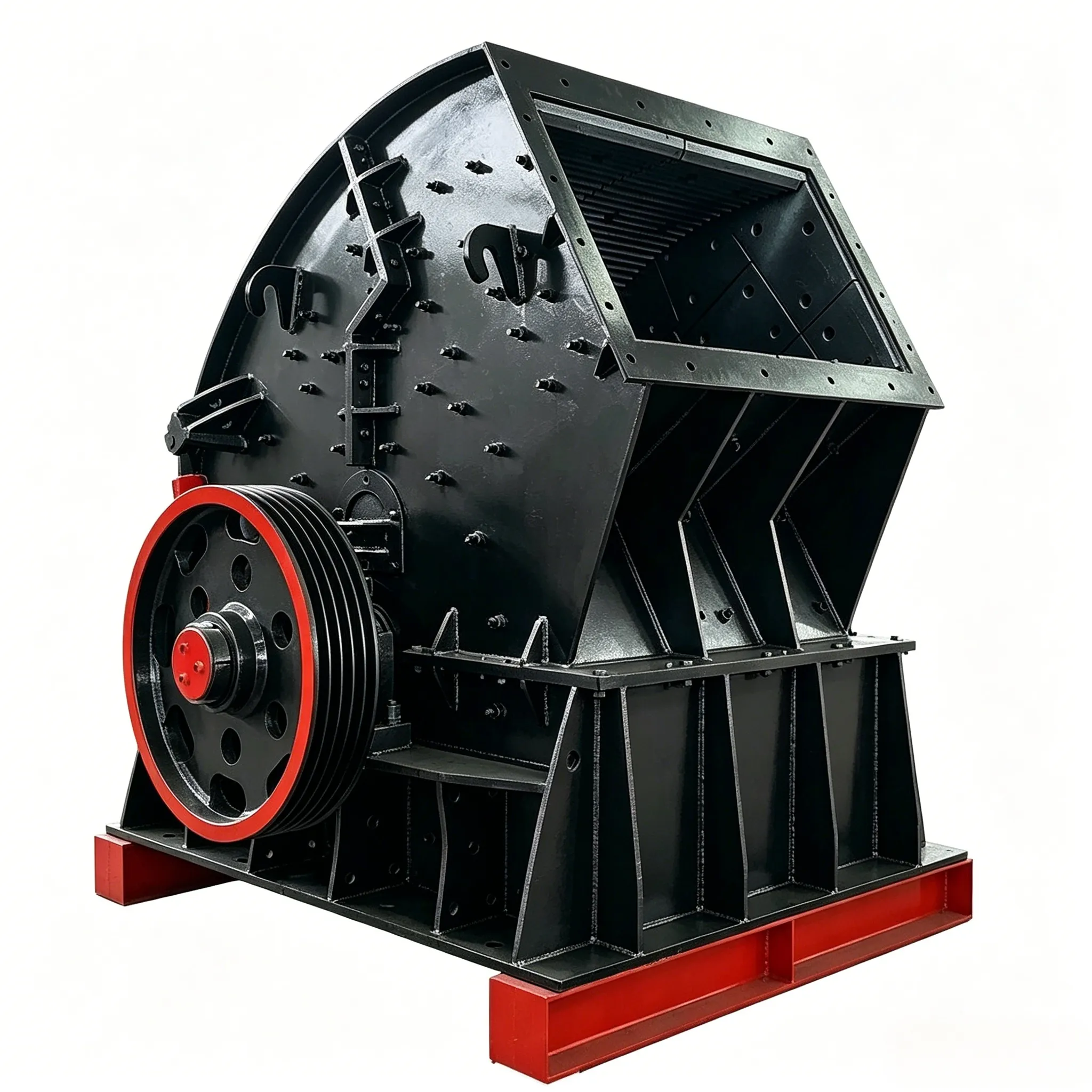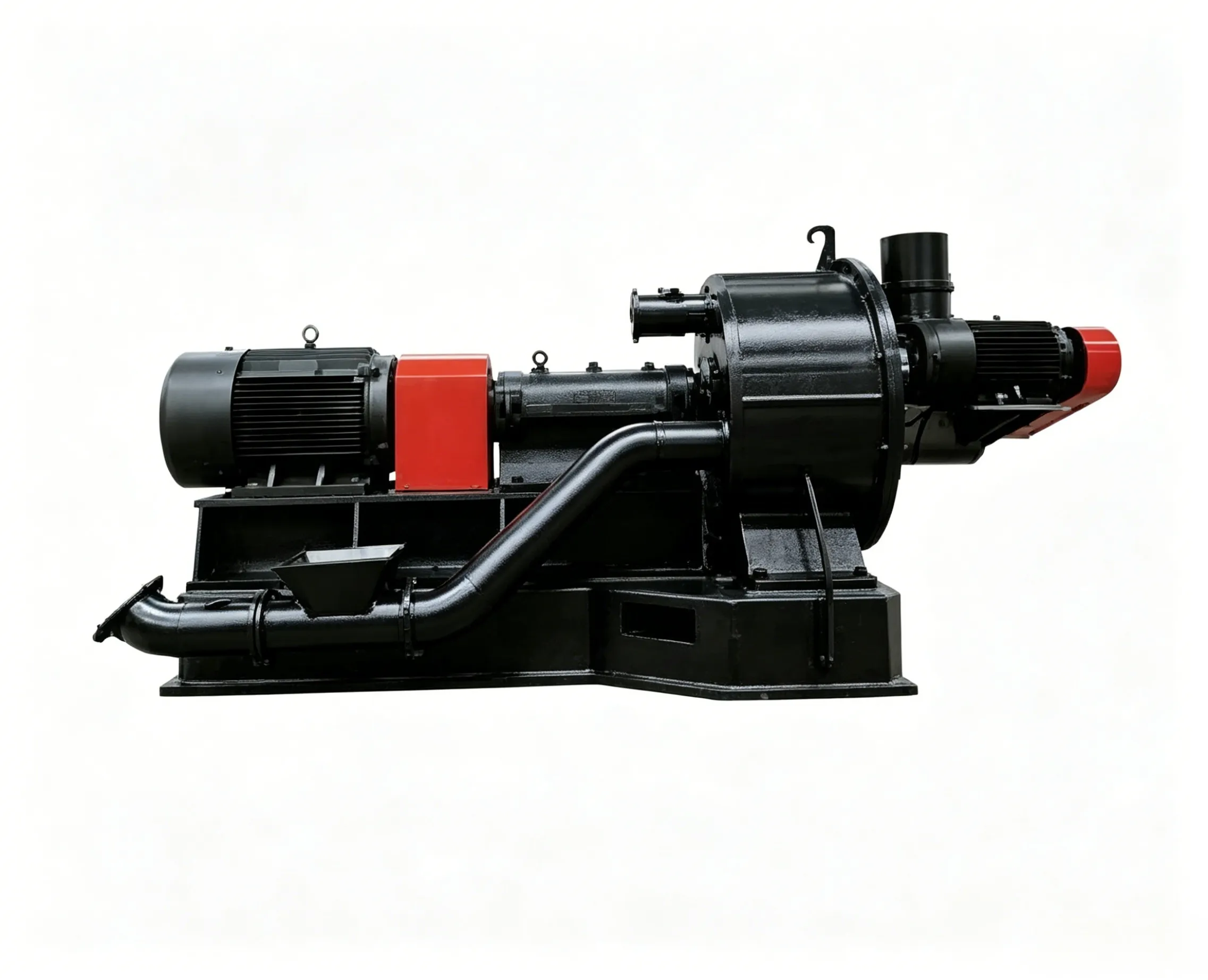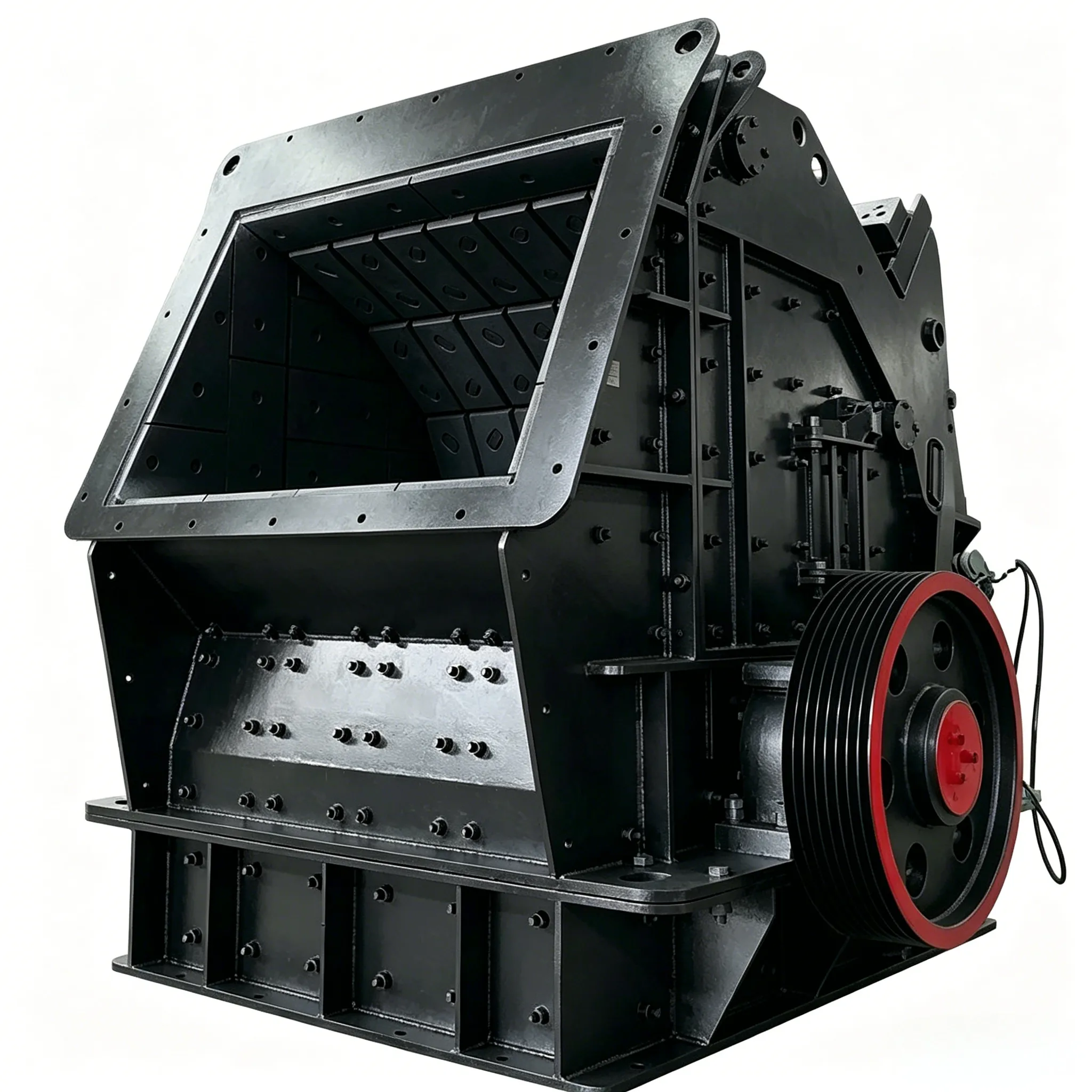
Rod Mill
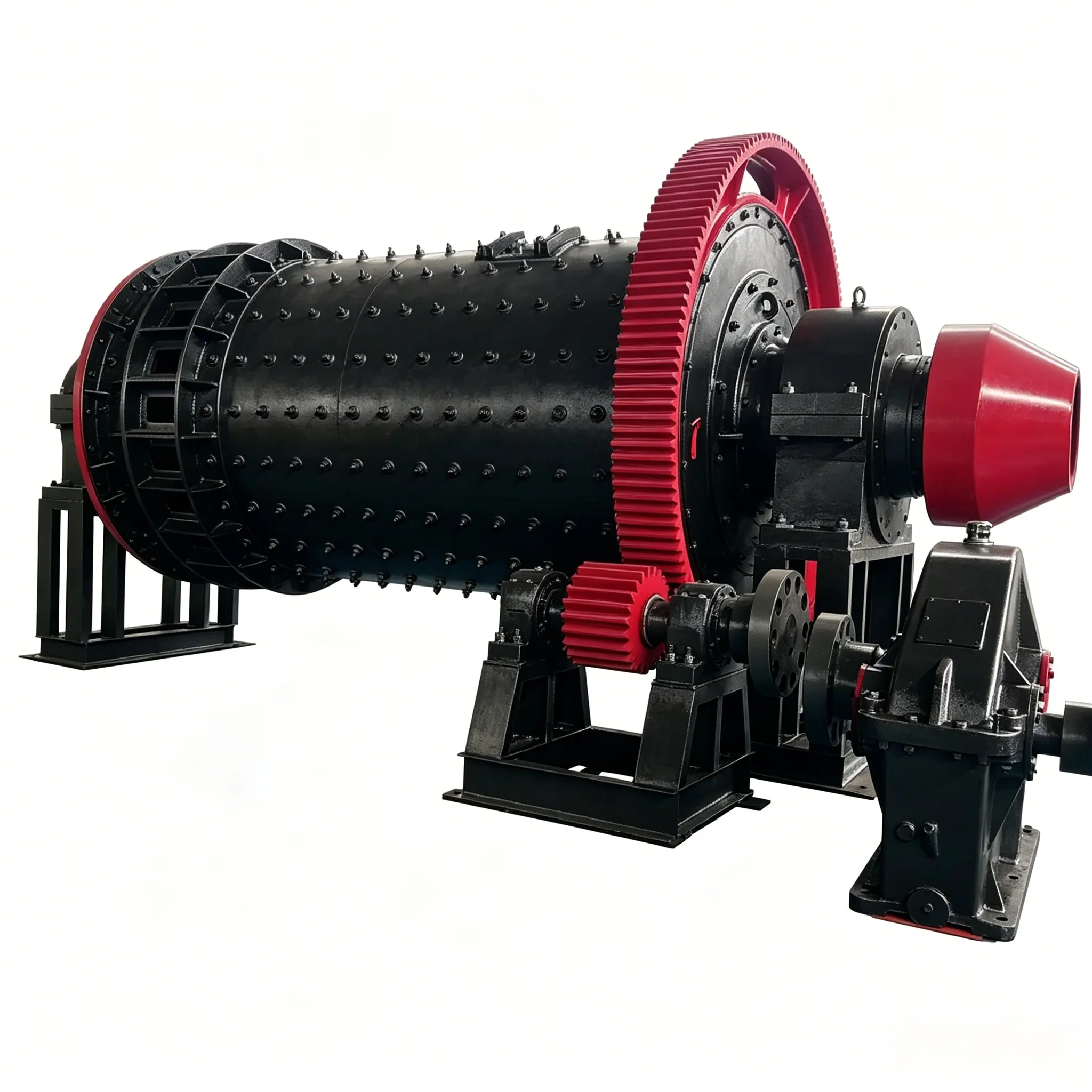
Construction of a Rod Mill Wet rod mills can be classified into…


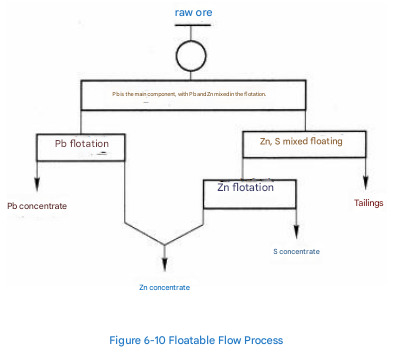
The equal floatability process does not strictly follow the flotation sequence based on mineral type. It separates the minerals to be recovered into easily floatable and difficult-to-float portions based on the similarity or equivalence of their floatability. The easily floatable portions are floated first, followed by the difficult-to-float portions, and then separated. Even for the same mineral, if there are significant differences in floatability, they should be floated in batches. This process is suitable for processing complex polymetallic sulfide ores containing both easily floatable and difficult-to-float portions.
For example, a sulfide ore may contain useful minerals such as sphalerite, galena, and pyrite. Sphalerite may have two types: one more easily floatable and one less easily floatable. This type of ore can be processed using an equal floatability process, as shown in Figure 6-10. The easily floatable sphalerite is floated together with galena, and the difficult-to-float sphalerite is floated together with pyrite, and then separated. Compared to mixed flotation, the advantages of isoflotable flotation are that it can reduce reagent dosage, eliminate the influence of excess reagent on flotation, and help improve separation performance; the disadvantage is that it requires more equipment than mixed flotation.