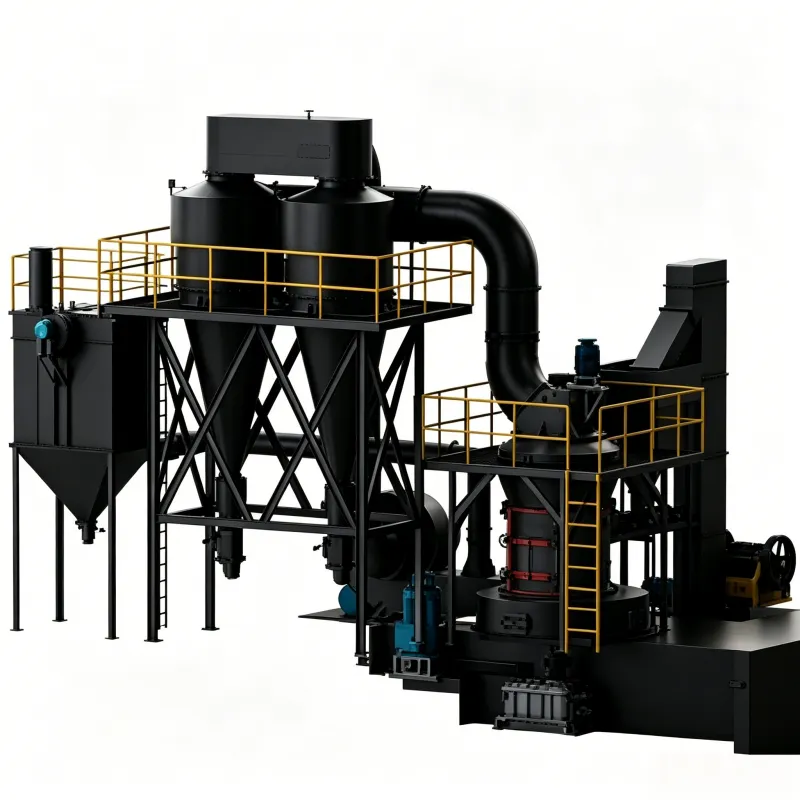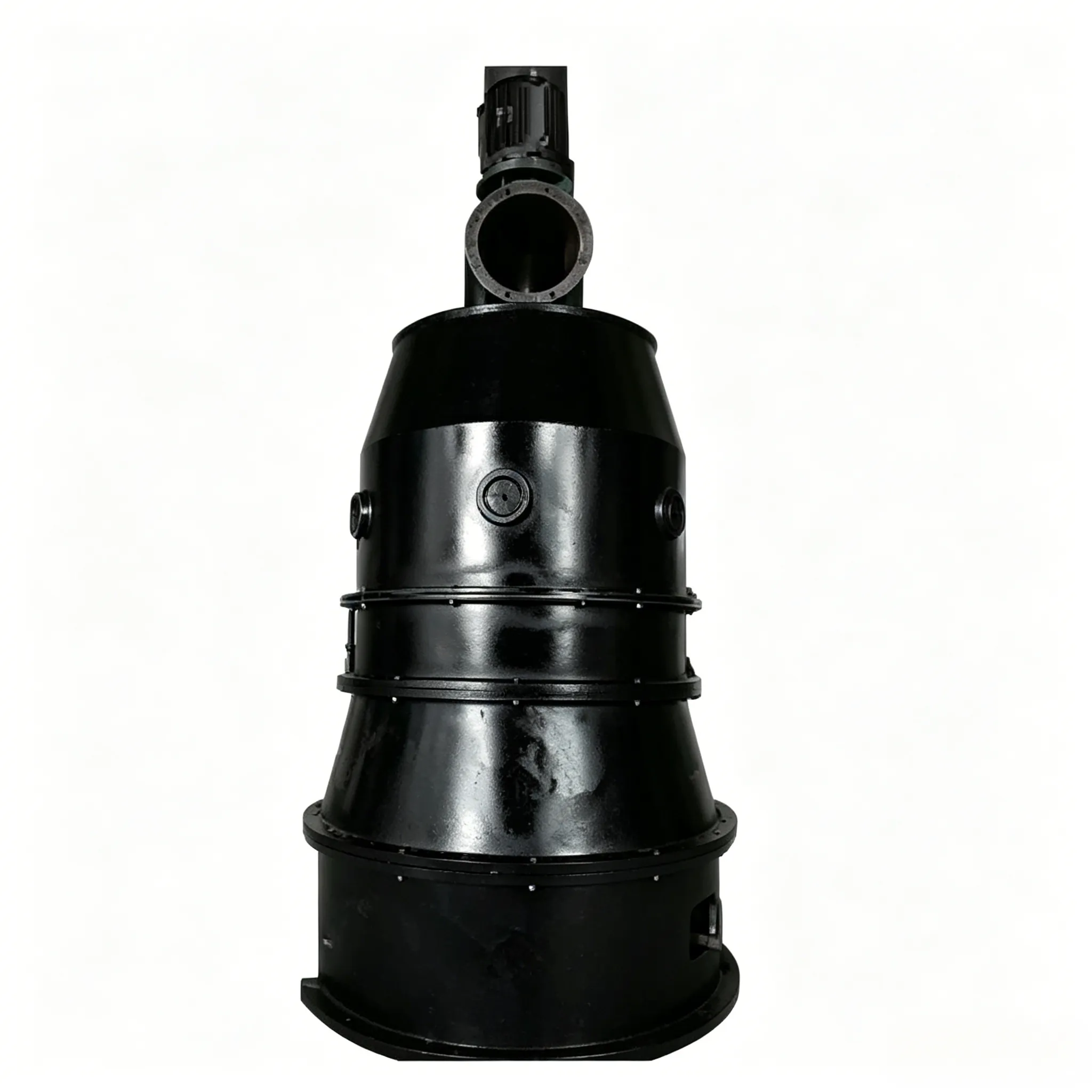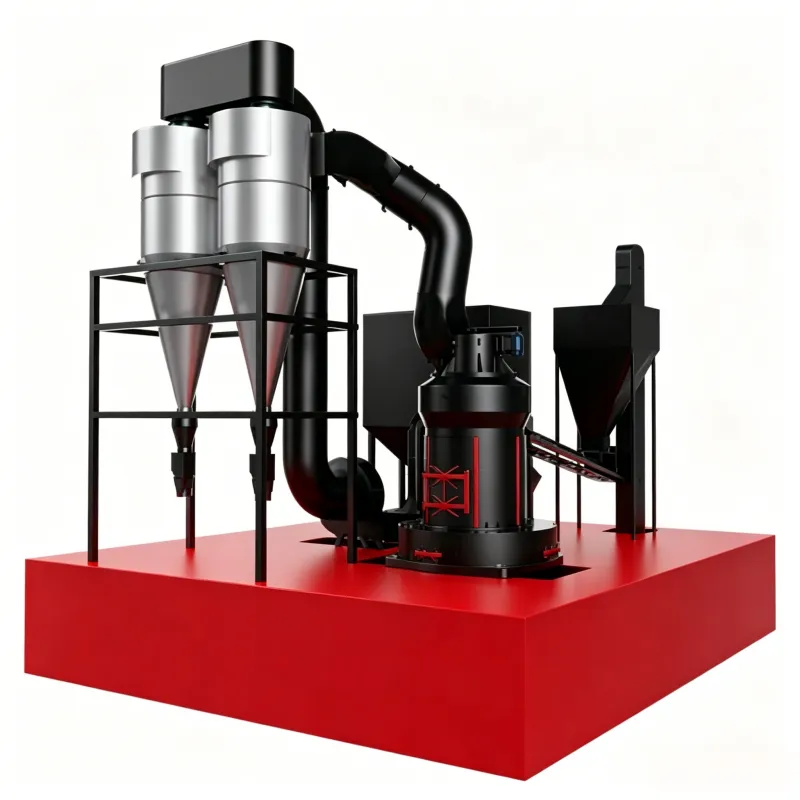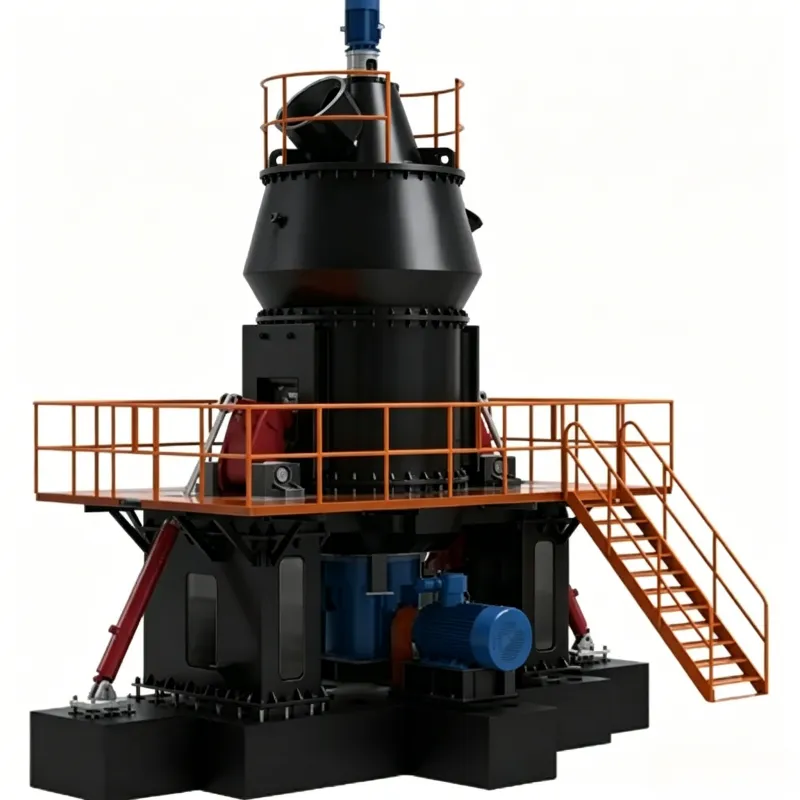
KXLM Vertical Roller Mill
Introduction to the Vertical Roller Mill The KXLM Vertical Roller Mill is…

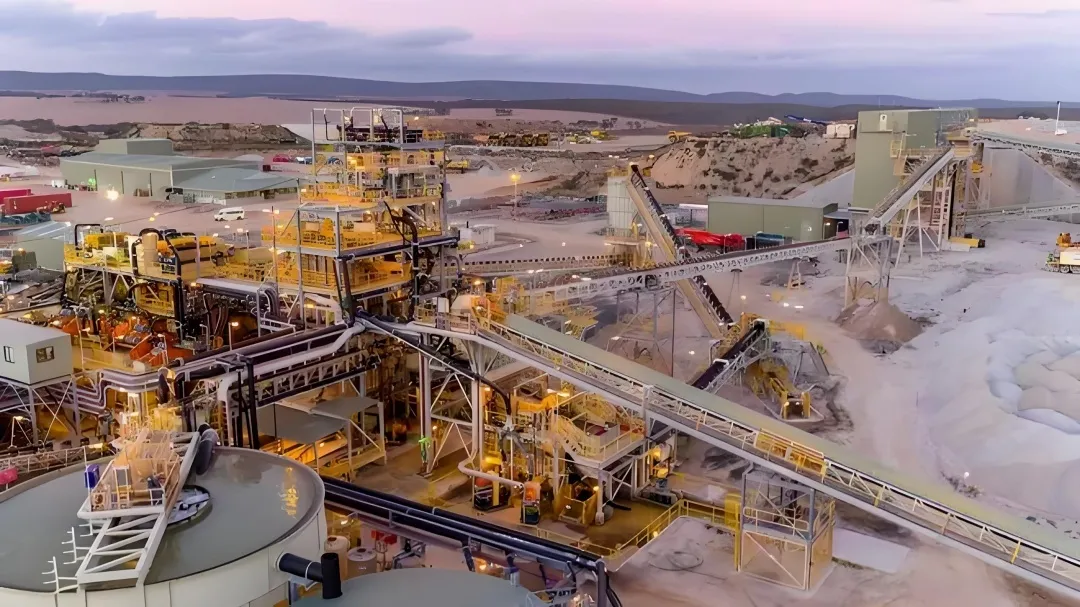
I. Standard Process Flow of a Chromium Ore Beneficiation Plant with a Daily Output of 1000 Tons
1.1 Core Process Flow
The standard mineral processing flow follows the principle of “more crushing, less grinding, and staged separation,” and mainly includes the following five core steps:
Crushing and screening → Grinding and classification → Separation and beneficiation → Concentrate dewatering → Tailings treatment
1.2 Detailed Configuration of Each Stage
(1) Crushing and screening
A three-stage closed-circuit crushing process is adopted to ensure that the particle size entering the mill is ≤12mm.
| Process | core equipment | Key parameters | Key Control Points |
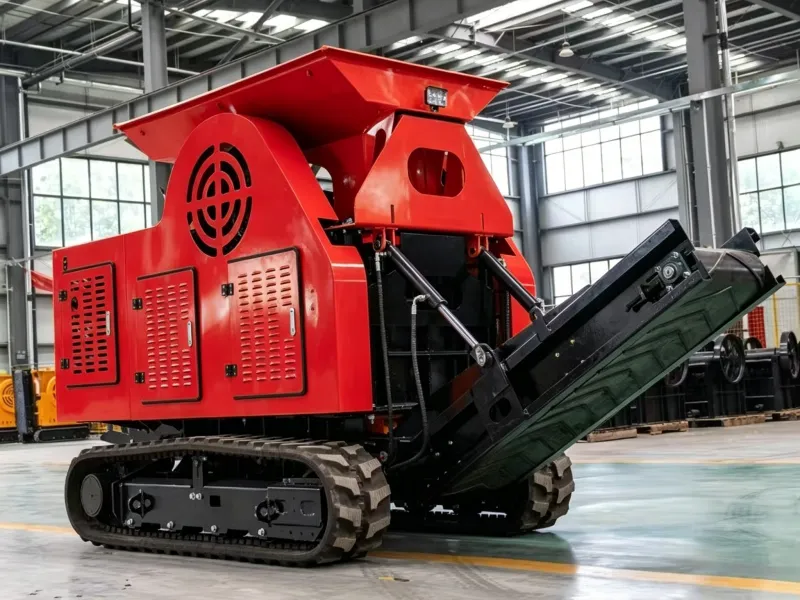
| coarse crushing | Jaw crusher (C series) | Feed particle size: 0-600mm | Adjust the discharge port to 150-200mm |
| medium fragment | Single-cylinder hydraulic cone crusher | Feed particle size: ≤200mm | Product particle size control 50-70mm |
| Fine crushing and screening | Multi-cylinder hydraulic cone crusher + circular vibrating screen | Sieve aperture size: 12-15mm | Closed-loop circulation, the material on the screen is returned to the fine crusher. |
Design considerations : The crushing system should be designed to have a processing capacity of 1100-1200 tons/day, providing a 20% buffer margin for subsequent operations.
2) Grinding and Classification
A closed-circuit grinding system is configured to control the grinding fineness.
Grinding equipment: Ø3.6×6.0m grate ball mill (equipped with a 560kW motor)
Classification equipment: FX-500 hydrocyclone group (4 units in parallel)
Process parameters:
Grinding concentration: 75-80%
Classification particle size: -200 mesh 65-75%
Circulating load: 150-250%
Control system: Equipped with an online particle size analyzer + variable frequency feed control system to achieve automatic adjustment of grinding fineness.
(3) Separation and Processing
Based on the ore properties, two main configuration schemes are adopted:
🔴 Scheme A: Gravity Separation Process (Applicable to high-grade lumpy ores)
Spiral sluice roughing (rejecting tailings) → Shaking table cleaning (obtaining concentrate) → Middlings return for reprocessing
Equipment Configuration:
Spiral sluice: 4 sets of 5LD-1200 type (processing capacity 40-60 tons/hour)
Shaking tables: 12 sets of YS-1100 type
Technical Indicators: Concentrate grade Cr₂O₃≥48%, recovery rate>85%
🔵 Scheme B: Gravity Separation-Flotation Combined Process (Applicable to disseminated refractory ores)
Spiral sluice pre-tailings disposal (rejecting 40-50% tailings) → Rough concentrate regrinding → Flotation and Refinement
Equipment Configuration:
Pre-tailing: Same as Scheme A spiral sluice configuration
Regrinding System: Ø2.4×4.5m overflow ball mill
Flotation System: 16m³ flotation mill (roughing) + flotation column (refinement)
Technical Specifications: Concentrate grade Cr₂O₃ ≥ 46%, recovery rate 70-78%
(4) Concentrate dehydration
A two-stage dehydration process is used to ensure that the concentrate moisture content is ≤10%.
| Process | Equipment selection | Processing capacity | Product Indicators |
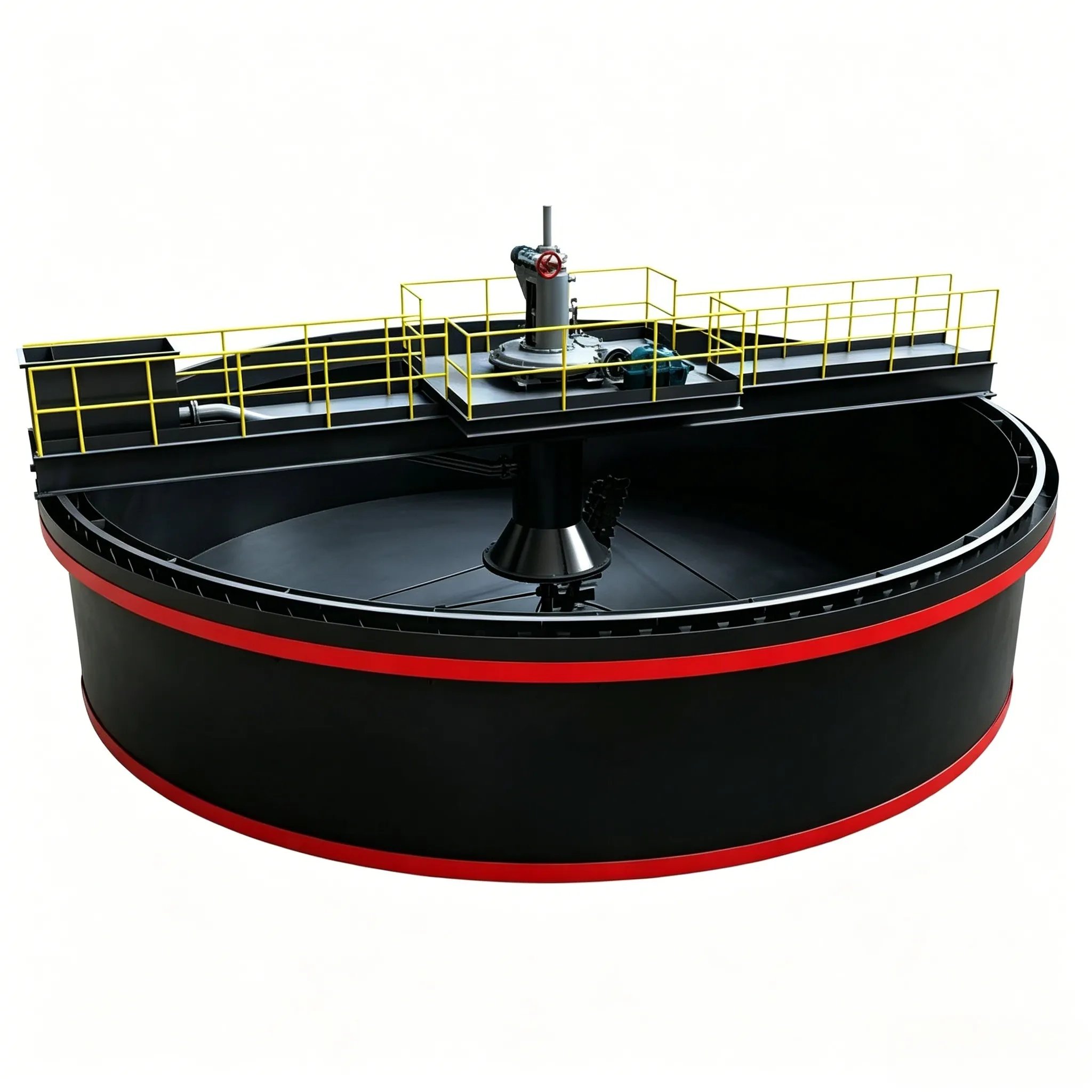
| concentrate | Ø30m High-efficiency concentrator | 1000 tons/day | Underflow concentration 50-55% |
| filter | 120m² ceramic filter | 30-35 tons/hour | The filter cake has a moisture content of 9-10%. |
(5) Tailings Treatment System
Tailings Conveying: 150ZJ-Slurry Pump + Wear-resistant Pipeline
Tailings Storage: Tailings Dam designed for a 20-year service life
Water Recovery System: Over 85% water recovery utilization rate
II. Gravity Separation and Flotation Process Selection Methods
Ore Analysis:
Mostly lumpy ore, high grade (Cr₂O₃ consistently > 42%) → Select Option A (Full Gravity Separation)
Complex ore, mixed grades (containing a large amount of disseminated ore) → Select Option B (Combined Gravity-Flotation)
Investment Considerations:
For quick production and low cost → Select Option A (6-8 months to production)
For long-term investment and affordability → Select Option B (8-10 months to production)