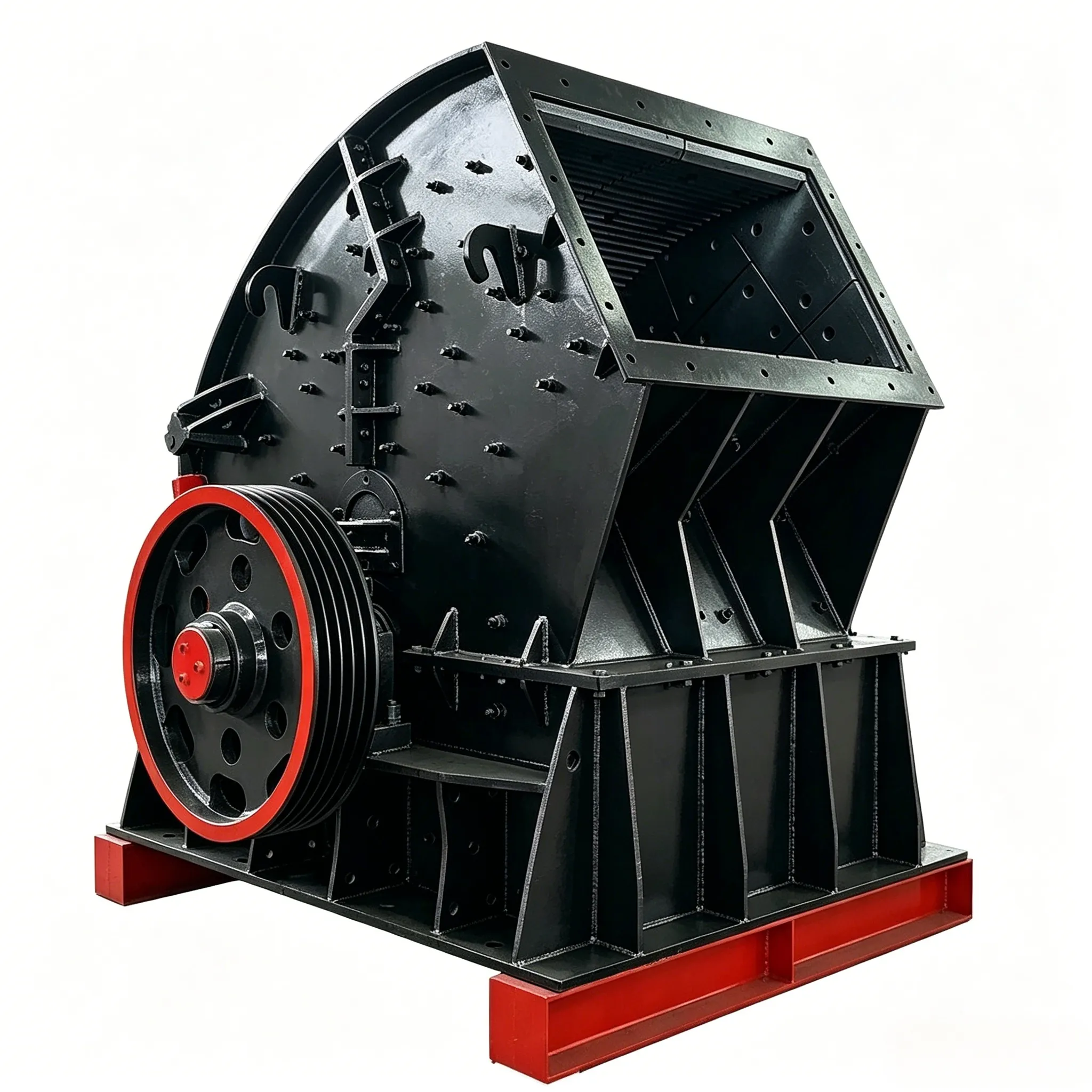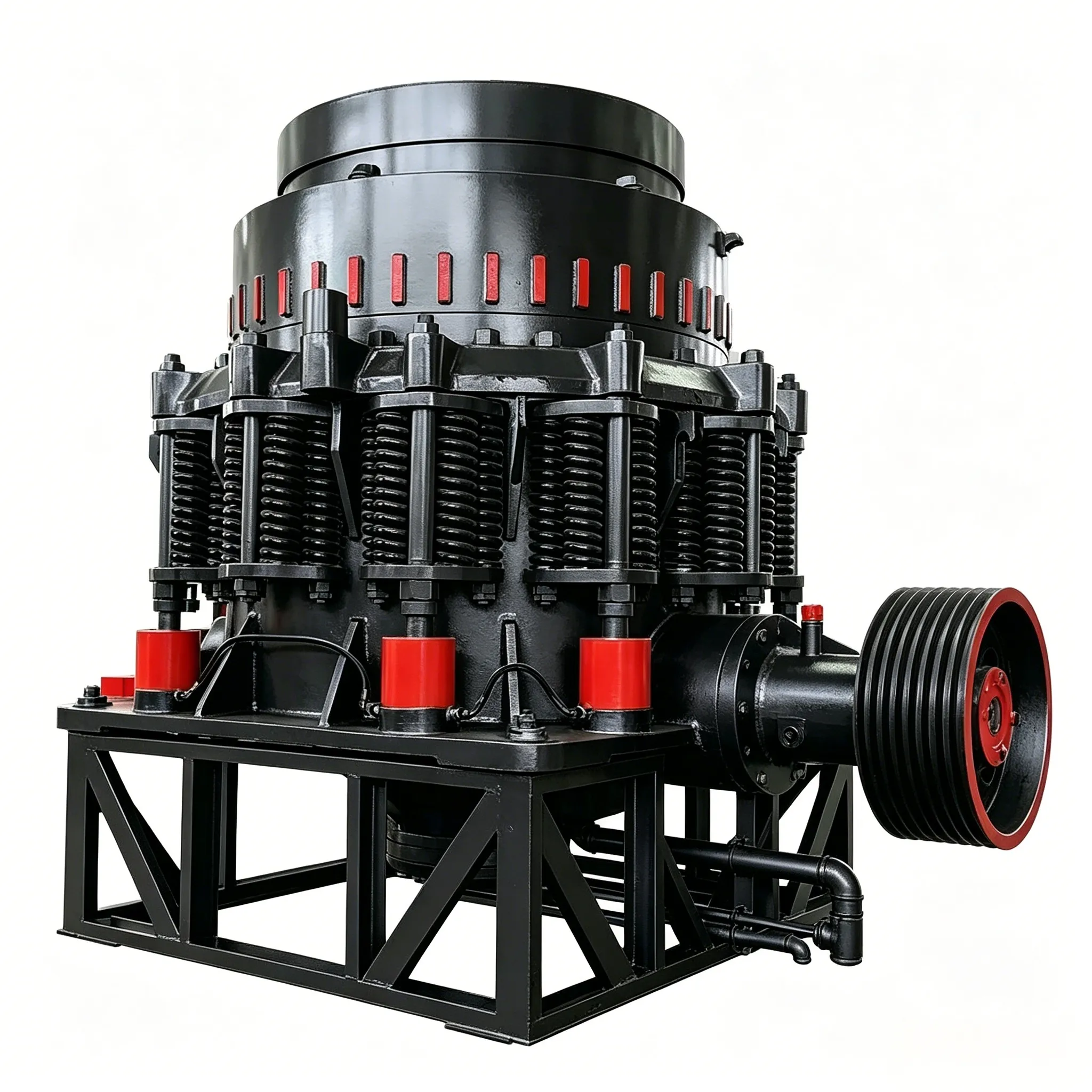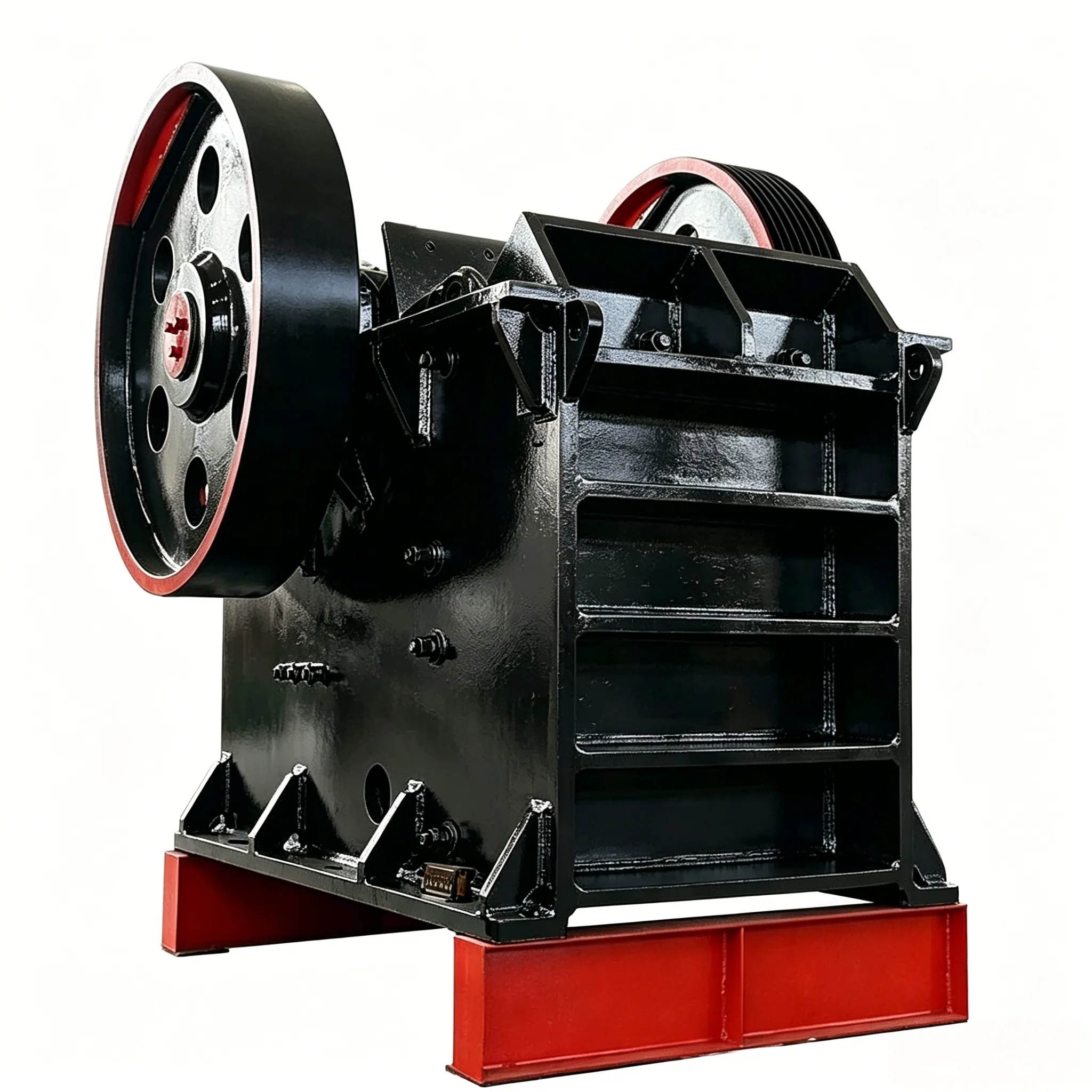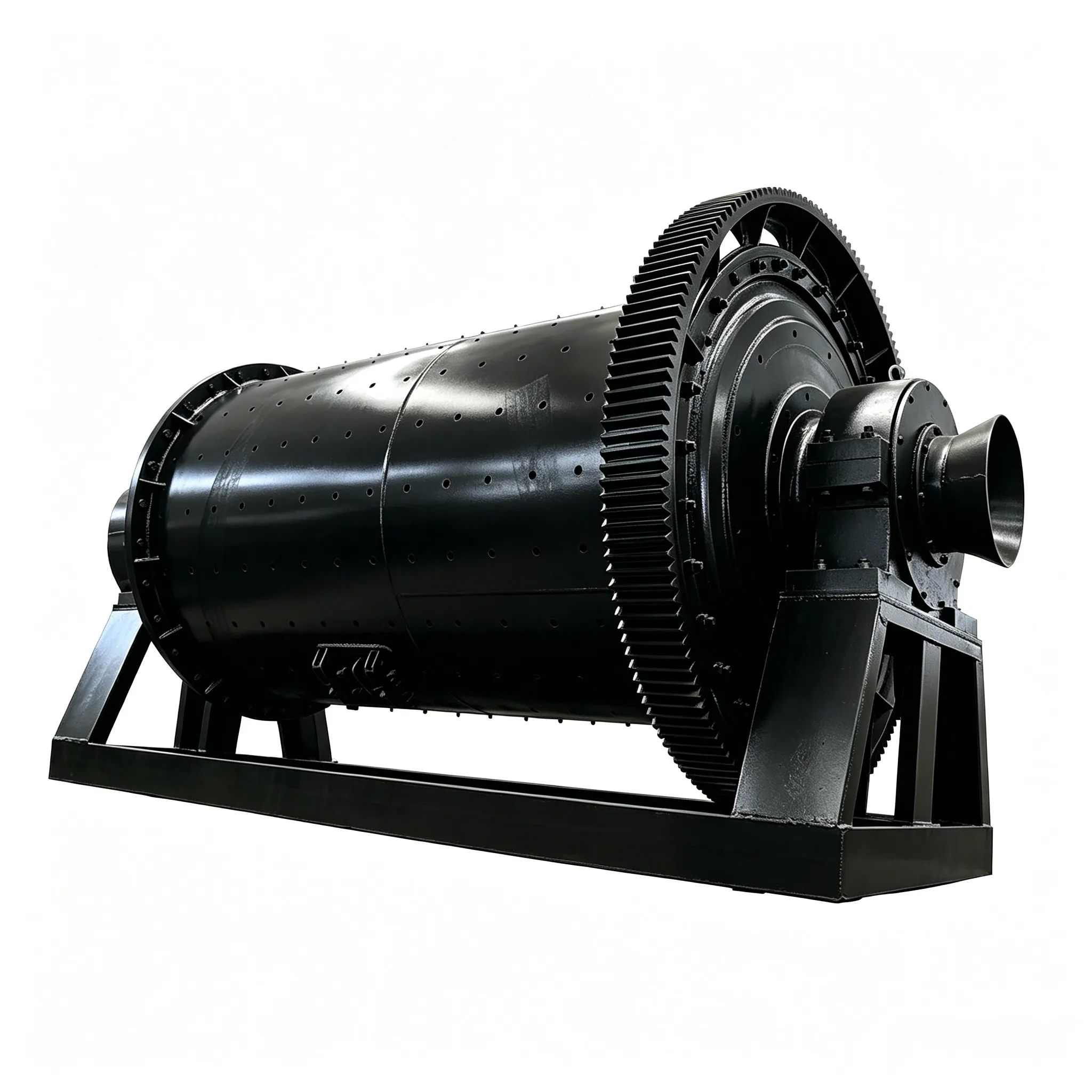
Feed size: ≤60 mm
Product output: 20–240 t/h
Powder fineness: 80–600 mesh
Applicable materials: limestone, marble, calcite, barite, dolomite, potassium feldspar, kaolin, bentonite, manganese ore, iron ore, coal gangue, petroleum coke, quartz sand, quicklime, slag, boiler slag, granulated blast furnace slag, steel slag, bituminous coal, fluorite, graphite, gypsum, cement clinker, heavy calcium carbonate, etc.
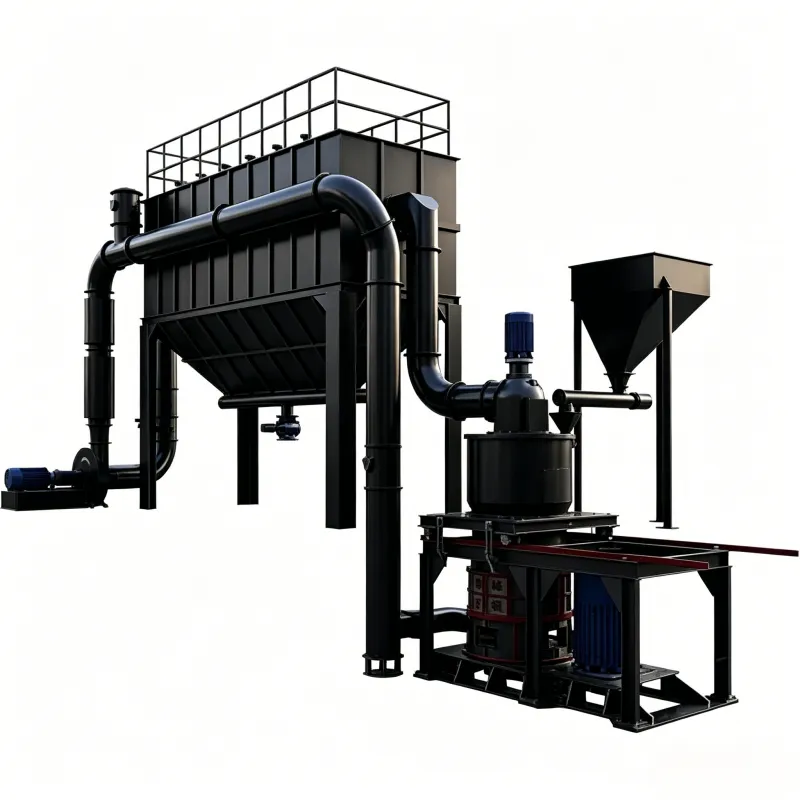
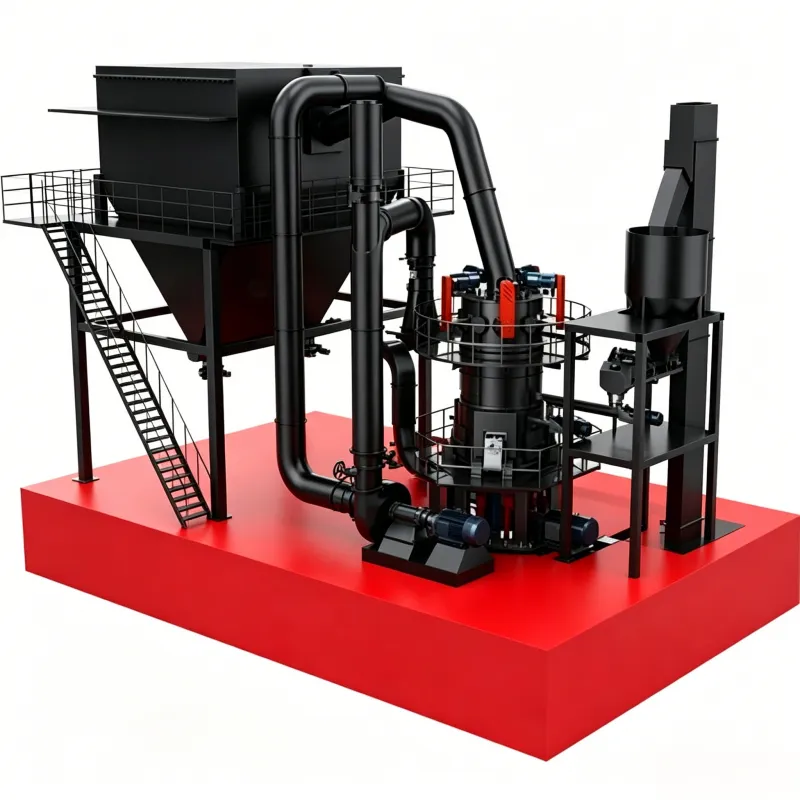
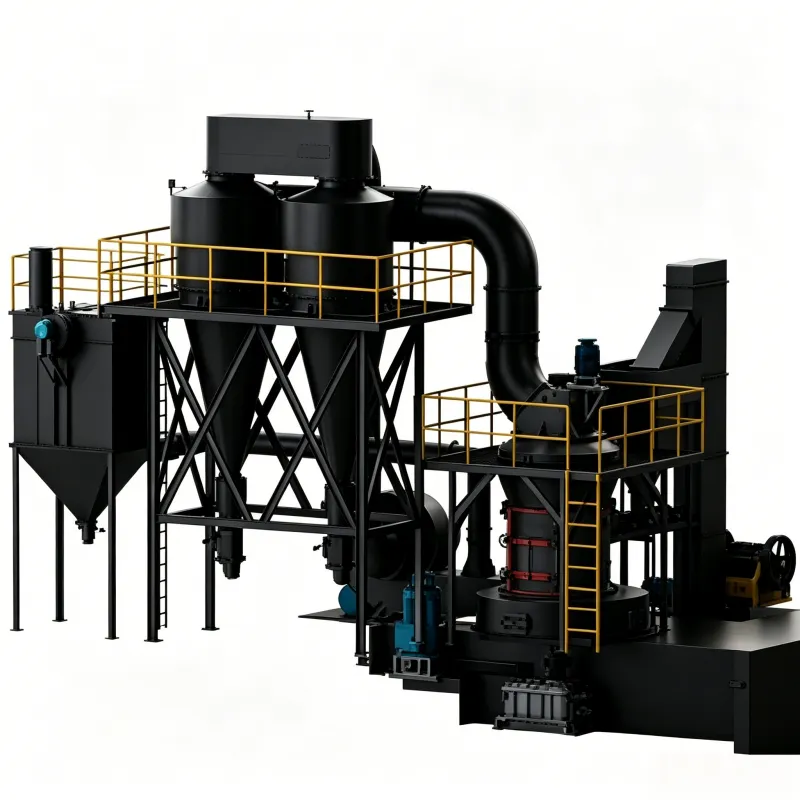
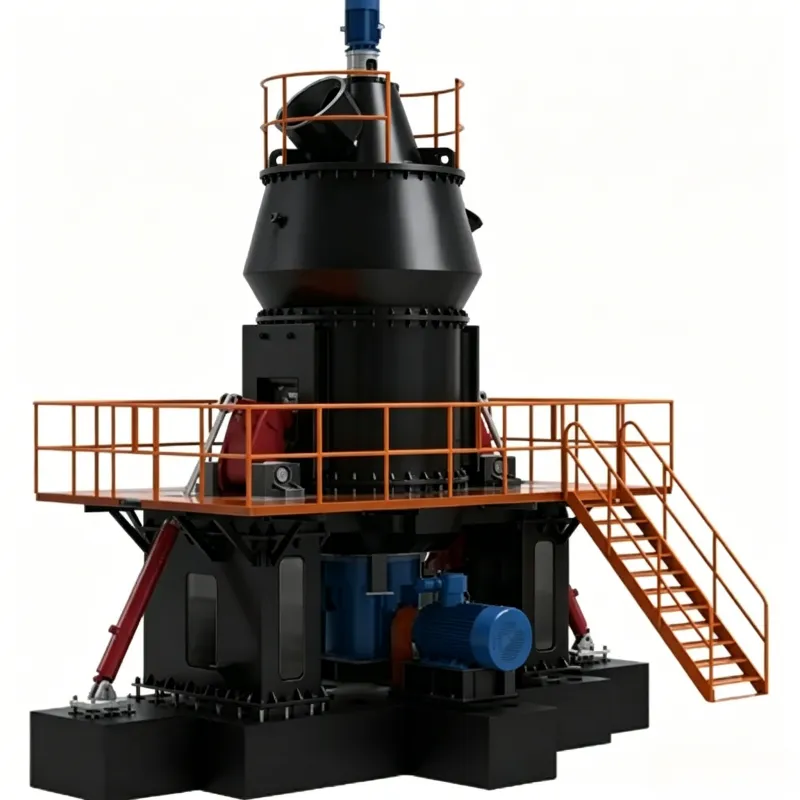
The KXLM Vertical Roller Mill is an independently developed machine with proprietary intellectual property rights, built on the study of international advanced vertical mill technologies (such as Germany’s Pfeiffer) and combined with 50 years of industry experience. It integrates multiple functions including crushing, drying, grinding, and classification into one unit. The vertical roller design features grinding rollers positioned above the grinding table. Pressure is applied to the rollers via a hydraulic system, and the rollers do not make direct contact with the grinding table, resulting in low noise, reduced wear, and effectively minimized metal contamination. An integrated high-performance drying system allows direct processing of sticky and wet materials with moisture content up to 15%. It is widely used in large-scale powder processing industries such as mining, cement, building materials, electric power, and metallurgy.
| System | Components | Function |
|---|---|---|
| Grinding System | Consists of grinding table, grinding rollers, etc. The rollers are positioned above the table | Pressure is applied to the grinding rollers via the hydraulic system for crushing and grinding |
| Classification System | Dynamic classifier system; a high-speed rotating rotor creates a centrifugal force field | Controls product fineness by adjusting the rotor speed |
| Drying System | Hot air introduced from the bottom passes through the air ring into the mill | Efficiently dries material while pneumatically conveying it |
| Drive System | Composed of main motor and reducer | Main motor provides primary power; reducer drives the grinding table |
| Hydraulic System | Independent maintenance hydraulic cylinder for easy roller shell turning | Provides grinding force through the roller pressure cylinder |
Features and Advantages of the Vertical Roller Mill
Raw Material → Vertical Roller Mill → Material Bed Grinding → Simultaneous Drying → Dynamic Classification → Qualified Fine Powder → Dust Collector → Finished Product Packaging
Raw material that meets the feed requirements (particle size ≤60 mm, moisture ≤15%) enters the vertical roller mill via the conveying system. The material then falls from the feed inlet onto the center of the rotating grinding table. Under centrifugal force, it is thrown into the grinding zone between the grinding rollers and the grinding table. The hydraulic system provides stable pressure to the grinding rollers. The material forms a stable material bed under the constraint of the retaining ring, and is crushed by the strong compression and grinding action of the rollers.
High-temperature hot air is introduced from the lower housing and passes through the material layer during grinding. Since the ground material has a sharply increased specific surface area, the powder and hot air undergo heat exchange. As the material rises, it is instantly dried by the hot air stream and carried by the airflow to the dynamic classifier at the top.
The rotational speed of the classifier rotor is precisely controlled to achieve accurate classification. Fine powder that meets the particle size requirement passes through the classifier wheel with the airflow and enters the dust collection system. Unqualified coarse powder is thrown by the rotor toward the surrounding housing and falls back onto the grinding table for regrinding, forming a closed-circuit cycle.
Finally, the qualified fine powder enters the dust collection system (either a single-stage or multi-stage dust collection system) with the airflow for gas-solid separation. The finished fine powder is collected, and the remaining dust is purified before being discharged by the fan.
| KXLM vertical mill data | ||||||
| Model | Capacity(t/h) | Feed size(mm) | moist content(%) | size(R0.08) | water(%) | power(kW) |
| KXLM1300S | 20~24 | ≤25 | ≤15 | ≤12 | ≤1 | 200 |
| KXLM1500S | 25~34 | ≤30 | 315 | |||
| KXLM1700S | 38~48 | ≤35 | 450 | |||
| KXLM2000S | 65~80 | ≤40 | 710 | |||
| KXLM2200S | 90~105 | ≤45 | 1000 | |||
| KXLM2500S | 110~125 | ≤50 | ≤14 | 1250 | ||
| KXLM2800S | 125~155 | ≤55 | 1600 | |||
| KXLM3400S | 190~240 | ≤60 | ≤15 | 2500 | ||
| Bond grindability index of raw material≤12kwh/t | ||||||
Product fineness is primarily controlled by adjusting the classifier speed, system airflow rate, and in‑mill water spray volume. The higher the classifier speed, the finer the product; the larger the airflow rate, the coarser the product.
“Overload” (or “saturated grinding”) occurs when excessive feed, overly wet material, or insufficient system airflow causes increased mill load and abnormal vibration. Immediate actions include reducing or stopping feed, increasing the system airflow. If ineffective, the mill should be stopped for material cleaning and operating parameters should be optimized.