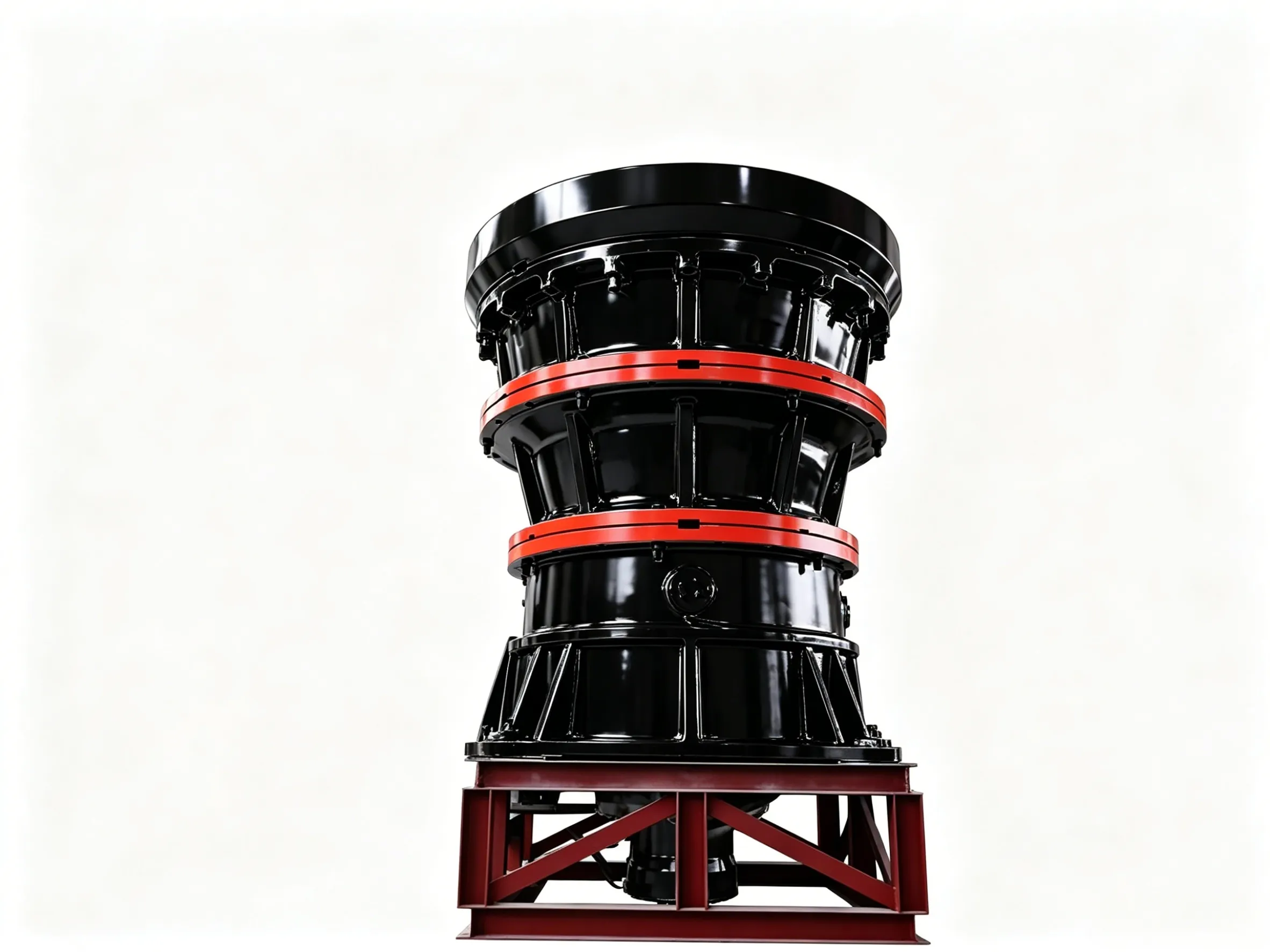
Gyratory crusher
Types of Gyratory Crushers Gyratory crushers have been used in industry since…

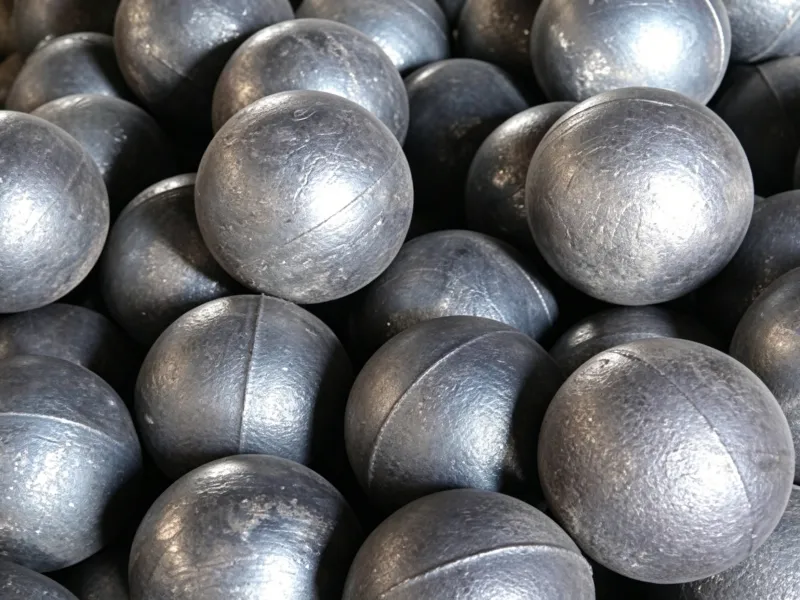
In any ball mill — whether used in mining, cement production, or industrial processing — the heart of the operation lies in the grinding media itself: the balls. These seemingly simple spherical objects are responsible for crushing, grinding, and refining raw materials into fine powders. Choosing the wrong type of ball can lead to excessive wear, product contamination, higher energy bills, and even mill downtime. This article provides a comprehensive guide to understanding, selecting, and using ball mill balls effectively.
Ball mill balls operate through a combination of impact and attrition. As the mill drum rotates, the balls are lifted to a certain height before cascading or cataracting downward. Larger balls fall with greater impact energy to break apart coarse particles, while smaller balls and the spaces between them create frictional forces that finely grind the material. The grinding action depends on the density, hardness, and size distribution of the balls.
Ball mill balls are made from a wide variety of materials, each offering a different balance of hardness, toughness, density, and chemical inertness. Below are the most common types and their typical applications.
Steel is the most widely used material for ball mill balls, particularly in mineral processing and cement production. Several sub‑types exist:
Ceramic balls, typically made from alumina or zirconia, are valued for their extreme hardness, excellent wear resistance, and minimal risk of contaminating the milled product. They are the standard choice in industries where product purity is non‑negotiable, such as pharmaceuticals, electronics, and specialty chemicals. Alumina balls have a density of 3.6–3.9 g/cm³ and a Mohs hardness of about 9; zirconia is even denser at 6.0–6.1 g/cm³, providing more efficient grinding but at a higher cost.
Ceramic balls are ideal for grinding glass, other ceramics, and high‑purity chemicals used in biomedical or electronic applications. However, because ceramics are extremely hard but also brittle, they can chip or crack under severe impact.
Flint pebbles are a natural, silica‑based grinding medium. They are a lower‑cost alternative to steel or ceramic balls. Because they have lower density and less uniform shape, their grinding efficiency is generally lower. They are typically used in applications where cost is a major factor and slight silica contamination is acceptable, such as in certain ceramic glaze preparations.
Glass balls (soda‑lime or borosilicate) are non‑reactive and easy to clean. They are suitable for fine grinding of soft materials in laboratory settings where no metal contamination is required.
The manufacturing process profoundly affects the internal structure, hardness distribution, and performance of steel grinding balls. The world’s annual consumption of steel balls is estimated between 30 million and 50 million tons.
Casting involves melting scrap steel or iron in a medium‑frequency induction furnace, adding alloying elements such as ferrochrome, ferromanganese, or ferro‑vanadium, and then pouring the molten metal into metal or sand molds. After solidification, the balls are heat‑treated to achieve the desired hardness and microstructure.
Cast balls are generally less expensive to produce than forged balls, but they are more brittle and have a higher breakage rate. Their strength and density are also lower than those of forged balls. [9†L22-L24]
Forged steel balls start with round steel bars that are cut into billets, heated, and then mechanically shaped under pressure using a forging hammer or press. This process refines the grain structure, eliminates internal porosity, and produces a dense, tough ball with excellent impact resistance. [9†L13-L18]
Forged balls typically have a hardness of 58–65 HRC on the surface and 57–64 HRC in the core. Their impact toughness often exceeds 12 J/cm², and the breakage rate is less than 1%. [5†L20-L23] [9†L19-L20] Forged balls are preferred for high‑impact applications such as primary grinding in large SAG and ball mills.
Hot‑rolled steel balls are produced by cutting hot steel bars into short lengths and then rolling them into spheres using a rotating helical roll. This method is highly automated, offers excellent production efficiency, and results in stable ball dimensions and quality. However, hot‑rolled balls are generally not as tough as forged balls.
For high‑precision applications (e.g., bearing balls), the manufacturing process is much more sophisticated. AISI 52100 chrome steel balls, for example, undergo:
Understanding the key properties helps in selecting the right ball for any milling job.
Hardness is the most important property for wear resistance. The grinding media must be significantly harder than the material being processed. If a softer medium is used on a hard material, the media itself will be ground down, leading to extreme contamination and inefficient milling.
Higher hardness generally improves wear resistance, but it often comes at the cost of reduced toughness (increased brittleness). The optimal ball for a given application balances hardness with toughness.
Toughness is the ability of a ball to resist cracking or breaking under impact. For high‑impact conditions such as coarse grinding in large mills, tough materials like forged steel or high‑manganese steel are preferred. For fine grinding with lower impact forces, harder but less tough materials (like high‑chromium cast balls) can be used.
Forged balls generally have higher impact toughness (>12 J/cm²) than cast balls, which are more likely to crack under repeated shock loading because of internal defects and a less favourable grain structure.
Wear resistance determines how long the balls maintain their size and effectiveness. High‑chromium and high‑carbon alloy steels are highly wear‑resistant. For example, high‑chromium cast iron has a reported wear rate of about 2.2% under certain conditions. Chromium cast iron balls are more resistant to friction, whereas forged balls are more resistant to abrasion.
Density directly influences the kinetic energy of each ball. Denser media (e.g., steel with ~7.8 g/cm³) impart more impact energy, leading to faster size reduction. Zirconia, although ceramic, has a relatively high density of 6.0–6.1 g/cm³. Low‑density media like glass (2.5–2.7 g/cm³) have lower grinding efficiency and are only suitable for soft materials or where contamination must be avoided.
A perfectly spherical ball rolls more predictably and wears more evenly than an irregular one. Balls with defects such as pores, cracks, or surface irregularities should be avoided. High‑quality balls are inspected using non‑destructive testing methods to ensure they are smooth and defect‑free.
Choosing the right ball size is as important as choosing the right material.
The diameter of steel balls used in ball mills typically ranges from 20 mm to 150 mm (approximately 0.8 to 6 inches). [2†L18-L19] [11†L28-L30] Different sizes serve different purposes:
As a rule of thumb, the largest ball should not exceed 4% of the mill diameter. For example, a 4‑meter mill should use balls no larger than 100 mm. Harder materials require either smaller balls to increase impact frequency or harder ball materials to maintain impact energy. For fine grinding, smaller balls are used because they create a larger total grinding surface area. For coarse grinding, larger balls are needed to break apart large feed particles.
Using only one ball size is inefficient and can lead to either over‑grinding or under‑crushing. Most efficient ball mills use a multi‑size charge. A typical distribution might be:
This ratio is adjusted based on the material’s hardness and feed size. The optimal ball size distribution is governed by the wear law of the mill and the wear characteristics of the balls themselves.
The amount of balls loaded into a mill — the ball charge — is critical for efficient operation.
The ball charge filling ratio is the percentage of the mill’s internal volume occupied by the grinding media (voids included). The optimal filling ratio depends on the mill type and process:
If the mill is under‑filled, grinding efficiency is lost. If over‑filled, the balls may not have enough space to cascade properly, and the mill may become overloaded.
In laboratory and small‑scale ball mills, the ball‑to‑powder weight ratio typically ranges from 10:1 to 20:1 for effective milling. Higher ratios can increase grinding intensity but also increase wear and energy consumption.
Balls wear down over time, reducing in diameter and losing effectiveness. When a ball has worn to approximately 60–70% of its original diameter, it should be replaced or supplemented with new balls.
In large continuous mills, a routine top‑up schedule is essential:
Without regular top‑ups, the average ball size decreases, and the grinding efficiency will drop significantly.
Ball mill balls degrade through several wear mechanisms:
The service life of a ball is measured in operating hours or tonnes of material processed. High‑chromium cast balls can last many thousands of hours in cement clinker grinding, while softer carbon steel balls may need replacement every few hundred hours in abrasive ore applications.
Choosing the right ball involves balancing multiple factors. Use the following framework to make an informed decision.
The hardness, abrasiveness, and chemical properties of the feed material are the most important factors. [13†L5-L9] For hard, abrasive ores (e.g., iron ore, copper ore), a high‑hardness, high‑chromium cast ball or a forged steel ball is required. For softer materials like cement clinker or limestone, low‑chromium cast or carbon steel balls may be sufficient.
If the final product must have very low metal contamination (e.g., for pharmaceuticals, electronic ceramics, or food products), then ceramic balls (alumina or zirconia) are essential. For mining and cement applications, metal contamination is generally not a concern, so steel balls are acceptable.
Ensure the ball hardness is significantly higher than that of the material being ground. Check that the toughness (impact resistance) is sufficient for the mill’s operating conditions. High‑impact mills require forged balls with high toughness; lower‑impact mills may use cast chrome balls.
Do not base the decision solely on purchase price. The total operating cost includes media consumption (wear rate), energy consumption (which can be up to 30% higher with ineffective balls), downtime for replenishment, and product quality.
For example, using a simple calculation:
| Media Type | Wear Rate (g/tonne) | Price ($/tonne) | Cost/Tonne Ore |
|---|---|---|---|
| Forged Steel | 80 | 1,200 | $0.096 |
| High‑Cr Cast | 120 | 900 | $0.108 |
Even though forged steel has a higher upfront price, its lower wear rate can make it more economical over time.
| Type | Typical Hardness (HRC) | Density (g/cm³) | Best For | Relative Cost | Key Limitation |
|---|---|---|---|---|---|
| Forged steel | 58–65 | ~7.8 | High‑impact mining, SAG mills | Medium‑high | Higher upfront price |
| High‑Cr cast | 60–68 | 7.6–7.8 | High‑abrasion cement, ores | Medium | Brittle, may crack on impact |
| Low‑Cr cast | 45–55 | ~7.7 | Cement clinker, moderate grinding | Low | Lower wear resistance |
| 52100 chrome steel | 60–67 | ~7.8 | Precision bearings, high‑strength applications | High | Specialised, not for bulk milling |
| Alumina ceramic | Mohs 9 | 3.6–3.9 | Contamination‑sensitive (pharma, electronics) | Medium | Brittle, lower density |
| Zirconia ceramic | Mohs 9 | 6.0–6.1 | High‑purity fine grinding (batteries, ceramics) | High | Very expensive |
| Flint pebbles | Mohs 7 | 2.5–2.7 | Low‑cost ceramic glazes | Very low | Low efficiency, silica contamination |
| Glass | Mohs 6–7 | 2.5–2.7 | Laboratory fine grinding | Low | Low density and hardness |
Ball mill balls are not just simple spherical objects — they are engineered components whose material, manufacturing method, hardness, size, and distribution directly determine the efficiency, cost, and product quality of any grinding operation. For heavy‑duty mining and cement applications, forged steel balls offer superior toughness and reliability, while high‑chromium cast balls provide excellent wear resistance in abrasive environments. For industries where product purity is paramount, ceramic balls are the only viable choice. By understanding the trade‑offs between cost, wear rate, impact resistance, and contamination, mill operators can select the optimal grinding media to maximise throughput, minimise downtime, and reduce the total cost per tonne processed.