




Feed size: ≤35 mm
Product output: 0.3–10 t/h
Fineness: 80–400 mesh
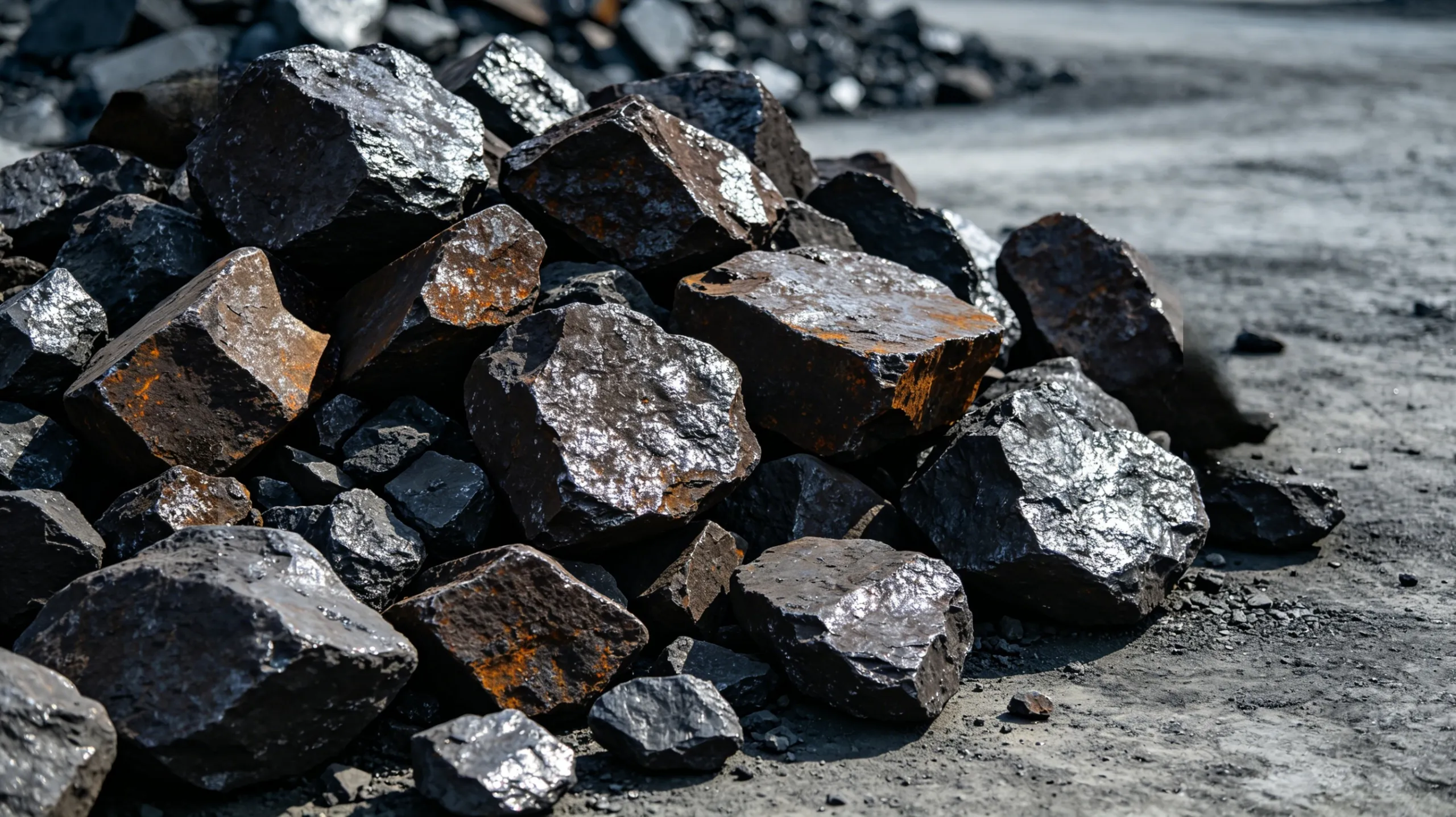
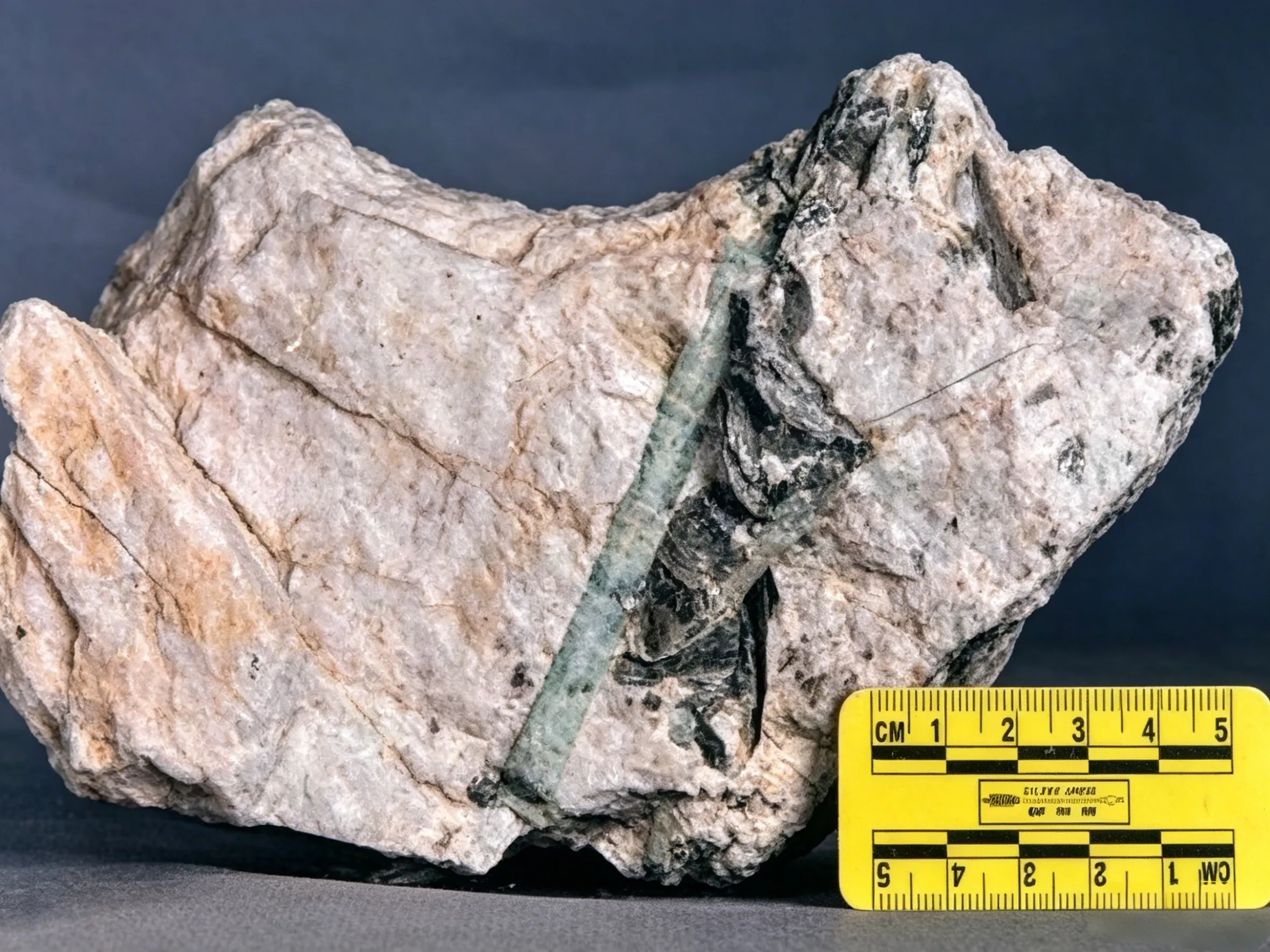
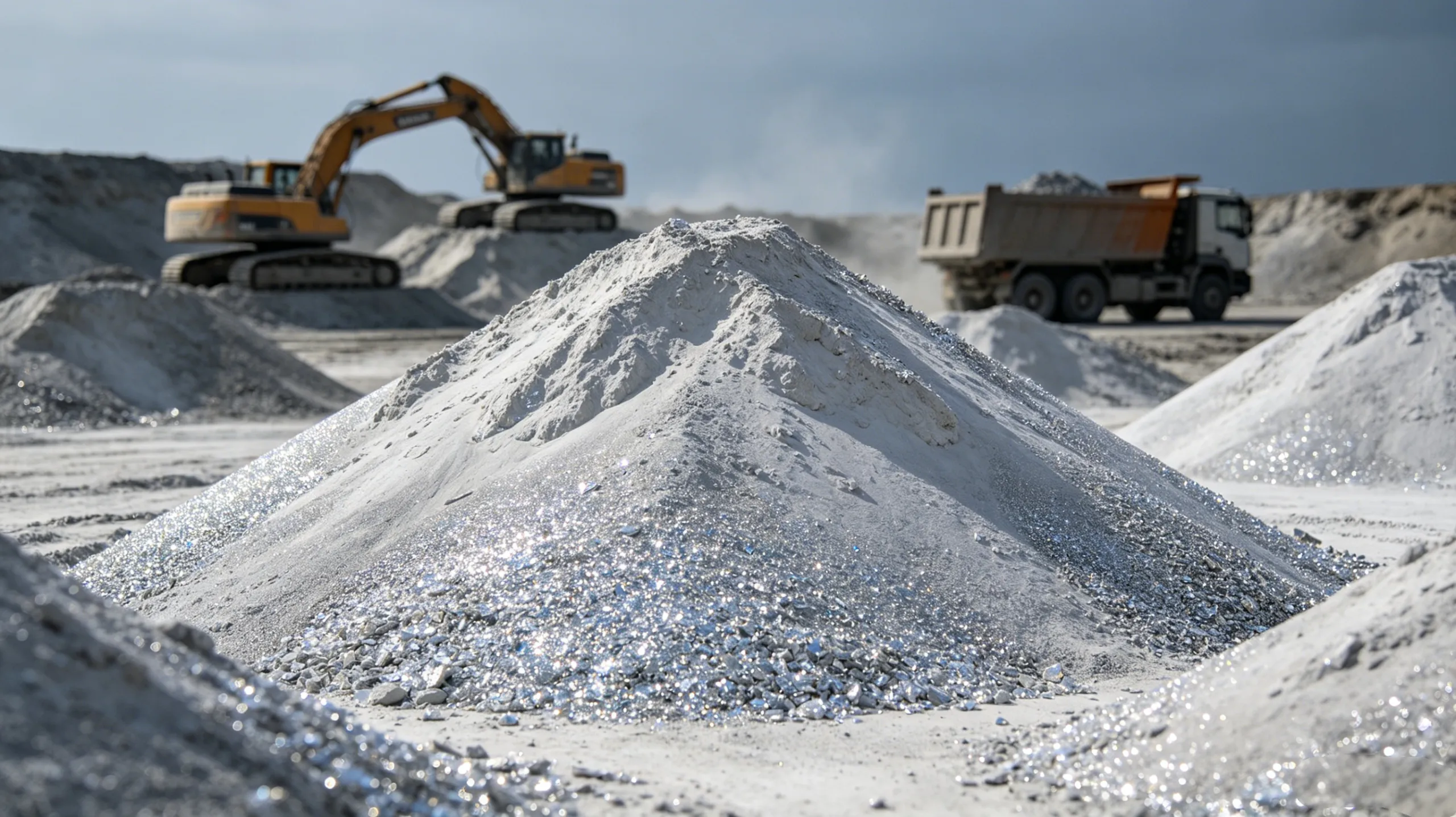
Applicable materials: coal powder, coke powder, aluminum powder, titanium powder, carbon black, activated carbon, sulfur powder, iron oxide red, etc.
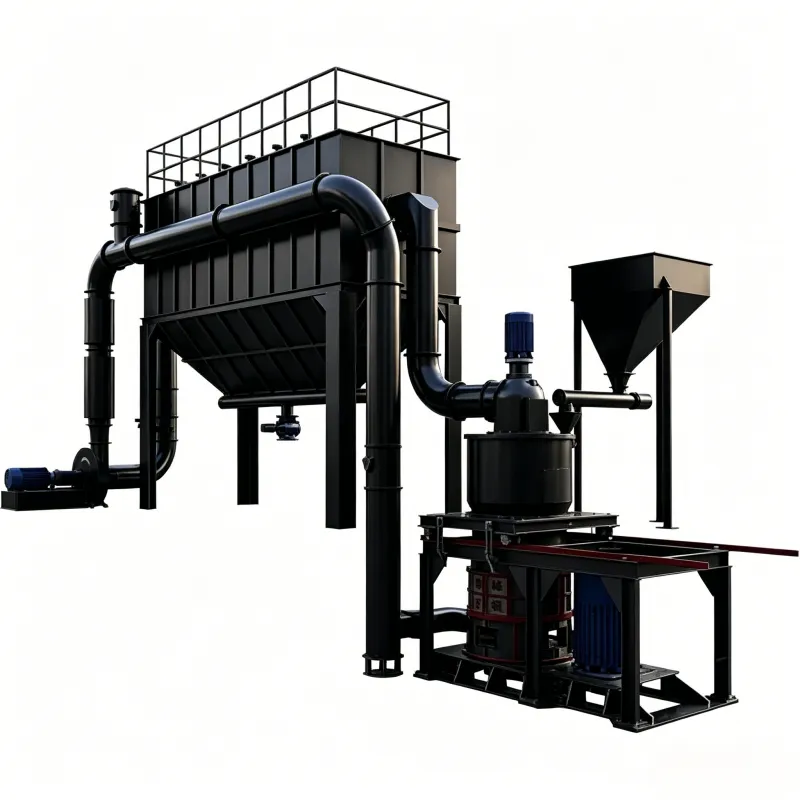
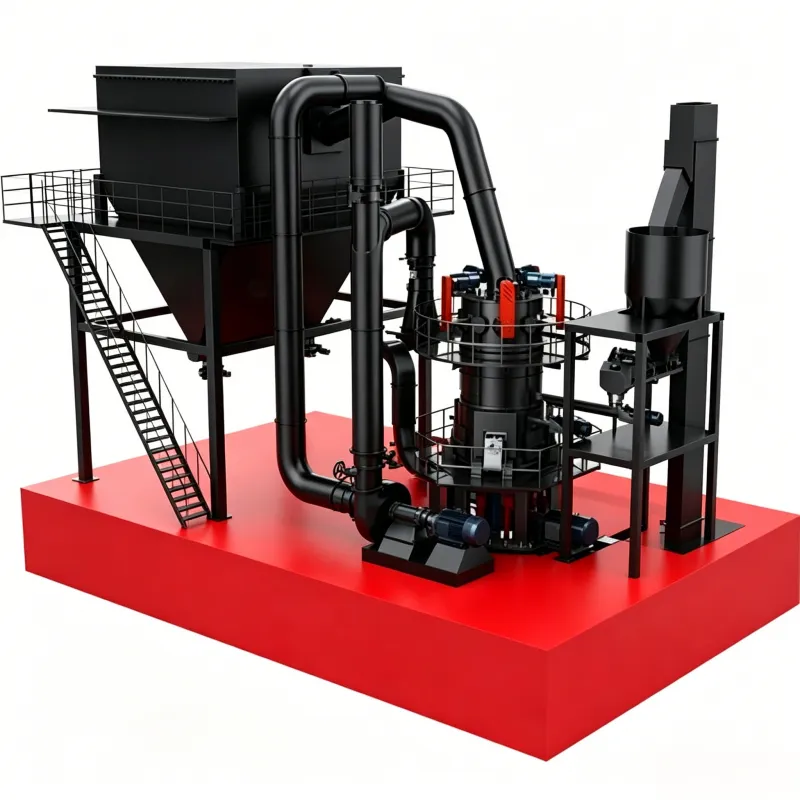
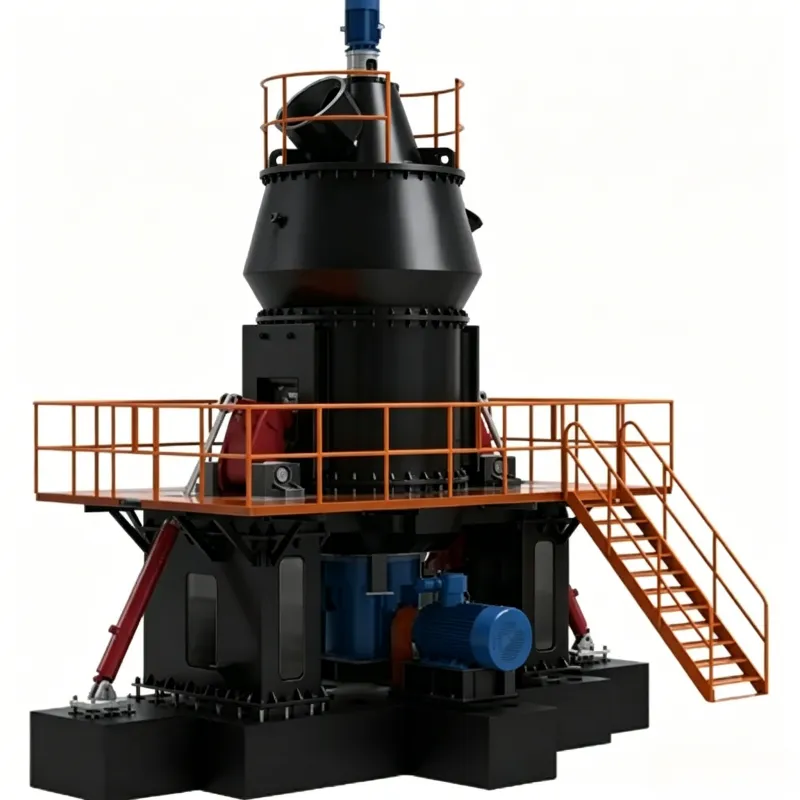
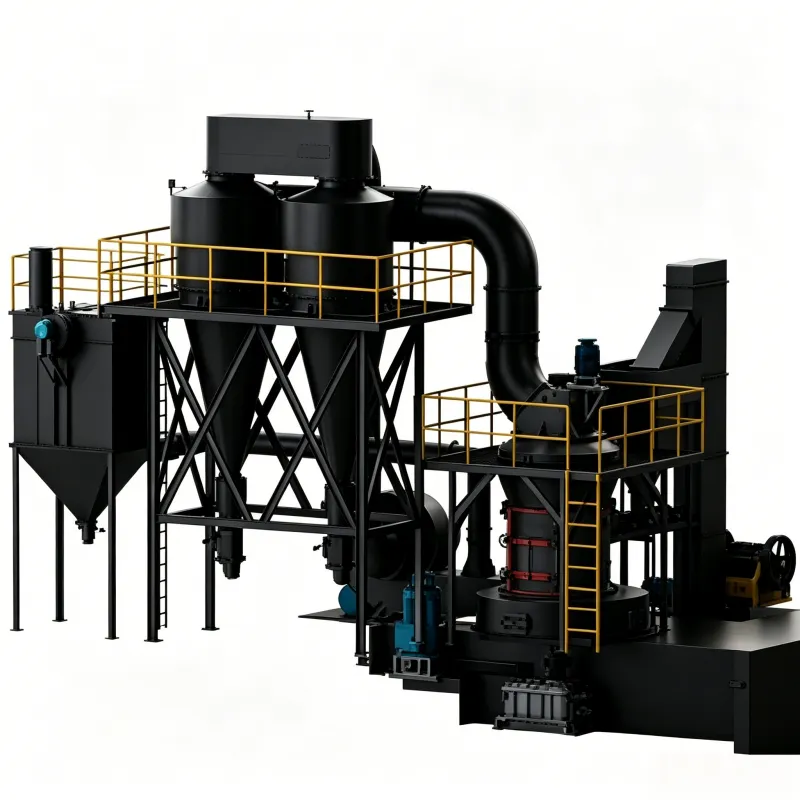
Introduction to Open-Circuit Raymond Mill
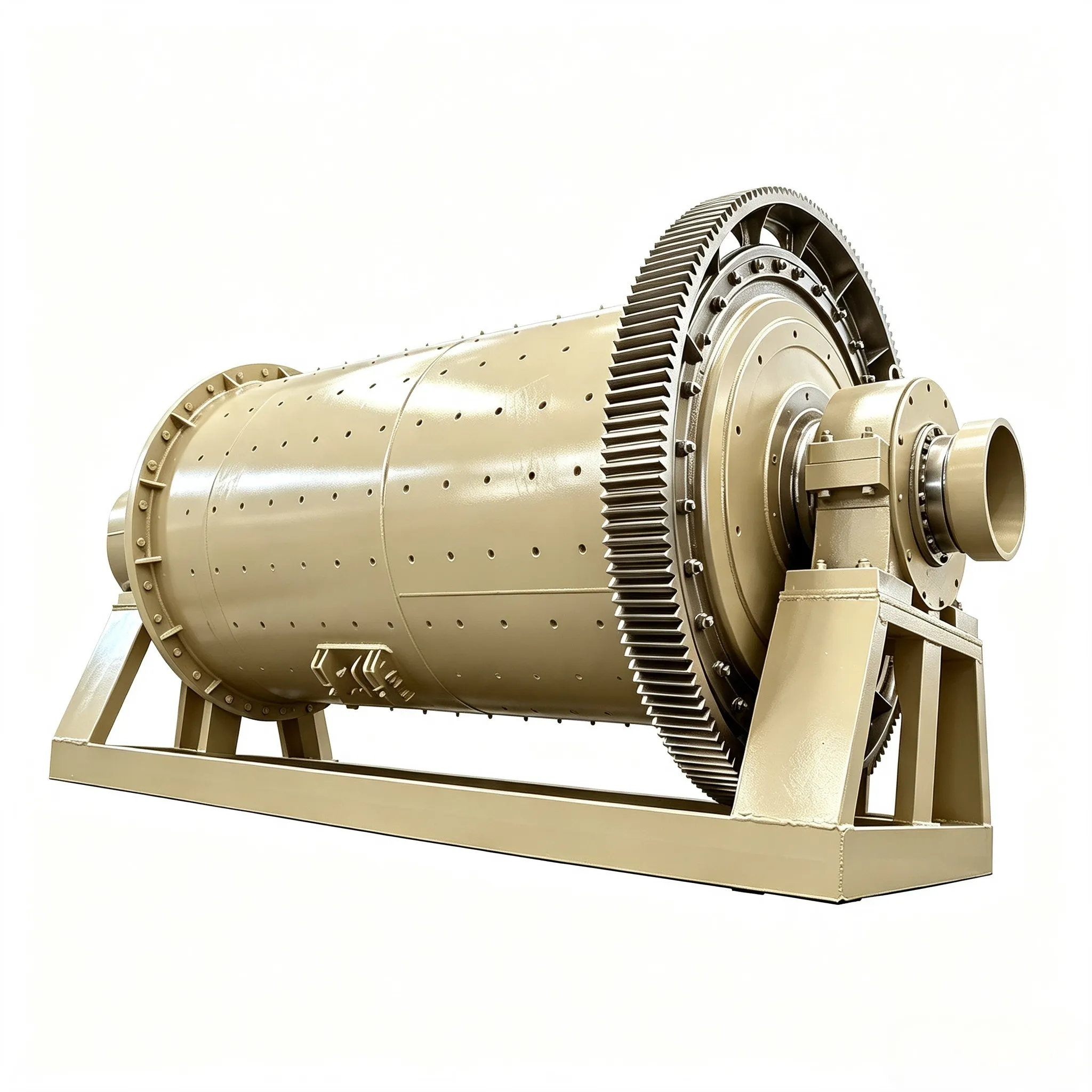
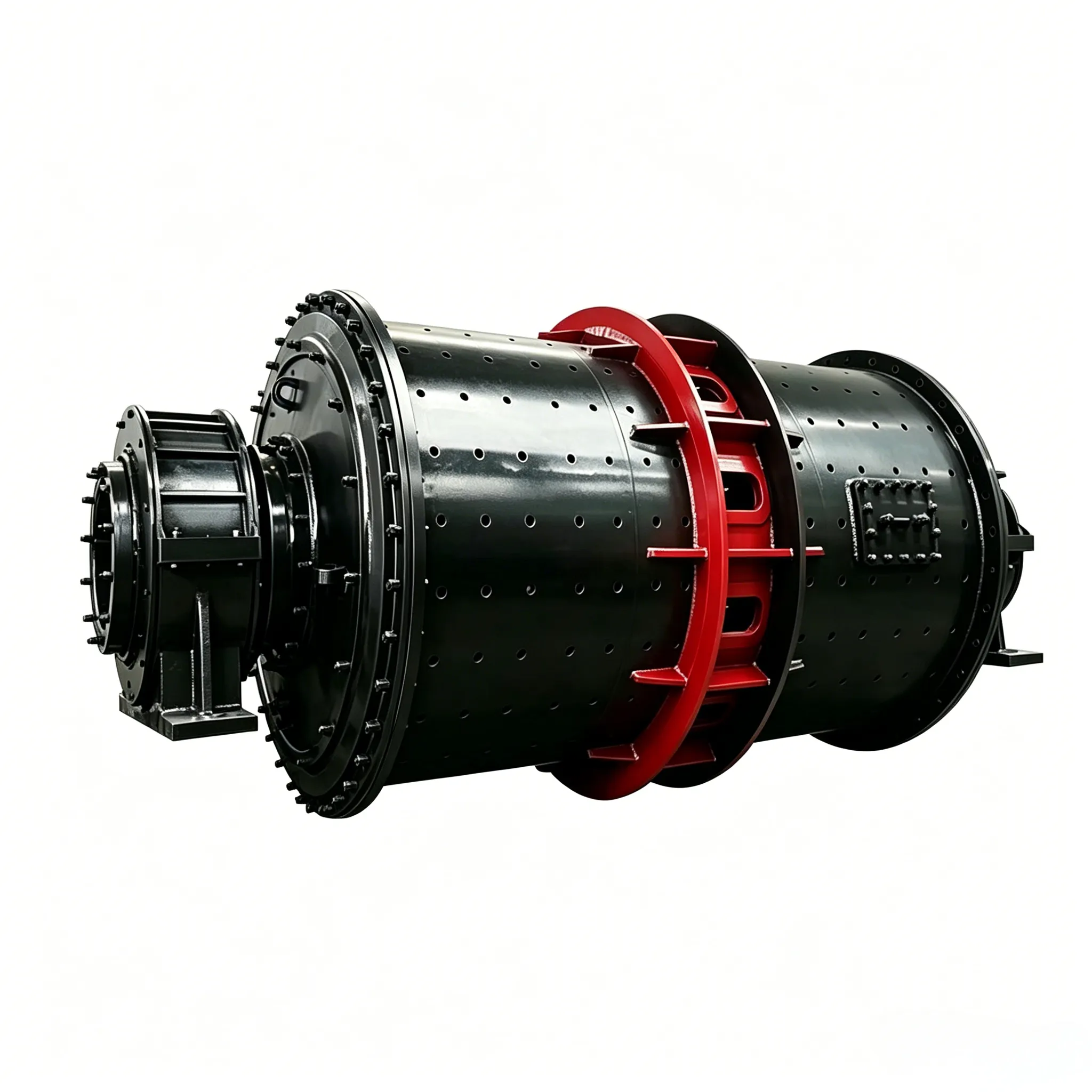
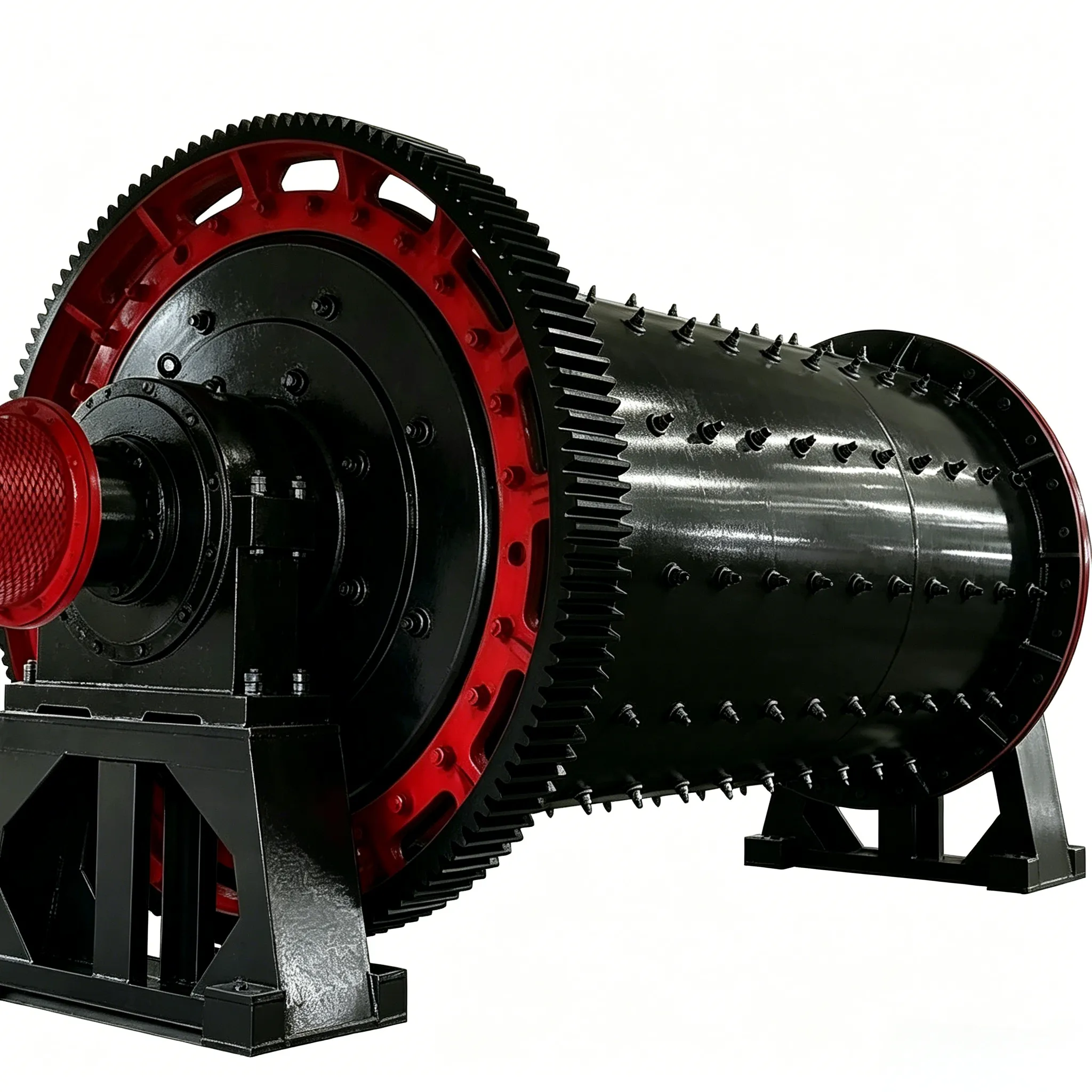
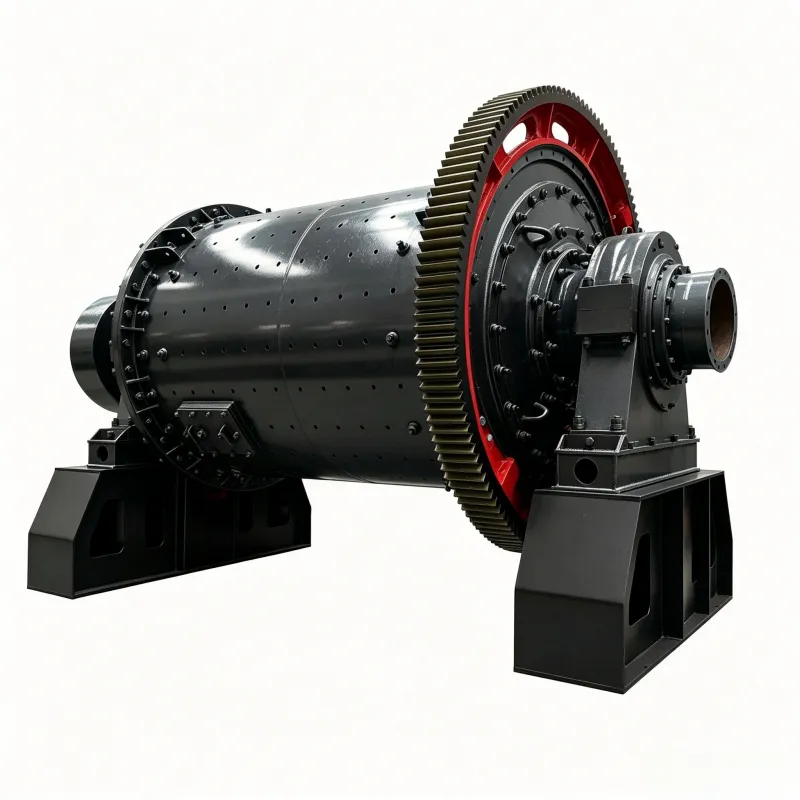
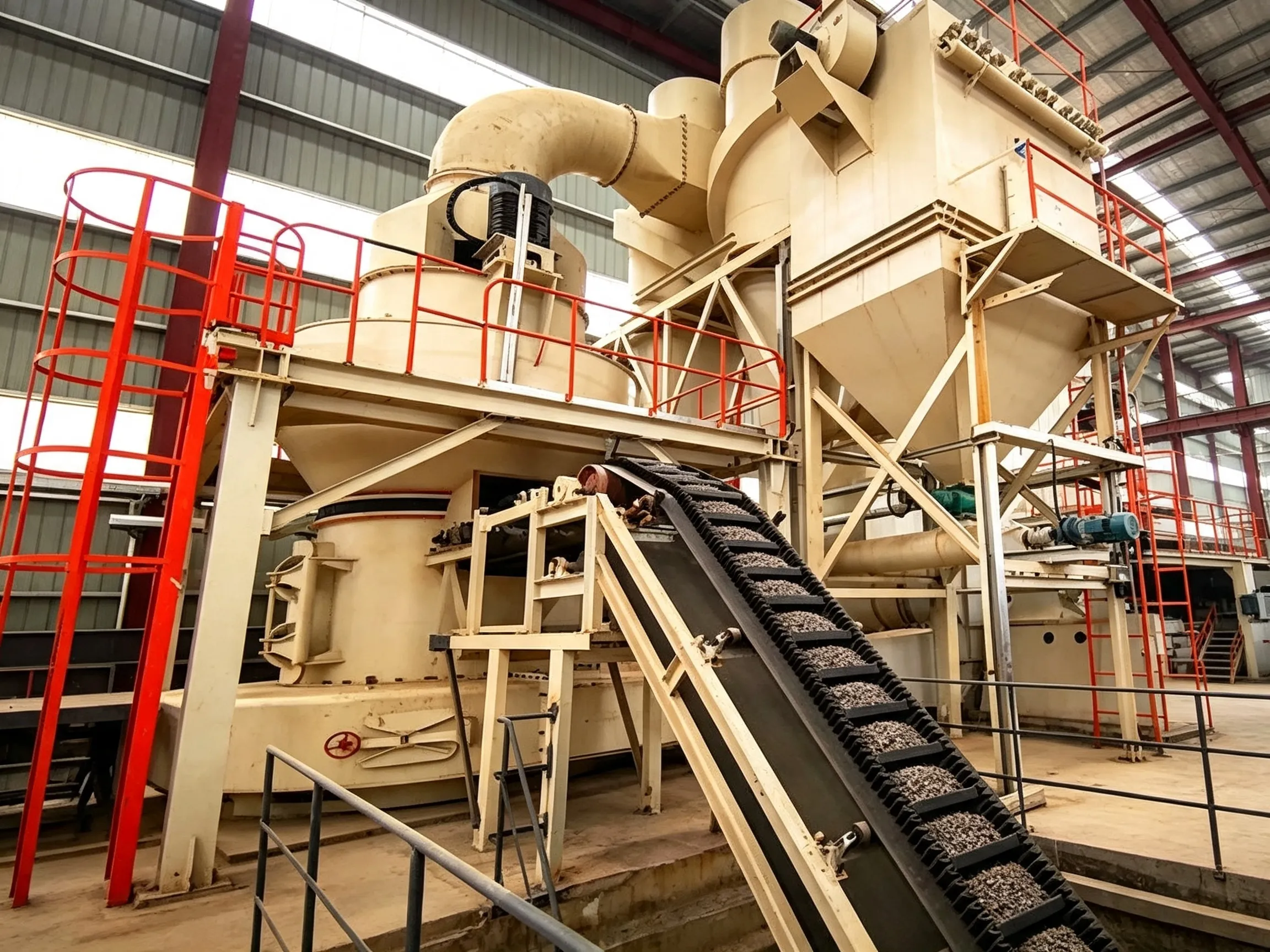
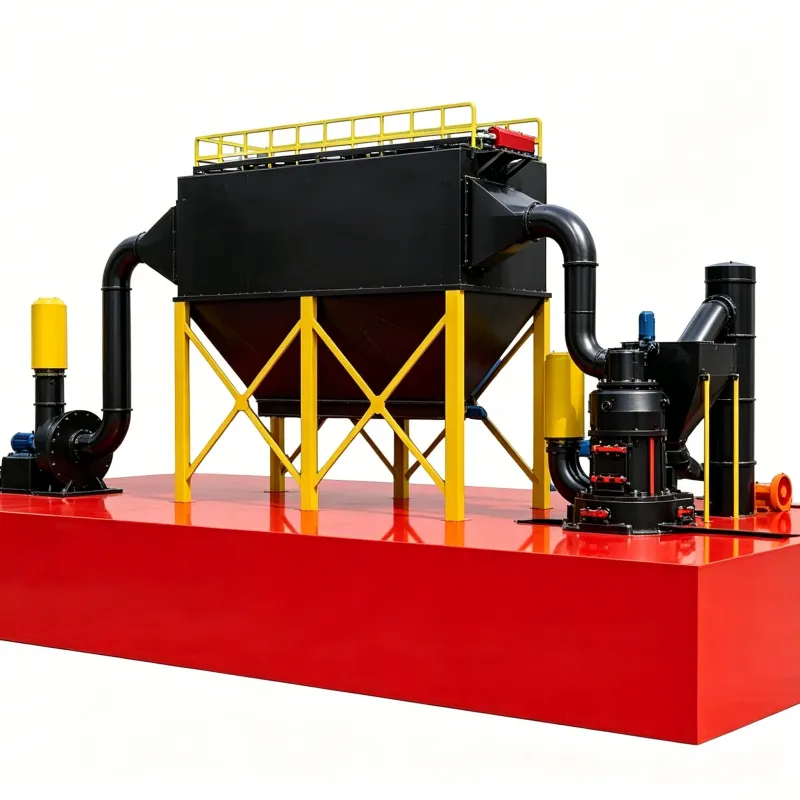
The KX open-circuit Raymond mill is a specialized equipment designed by Kenex Mining Machinery to meet the grinding needs of heat-sensitive and flammable materials (such as carbon black and activated carbon). With safety and explosion prevention as its core, it adopts an open-circuit Raymond mill system and integrates safety and explosion-proof features such as cooling, explosion protection, and nitrogen inerting. Unlike the closed-circuit process, the open-circuit process discharges the ground powder directly and rapidly in a single pass, collecting it as finished product without classification or return of coarse material for re-grinding. This significantly shortens the material residence time inside the grinding chamber, effectively avoiding the risk of combustion caused by over-grinding and temperature rise of heat-sensitive materials.
Features and Advantages of Open-Circuit Raymond Mill
Comparison between Open-Circuit and Closed-Circuit Raymond Mill Systems
| Open-Circuit System | Closed-Circuit System |
|---|---|
| Discharged directly after one pass of grinding, without returning to the grinding chamber | After grinding, classified by a classifier; coarse powder returns to the grinding chamber for re-grinding |
| Simple structure; no classifier or return circulation system | Relatively complex structure; includes classifier, return pipeline, etc. |
| Short material residence time | Long material residence time |
| Low temperature rise in grinding chamber | High temperature rise in grinding chamber |
| Slightly poorer finished product uniformity | Uniform finished product particle size |
| Lower overall energy consumption | Higher overall energy consumption |
| Entire system features special explosion-proof design | Conventional configuration; generally no special explosion-proof design |
| Suitable for heat-sensitive and flammable materials | Suitable for non-flammable, non-explosive materials |
Process Flow of Open-Circuit Raymond Mill
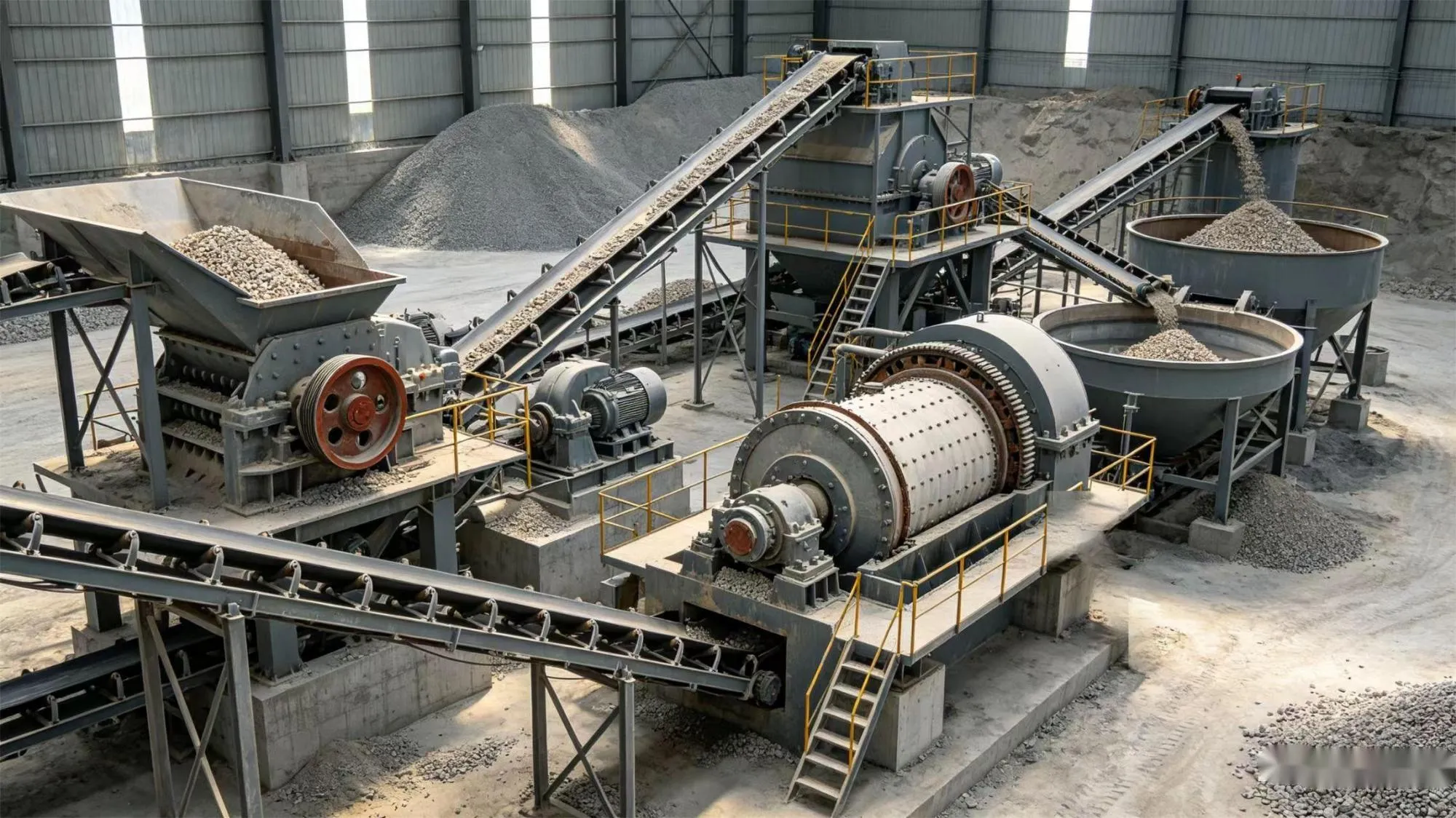
Raw Material → Crusher → Open-Circuit Raymond Mill → Cooling System → Cyclone Collector → Pulse Explosion-Proof Bag Filter → Finished Product Packaging
1. Raw Material Preparation
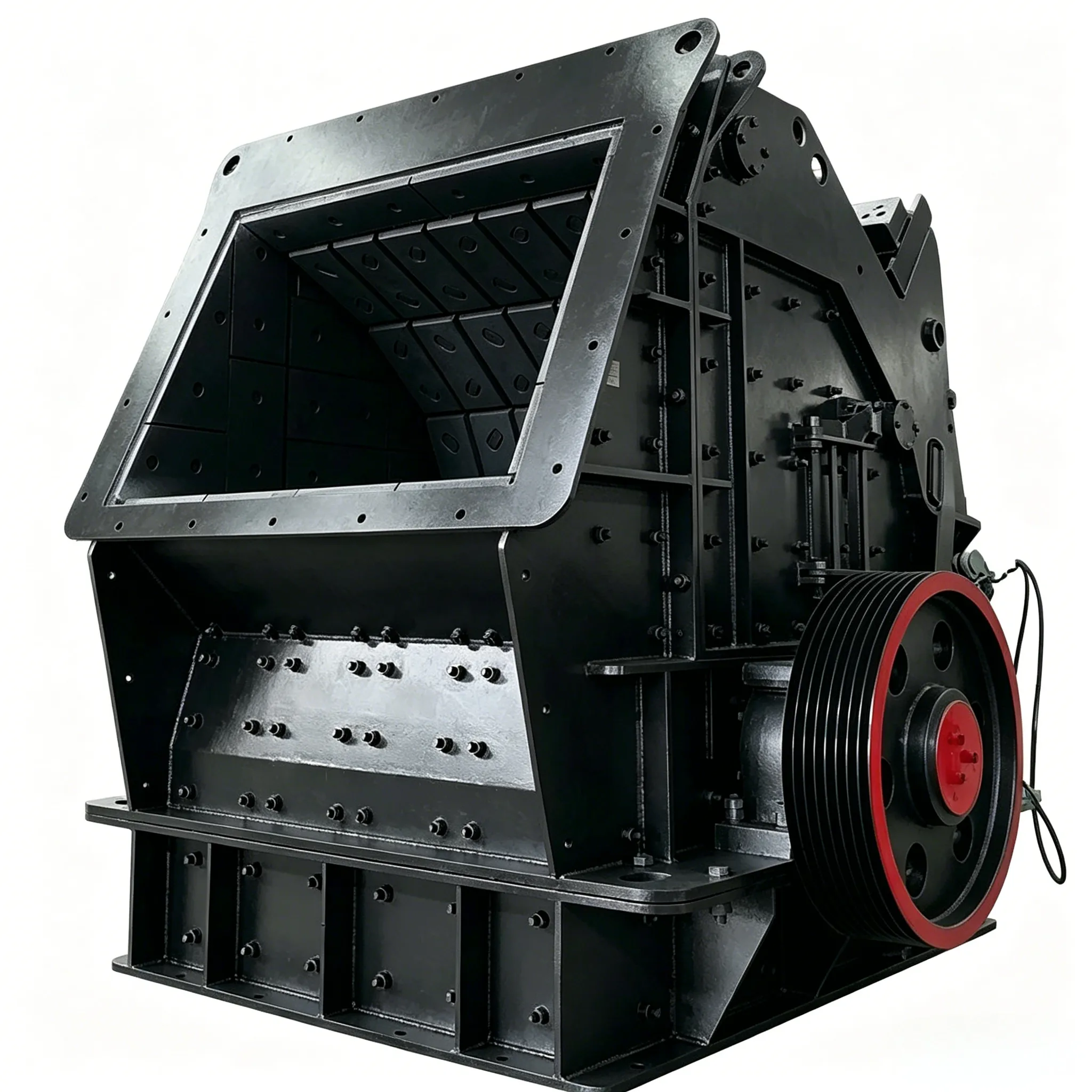
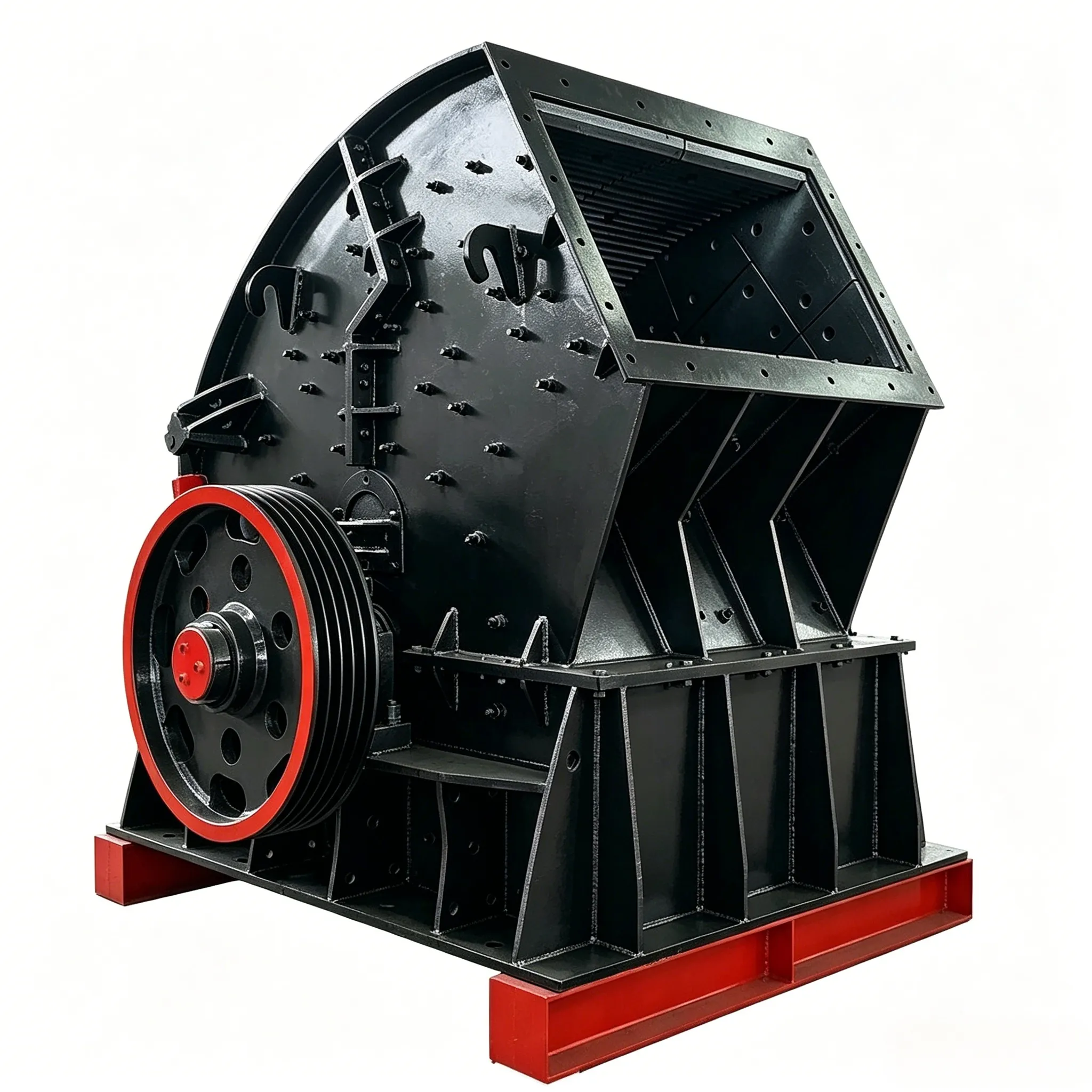
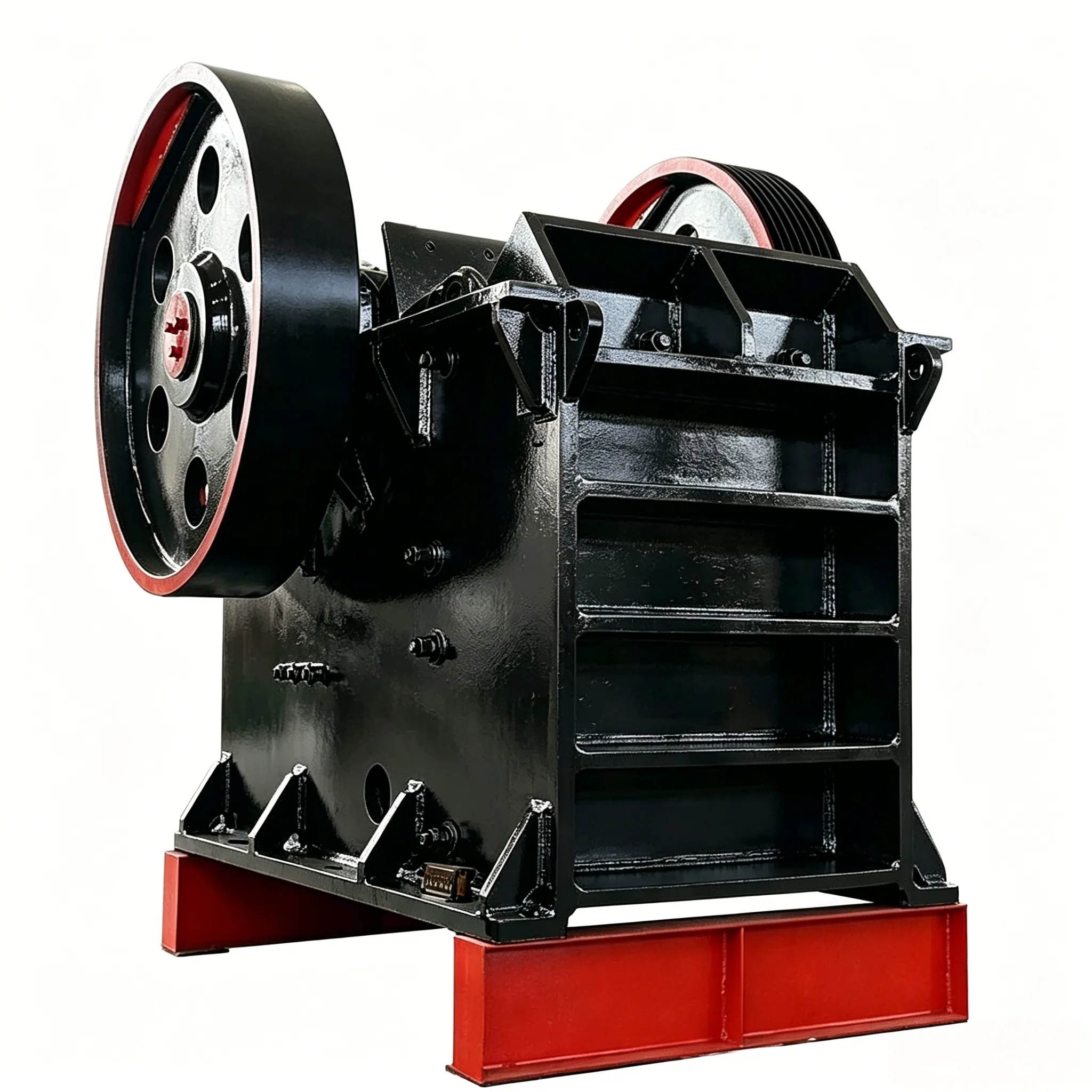
The raw material is crushed by a crusher to a size that meets the mill’s feed requirement (≤35 mm), and then conveyed to the open-circuit Raymond mill.
2. Single-Pass Grinding
The material enters the grinding chamber for size reduction. After one pass of grinding, it is rapidly discharged with the airflow without classification or return for re-grinding.
3. Cooling and Collection
The discharged high-temperature powder immediately enters a cyclone cooler for forced cooling, then is collected and separated by a cyclone collector, and finally recovered and purified by a pulse explosion-proof bag filter.
| KX Open-Circuit Raymond Mill Parameter Comparison Table | |||||
| Model | feed size(mm) | output size(mesh) | capacity (t/h) | power(kW) | fan power(kW) |
| 1280K | ≤20 | 80~400 | 0.3~1.2 | 55 | 45 |
| 1620K | ≤30 | 0.8~2.5 | 160 | 110 | |
| 1920K | ≤30 | 1.5~4.5 | 220 | 160 | |
| 2500K | ≤35 | 2.5~7.0 | 280 | 220 | |
Open-Circuit Raymond Mill – Frequently Asked Questions
Q: What is the difference between closed-circuit and open-circuit systems of a Raymond mill?
A:
Q: What is the difference when processing carbon black versus activated carbon with an open-circuit Raymond mill?
A:
Q: How can the product uniformity of an open-circuit Raymond mill be improved?
A:
A variable frequency feeder can be used to optimize feeding uniformity, ensuring continuous, even, and metered material entry into the mill. Additionally, post‑grinding classification (e.g., vibrating screen, air classifier) can be applied to separate fine powder from coarse particles.
 English English
  Spanish
 Russian
 Arabic
 Swahili
 French
 Turkish
 Portuguese
 Korean
 Japanese
 German
 Italian