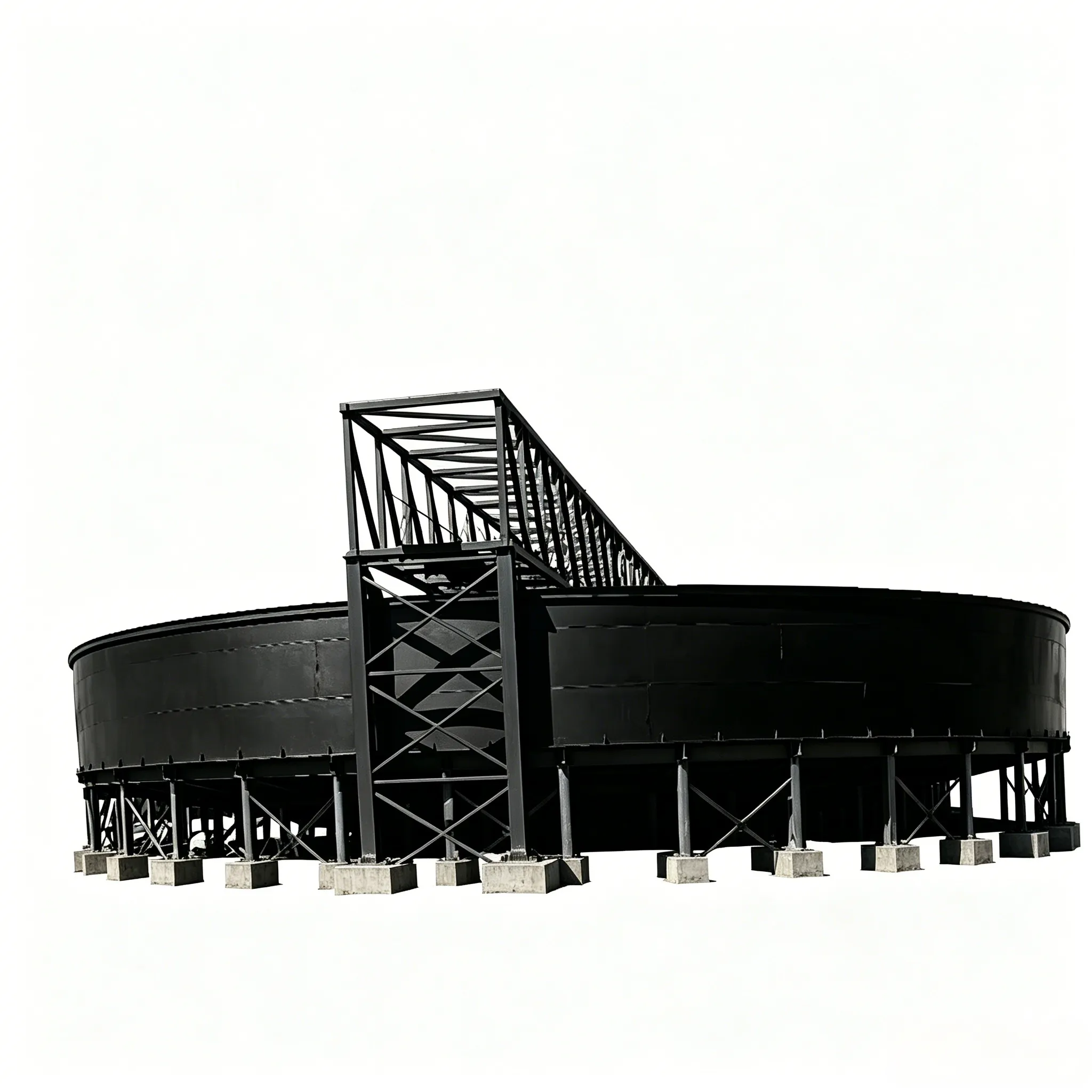
Peripheral Drive Thickener
Peripheral Drive Thickener Currently, the peripheral drive thickeners produced in China generally…


The number of grinding balls in the ball mill directly affects the grinding performance.
1. Too few grinding balls
If the impact and grinding actions are insufficient, it may lead to:
Inadequate grinding fineness and decreased processing capacity.
2. Too many grinding balls
Too many grinding balls are not necessarily better either; they may cause:
Increased mill load and higher energy consumption, which actually affects grinding efficiency.
3. Grinding ball size is also very important
Large grinding balls are suitable for generating strong impacts, while small grinding balls are more conducive to fine grinding.
Therefore, one cannot only look at the number of grinding balls; the grinding ball size distribution (ball charge grading) must also be considered.
4. Adjustment should be combined with ore properties
Since ore hardness, particle size, throughput, and target grinding fineness differ, the appropriate ball charge load and size distribution will also differ.
Therefore:
More grinding balls in a ball mill is not always better; they must match the ore properties, throughput, and grinding fineness.
An automation system can monitor parameters such as feed rate, current, power, and pulp density to help judge the mill’s operating status, but the ball charge load and size distribution still need to be optimized in combination with the actual process.
 English English
 Spanish
 Russian
 Arabic
 Swahili
 French
 Turkish
 Portuguese
 Korean
 Japanese
 German
 Italian