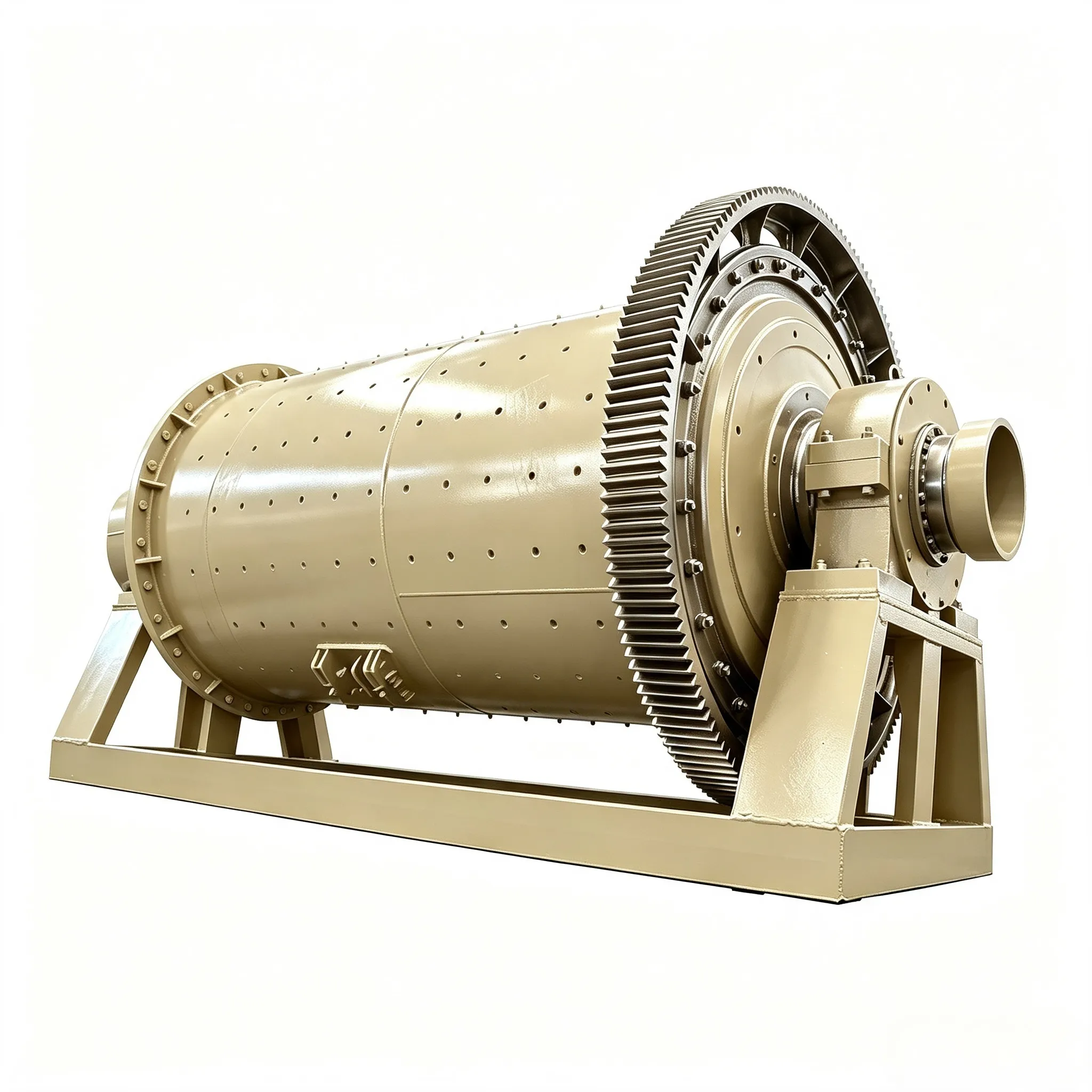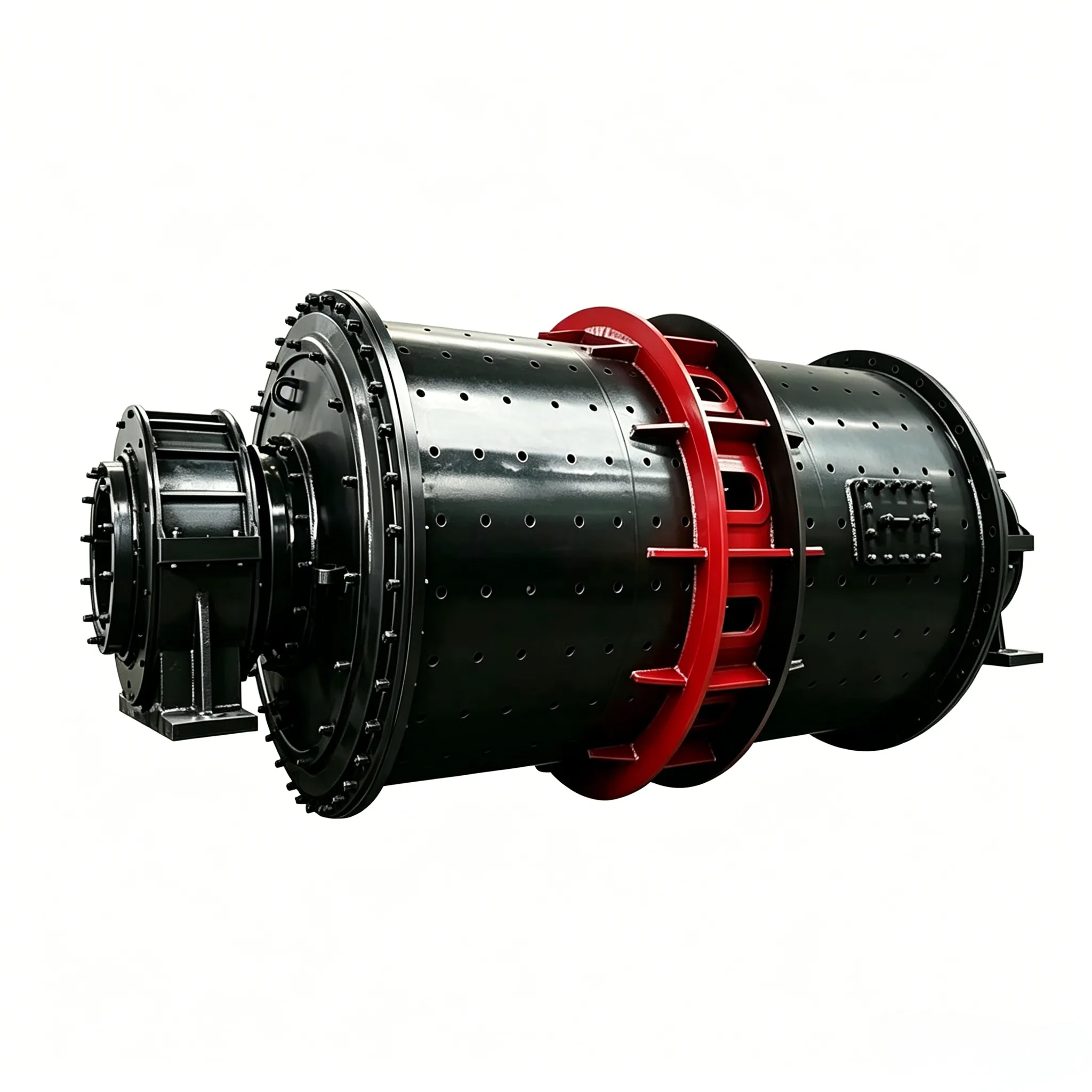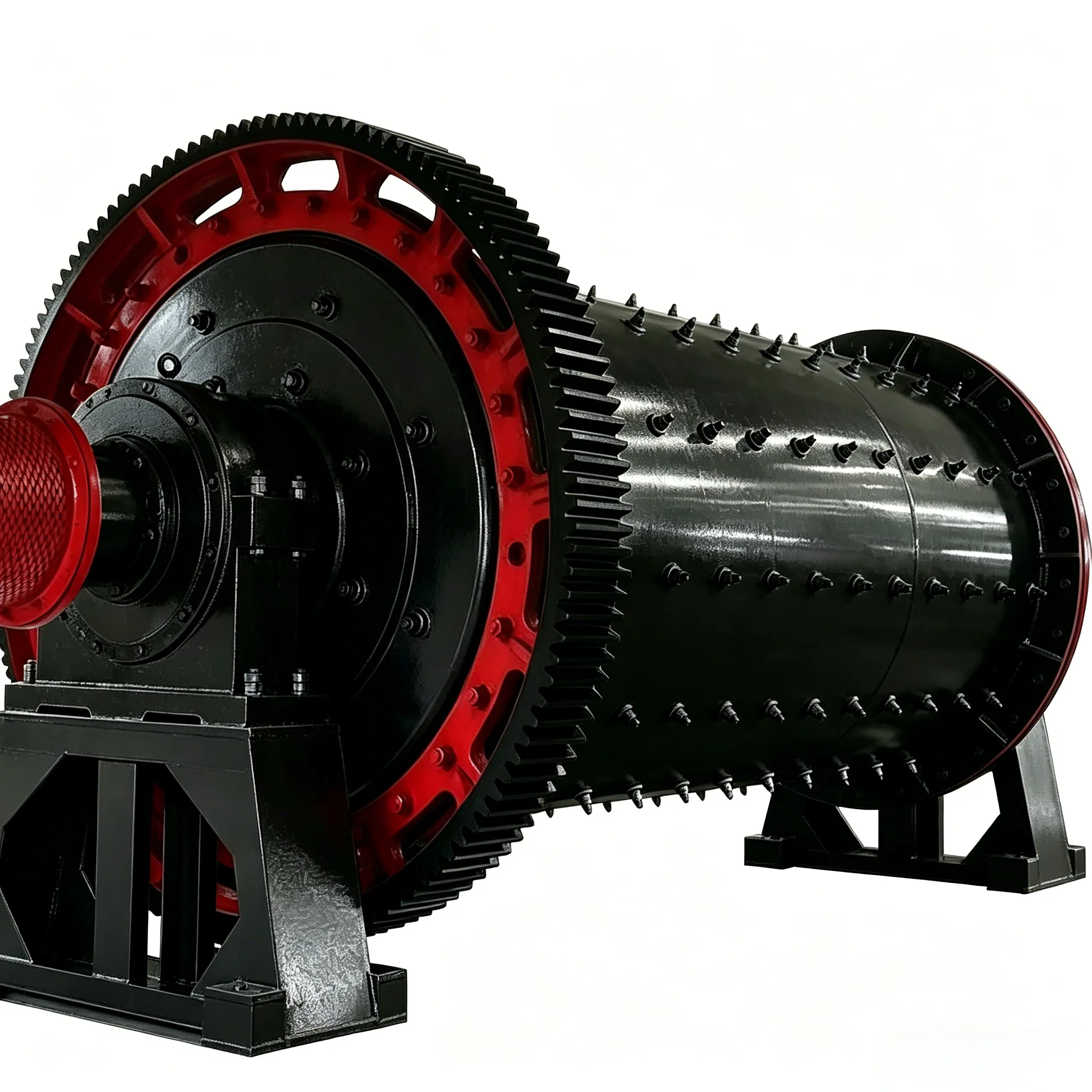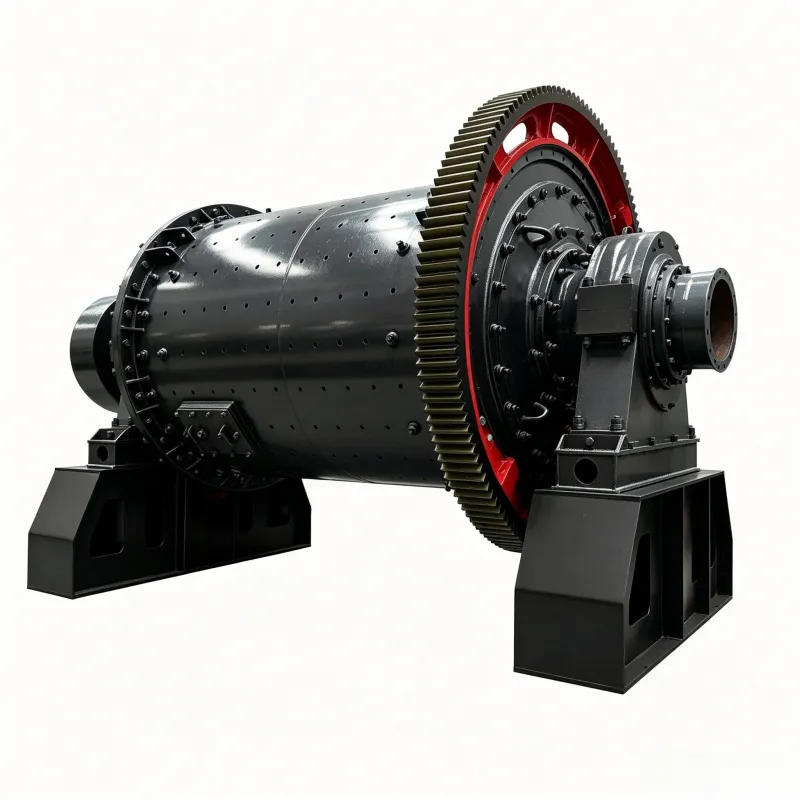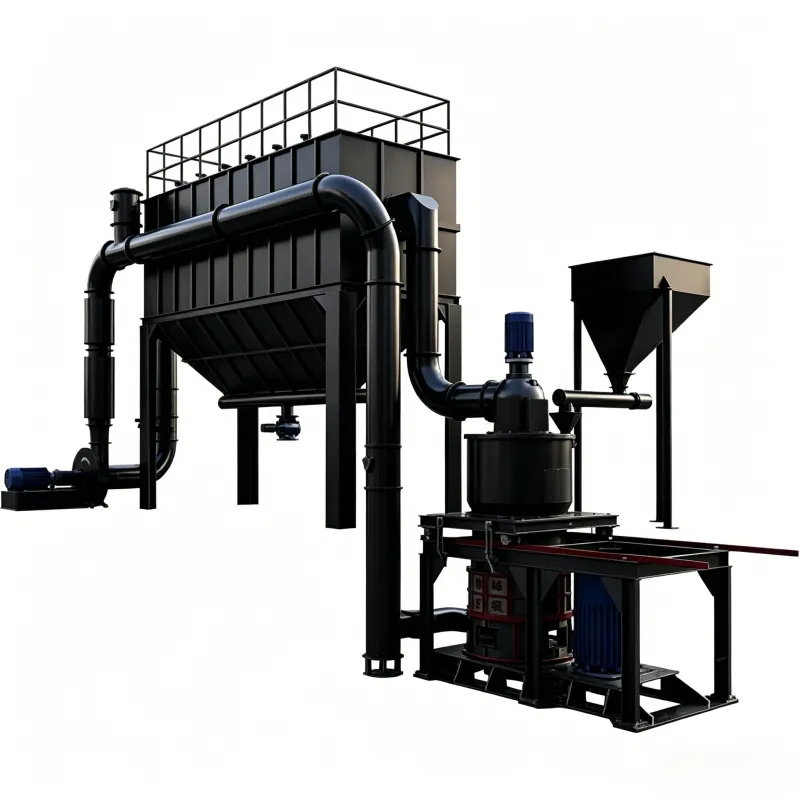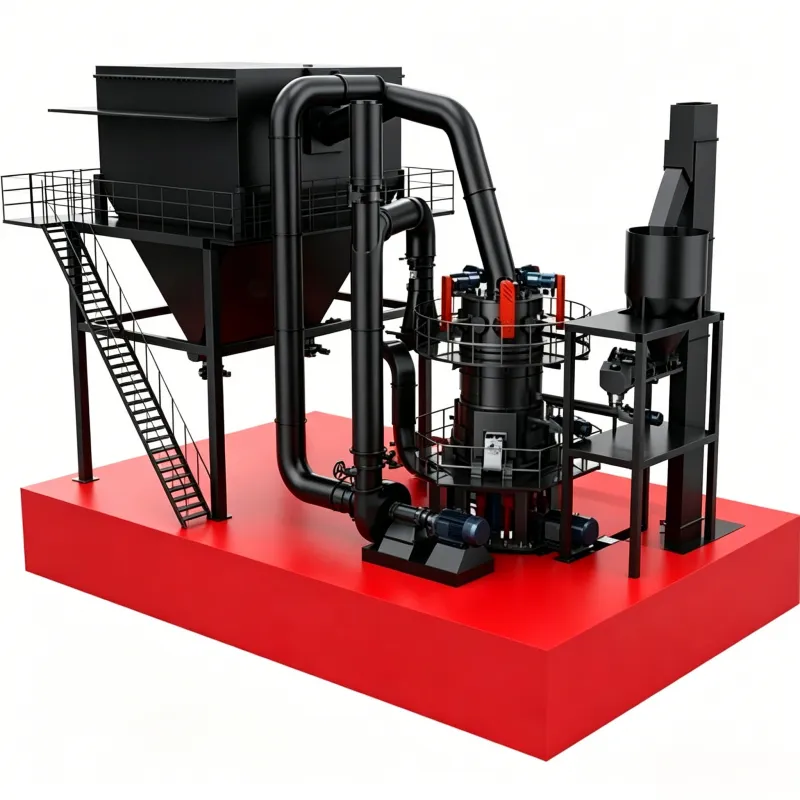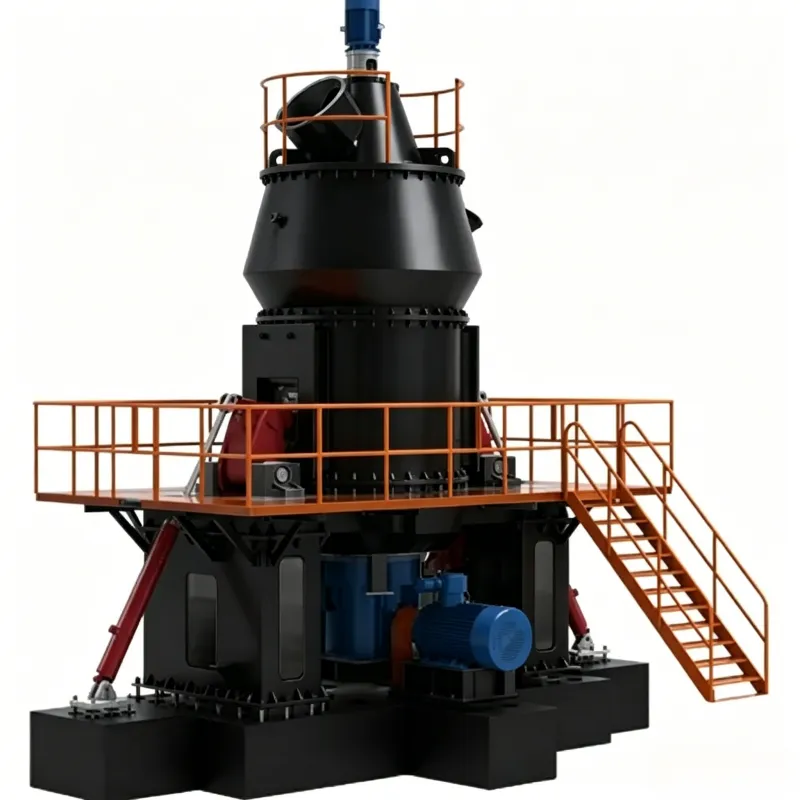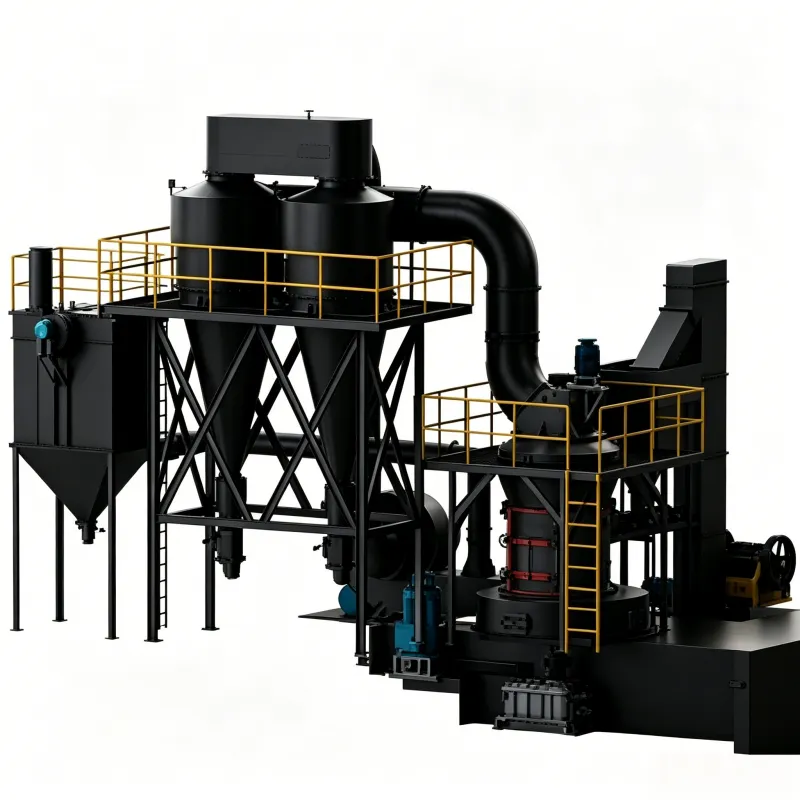

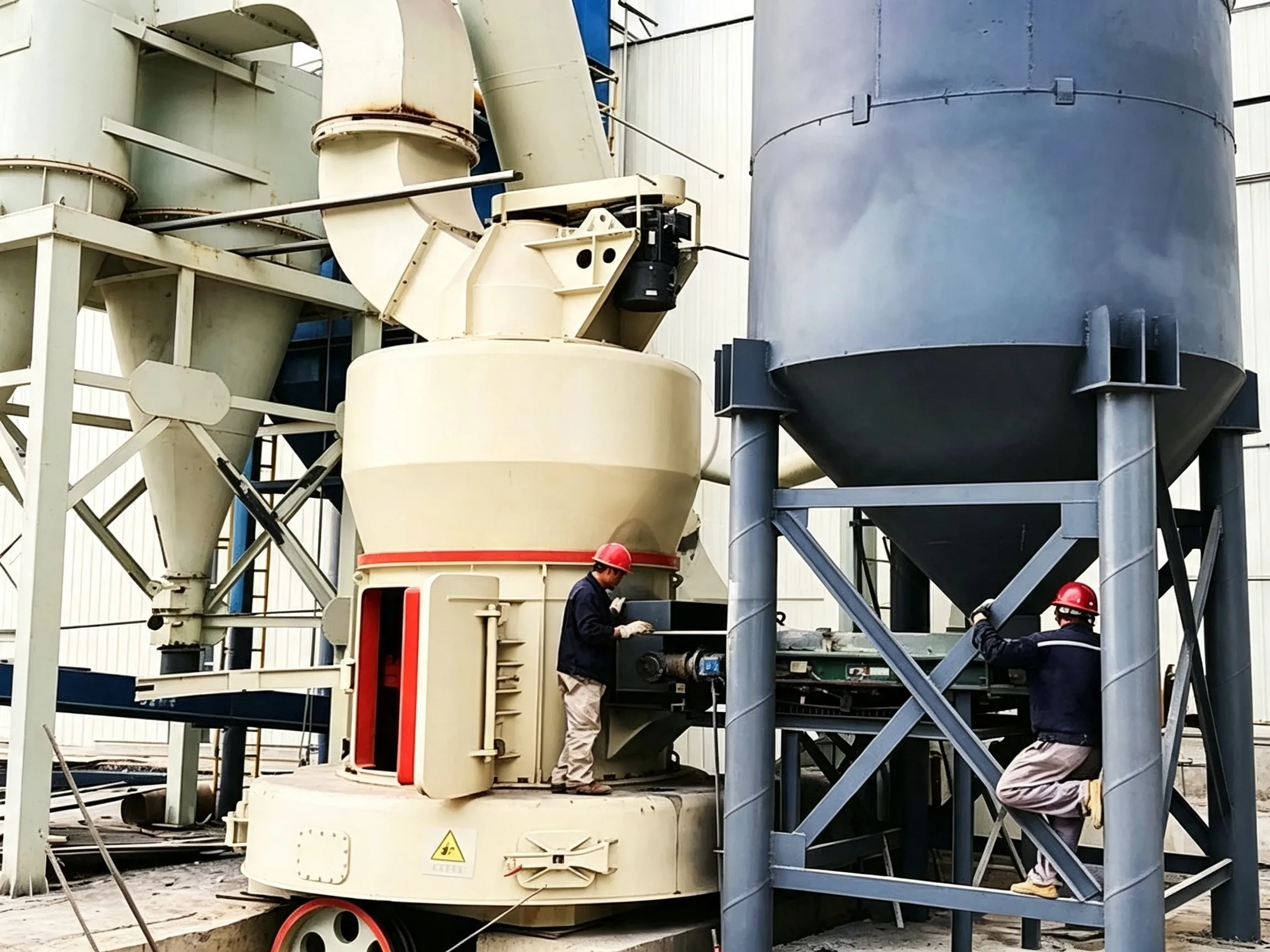
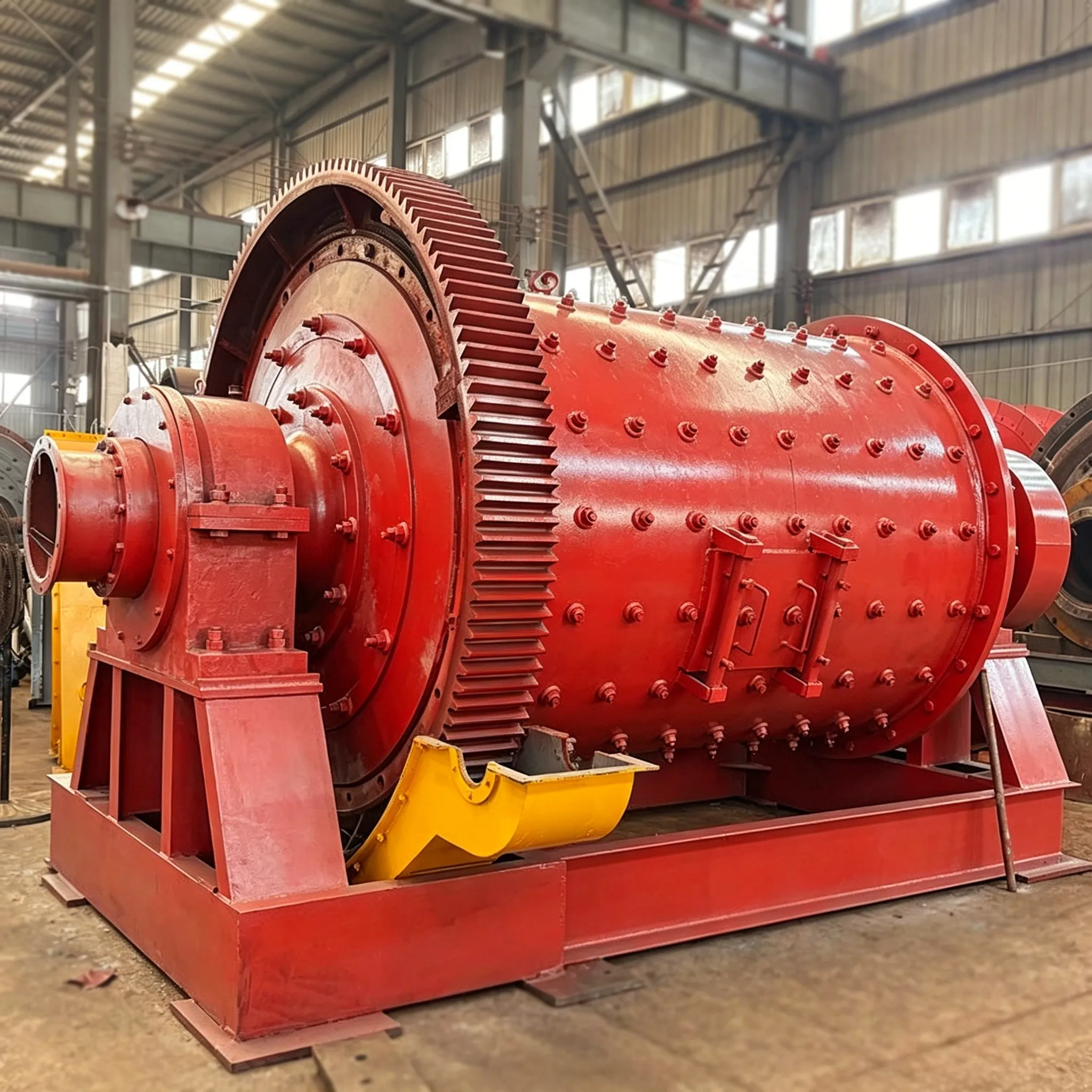



The grinding ring is a core working component and critical wear part of the Raymond mill (also known as the pendulum mill or suspended roller mill). Together with the grinding roller, it forms the “ring‑roll” grinding system. During operation, the grinding roller is pressed firmly against the grinding ring under centrifugal force
The grinding ring is a core working component and critical wear part of the Raymond mill (also known as the pendulum mill or suspended roller mill). Together with the grinding roller, it forms the “ring‑roll” grinding system. During operation, the grinding roller is pressed firmly against the grinding ring under centrifugal force, and the material is crushed by compression and grinding between the roller and the ring. The quality and performance of the grinding ring directly affect the mill’s production efficiency, product quality, and operating costs.
The grinding ring is suitable for various types of Raymond mills, high‑efficiency Raymond mills, ultrafine ring‑roller mills, and similar equipment. It is widely used in the metallurgical, building material, chemical, and mining industries for grinding mineral products.
Alternative names: grinding ring, abrasive ring, mill grinding ring.
The grinding ring is a stationary component mounted inside the mill housing in an annular configuration. Its working process is as follows:
The grinding ring is an annular cylindrical component installed inside the mill housing. Its main structural features include:
| Structural Element | Function |
|---|---|
| Ring body | Annular cylindrical part that forms the grinding zone together with the rollers. |
| Working surface | The inner cylindrical surface that directly contacts the rollers, subject to continuous grinding wear. |
| Mounting and locating surfaces | Engage with the housing to ensure concentricity and gap accuracy between the ring and rollers. |
| Fixing device | Secured to the housing by bolts or other means. |
Currently, grinding ring materials for Raymond mills mainly fall into the following categories:
| Material Type | Typical Grade | Characteristics | Application |
|---|---|---|---|
| Ordinary alloy steel | 16Mn, etc. | Moderate wear resistance, low cost | Soft materials |
| High‑quality alloy carbon steel | — | Moderate wear resistance | Soft materials |
| Manganese alloy steel | ZG65Mn (65Mn) | Moderate wear resistance; widely accepted cost | Most common, suitable for most conditions |
| High‑manganese alloy steel | ZGMn13 (Mn13), Mn18 | Superior wear resistance, high hardness | Medium‑hardness materials |
| High‑chromium alloy cast iron | Cr13, Cr23, Cr26 | Hardness up to HRC60+, excellent wear resistance | High‑hardness materials, extreme wear conditions |
65Mn (65 manganese) ring:
High‑manganese steel ring:
High‑chromium alloy ring:
Simple identification methods include:
Choose the appropriate ring material based on the material to be ground:
| Material Type | Recommended Ring Material | Remarks |
|---|---|---|
| Low‑hardness (limestone, calcite, etc.) | High‑manganese steel (ZGMn13) | Moderate wear resistance; low cost |
| Medium‑hardness | Manganese alloy steel (ZG65Mn) | Cost‑effective, suitable for most ores |
| High‑hardness (quartz, corundum, etc.) | High‑chromium alloy steel (Cr23/Cr26) | Hardness up to HRC60+, 50%+ wear resistance improvement |
| Extreme wear conditions | High‑chromium cast iron / composite wear‑resistant material | 30‑50% longer service life |
Important: The grinding ring and rollers should be made of the same material to avoid uneven wear caused by hardness differences. For high‑hardness materials, investing in high‑performance materials (e.g., high‑chromium alloy) is recommended for lower long‑term operating costs.
Different Raymond mill models are equipped with rings of different sizes:
| Model Series | Roller Count | Roller Size (mm) | Ring Inner Diameter × Height (mm) | Main Shaft Speed (r/min) |
|---|---|---|---|---|
| YGM8314 / 3R | 3 | Φ270×140 | Φ830×140 | 130 |
| YGM9517 / MTM100 / 4R | 4 | Φ310×170 | Φ950×170 | 103 |
| YGM4121 / MTM130 / 5R | 5 | Φ410×210 | Φ1280×210 | 103 |
| MTM160 / 6R | 6 | Φ480×270 | Φ1600×270 | 82 |
| Model | Roller Count | Roller Size (mm) | Ring Inner D×H (mm) | Max Feed (mm) | Product Size (mm) | Capacity (t/h) | Main Power (kW) |
|---|---|---|---|---|---|---|---|
| 3R‑2615 | 3 | 260×150 | 780×150 | 20 | 0.2‑0.044 | 0.8‑2.5 | 18.5 |
| 3R‑2715 | 3 | 270×150 | 830×150 | 20 | — | 0.9‑2.8 | 22 |
| 4R‑3216 | 4 | 320×160 | 970×160 | 25 | — | 1.8‑4.5 | 37 |
| 5R‑4121 | 5 | 410×210 | 1280×210 | 30 | — | 2.5‑9.5 | 75 |
Different manufacturers and models may have varying ring sizes:
| Ring Inner Diameter (mm) | Ring Height (mm) | Corresponding Roller Diameter (mm) | Common Model |
|---|---|---|---|
| Φ630 | — | Φ210 | Small type |
| Φ780 | 150 | Φ260 | 3R |
| Φ830 | 140‑150 | Φ270 | 3R / YGM8314 |
| Φ950 | 170 | Φ310 | 4R / MTM100 |
| Φ970 | 160 | Φ320 | 4R‑3216 |
| Φ1280 | 210 | Φ410 | 5R / MTM130 |
| Φ1600 | 270 | Φ480 | 6R / MTM160 |
The grinding ring is suitable for processing various non‑flammable and non‑explosive materials with Mohs hardness below 7 and moisture content below 6%, including but not limited to:
| Inspection Item | Content | Frequency |
|---|---|---|
| Wear check | Regularly inspect ring wear; replace if wear exceeds 3‑5 mm | Each shift |
| Wall thickness measurement | Measure ring thickness; replace immediately if <10 mm | Regular intervals |
| Bolts | Check ring fixing bolts for looseness | Before each start‑up |
| Gap check | Check roller‑to‑ring clearance (normally 0.5‑2 mm) | Regular intervals |
The service life of the grinding ring depends on material hardness, feed rate, and other factors:
| Operating Condition | Reference Life |
|---|---|
| Normal duty | 2000‑3000 hours |
| High‑wear duty | 1000‑2000 hours |
| Inspection interval | Every 800‑1500 hours |
| Replacement cycle | 3‑12 months |
Wear limit: Replace immediately when the ring wall thickness is less than 10 mm.
Before replacement:
Removing the old ring:
Installing the new ring:
Post‑replacement commissioning:
| Problem | Possible Cause | Solution |
|---|---|---|
| Abnormal product fineness | Incorrect roller‑ring clearance | Adjust clearance or check shovel blade wear |
| Excessive vibration after installation | Asymmetric ring installation | Check installation symmetry and spindle balance |
| Reduced output | Severe ring wear | Measure wall thickness; replace promptly |
| Loose ring fixing | Loose bolts | Inspect and retighten fixing bolts |
| Material Type | Recommended Ring Material | Expected Life |
|---|---|---|
| Limestone, calcite, talc | High‑manganese steel (ZGMn13) | Moderate |
| Barite, gypsum | Manganese alloy steel (ZG65Mn) | Long |
| Quartz, feldspar, potassium feldspar | High‑chromium alloy steel (Cr23/Cr26) | Longest |
Q: What is the service life of a grinding ring?
A: The service life is generally 1000‑3000 hours, depending on material hardness, feed rate, operating parameters, and maintenance.
Q: How can I tell when a ring needs replacement?
A: Replace immediately when the ring wall thickness is less than 10 mm. Also, if the product becomes coarser, output drops, or abnormal vibration occurs, the ring condition should be checked.
Q: What is the difference between high‑manganese steel and high‑chromium alloy rings?
A: High‑manganese steel (e.g., ZGMn13) has moderate wear resistance and lower cost, suitable for medium‑hardness materials. High‑chromium alloy has higher hardness (HRC60+) and more than 50% better wear resistance, making it ideal for high‑hardness materials such as potassium feldspar. They can be roughly distinguished by magnetism.
Q: Can the ring be replaced alone?
A: It is not recommended. The ring and rollers should be replaced together as a set to ensure uniform wear.
Q: Can grinding rings be custom‑made?
A: Yes. Most manufacturers offer customisation in terms of size, material, and other specifications according to customer requirements.
 English English
 Spanish
 Russian
 Arabic
 Swahili
 French
 Turkish
 Portuguese
 Korean
 Japanese
 German
 Italian