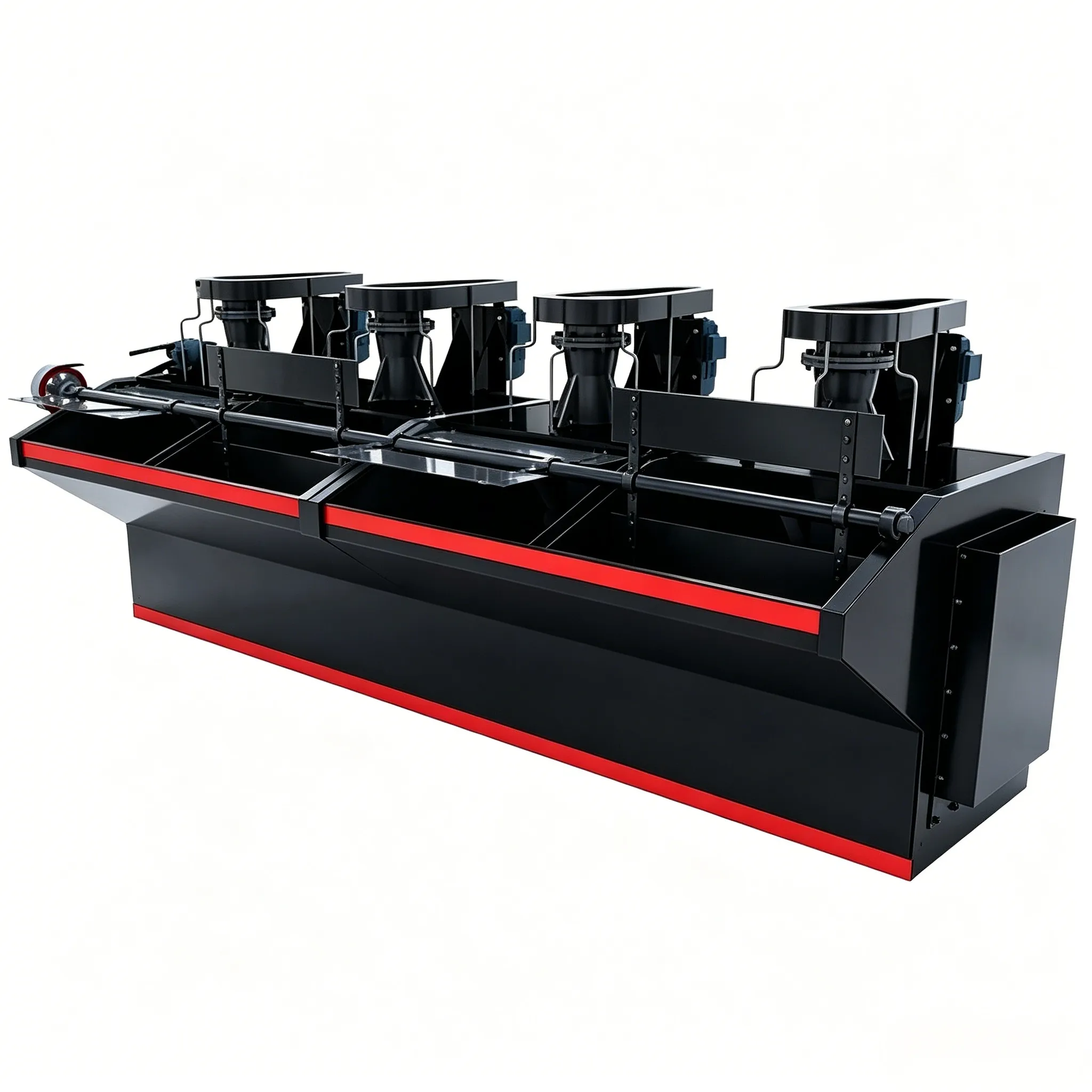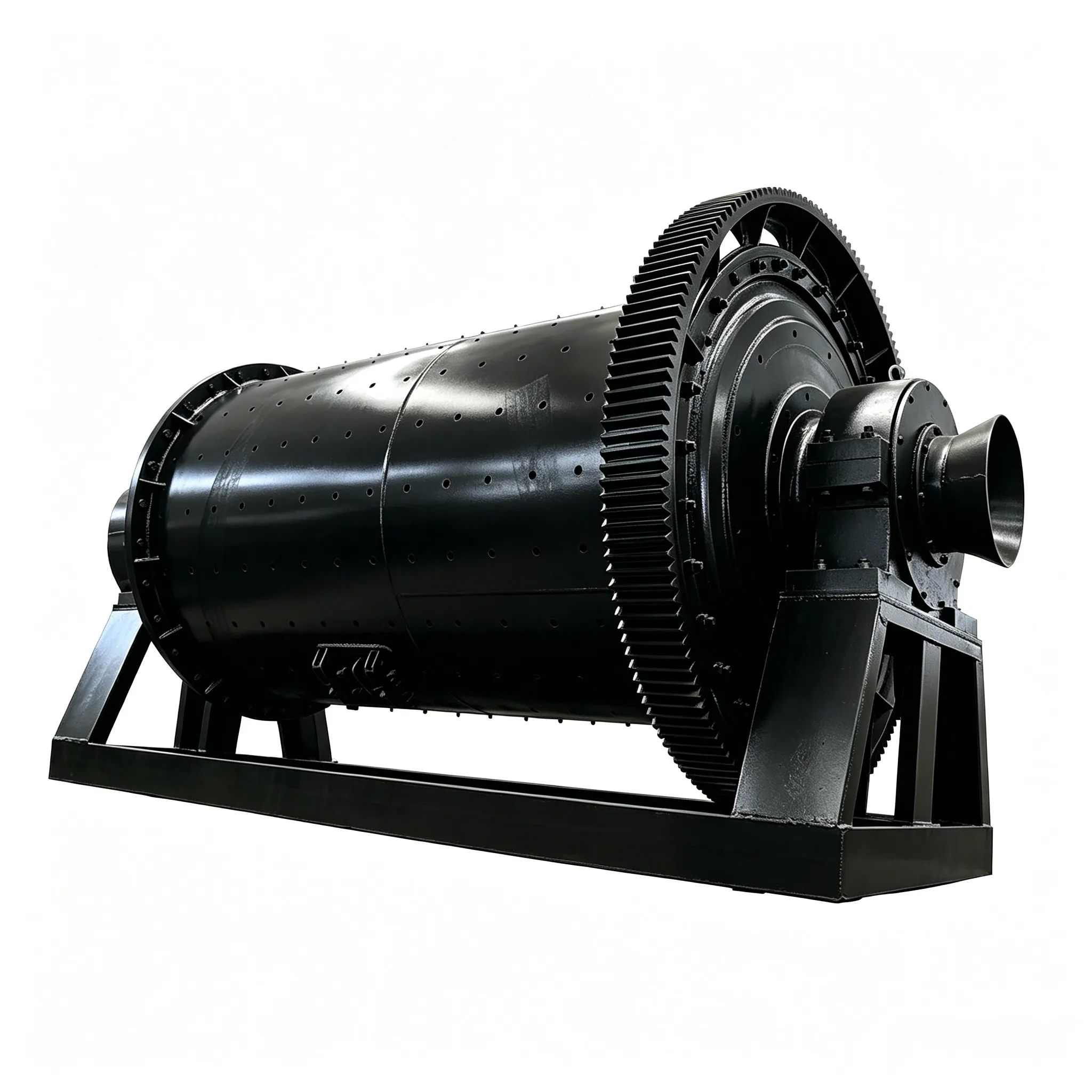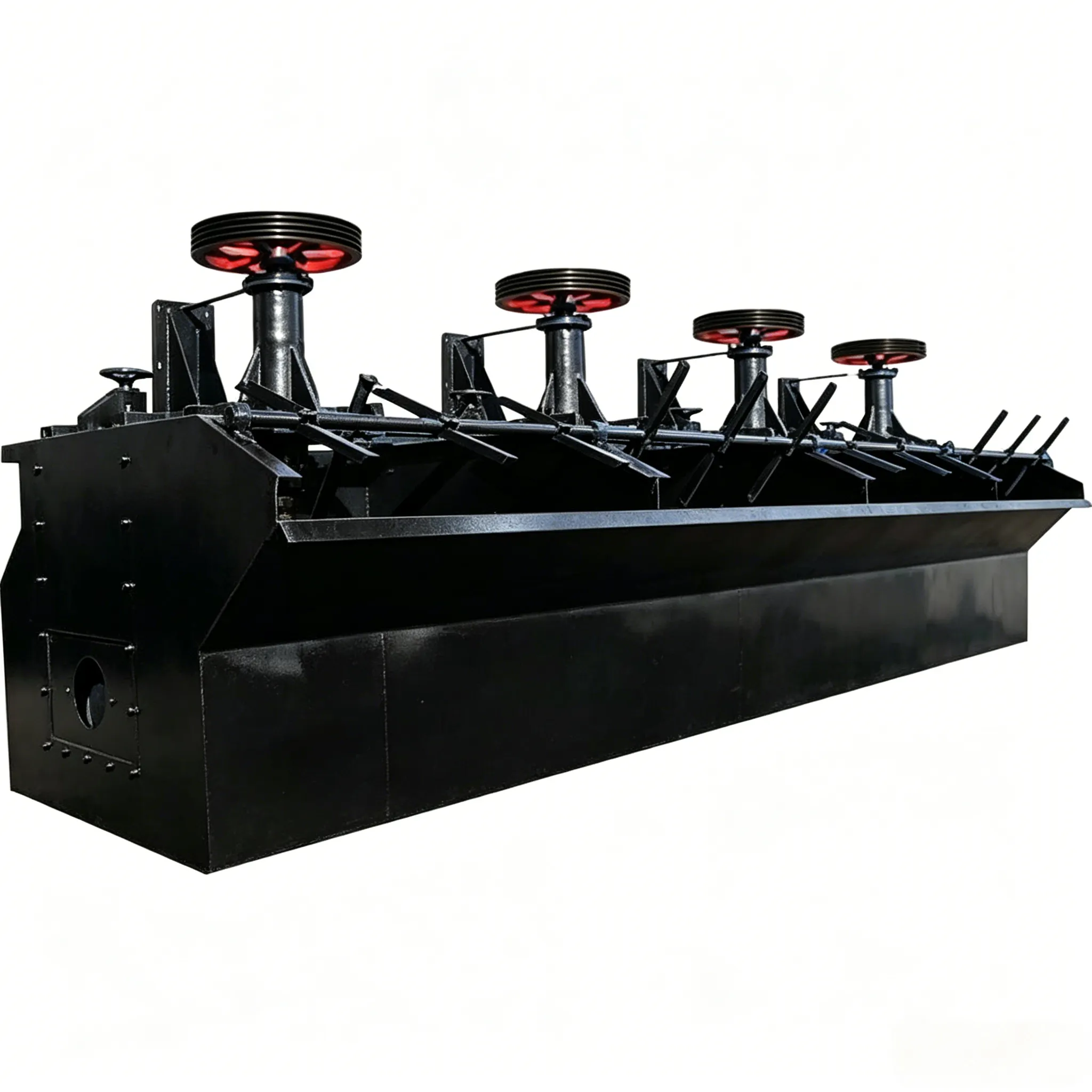
XJQ flotation machine
XJQ, JJF, and BS-M Flotation Machines These three types of flotation machines…

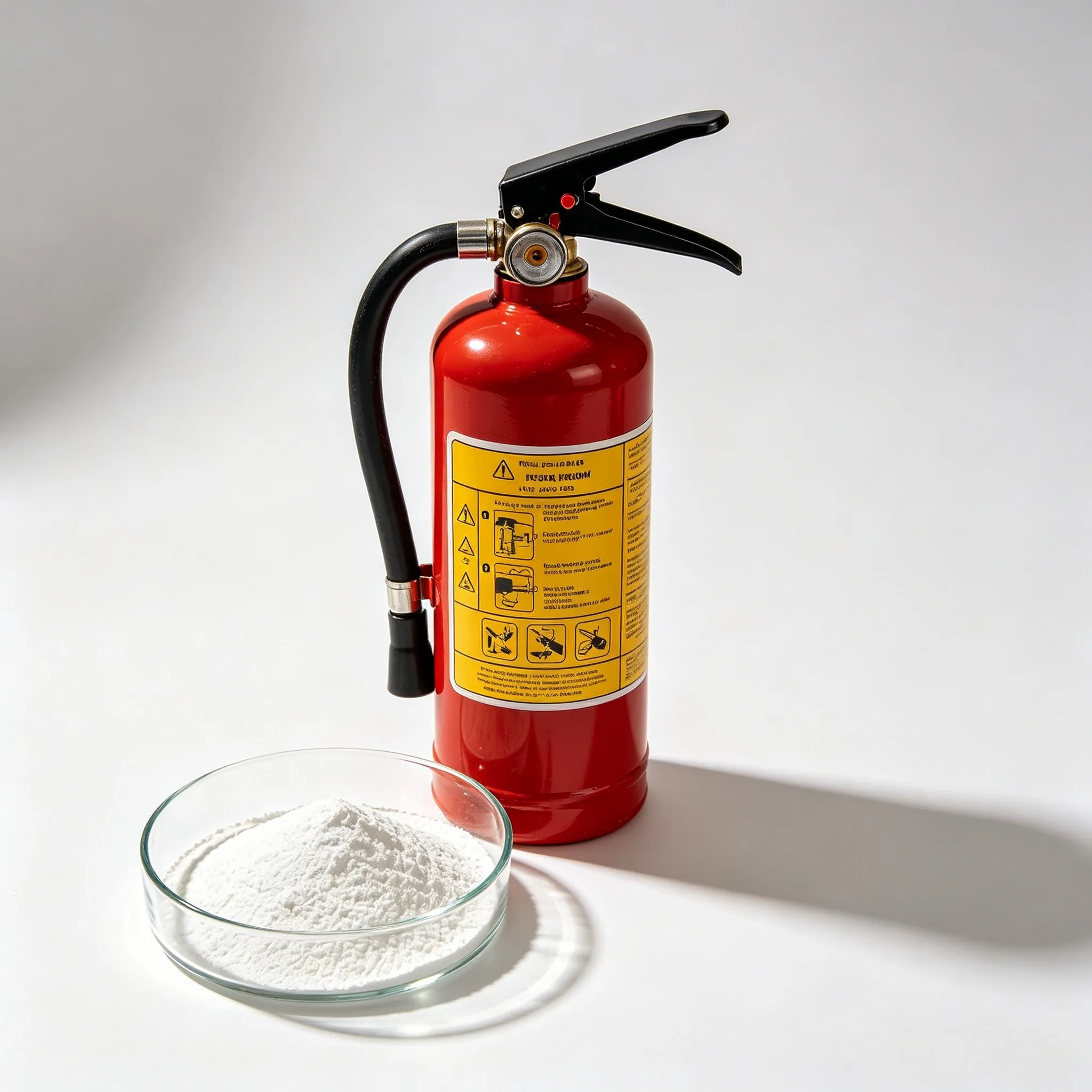
The dry chemical powder filled in fire extinguishers is produced through a process that differs between conventional dry powder and ultra‑fine dry powder, but generally follows a common four‑step procedure: raw material crushing, material mixing, drying, and screening.
A standard production line for common dry chemical powder (e.g., ABC type) with an annual capacity of 1,000 to 25,000 tonnes typically consists of the following key equipment.
| Step | Core Equipment | Function & Process Details |
|---|---|---|
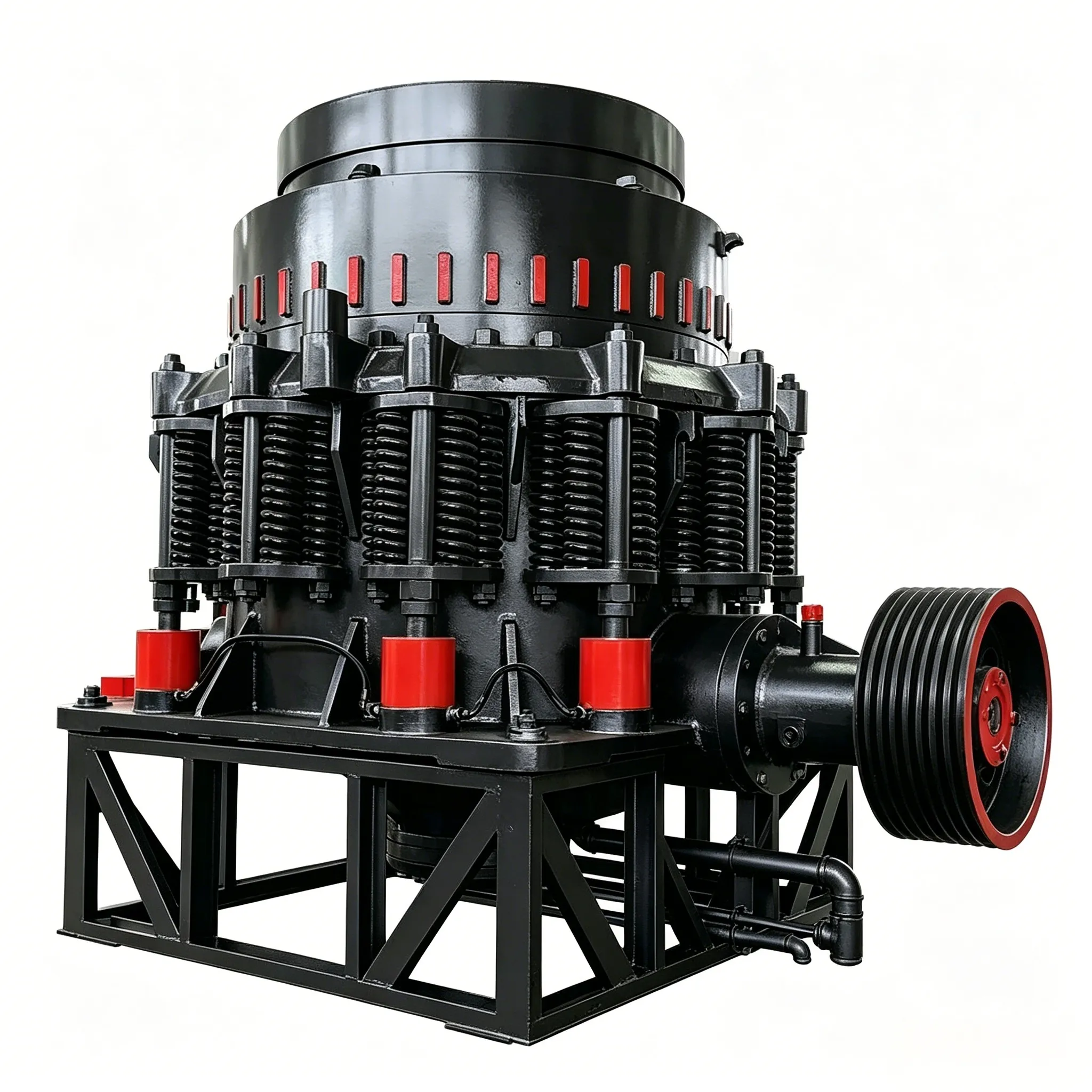
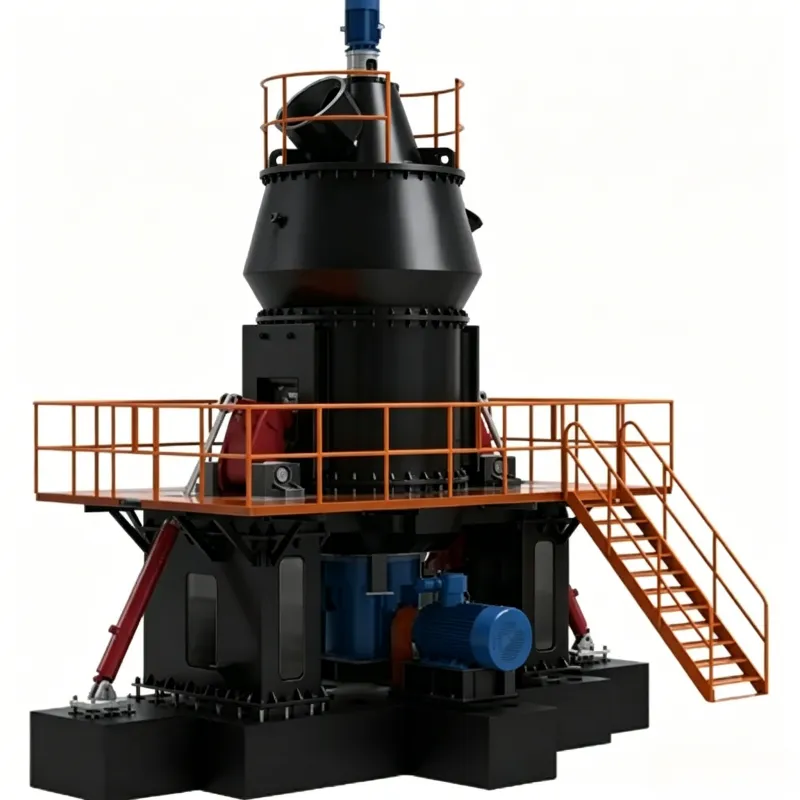
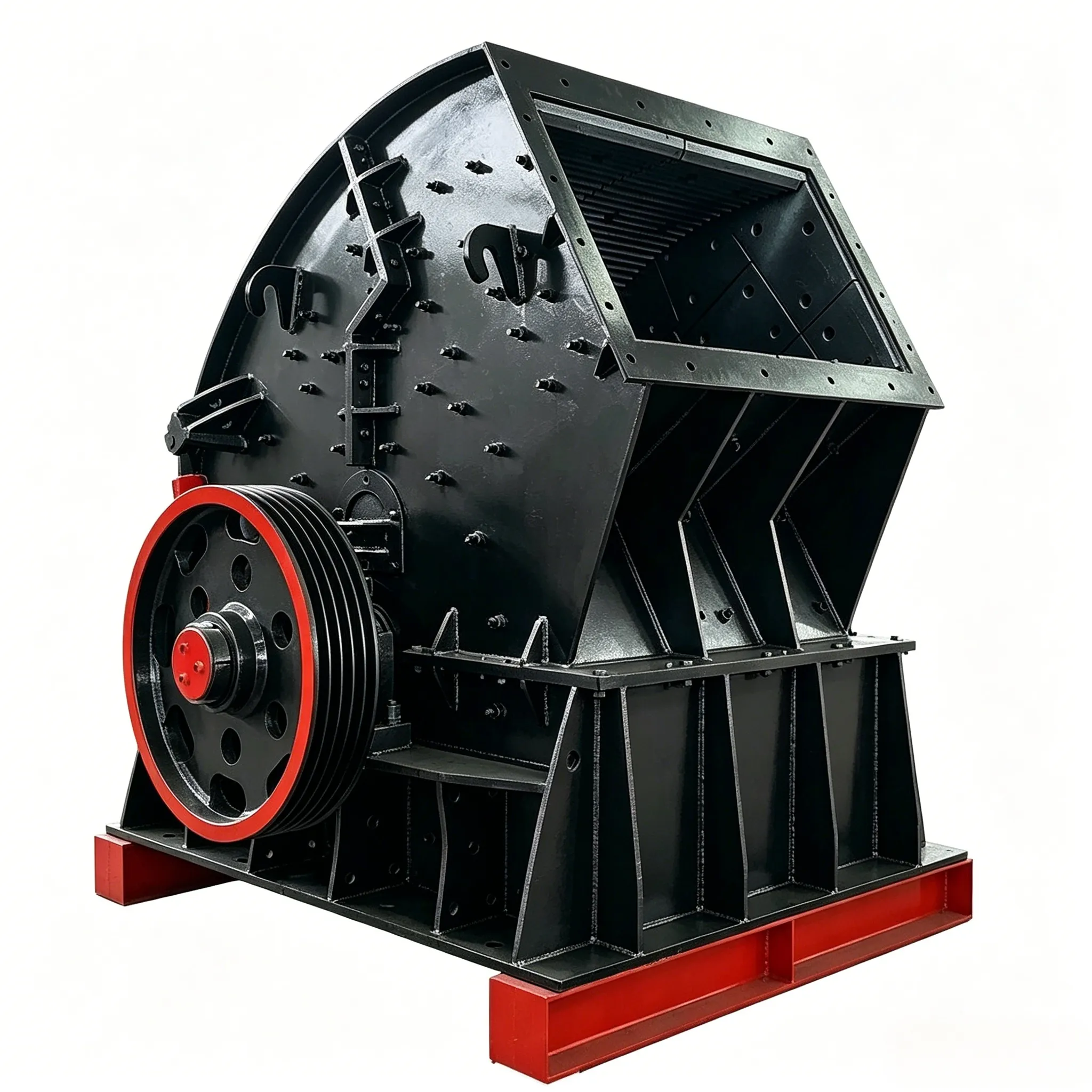
| 1. Raw material crushing | Crushing system (e.g., jet mill, ball mill, mechanical mill,raymond mill) | Crush bulk materials such as monoammonium phosphate and ammonium sulfate to the required fineness. This is a critical step for fire‑extinguishing performance. For example, a planetary ball mill operating at 400 rpm for 30 minutes can produce ultra‑fine powder with small particle size and narrow distribution. |
| 2. Mixing & silicification | Mixing‑drying‑silicification main unit (silicification machine) | This is the integrated core step. The crushed main materials and additives are loaded into the unit, mixed, and heated. Silicone oil (e.g., hydrogen‑containing silicone oil) is atomized via a spray tank and injected to silicify the powder. This forms a hydrophobic film on particle surfaces, preventing moisture absorption and caking, thereby extending shelf life and improving fire‑extinguishing efficiency. |
| 3. Conveying & screening | Conveyor, elevator, screening machine | The semi‑finished product from silicification is conveyed to a temporary storage bin, then passed through a screening machine. Powder meeting the fineness requirement goes to the finished product bin for packaging; oversize coarse material is returned to the crushing step for re‑processing. |
| 4. Packaging & filling | Automatic filling line, gas charging device | After the dry powder is produced, it is filled into extinguisher cylinders. Modern lines use automatic filling lines controlled by computer programs to achieve high‑precision, high‑efficiency filling, weighing, and gas charging. A complete extinguisher production line also includes equipment for leak testing, hydrostatic testing, drying, and printing. |
Different types of dry chemical powders have different formulations:
To further improve product performance and reduce cost, the industry is developing more advanced processes.