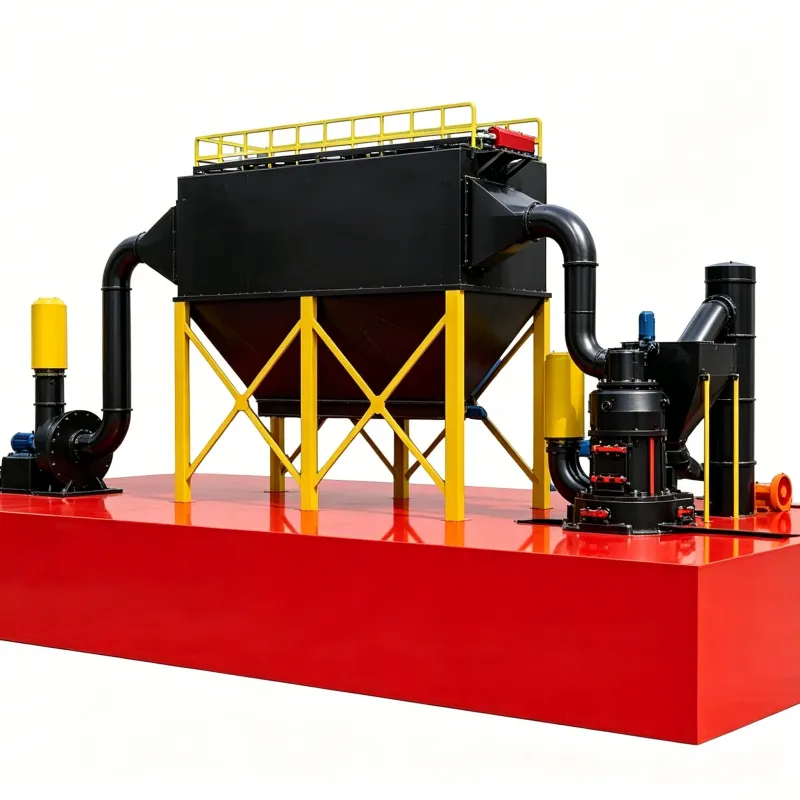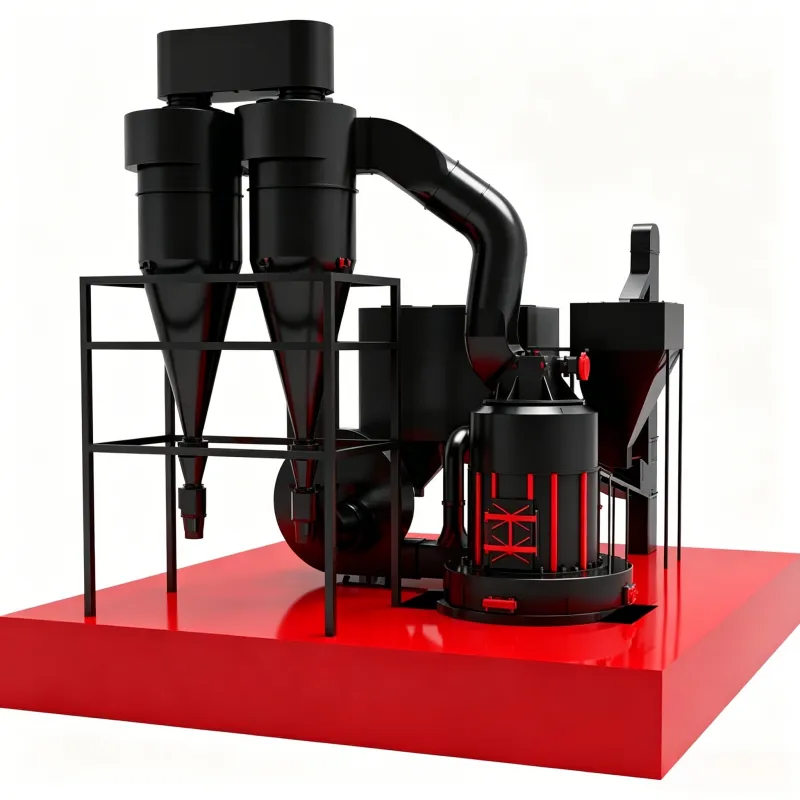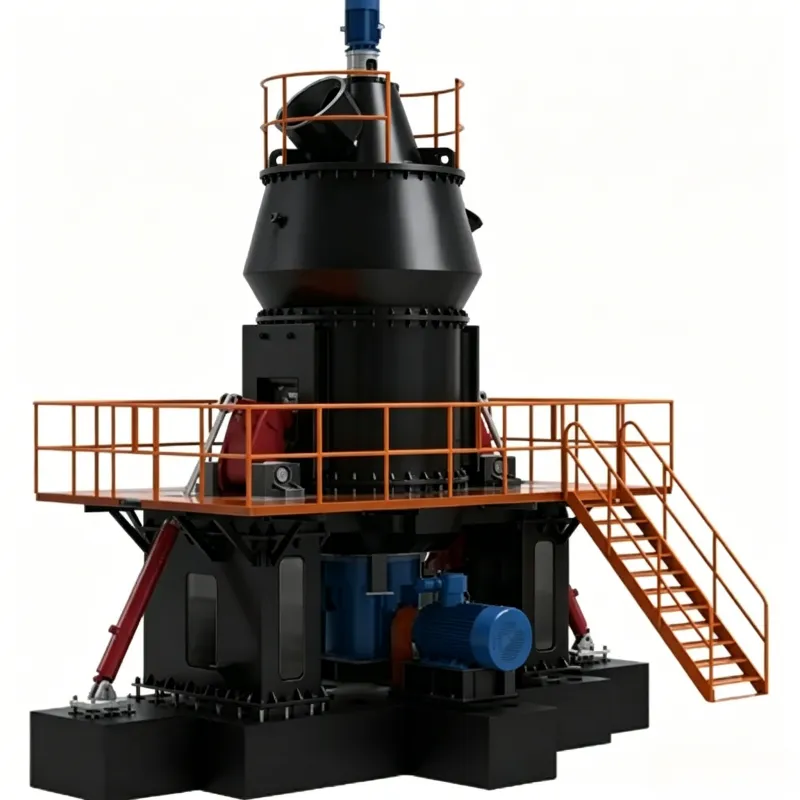
KXLM Vertical Roller Mill
Introduction to the Vertical Roller Mill The KXLM Vertical Roller Mill is…


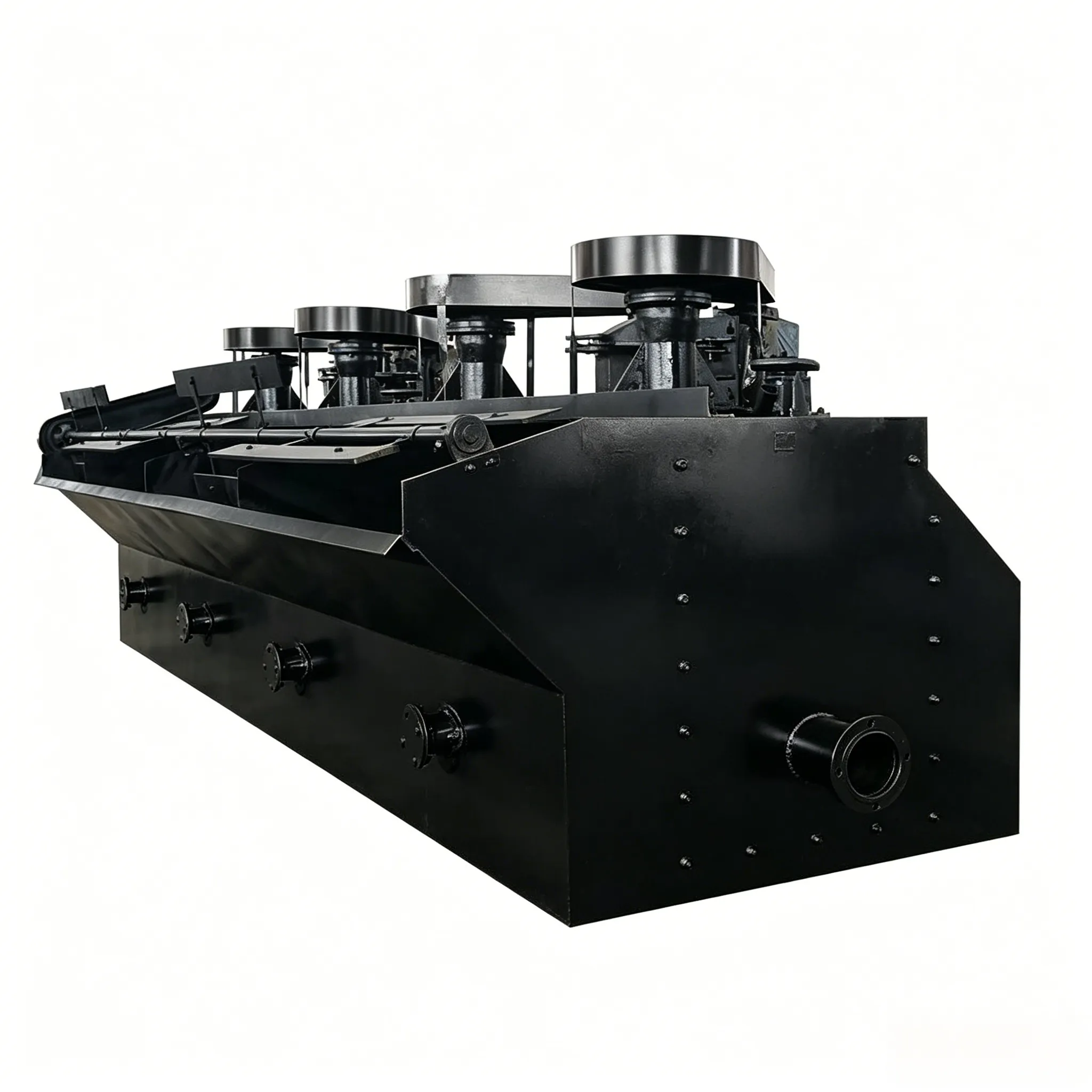
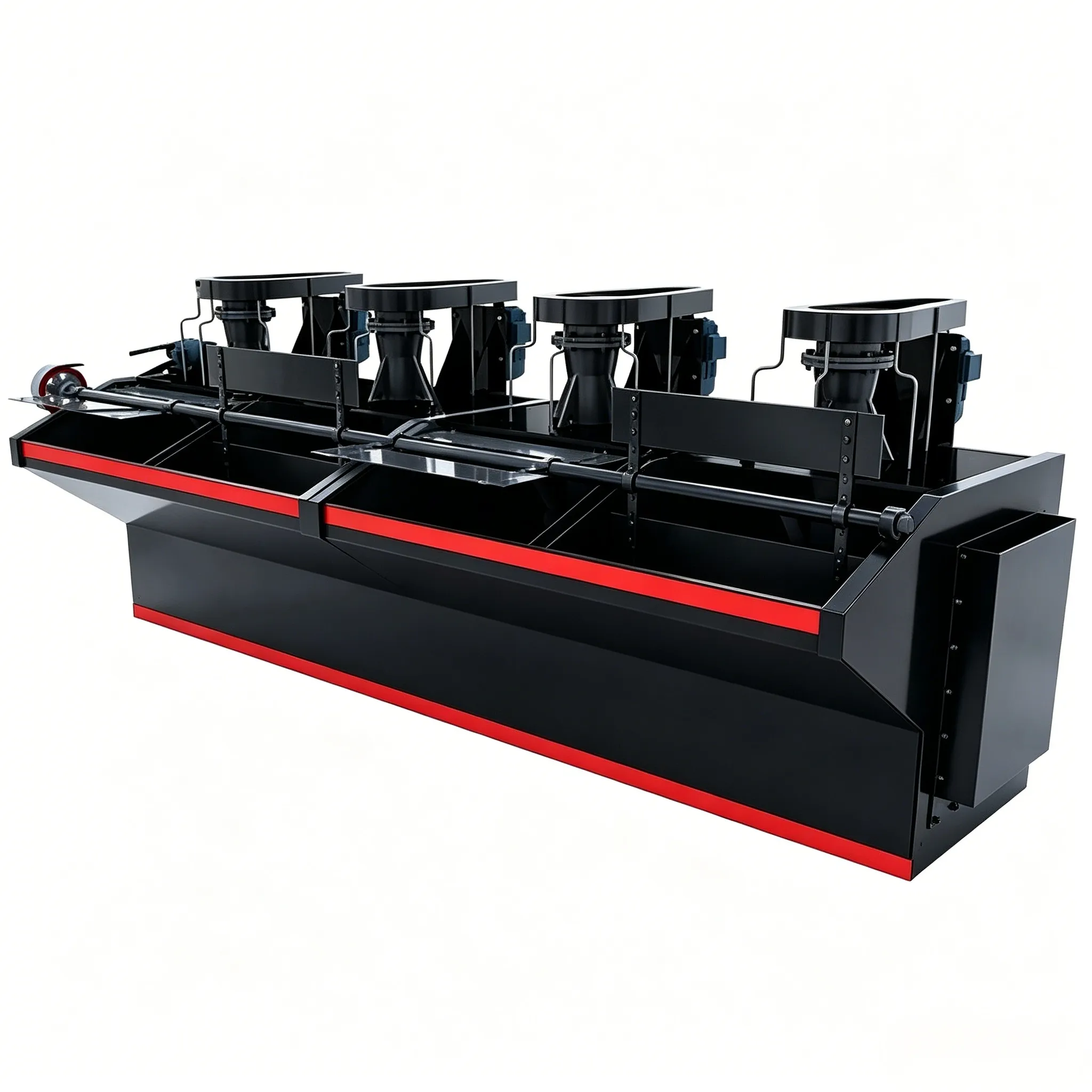
Since apatite and some calcium-containing carbonate minerals are both oxyacid calcium salts, their similar floatability when using fatty acid collectors makes separation difficult. The main problem in apatite flotation is the separation of apatite from calcium-containing carbonate minerals (such as calcite and dolomite). There are three methods for separating apatite from carbonate gangue minerals:
(1) Use water glass and starch to suppress carbonate gangue minerals, and use fatty acids as collectors (kerosene can be used as an auxiliary collector to float apatite minerals). The pH of the pulp during flotation should be 9-11, and the pH should be adjusted with sodium carbonate and sodium hydroxide.
(2) Add sodium hexametaphosphate to suppress apatite minerals, use fatty acids to float carbonate gangue minerals first, and then float the apatite minerals. (3) Use selective hydrocarbon sulfates as collectors to first float carbonate minerals, and then use oleic acid to float phosphorus minerals.