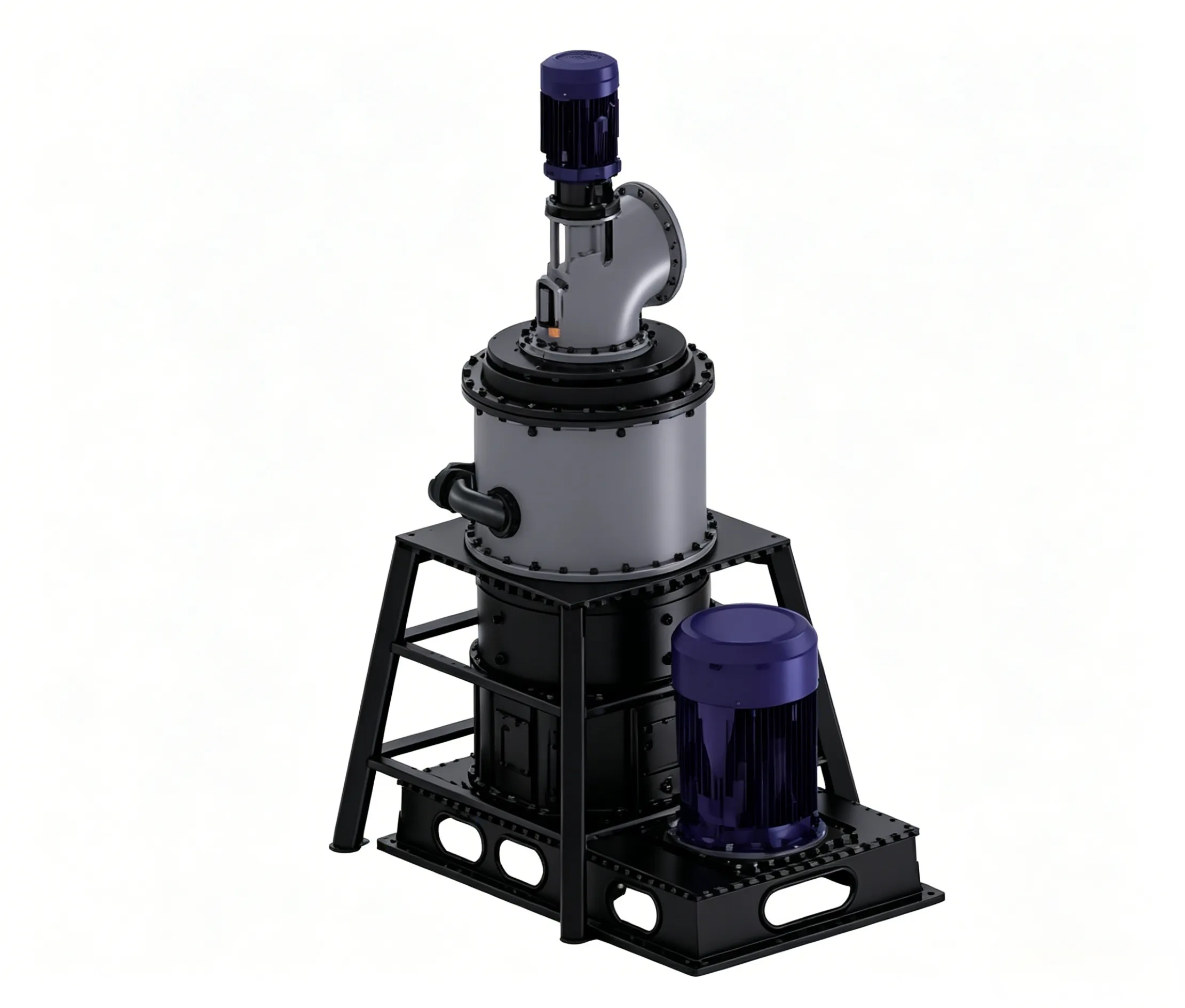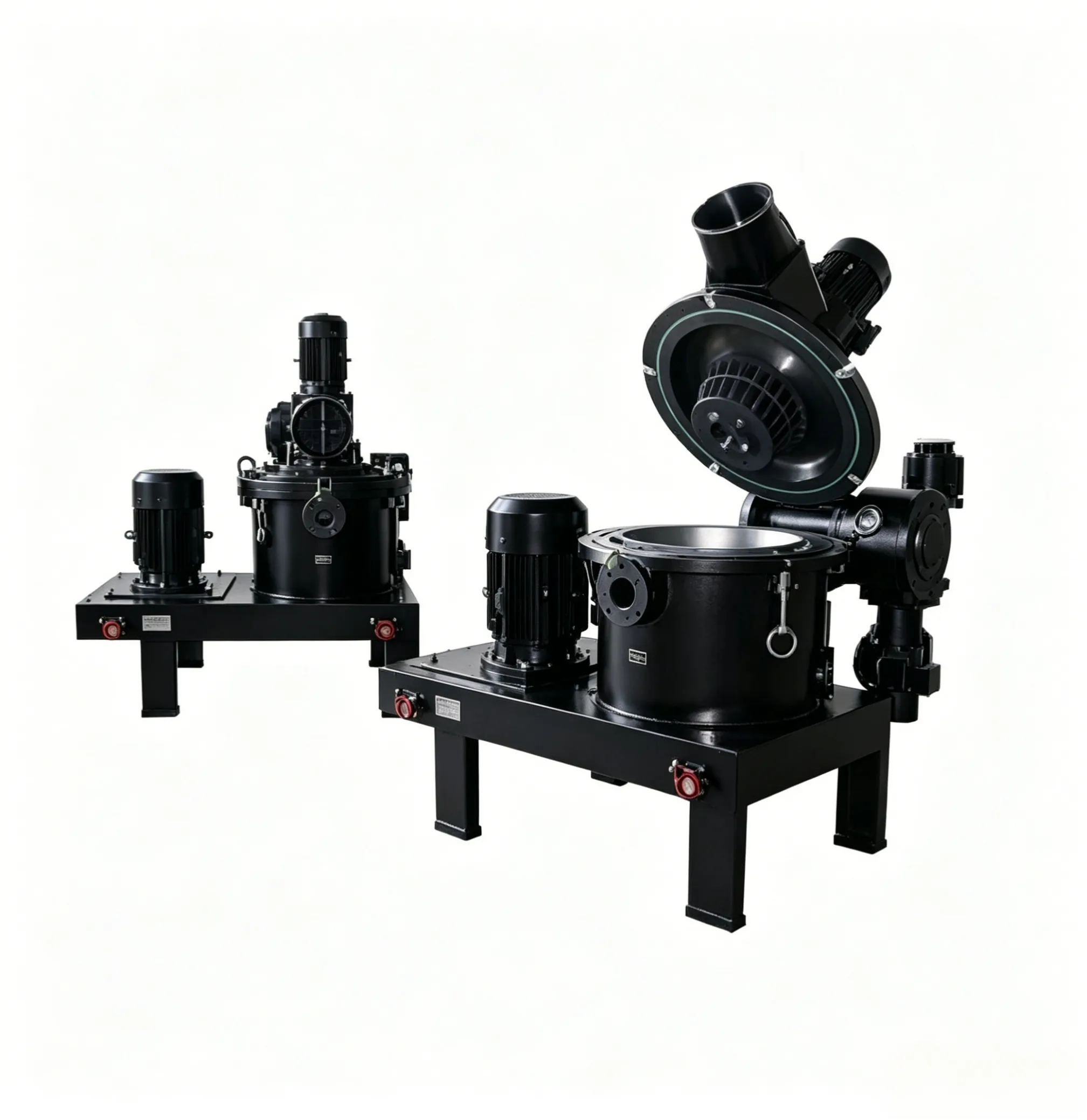
SAM Mechanical Crusher
SAM Mechanical Crusher SAM Mechanical Crusher Incorporating technology from Japan and Germany,…

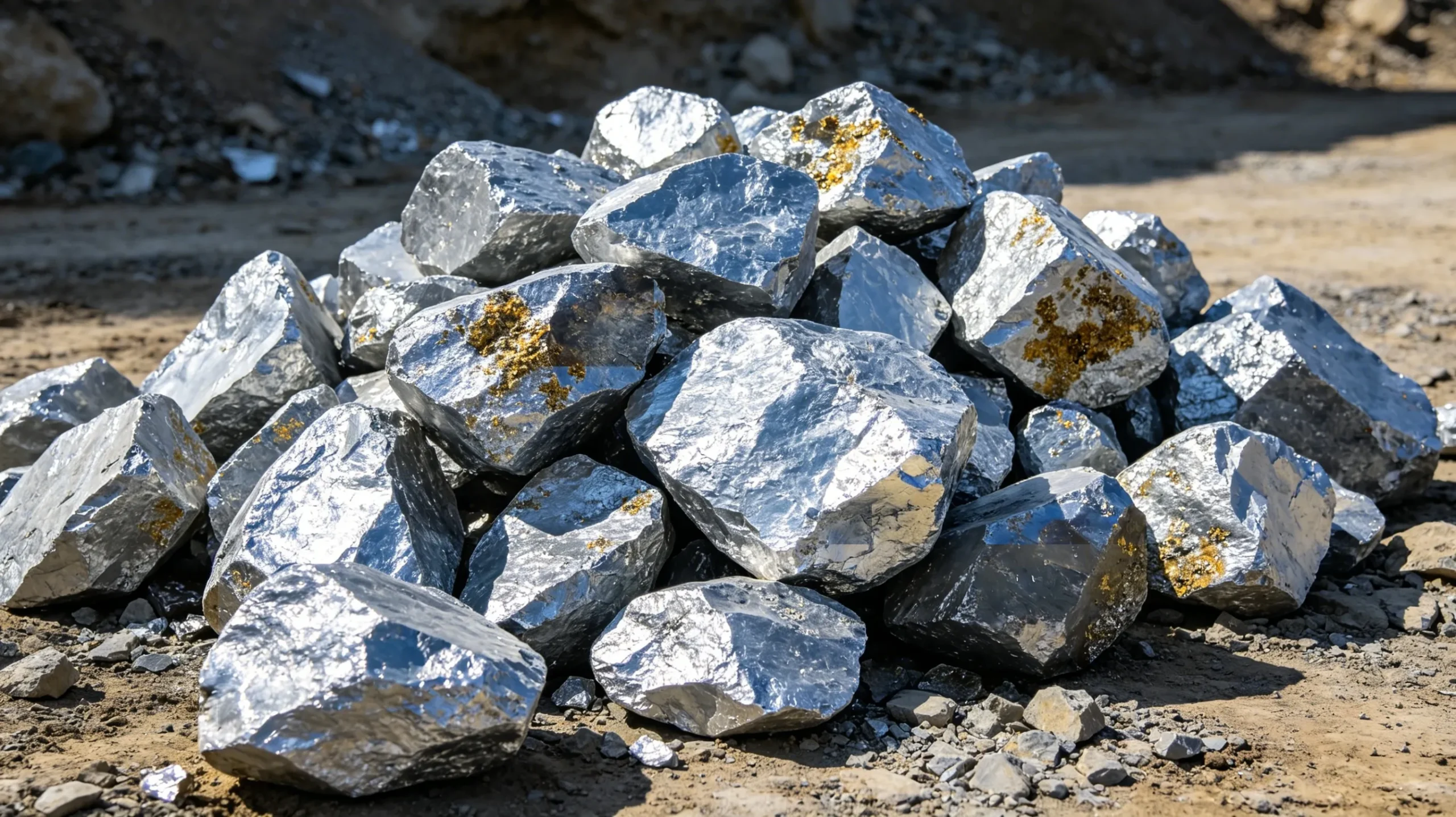
Case 1: Liaoning Lead-Zinc Mine
A large amount of manganese minerals is associated with the flotation tailings of a lead-zinc mine in Liaoning Province, with manganese grades ranging from 7% to 12%. The daily tailings discharge reaches approximately 1,200 tonnes. Li Liang and his team from Sinosteel Maanshan Institute of Mining Research Co., Ltd. conducted research on the beneficiation process parameters and process flowsheet for the manganese minerals in these flotation tailings. The research results show that by adopting a pulsating high-gradient high-intensity magnetic separation (rougher-cleaner) followed by a low-intensity magnetic separation process for iron removal, a manganese concentrate can be obtained with a yield of 20.80%, a manganese grade of 24.46%, an Mn:TFe ratio of 2.95, a P:Mn ratio of 0.002, and a recovery rate of 58.78%. Except for the slightly high iron content, the product quality meets the requirements for carbonate manganese concentrate. Additionally, an iron concentrate with a yield of 6.63% and an iron grade of 45.52% can be obtained, achieving comprehensive recovery, reducing tailings discharge, and delivering significant economic and environmental benefits.
Case 2: Nanjing Lead-Zinc-Silver Mine
The Nanjing Lead-Zinc-Silver Mine, established in 1957, hosts the largest lead-zinc deposit in East China. The current mining capacity is approximately 350,000 tonnes per year, generating about 170,000 tonnes of tailings annually. Wang Shuncai and his team conducted experimental research on manganese recovery from the tailings of the Nanjing Lead-Zinc-Silver Mine. The main chemical composition of the tailings is as follows: Mn 22.49%, SiO₂ 26.79%, MgO 2.15%, CaO 20.15%, Fe₂O₃ 15.11%, Al₂O₃ 1.72%. Based on the principle that ammonium salts can convert manganese in minerals into soluble manganese salts at certain temperatures, the study employed an ammonium salt roasting method to enrich and recover manganese from low-grade carbonate manganese tailings. The process flow is shown in Figure 4-31.
The tailings are mixed with ammonium salt and then roasted in a muffle furnace or tube furnace. The roasted product (calcine) is leached with hot water, and filtered to obtain a leach solution containing Mn²⁺. This leach solution is used to absorb the tail gas discharged from the tube furnace outlet, ultimately precipitating a manganese concentrate product. The experimental results show that under the conditions of an ammonium salt-to-tailings ratio of 0.88, a roasting time of 1.5 hours, and a roasting temperature of 450 °C, a manganese concentrate with a grade of 46.02% and a recovery rate of 86.47% is obtained.
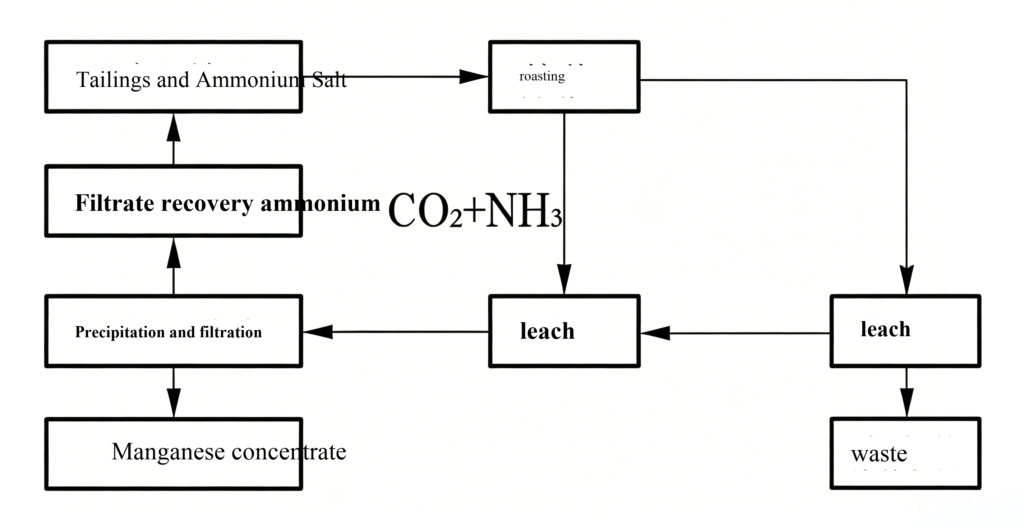
Figure 4-31 Tailings ammonium salt roasting–leaching process