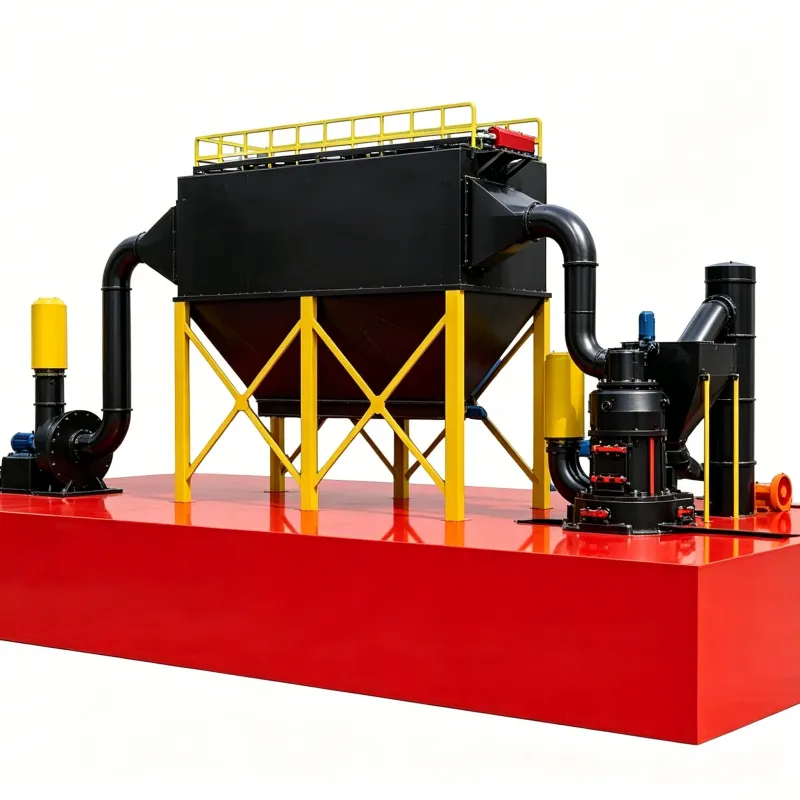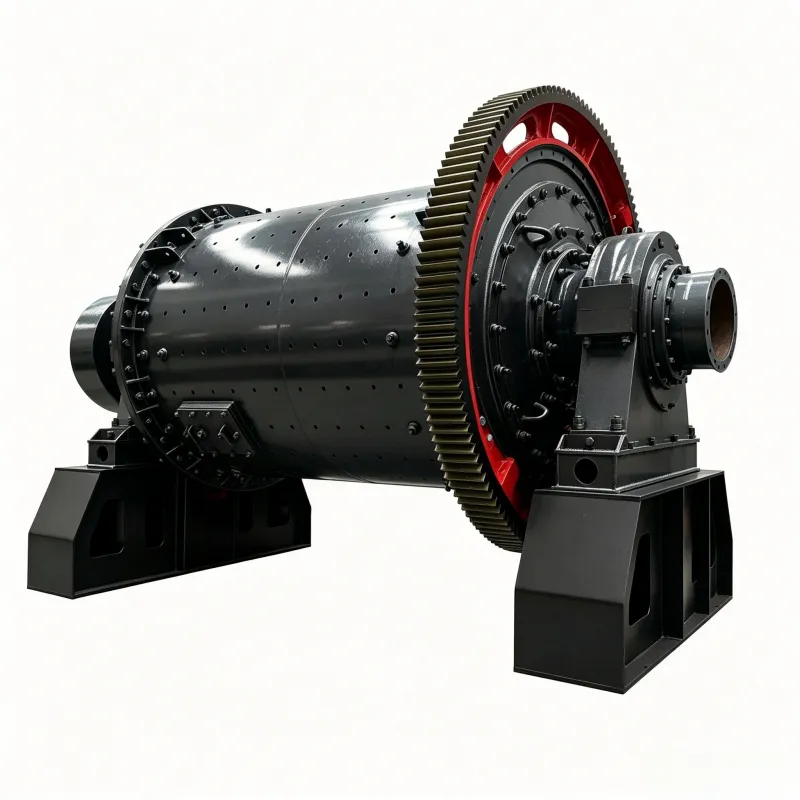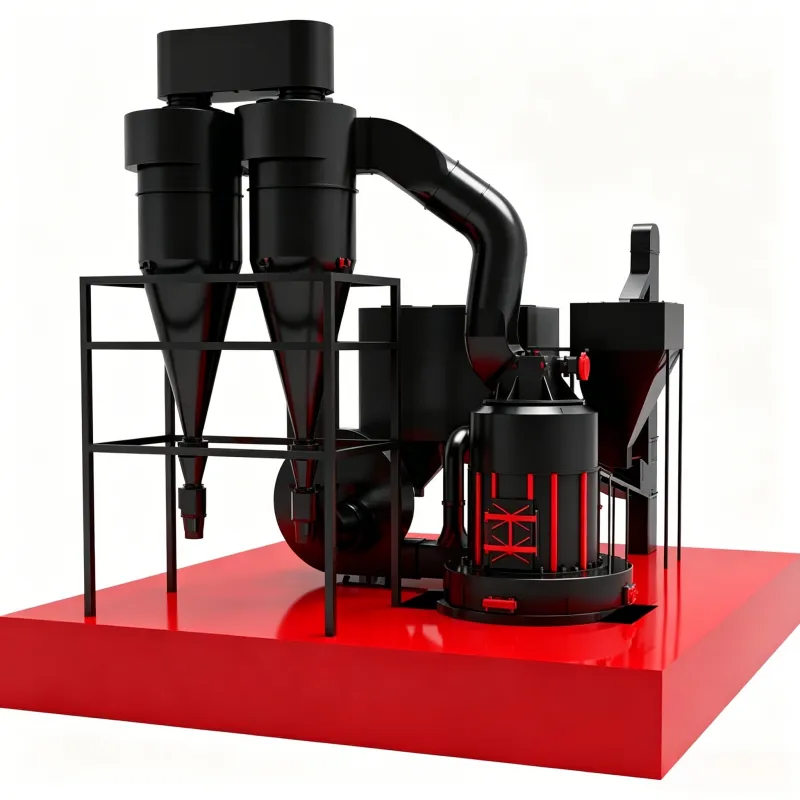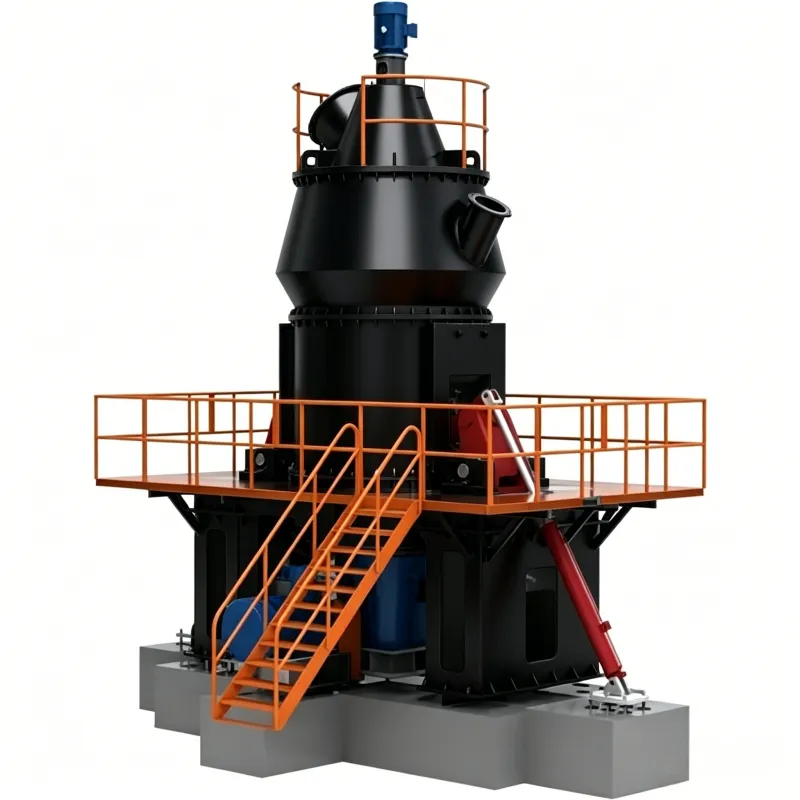
Cement Vertical Roller Mill
Introduction to Cement Vertical Roller Mill The GKLM cement vertical roller mill…

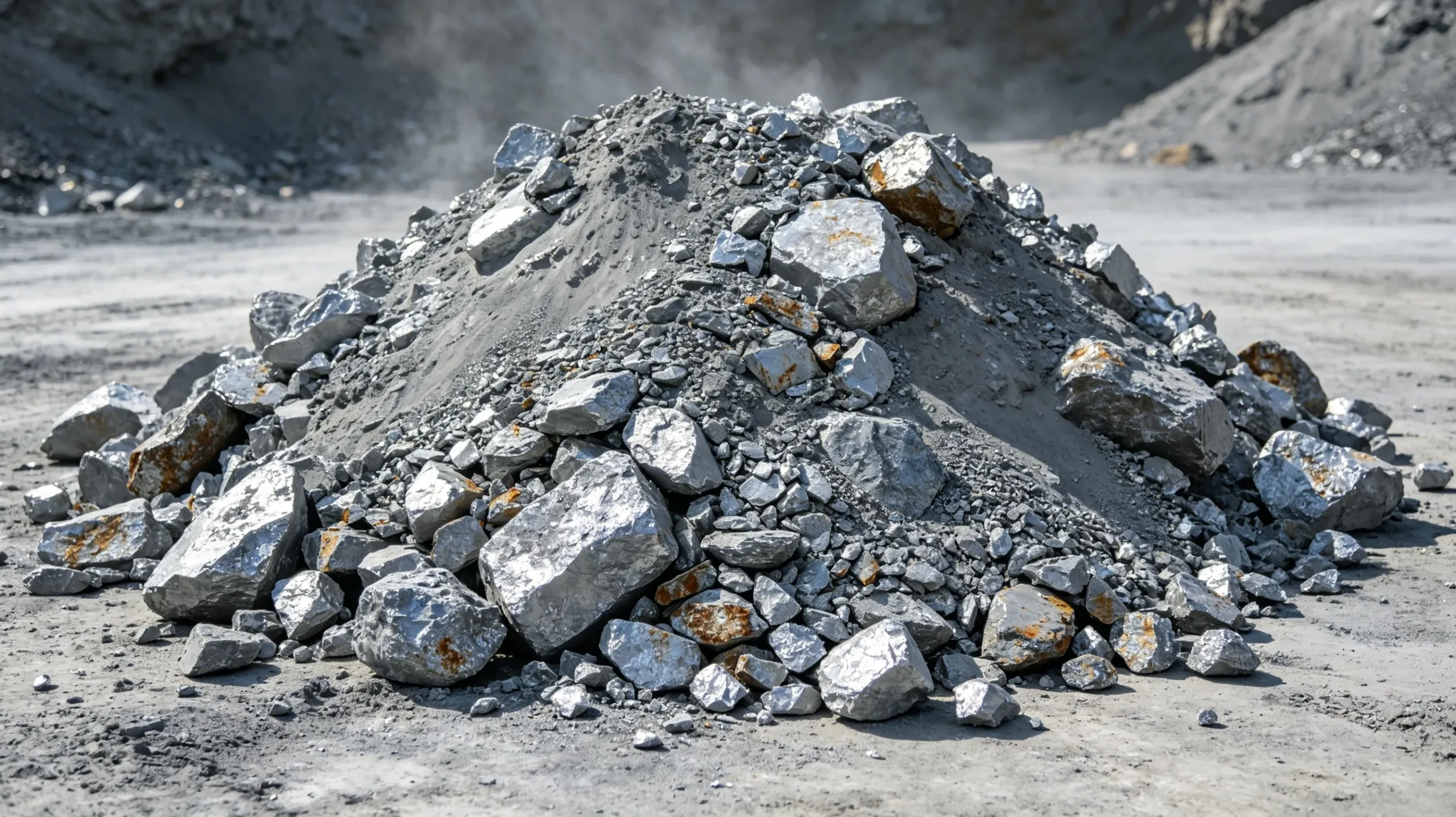
The Gaoqiao Lead‑Zinc Mine is a small local non‑ferrous enterprise supported by the China National Nonferrous Metals Industry Corporation. After reconstruction, it now has a daily mining and processing capacity of 200 tonnes of lead‑zinc ore. The deposit is of the mesothermal hydrothermal filling type. The mine currently primarily recovers lead and zinc metals, with an annual tailings output of about 60,000 tonnes. Investigations show that the barite content in the tailings is 7.4%, and it is essentially fully liberated as single grains. The concentrator uses a combined gravity‑flotation process to retreat the tailings and recover barite. At the same time, lead and zinc are also significantly enriched in the barite concentrate, thus achieving comprehensive resource utilisation through secondary recovery. The production process for recovering barite is shown in Figure 4‑34. Through this retreatment, the Gaoqiao Lead‑Zinc Mine recovers approximately 3,000 tonnes of barite concentrate from the tailings each year. The recovered barite concentrate contains 97.8% BaSO₄, meeting the grade II product requirements for rubber filler. Barite is currently mainly used as a weighting agent for drilling muds in oil drilling, as well as a raw material for lithopone in rubber and paints, and for producing metallic barium and various barium salts. Its production and sales outlook is promising.
In a lead‑zinc tailings sample from Qinghai, the valuable mineral is mainly barite, accounting for 65.58% of the sample. The gangue minerals are primarily calcite (19.72%) and quartz (7.08%). Based on the analysis of the tailings properties, Cui Changzheng from the Shaanxi Institute of Geology and Mineral Resources Experiment adopted a combined flotation‑gravity separation process to recover barite from this sample. The test process flow is shown in Figure 4‑35. In the flotation stage, the depressant Na₂SiO₃ is added to mainly remove quartz and other gangue minerals, while also eliminating some barite‑quartz intergrowths. The flotation reagent scheme was determined as 2000 g/t sodium silicate and 150 g/t sodium dodecyl sulfate as collector. Furthermore, based on the density difference between calcite and other gangue minerals and barite, gravity separation is used to achieve effective separation. The combined flotation‑gravity separation process yielded a barite concentrate with a BaSO₄ grade of 90.18% and a recovery of 52.45%. The beneficiation performance was good, achieving the goal of recovering barite from this lead‑zinc tailings.
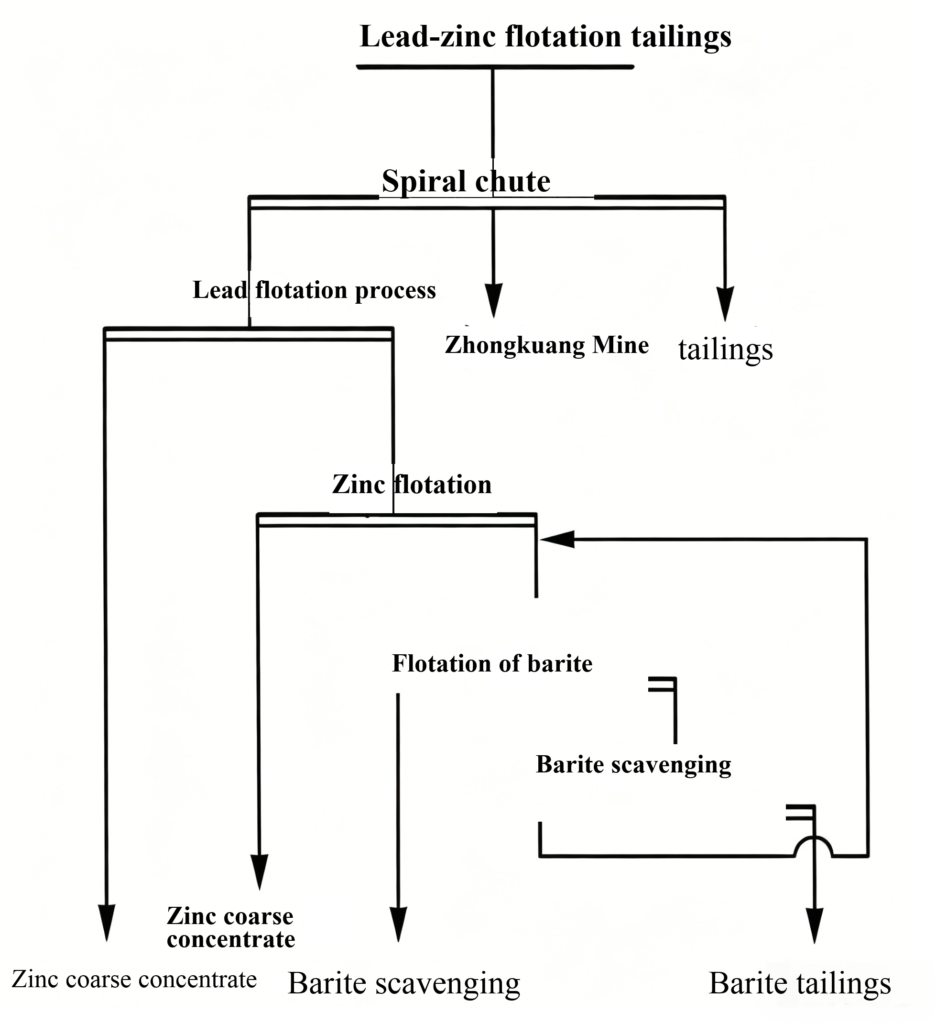
Figure 4-34 Production process for barite recovery
Abroad, the zinc flotation tailings from the Belousov lead-zinc processing plant in Russia contain sulfides of zinc, lead, copper, and iron, as well as barite. Through flotation re-concentration, the plant produces a mixed sulfide concentrate containing copper, zinc, and lead; a pyrite concentrate with an iron grade of 39%–40% and a recovery of 87.8%; and a barite concentrate with a BaSO₄ grade of 88%–90% and a recovery of 48.2%–61.6%.
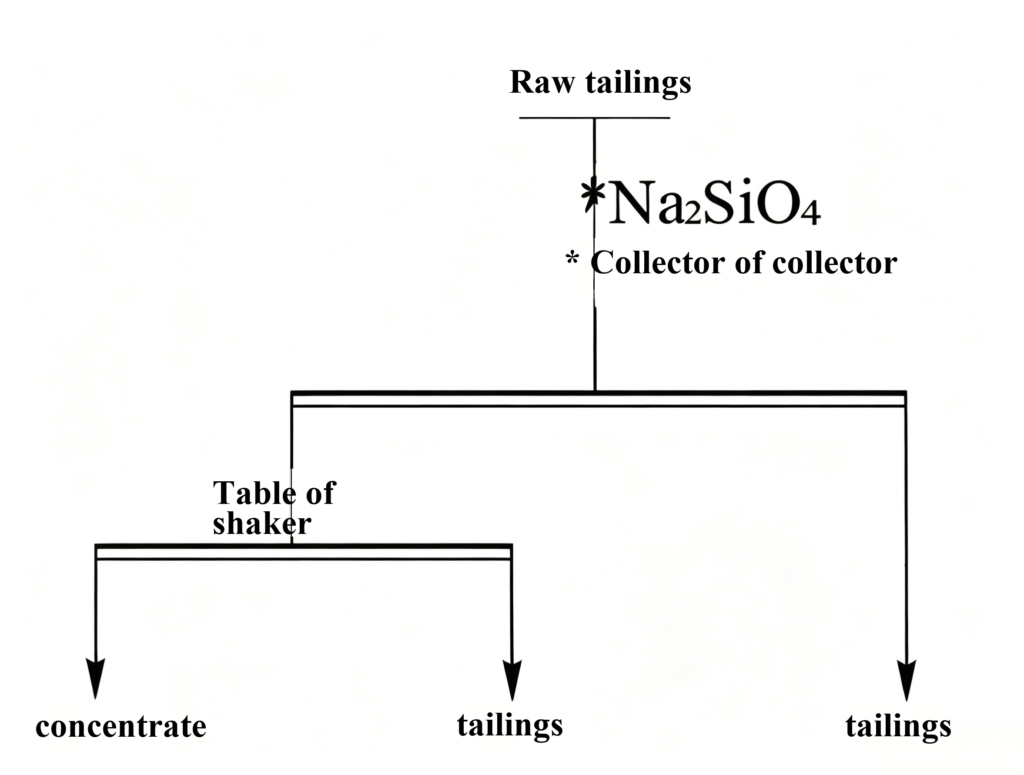
Figure 4-35 Process flow for barite recovery