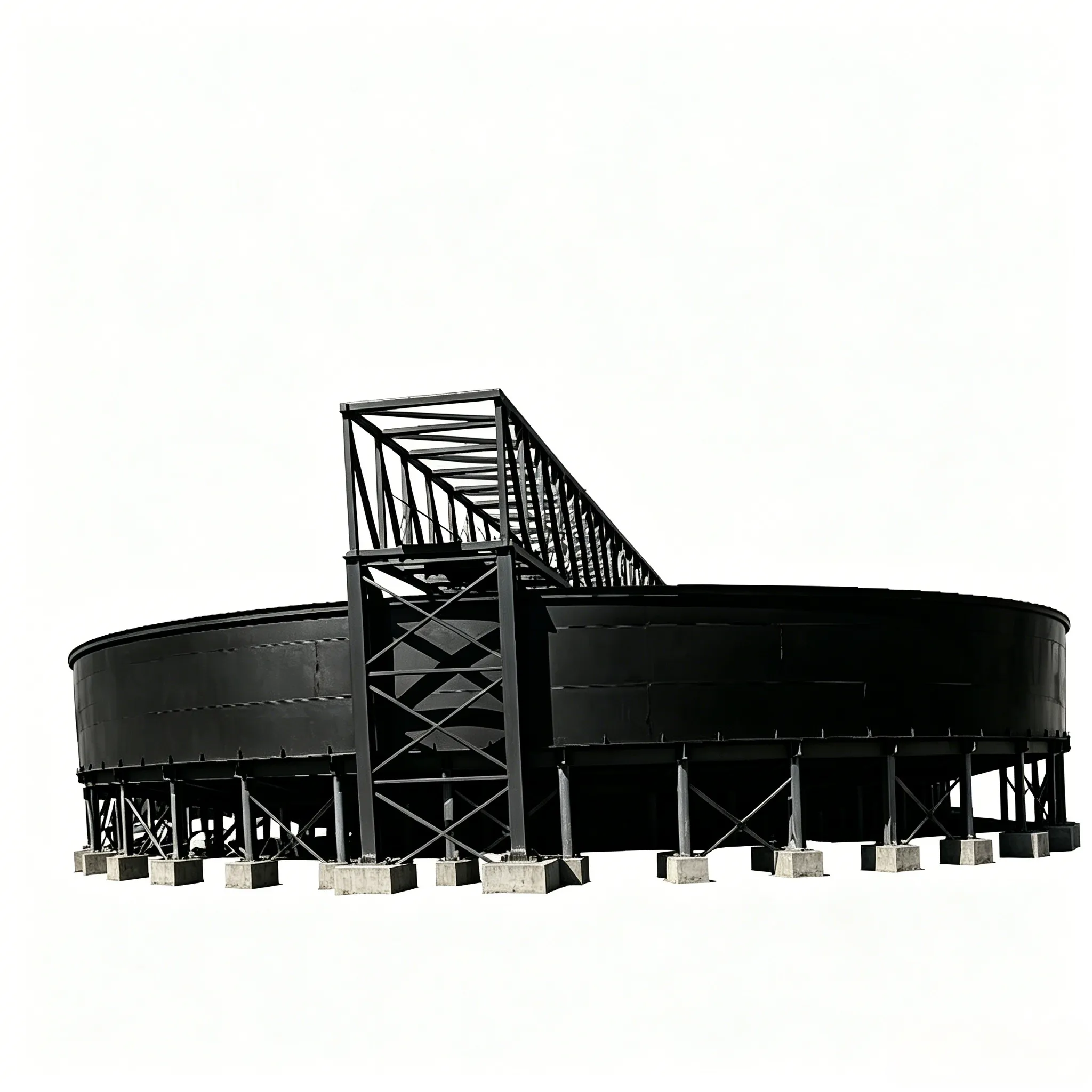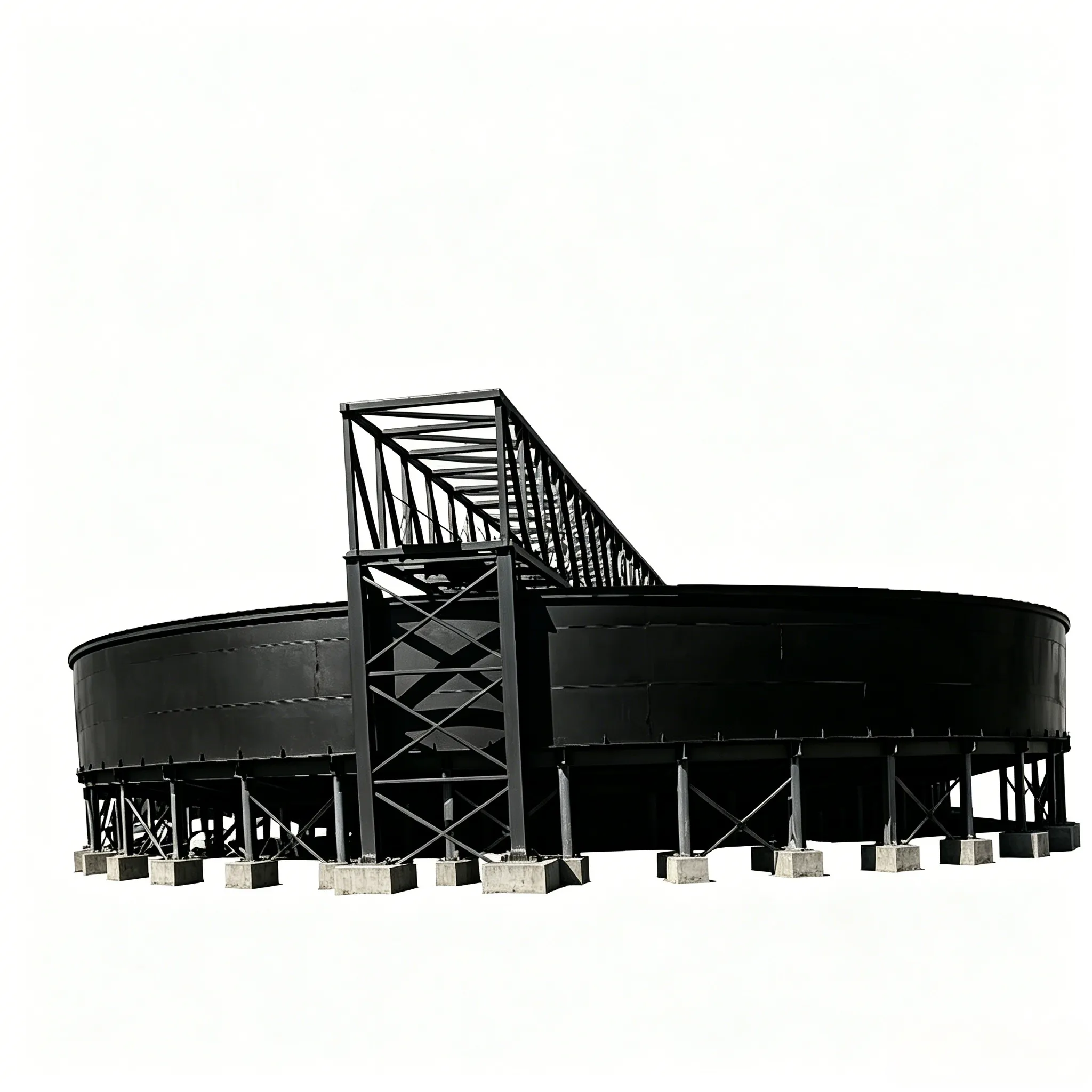
Peripheral Drive Thickener
Peripheral Drive Thickener Currently, the peripheral drive thickeners produced in China generally…

The Concentrator of Pinggui Smelter is a comprehensive processing plant integrating gravity separation, magnetic separation, and flotation, equipped with relatively complete mineral processing facilities and flexible process flows. As tin resources in the Pinggui mining area become depleted, the concentrator remains idle for most of the time, severely affecting the enterprise’s production and economic benefits. To fully utilize mineral resources, comprehensively recover various valuable metals, make full use of existing idle equipment, and increase economic benefits, the concentrator has carried out a multi‑metal comprehensive recovery operation from cassiterite‑sulfide rough concentrate tailings.
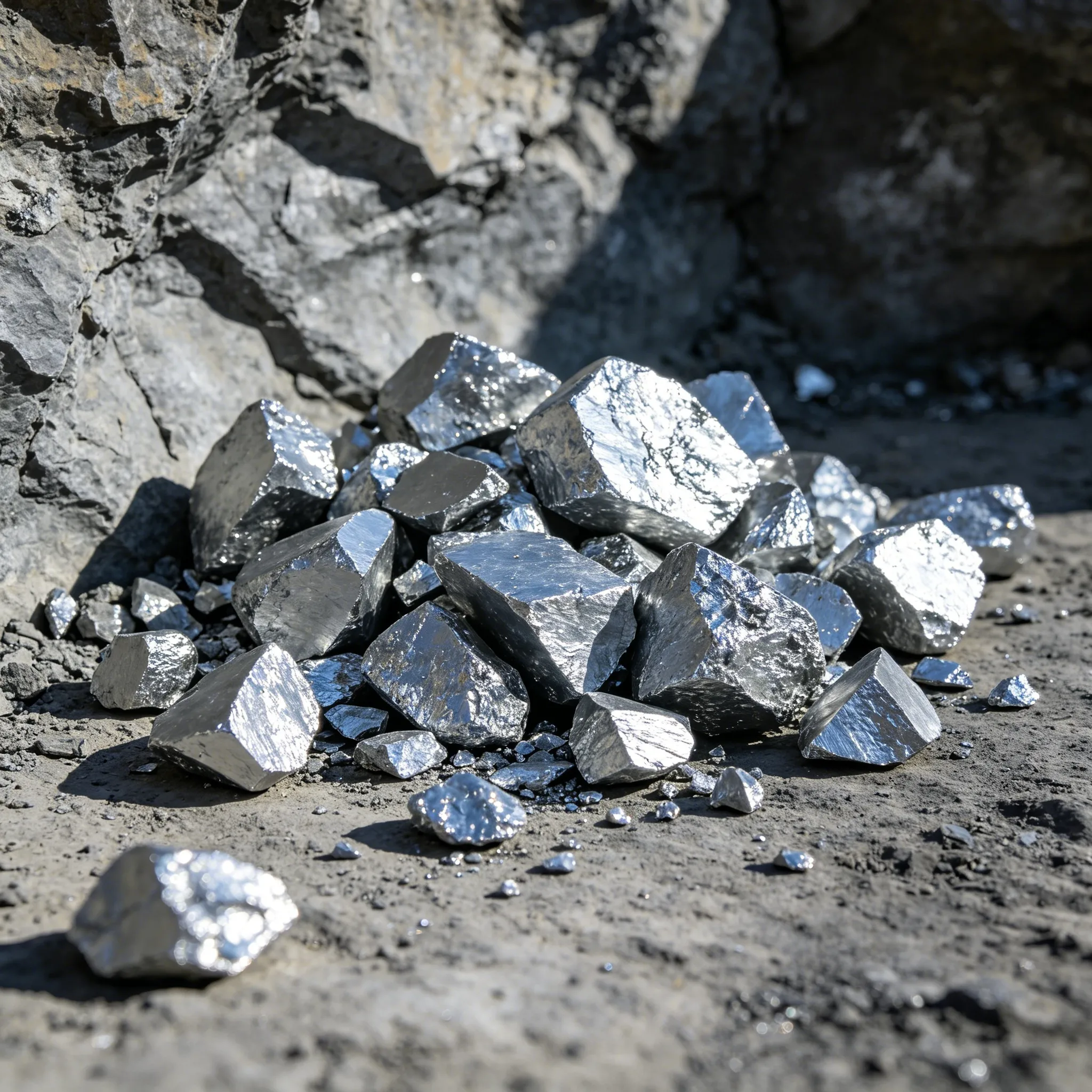
These tailings are the sulfide product obtained from the reverse flotation of cassiterite‑sulfide rough concentrate using xanthate in an acidic pulp. They have been stockpiled for a long time and are heavily oxidized and agglomerated. The main metallic minerals are cassiterite, arsenopyrite (arsenical pyrite), pyrrhotite, and pyrite, followed by sphalerite, chalcopyrite, and a small amount of jamesonite. The gangue minerals are quartz and sulfates. Cassiterite mainly occurs as intergrowths closely associated with gangue minerals, often in granular aggregates. In the sulfides, cassiterite is closely associated mainly with arsenopyrite and sphalerite, and occasionally intergrown with pyrite. The finer the particle size, the higher the tin grade, and the higher the arsenic and sulfur contents.
Based on experimental studies, a general flowsheet of gravity separation – flotation – gravity separation was finally adopted for comprehensive recovery of the tailings. That is, after crushing and grinding, the material is first enriched for tin and arsenic using spiral chutes and shaking tables to obtain a mixed concentrate while discarding a large amount of tailings. Then, flotation is carried out using sulfuric acid, butyl xanthate, and pine oil to produce an arsenic concentrate. The flotation tailings are then reprocessed by shaking tables to obtain a tin concentrate and a tin middling. Production indices are shown in Table 4‑58.
Table 4‑58 Production indices (%)
| Product Name | Grade (%) | Recovery (%) | Feed Grade (%) |
|---|---|---|---|
| Arsenic concentrate | 28 | 65.0 | As 14.82 |
| Tin concentrate | 34.5 | 35.20 | Sn 0.97 |
| Tin middling | 2.6 | 15.60 |
Through this operation, good indices were achieved: a tin concentrate with a tin grade of 34.5% and recovery of 35.2%, a tin middling with a tin grade of 2.6% and recovery of 15.6%, and an arsenic concentrate with an arsenic grade of 28% and recovery of 65%. The goal of comprehensively utilizing mineral resources and increasing raw materials for tin smelting was attained, resulting in favorable economic and social benefits.