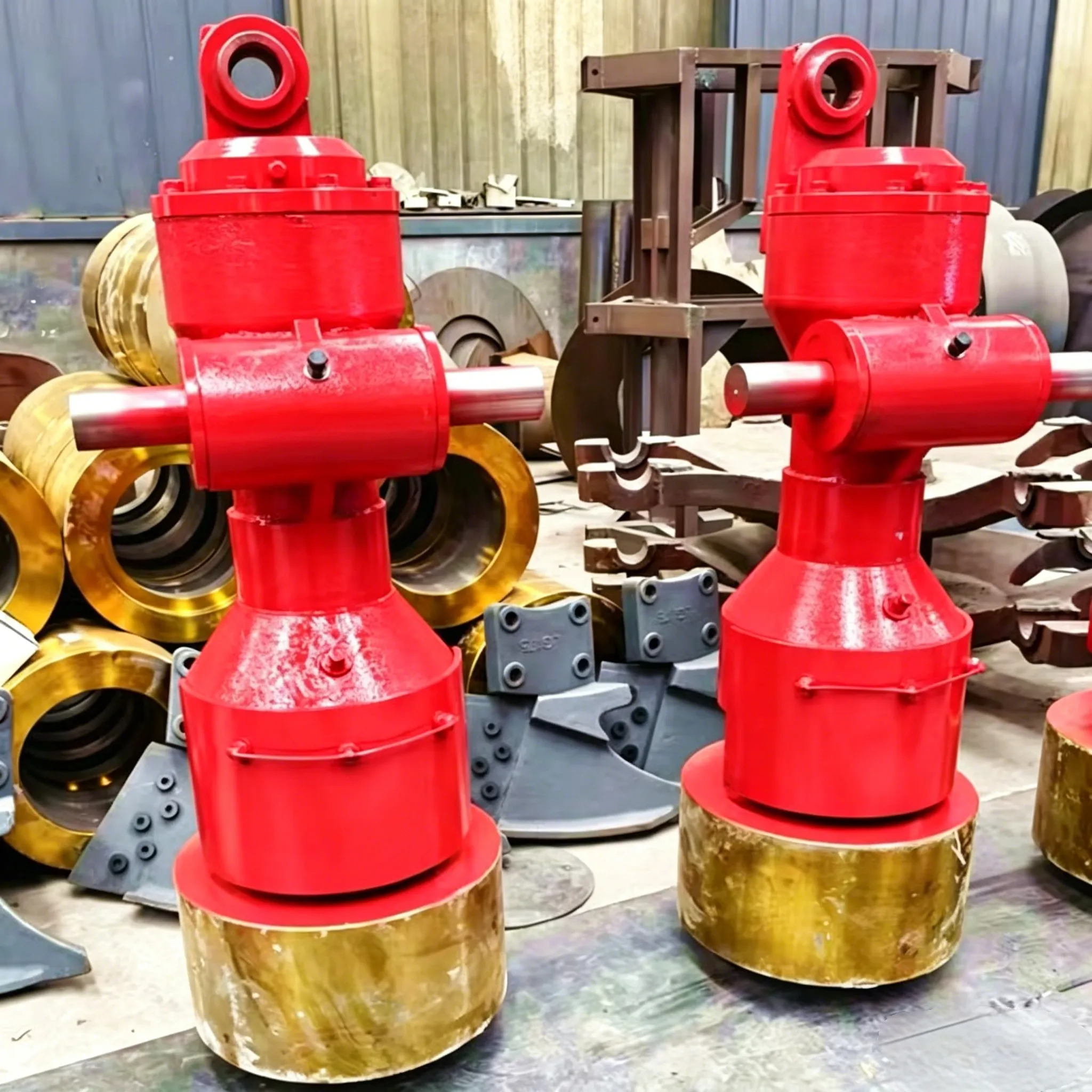
Raymond Mill Grinding Roller
1. Product Overview The grinding roller is the core working component and key wear part of…

Rubber Liners
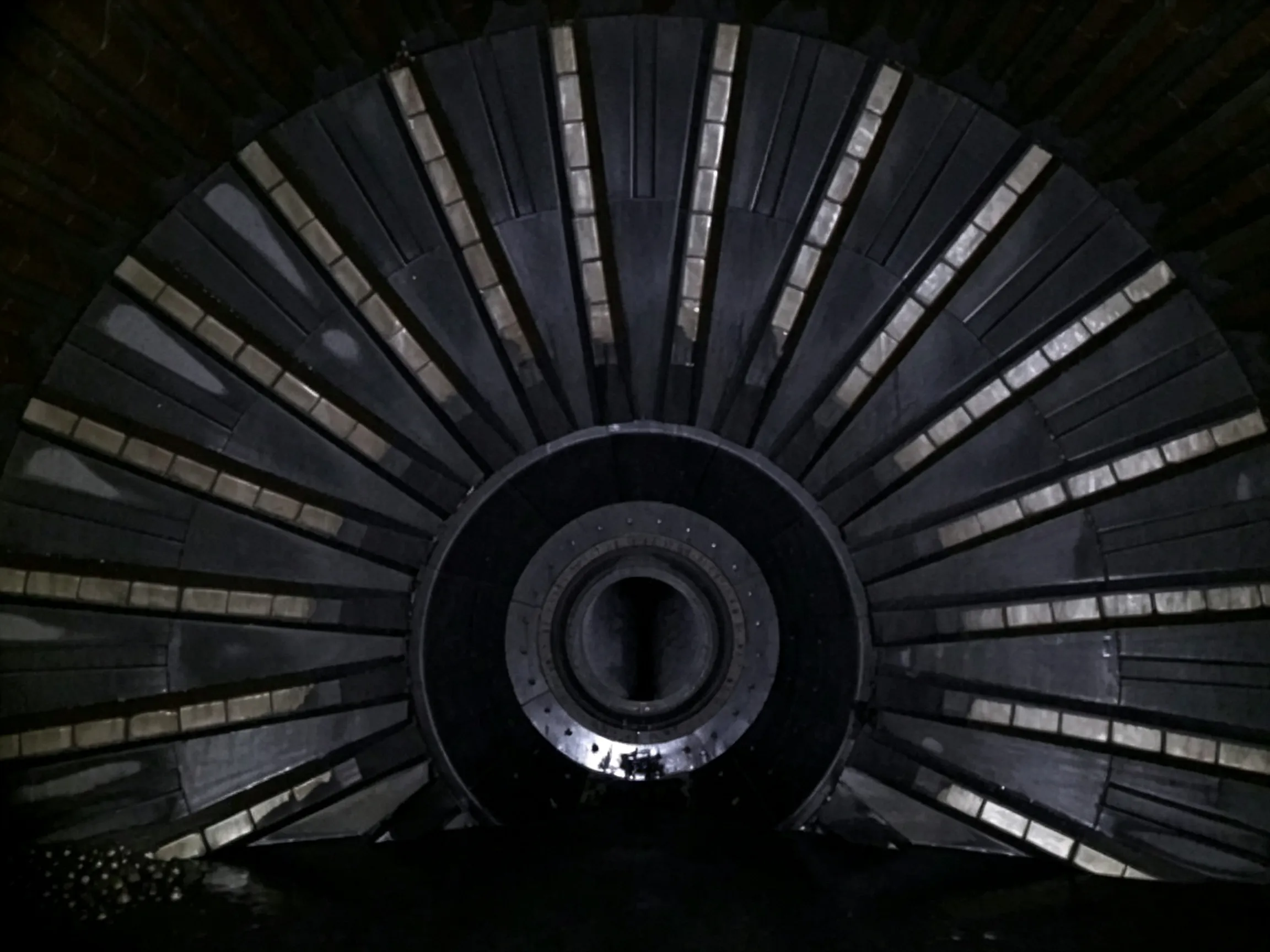
Originally, most mill liners were made of metallic materials (such as high‑manganese steel). However, due to the advantages of rubber materials in terms of service life and economy, rubber liners emerged (as shown in Figure 5‑19). Since their introduction in 1921, rubber liners have gained widespread application. It is reported that the earliest use of rubber liners was in 1921, when the first set of rubber liners was installed in a secondary ball mill (1.2 m × 6.1 m, i.e. 4 ft × 20 ft) at the Nippissing Gold Mine in the United States. Since then, a large number of patents for rubber liners and industrial trials using rubber materials as mill liners have appeared, but the true commercialisation of rubber liners occurred in the early 1960s. Today, rubber liners have been widely applied in secondary and regrinding operations. Although metallic (steel) liners still dominate in primary mills, rubber liners have also made considerable progress in the primary mill sector over the past 20 years. Rod mills are particularly unsuitable for rubber liners, because the rod ends tend to tear the rubber liners.

Figure 5‑19 Rubber liners
The wear of rubber linings is also a combination of impact, abrasive wear, and corrosion. Changes in any of these factors will significantly affect the wear of the rubber lining. The wear‑resistance mechanism of rubber liners is completely different from that of steel liners; the biggest and most obvious difference is hardness. Unlike steel liners, which resist abrasion by hardness, rubber liners undergo only elastic deformation and deflect the abrasive particles when the impact velocity is low. When rubber liners are subjected to force, they deform, but once the force is removed, they recover their shape, thereby avoiding tearing or wearing away, while also absorbing impact energy. In contrast, steel materials undergo plastic deformation, leading to wear. However, when the impact force is too large or the impact velocity is too high (e.g., > 9 m/s), the wear of rubber materials increases sharply, usually resulting in tearing failure. Another difference is strength. Rubber liners are more prone to tearing than steel liners under the following conditions: (1) extremely high contact pressure; (2) force concentrated at sharp points; (3) excessive extrusion at the edges and corners of the rubber liner. This is due to the limited strength of rubber materials, which consequently leads to rapid wear of rubber liners. The impact angle of different steel balls also greatly affects the wear of rubber liners. At an impact angle of 90°, wear is minimal; when the impact angle decreases to 30°, wear increases by about 40 times; at 15°, it can even increase by about 130 times. At impact angles of 50°–70°, rubber and steel liners perform comparably; at 70°–90°, rubber liners have better impact resistance than steel liners. The tensile strength and tear resistance of rubber materials are decisive factors for rubber liner performance, because these two factors play a key role in the fatigue resistance of rubber liners.
The application of rubber liners in primary grinding operations with extreme grinding forces remains problematic, because the wear rate of rubber liners is too high. Even with thicker rubber, it is still difficult to achieve a reasonable liner life. Although the liner material cost per tonne of ore is similar for rubber and steel liners, the short life of rubber liners in such cases leads to frequent maintenance, making rubber liners uneconomical.
However, rubber liners are very well suited for secondary grinding applications. Even with relatively thin rubber, their life is still within an acceptable service range. Specially designed rubber materials with tailored molecular structures have further improved wear resistance and reduced downtime for maintenance. Based on existing rubber material design data, it is now possible to engineer rubber liners specifically for the particular conditions and requirements of each mine, meeting their needs and improving economic efficiency.
For existing grinding operations, if the ore hardness approaches or exceeds the hardness of the mill’s metal liners, rubber‑based materials can be considered or tried. Rubber liners may offer better economics, lower liner material costs, and higher plant availability [49].
A good rubber or synthetic rubber material for mill liners should have an elongation of 500%–600%, i.e., it can be stretched 5–6 times without failure. The tensile strength should be around 20 MPa (3000 psi). A third important property is hardness, which should be in the range of Shore A 55–70. The rubber for mill liners is typically a blend of natural and synthetic rubber. In some cases, it may be entirely synthetic. Usually, the proportions of natural rubber, synthetic rubber, added chemicals, and fillers constitute a compound. Each rubber liner manufacturer has its own compound and design.
Rubber liners still have many disadvantages: (1) They are not suitable for applications where flotation reagents are added directly into the mill, as these reagents may degrade the rubber properties. (2) They are also unsuitable for temperatures exceeding 80 °C; when the temperature exceeds 85 °C, rubber gradually loses elasticity, leading to accelerated wear. At 100 °C, the wear of rubber liners increases by 5–6 times compared with that at 50 °C. Because rubber does not dissipate heat easily, rubber liners are generally used in wet mills. (3) They are usually thicker than steel liners, which reduces the effective grinding volume or grinding capacity of the mill. This effect may be significant for small mills. (4) The steel ball diameter should not exceed 80 mm. (5) The consumption of grinding media (steel balls) may increase. It has been reported that rubber liners increase the consumption of grinding media compared with Ni‑Hard cast iron liners. (6) Ball mills using rubber liners generally require a smaller feed size (typically not exceeding 15 mm, depending on ore properties). It is worth noting that some of these disadvantages may be overcome by special rubber formulations. Rubber liners also differ from steel liners in design.
In summary, rubber liners have replaced steel liners in most regrinding operations. Rubber liners have advantages such as long life, wear mechanisms that are independent of the hardness of the material being ground, light weight, easy and quick installation, and noise reduction. The wear resistance of rubber liners depends on their ability to remain elastic without being cut or torn when struck by abrasive particles or when particles are pressed into the surface. However, when replacing steel liners with rubber liners, it is often found that grinding media (steel balls) consumption increases while throughput decreases. The latter is due to the fact that rubber liners are thicker than steel liners, occupying more grinding space.

 English English
 Spanish
 Russian
 Arabic
 Swahili
 French
 Turkish
 Portuguese
 Korean
 Japanese
 German
 Italian