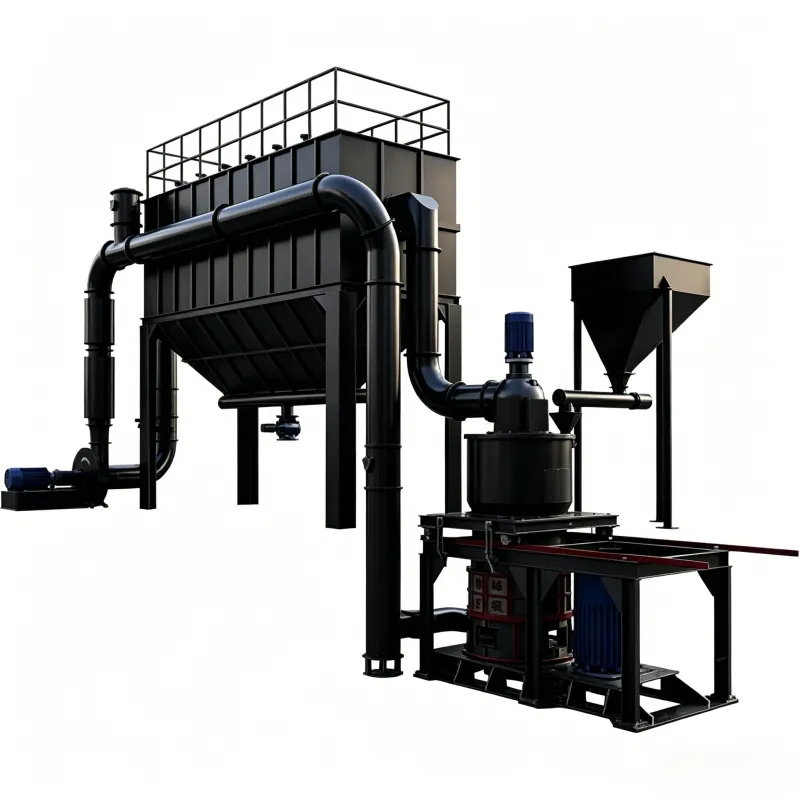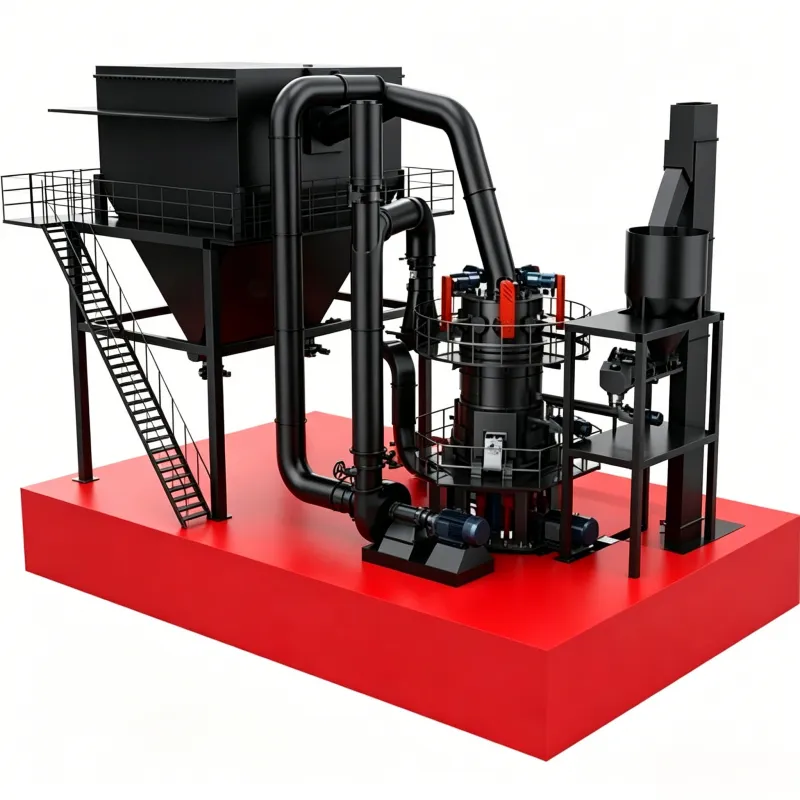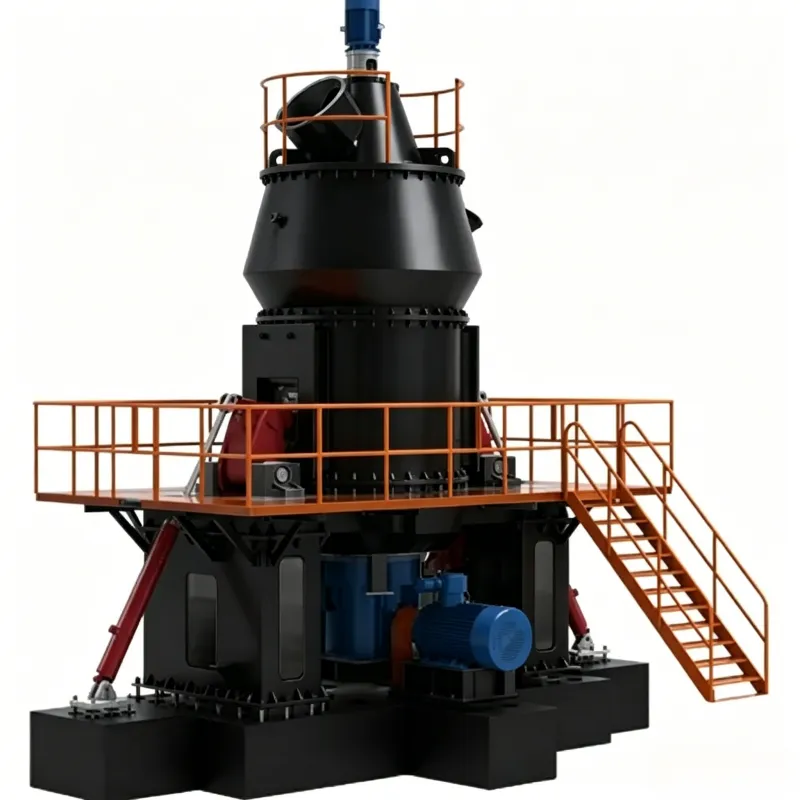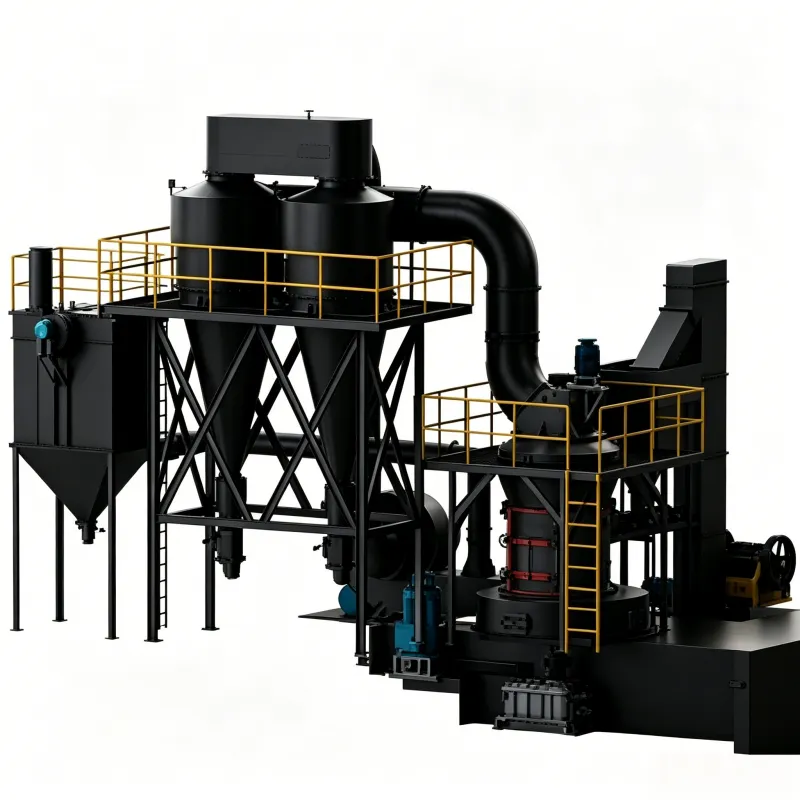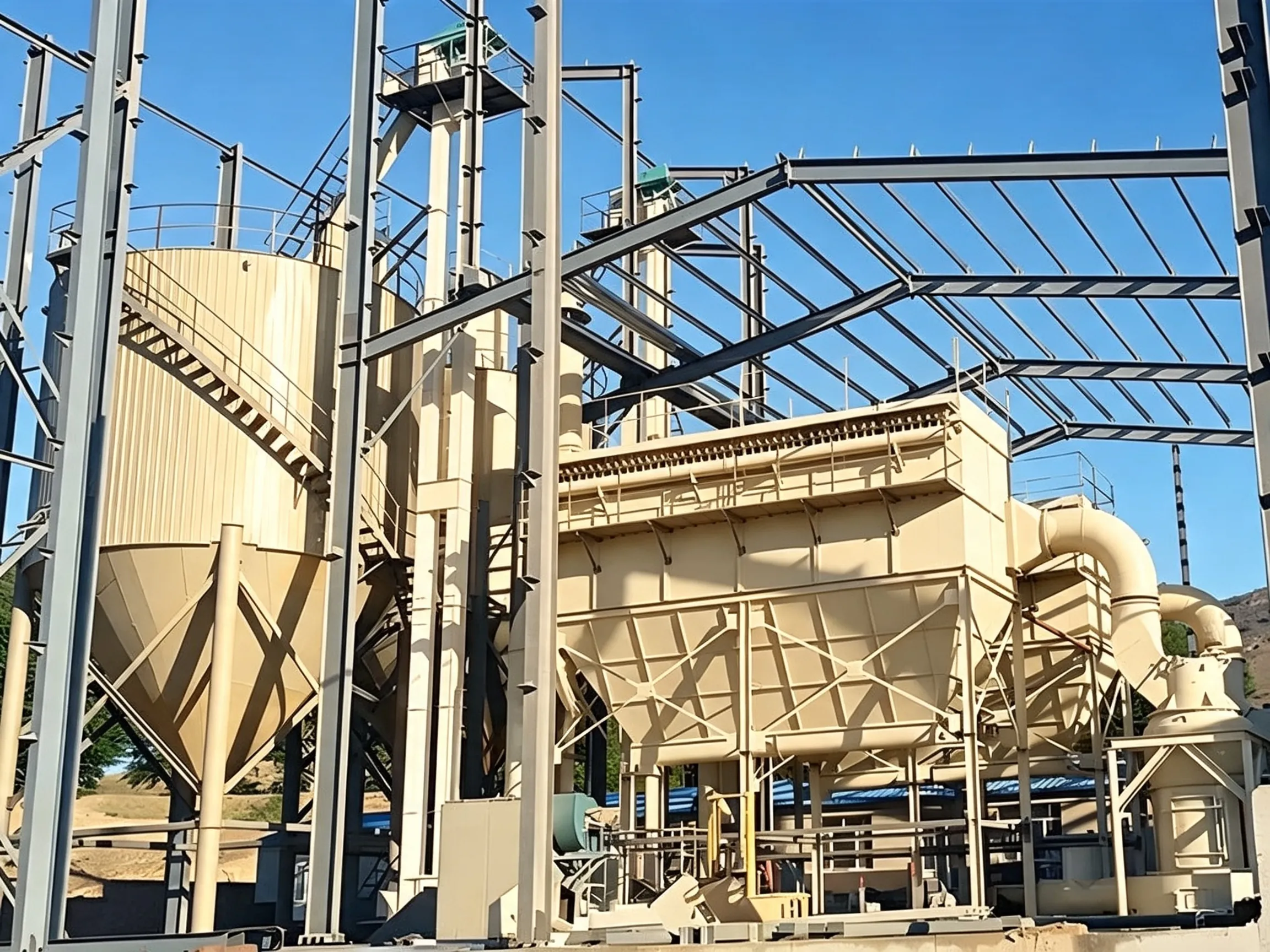
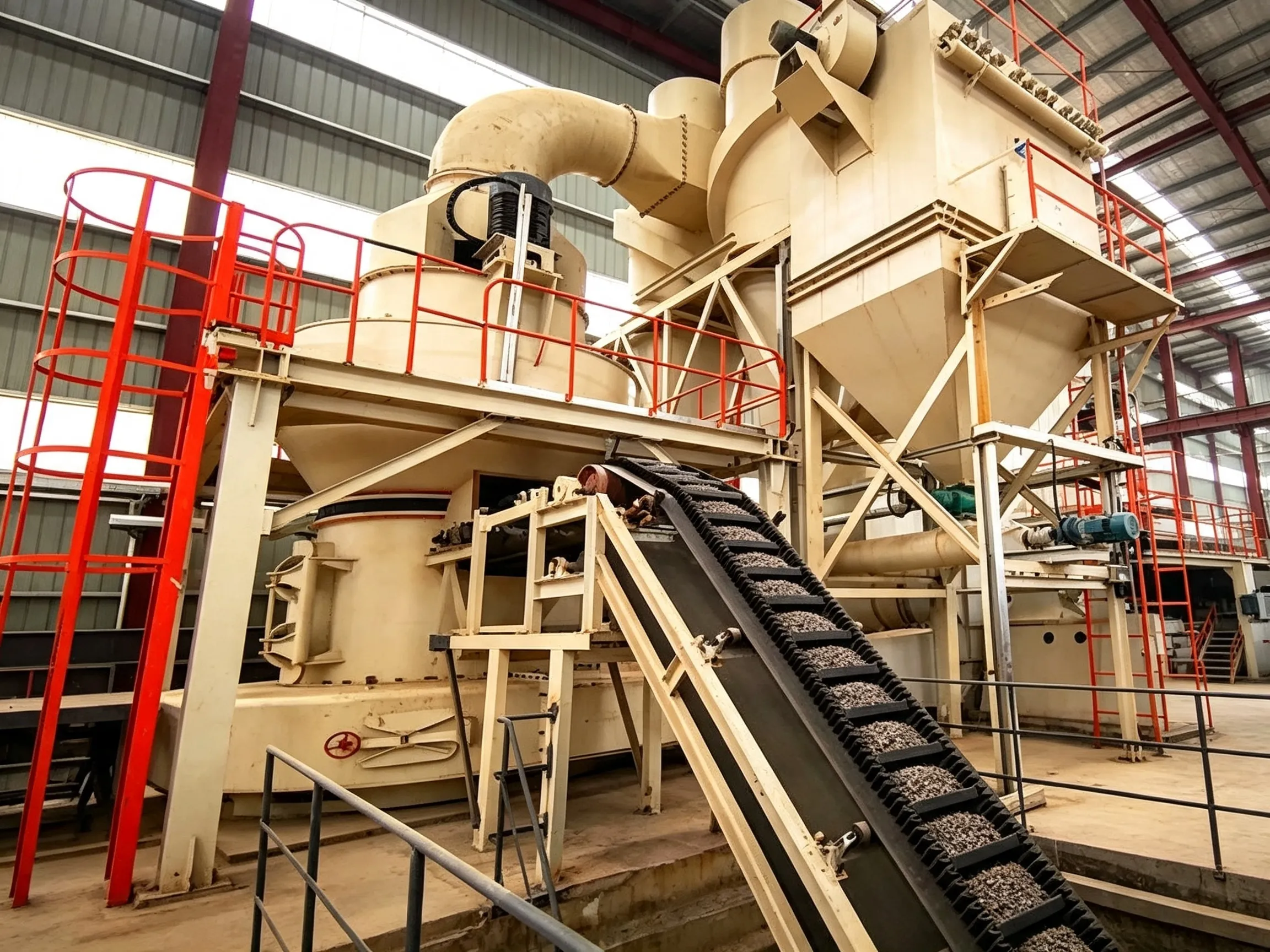
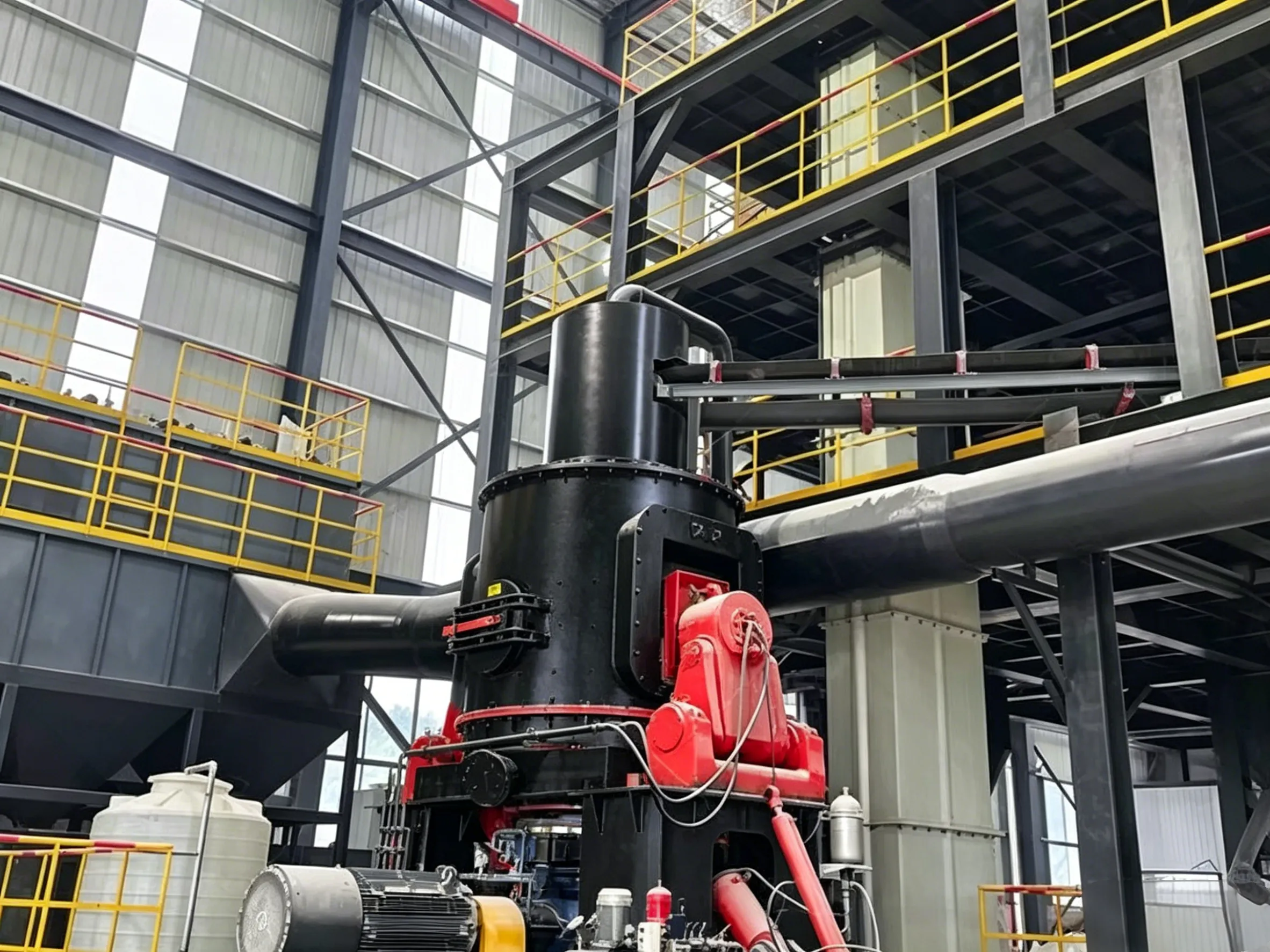


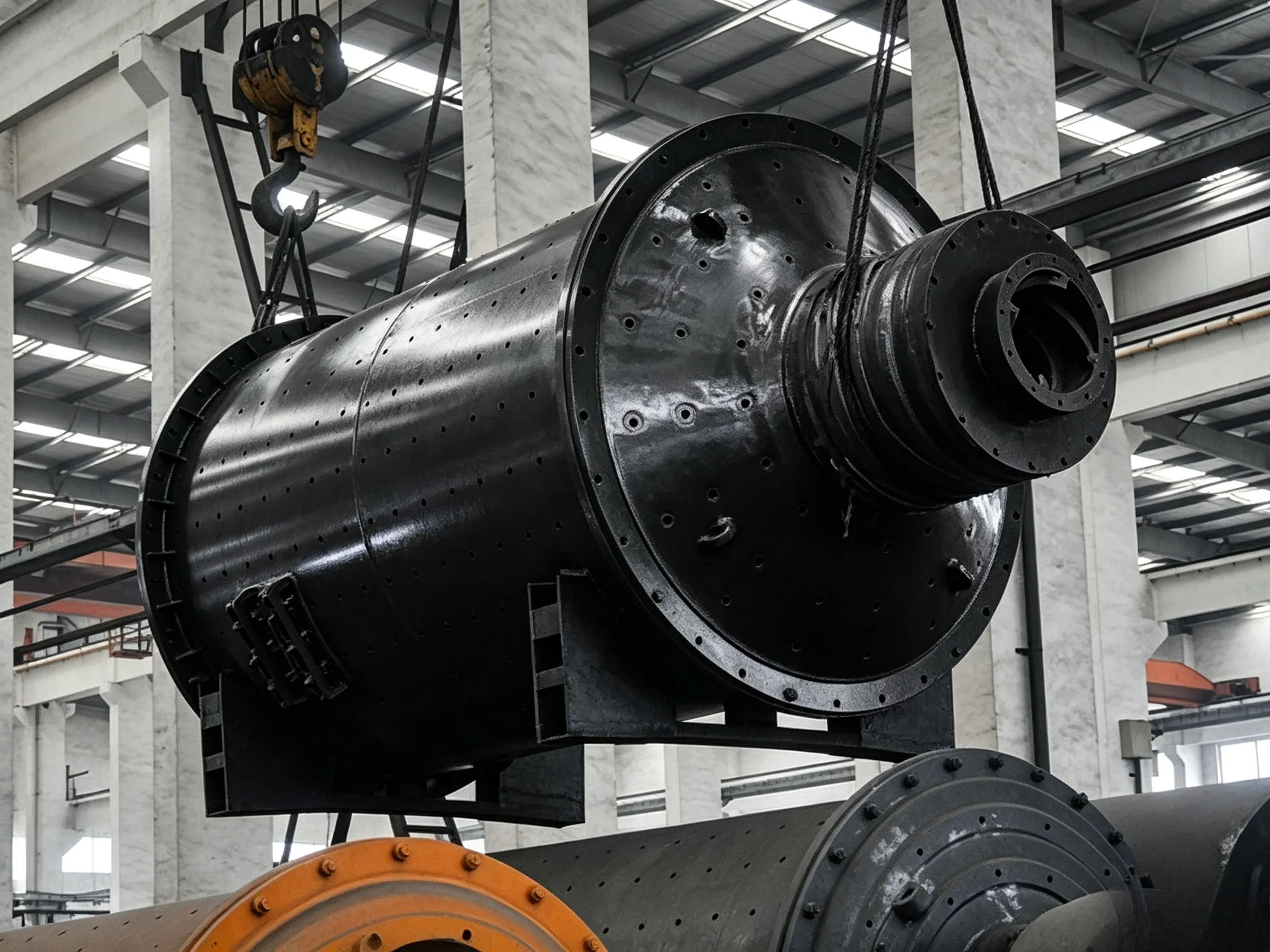
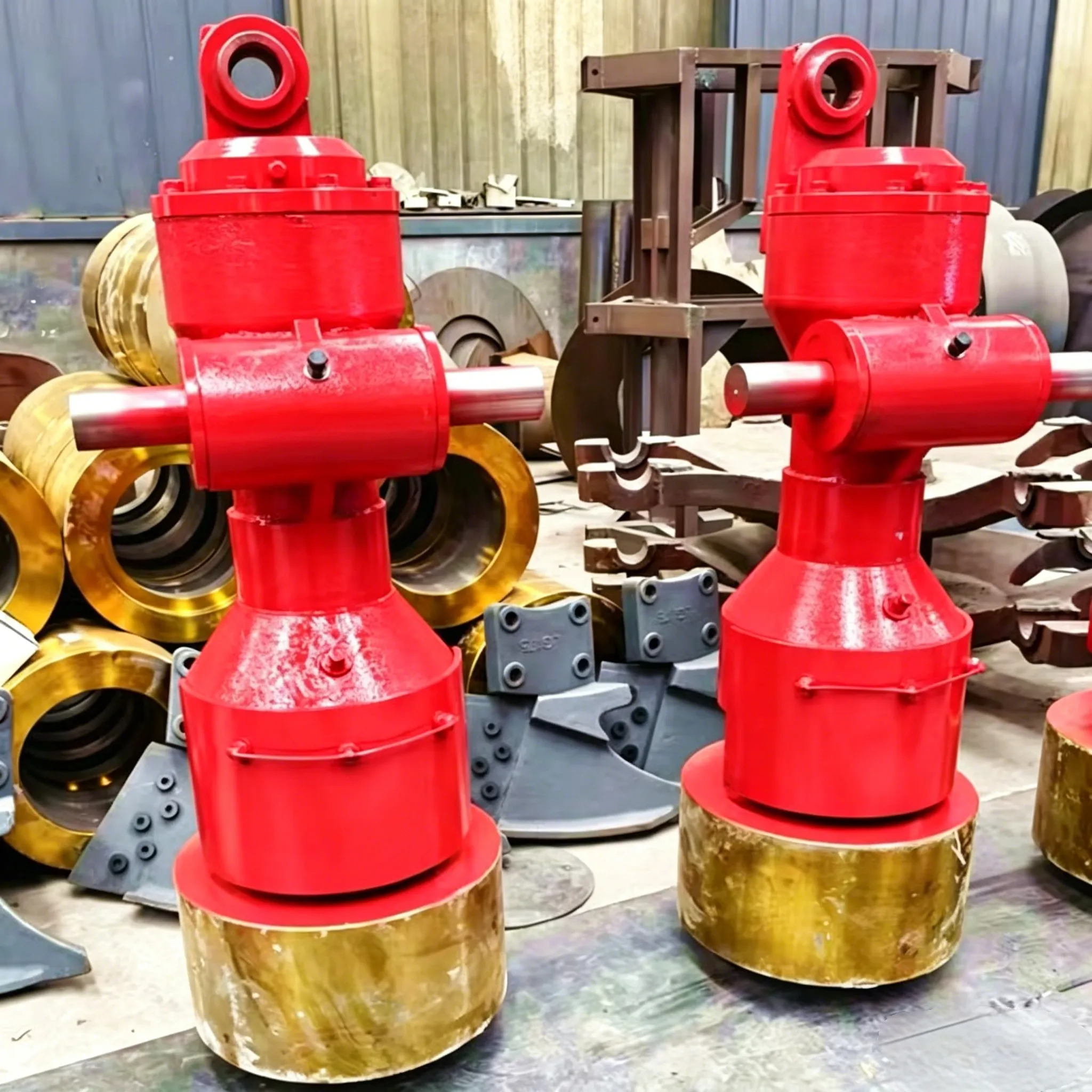

The grinding roller is the core working component and key wear part of the Raymond mill (also known as the pendulum mill). It directly undertakes the task of grinding materials. During the operation of a Raymond mill, the grinding roller is pressed tightly against the grinding ring under centrifugal force, and together with the ring it crushes the material. The quality and performance of the grinding roller directly determine the mill’s production efficiency, product quality, and operating costs.
The grinding roller is the core working component and key wear part of the Raymond mill (also known as the pendulum mill). It directly undertakes the task of grinding materials. During the operation of a Raymond mill, the grinding roller is pressed tightly against the grinding ring under centrifugal force, and together with the ring it crushes the material. The quality and performance of the grinding roller directly determine the mill’s production efficiency, product quality, and operating costs.
The grinding roller is suitable for various types of Raymond mills, high‑efficiency Raymond mills, high‑pressure roller mills, and similar equipment. It is widely used in the metallurgical, building material, chemical, and mining industries for grinding mineral products.
Alternative name: Vertical mill roller.
A Raymond mill typically has 3 to 6 grinding rollers evenly distributed on a spider frame. The working process is as follows:
The Raymond mill grinding roller mainly consists of the following parts:
| Component | Function |
|---|---|
| Roller body (roller sleeve) | The working surface that directly contacts the material, subject to grinding wear. |
| Roller shaft | Mounted in the shaft housing via bearings, transmitting power. |
| Shaft housing | Holds the roller shaft and bearings, providing support and protection. |
| Bearings | Ensure smooth rotation and reduce friction. |
| End cover | Seals and protects the internal structure. |
Modern high‑performance grinding rollers adopt a composite design:
Some advanced rollers also feature a wear‑resistant alloy layer on the surface, with wear‑resistant wires wrapped around for enhanced durability. Another design uses a double‑layer structure – an inner base layer and an outer grinding layer made of high‑chromium hardfacing material, with a thickness of 10‑30 mm.
Currently, grinding roller materials for Raymond mills mainly fall into three categories:
| Material Type | Common Name | Characteristics | Application |
|---|---|---|---|
| High‑manganese steel | 13Mn (ZGMn13) | Work‑hardening characteristic; moderate wear resistance; low cost | Common non‑metallic ores; most widely used |
| High‑quality carbon structural steel | 65Mn (ZG65Mn) | Higher manganese content; better wear resistance than ordinary high‑manganese steel | Harder, difficult‑to‑grind materials |
| Alloy cast iron / steel cast iron | Alloy | High hardness and good wear resistance | High‑hardness materials |
A rich variety of materials has been developed for grinding rollers:
For end users, simple identification methods include:
Choose the appropriate roller material based on the material to be ground:
| Material Type | Recommended Roller Material | Remarks |
|---|---|---|
| Low‑medium hardness (e.g., limestone, calcite) | High‑manganese steel (ZGMn13) | Moderate wear resistance, low cost |
| Medium‑high hardness | High‑chromium alloy steel | Hardness up to HRC60+, 50%+ increase in wear resistance |
| High hardness (e.g., quartz) | Tungsten carbide or ceramic composite roller | Ultra‑high wear resistance |
Different Raymond mill models are equipped with rollers of different sizes and quantities:
| Model | Number of Rollers | Roller Diameter × Height (mm) | Ring Inner Diameter × Height (mm) | Main Shaft Speed (r/min) |
|---|---|---|---|---|
| MTM100 | 4 | Φ310×170 | Φ950×170 | 130 |
| MTM130 | 5 | Φ410×210 | Φ1280×210 | 103 |
| MTM160 | 6 | Φ480×270 | Φ1600×270 | 82 |
| Model | Roller Count | Roller Size (D×H) mm | Ring Inner D×H (mm) | Feed Size (mm) | Product Size (mm) | Capacity (t/h) |
|---|---|---|---|---|---|---|
| 3R1510 | 3 | 210×150 | 500×150 | ≤10 | 0.8‑0.045 | 1‑2 |
| 3R2115 | 3 | 210×150 | 640×150 | ≤15 | 1‑2.5 | — |
| 3R2615 | 3 | 260×150 | 780×150 | ≤20 | 0.8‑2.5 | — |
| 3R2715 | 3 | 270×150 | 830×150 | ≤20 | 0.9‑2.8 | — |
| 4R3216 | 4 | 320×160 | 970×160 | ≤25 | 1.8‑4.5 | — |
Note: The above parameters are for reference only; actual specifications may vary.
Different manufacturers and models may have varying roller sizes:
| Roller Diameter (mm) | Roller Height (mm) | Corresponding Ring Diameter (mm) | Common Model |
|---|---|---|---|
| Φ270 | 140 | Φ830 | 3R |
| Φ310 | 170 | Φ950 | 4R / MTM100 |
| Φ410 | 210 | Φ1280 | 5R / MTM130 |
| Φ450 | 250 | Φ1770 | Large type |
| Φ480 | 270 | Φ1600 | MTM160 |
| Parameter | Specification |
|---|---|
| Model | 5R4121 |
| Size | 410×210 mm |
| Applicable materials | Limestone, calcite, coal powder, bentonite, pyrophyllite, marble, talc, etc. |
| Application fields | Building materials, chemicals, paints, highways, construction, food |
The grinding roller is suitable for processing various non‑flammable and non‑explosive materials with Mohs hardness below 7 and moisture content below 6%, including but not limited to:
| Inspection Item | Content | Frequency |
|---|---|---|
| Wear check | Regularly check roller thickness; replace if wear exceeds 10% | Regular intervals |
| Bearing lubrication | Inspect lubrication; add high‑temperature grease | Every 500 hours |
| Fasteners | Check bolts and nuts for looseness | Before and after each use |
| Abnormal vibration/noise | Check roller balance, bearing condition | Address immediately when found |
The service life of grinding rollers and rings depends on material hardness, feed rate, and other factors:
| Operating Condition | Reference Life |
|---|---|
| Normal duty | 2000‑3000 hours |
| High‑wear duty | 1000‑2000 hours |
| Roller assembly replacement cycle | 3‑12 months |
Wear limit: The minimum residual wall thickness of the roller must not be less than 10 mm.
When replacing rollers after approximately 500 hours of operation, pay attention to the following:
| Problem | Possible Cause | Solution |
|---|---|---|
| Severe wear of roller/ring | Normal wear | Replace worn parts |
| Bearing seizure | Insufficient lubrication or dust ingress | Regularly add high‑temperature grease |
| Abnormal vibration or noise | Roller imbalance, bearing damage, loose bolts | Stop and inspect fasteners; replace damaged parts |
| Coarse product or reduced output | Insufficient roller pressure, severe wear, or failed springs | Adjust spring pressure or replace roller assembly |
| Material Type | Recommended Roller Material | Expected Life |
|---|---|---|
| Limestone, calcite, talc | High‑manganese steel (ZGMn13) | Moderate |
| Barite, gypsum | High‑chromium alloy steel | Long |
| Quartz, feldspar | Tungsten carbide / ceramic composite roller | Longest |
Q: What is the service life of a grinding roller?
A: The service life is generally 1000‑3000 hours, depending on material hardness, feed rate, operating parameters, and maintenance.
Q: How can I tell when a roller needs replacement?
A: Replace when the roller thickness wear exceeds 10% or the minimum residual wall thickness is less than 10 mm. Also, if the product becomes coarser, output drops, or abnormal vibration occurs, the roller condition should be checked.
Q: What is the difference between high‑manganese steel rollers and alloy rollers?
A: High‑manganese steel (e.g., ZGMn13) has work‑hardening characteristics, is suitable for ordinary materials, and is lower in cost. High‑chromium alloy steel has higher hardness (HRC60+) and can increase wear resistance by more than 50%, making it suitable for high‑hardness materials. They can be roughly distinguished by magnetism and appearance.
Q: Can grinding rollers be custom‑made?
A: Yes. Most manufacturers offer customisation in terms of size, material, and other specifications according to customer requirements.
 English English
 Spanish
 Russian
 Arabic
 Swahili
 French
 Turkish
 Portuguese
 Korean
 Japanese
 German
 Italian