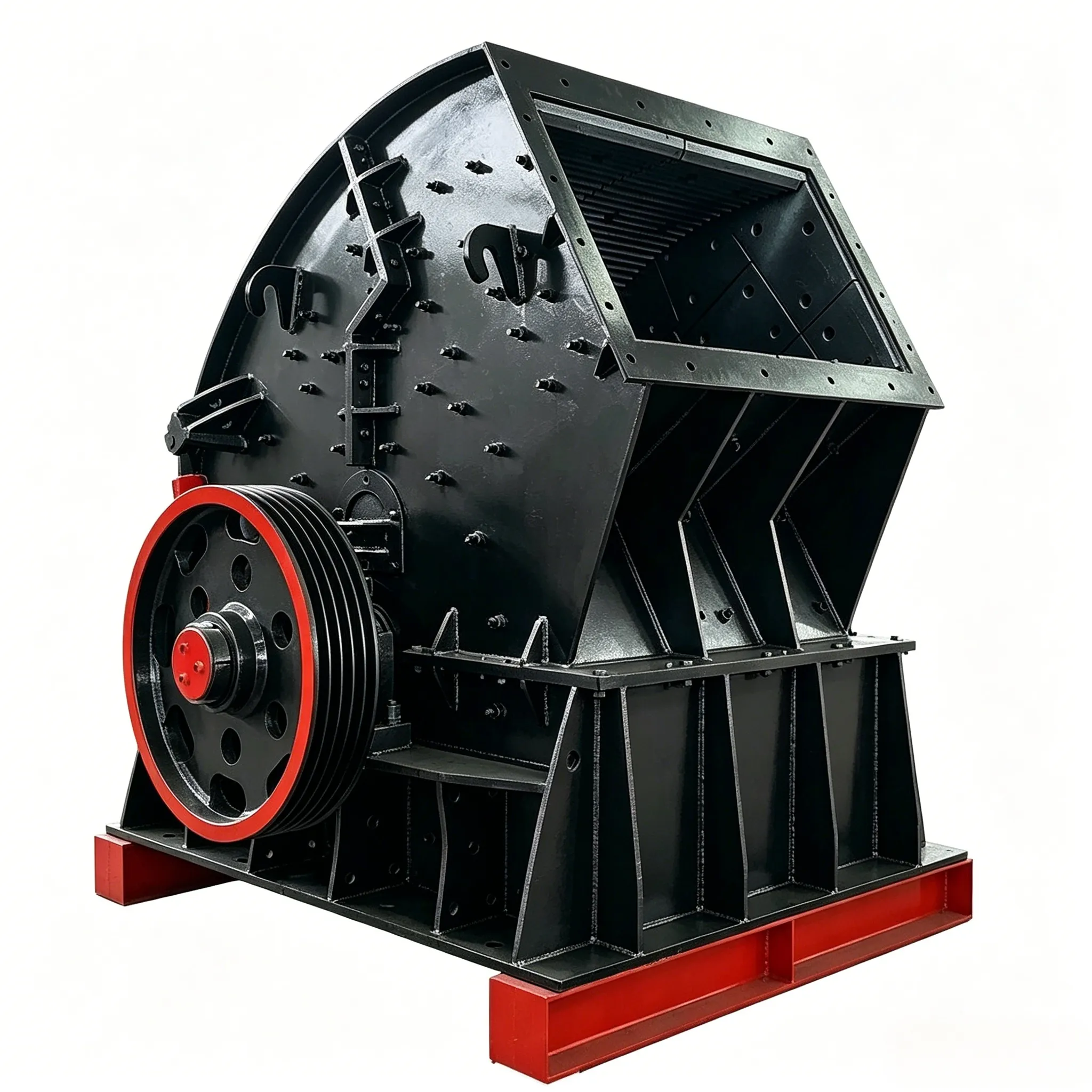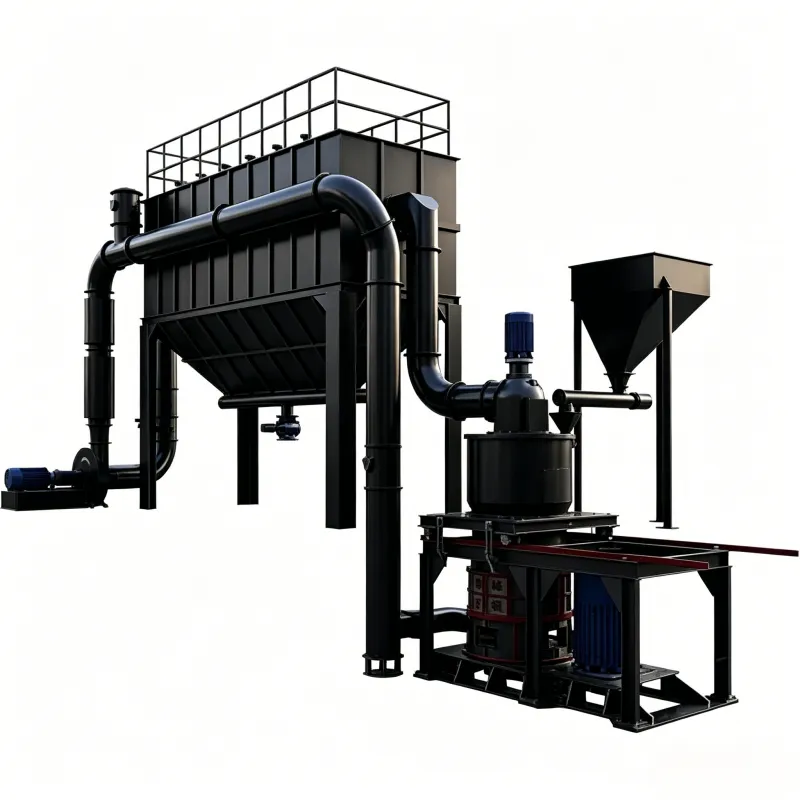
Ultrafine Ring Roller Mill
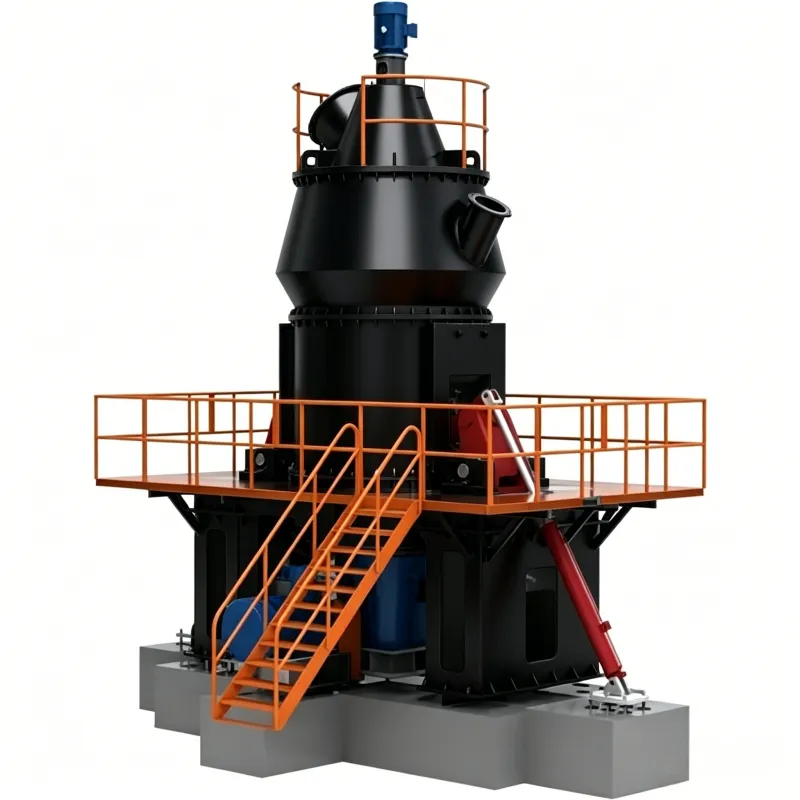
Introduction to the Ultrafine Ring Roller Mill The KXHGM Ultrafine Ring Roller…

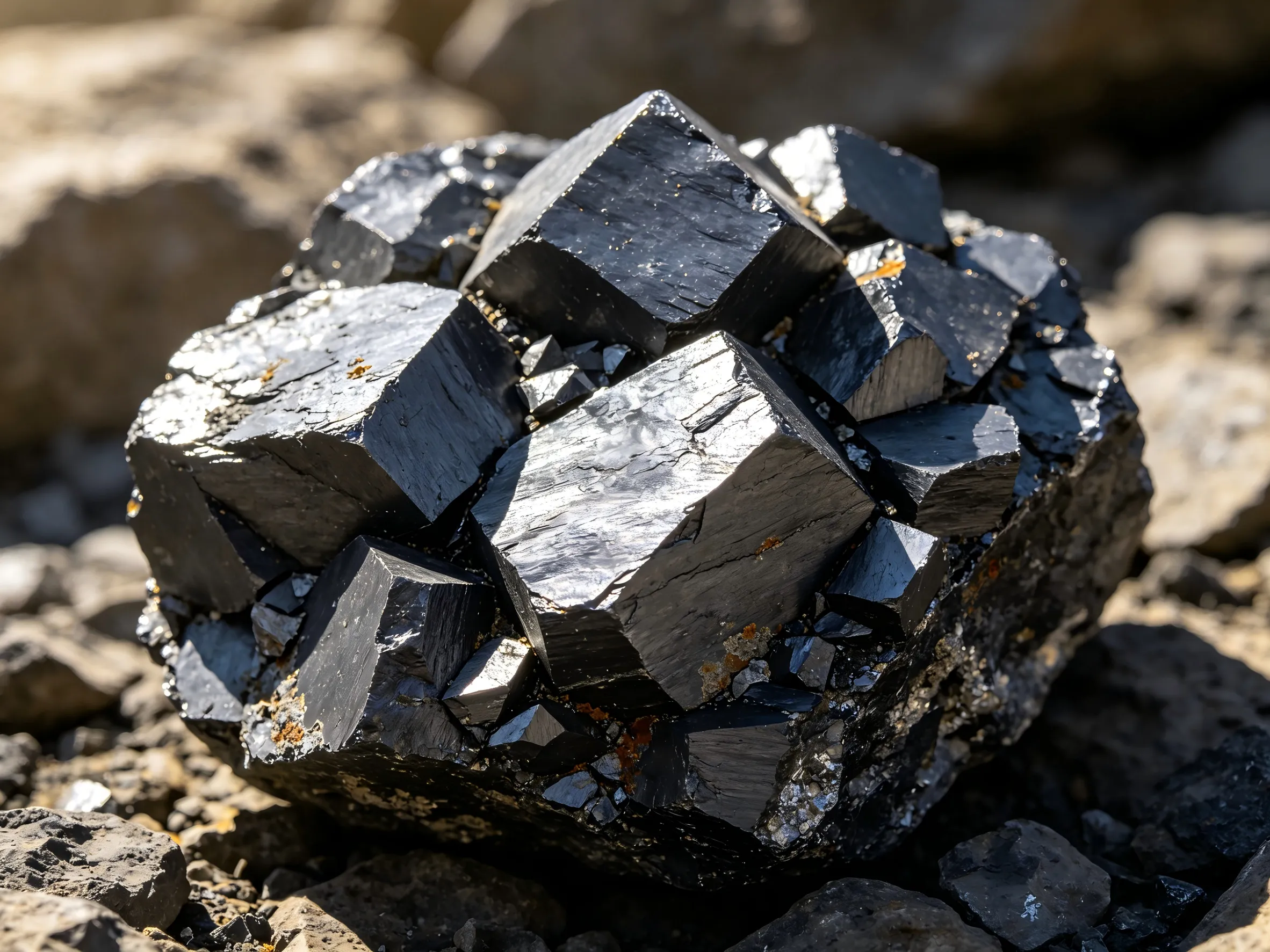
The vast majority of manganese ores in my country are low-grade and require beneficiation. However, since most manganese ores are fine-grained or micro-grained and contain a considerable amount of high-phosphorus, high-iron, and associated beneficial metals, beneficiation is very difficult. Commonly used manganese ore beneficiation methods include mechanical beneficiation (washing, screening, gravity separation, strong magnetic separation, and flotation) and special beneficiation methods (pyrometallurgical enrichment, chemical beneficiation, etc.).
(1) Washing and Screening Manganese ore generally contains slime, which not only affects the grade of manganese minerals but, more importantly, severely degrades the effectiveness of subsequent beneficiation (flotation, gravity separation, and magnetic separation). Therefore, in open-pit mining or when there is a lot of slime, washing is the first step to remove the slime. Washing uses hydraulic flushing or additional mechanical scrubbing to separate the ore from the slime; it is often used as a pretreatment before beneficiation. Commonly used ore washing and desliming equipment includes washing screens, cylindrical washing machines, trough washing machines, low-weir spiral classifiers, and hydrocyclones.
Mandac carbonate ore is mostly washed, generally using vibrating screens with water spraying. The product on the screen is the washed ore, and the product under the screen is returned to the screen via spiral classification and combined with the product on the screen. The overflow is discarded or further recovered as manganese minerals. Manganese oxide ore is generally washed once or multiple times using a double spiral trough washing machine with stronger scrubbing properties.
(2) Gravity Separation Gravity separation is based on the different densities and particle sizes of various minerals. Due to the density difference between manganese ore and silicate gangue, gravity separation can be used to separate manganese minerals from gangue minerals in most cases. Commonly used gravity separation equipment for manganese ore beneficiation includes jigs, cone concentrators, spiral concentrators, shaking tables, and drum separators, hydrocyclones, and vibrating sluices using heavy media. Gravity separation equipment has different particle size ranges. Jigs separate particles from 0.5 to 15 mm, spiral concentrators from 0.075 to 5 mm, and shaking tables from 0.04 to 3 mm. Before gravity separation, the ore is generally separated into different particle sizes for separate beneficiation. Coarse-grained ore is typically separated using jigs, medium-grained ore using cone concentrators or spiral concentrators, and fine-grained ore using shaking tables.
Manganese oxide ores such as pyrolusite, malachite, and limonite have a density of around 4 g/cm³, which differs significantly from the density of silicate gangue. Most are separated using gravity separation. Because the density difference between manganese carbonate ore and gangue is relatively small, jigs and shaking tables are generally ineffective; only heavy media separation can achieve enrichment. Manganese carbonate ore often uses a combined heavy media-high-intensity magnetic separation process, discarding the surrounding rock in the initial stage to restore the geological grade, and then further separating the material in the subsequent stage.
(3) High-Intensity Magnetic Separation. Magnetic separation is a method of separating different minerals by utilizing the magnetic differences between them in a non-uniform magnetic field. It is simple to operate, pollution-free, and has low production costs. Manganese minerals have weak magnetism, and high-intensity magnetic separation can separate manganese minerals from non-magnetic gangue minerals.
Domestically used high-intensity magnetic separators include: the 80-1 type and CGD-38 type high-intensity magnetic separators for separating coarse-grained (10-25mm) manganese ore; the CS-1, CS-2, DQC-1, and CGDE-210 type high-intensity magnetic separators developed by the Ma’anshan Mining Research Institute of China Steel Group for separating medium-grained (1-10mm) manganese ore; and the SHP and SZC series high-intensity magnetic separators and the SLon type magnetic separator for separating fine-grained (0.05-1mm) manganese ore. In addition, the PMHIS series permanent magnet medium-intensity magnetic separator developed by Changsha Research Institute of Mining and Metallurgy has a magnetic induction intensity of 1.0T and a maximum separation particle size of 50mm.
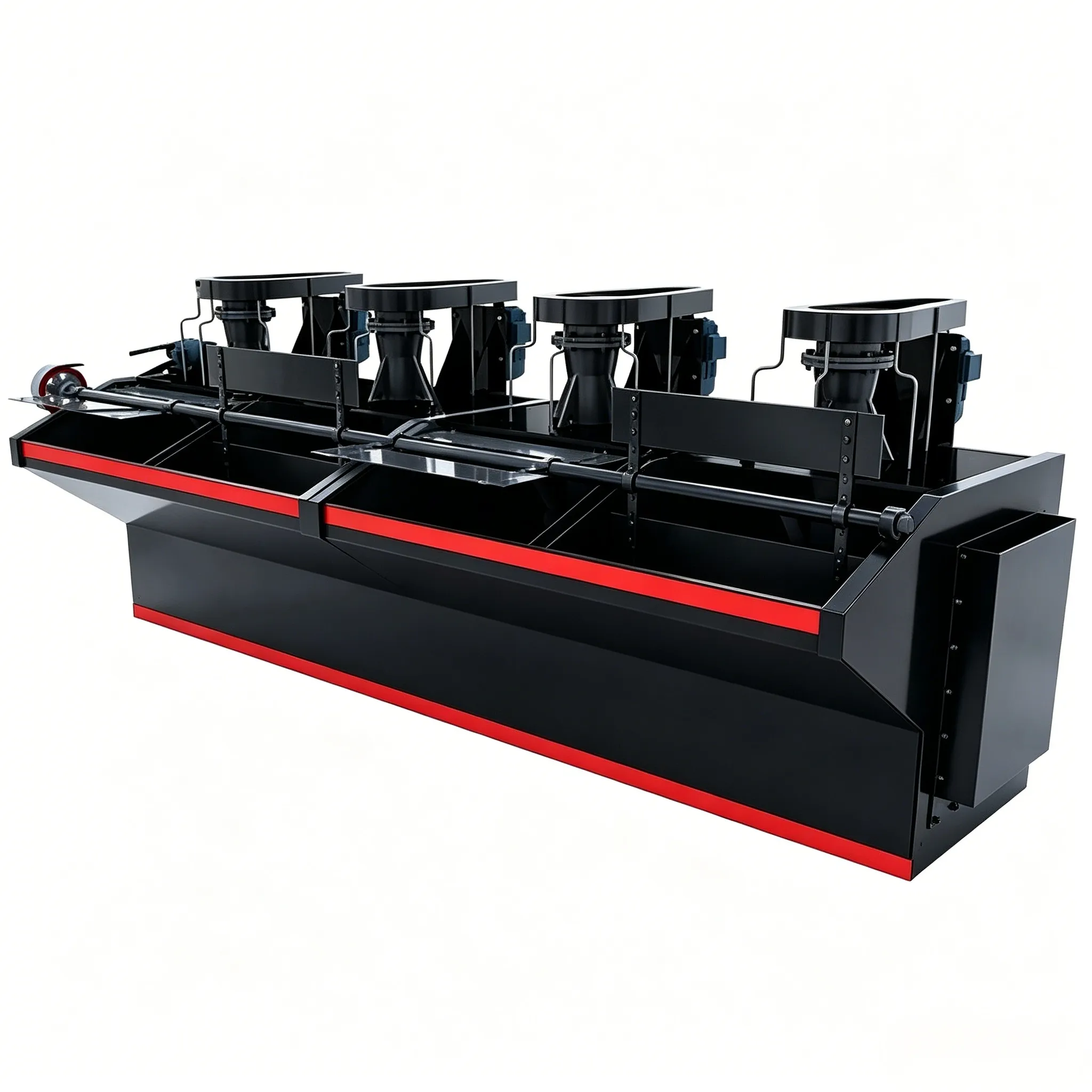
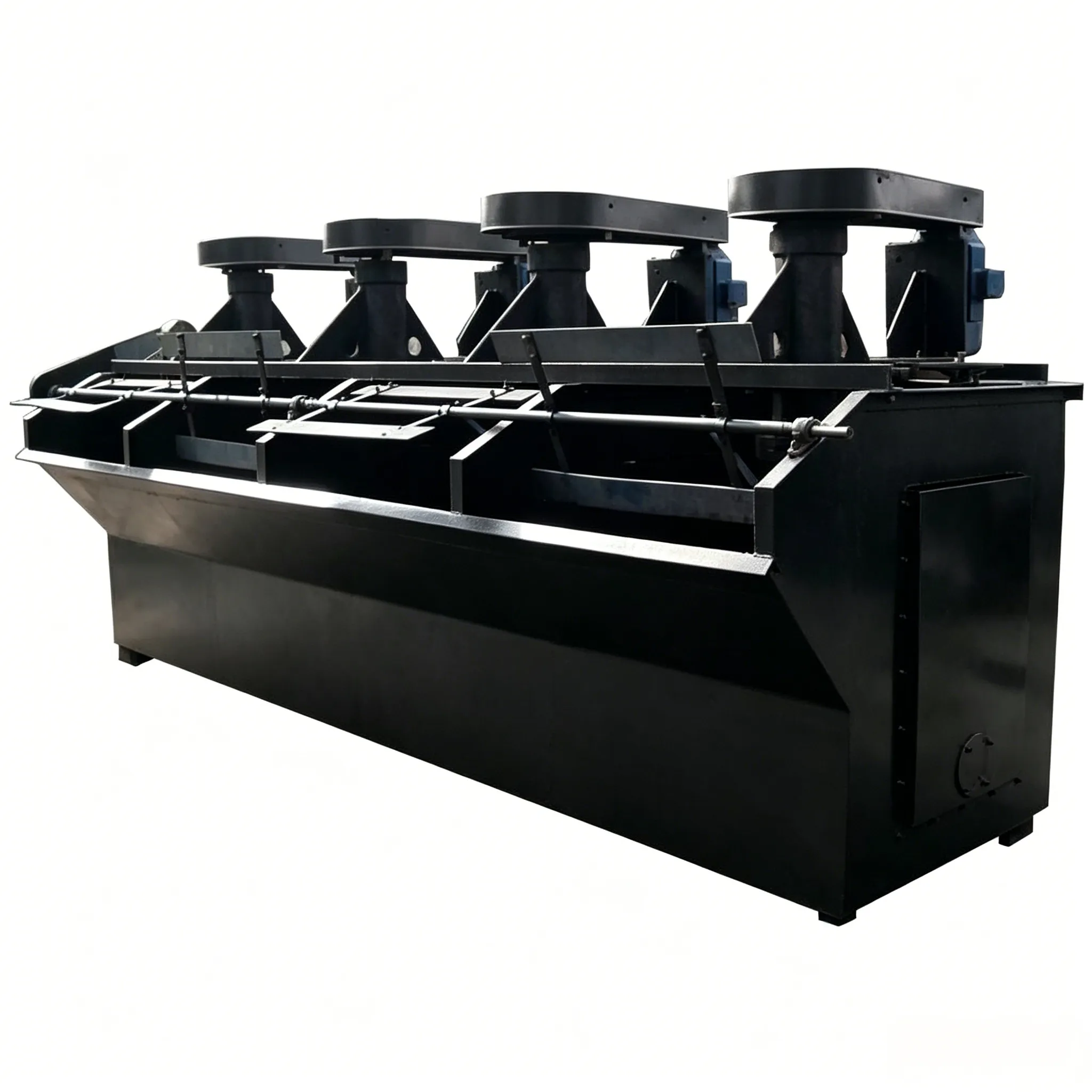
(4) Flotation Manganese minerals are sometimes separated using flotation. Different manganese minerals have different floatability, and not all manganese minerals are suitable for flotation. Among manganese minerals, rhodochrosite has the best floatability, followed by pyrolusite and diaspore, while other manganese minerals, especially manganese clay, have the worst floatability. Therefore, flotation is only used for some fine-grained rhodochrosite and manganese oxide slime. Manganese ore flotation can use direct flotation and reverse flotation. Currently, anionic reverse flotation is used domestically and internationally. Cationic reverse flotation is still in the experimental stage.
(5) Roasting Magnetic Separation Roasting of manganese carbonate ore mainly removes CO2 volatiles and crystal water, turning it into manganese oxide, thereby improving the manganese grade.
Manganese oxide ores mainly include diaspore, malachite, and leucite. In these minerals, manganese generally exists as high-valence oxides such as MnO₂, Mn₃O₄, and Mn₂O₃. The main impurity minerals are high-valence iron oxides, Fe₂O₃. During the reduction of manganese oxide ore, weakly magnetic oxides in the ore are reduced to magnetic oxides Fe₃O₄ and γ-Fe₂O₃, allowing manganese and iron to be separated using a magnetic separator, thus improving the manganese grade of the ore. Simultaneously, the high-valence manganese oxides in the ore are reduced to MnO, creating conditions for acid leaching to treat the manganese oxide ore.
High-sulfur manganese ore belongs to metamorphic manganese carbonate ore, and roasting aims to remove CO₂ and desulfurize it.
Roasting of manganese carbonate ore can be done using circular kilns, vertical kilns, and rotary kilns. Circular and vertical kilns are suitable for roasting lump ore, while rotary kilns are suitable for processing fine ore. (6) Pyrometallurgical Enrichment: Also known as the rich manganese slag method, pyrometallurgical enrichment is a separation method for treating high-phosphorus, high-iron, and difficult-to-process low-manganese ores. Essentially, it utilizes the different reduction temperatures of manganese, phosphorus, and iron, selectively separating them in a blast furnace or electric furnace by controlling the temperature.
(7) External Dephosphorization: External dephosphorization uses high-phosphorus manganese ore or sinter as raw material. It refines the ore into a ferrosilicon-manganese alloy in an electric furnace, then places the alloy in a ladle of molten iron outside the furnace. A dephosphorizing agent is added, followed by a shaking reaction to remove phosphorus. This method can be broadly divided into two types: one dephosphorizes under reducing conditions in the form of phosphides, and the other dephosphorizes under oxidizing conditions in the form of phosphates. Both methods have their advantages and disadvantages. The oxidizing method is more suitable for factory production conditions, while the reducing method has a higher dephosphorization rate, but the slag causes environmental pollution. (8) Chemical Beneficiation Method: The chemical treatment of complex, low-grade manganese ores begins with ore leaching. The leachate is purified to obtain a pure manganese sulfate solution. This solution can be used to produce various manganese salt products, including borates, MnO2, electrolytic manganese, manganese alloys, high-purity manganese carbonate, manganese sulfate, manganese carbonate, acidic manganese carbonate, and manganese nitrate. Pyrolusite can also be directly beneficiated with potassium hydroxide to produce potassium manganate, which is then electrolyzed to obtain potassium permanganate. Furthermore, high-purity manganese salts can be directly produced from virgin manganese ore. Many chemical beneficiation methods exist for manganese, with the most promising being the dithionite method, the malachite method (roasting-dilute acid selective leaching), and the bacterial leaching method.