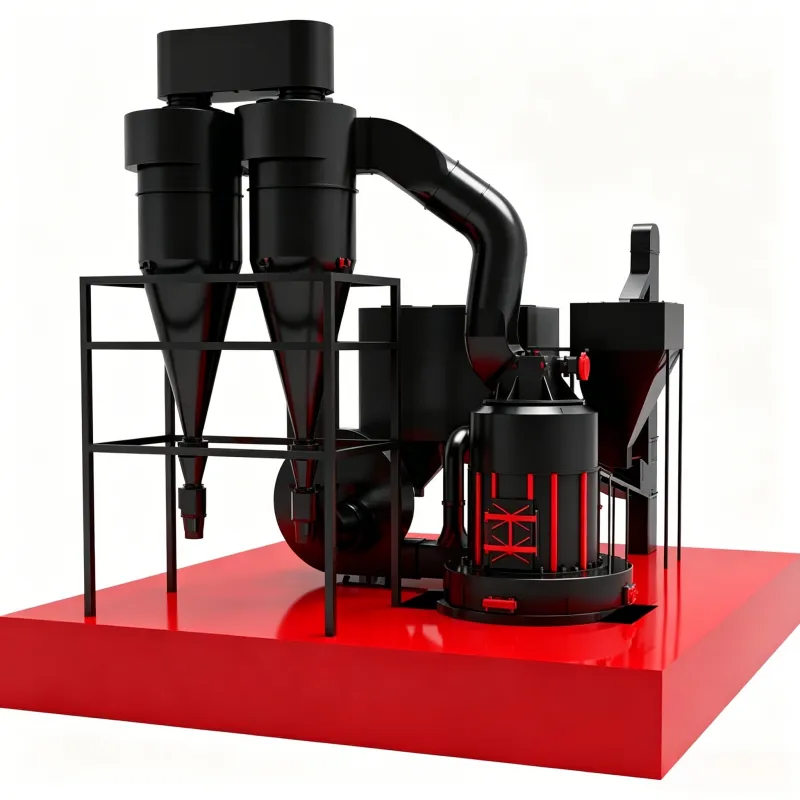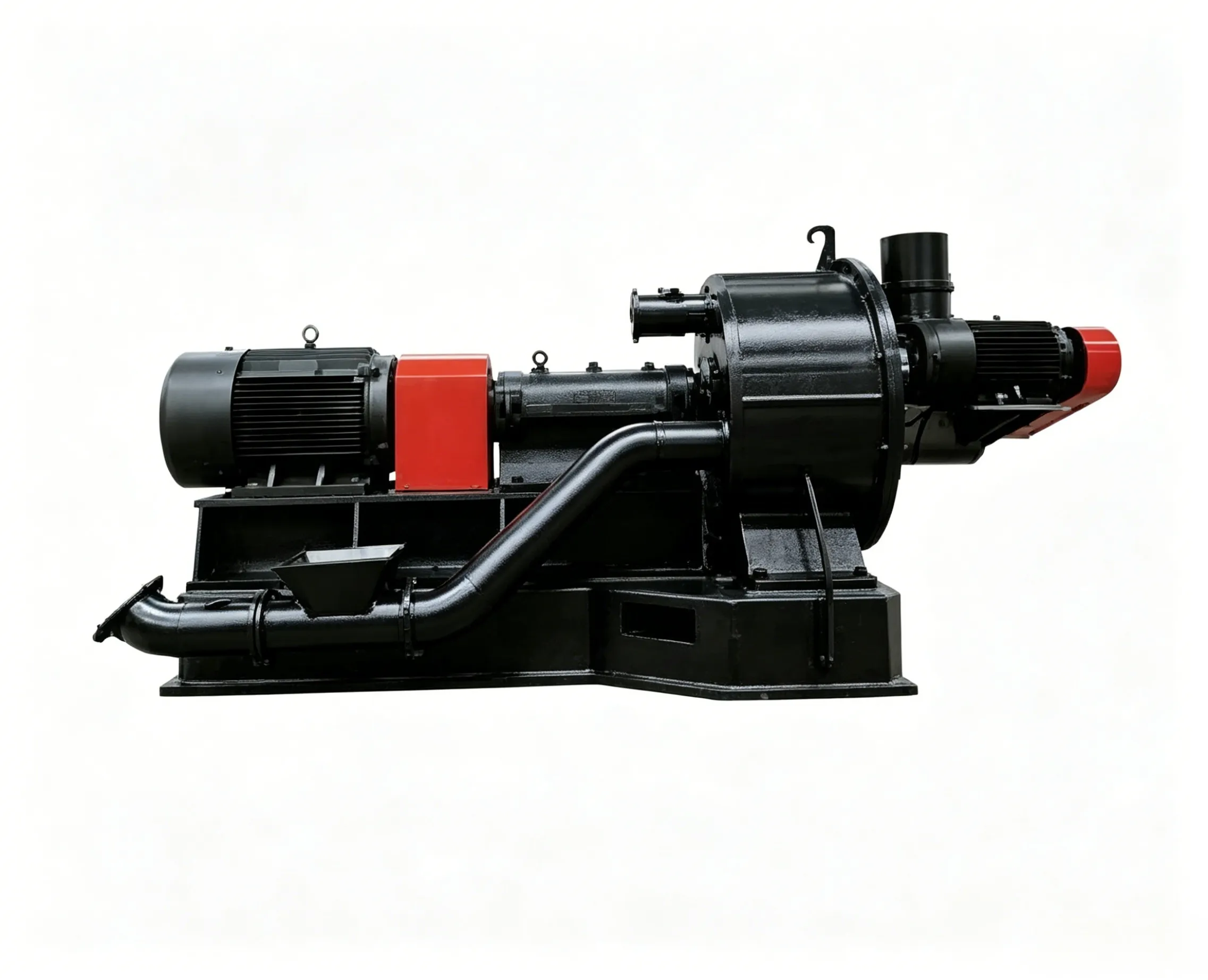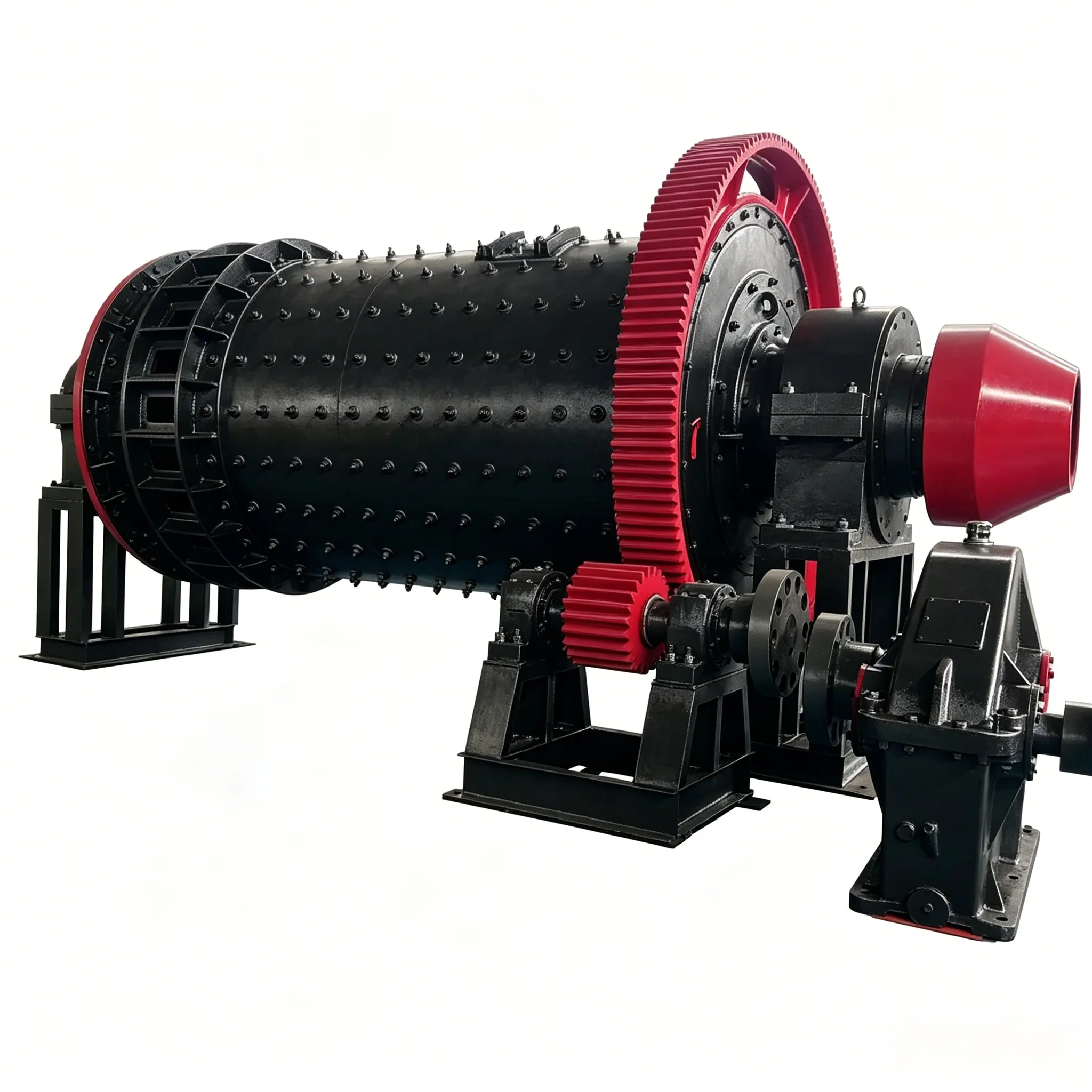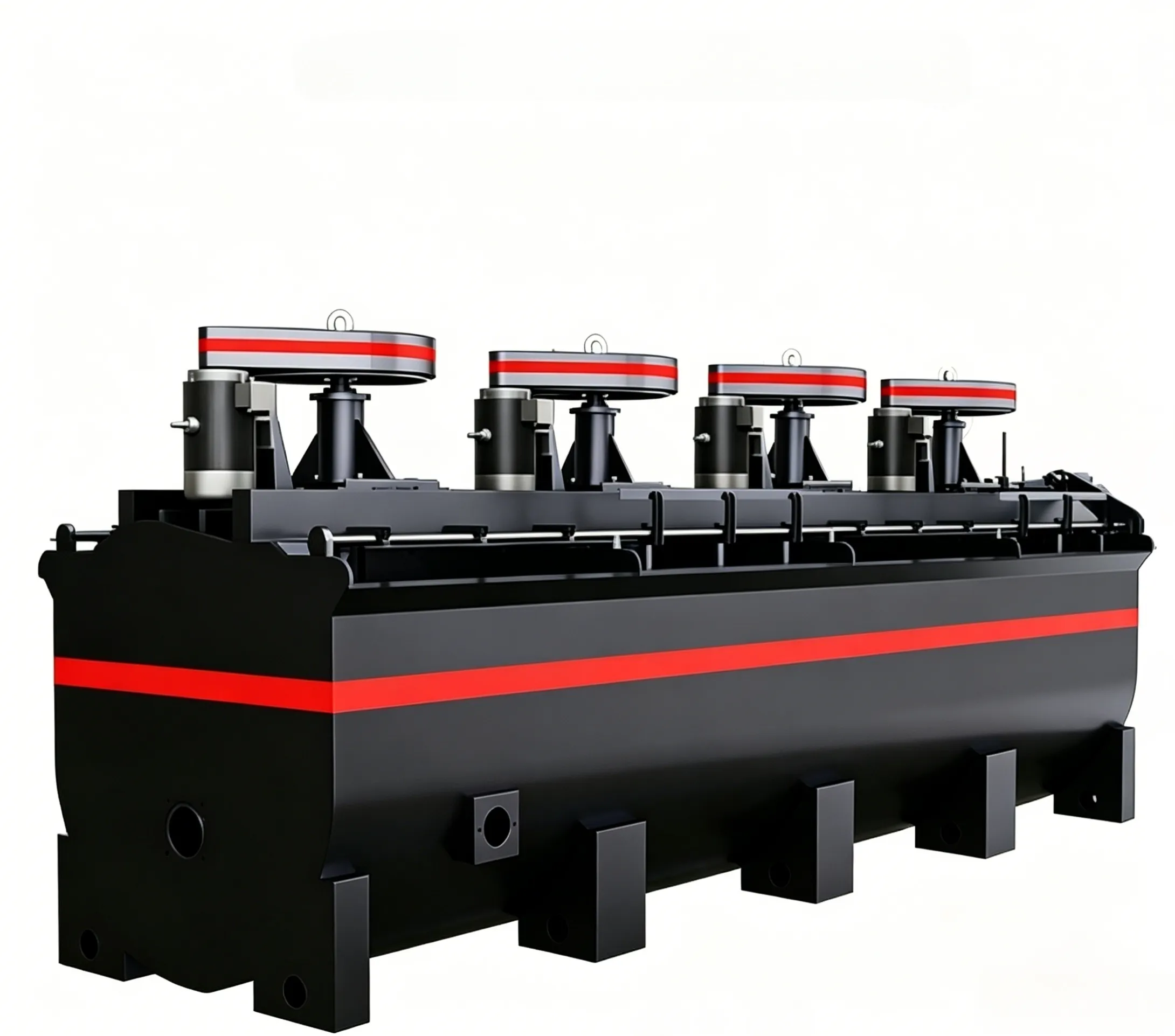
GF flotation machine
GF flotation machine This flotation machine is designed for coarse particles and…


Taiyuan Iron & Steel Group’s Yuanjiacun Iron Mine is a fine-grained, disseminated Anshan-type hematite deposit, belonging to a large iron ore deposit with proven reserves of [missing information]. More than 1.3 billion tons. The deposit contains various types of ore, mainly divided into iron oxide ore and primary iron ore. Iron oxide… Ores can be further classified into quartz type, specular (hematite) type, amphibole type, and conglomerate type ; primary iron ore can be further classified into quartz type. Types include amphibole and pyroxene. Each type of ore is further classified into lean iron ore and sub-lean iron ore based on its iron content. Due to Yuan… Jiacun iron ore is diverse in type, with complex structure and texture, and various minerals are finely interspersed, posing significant challenges to ore beneficiation. The limited availability of resources has prevented its full development and utilization to date. Multi-element analysis of quartz-type and amphibole-type iron oxide ores and… The phase analysis of iron is shown in Tables 4-16 to 4-19.
Table 4-16 Multi-element chemical analysis of quartz-type oxide ores unit:%
| Yuan white | TFe | SFe | FeO | SiO₂ | Al ₂ O ₃ | CaO |
| Include quantity | 32.70 | 32.68 | 1.48 | 49.23 | 0.80 | 0.85 |
| Yuan white | MgO | S | P | MnO | TiO₂ | Burning |
| Include quantity | 0.36 | 0.021 | 0.040 | 0.154 | 0.033 | 1.63 |
Table 4-17 Multi-element chemical analysis of amphibole-type oxide ores unit:%
| Yuan white | TFe | SFe | FeO | SiO₂ | Al ₂ O ₃ | CaO |
| Include quantity | 33.45 | 32.69 | 4.95 | 45.46 | 0.66 | 1.62 |
| Yuan white | MgO | S | P | MnO | TiO₂ | Burning |
| Include quantity | 1.29 | 0.038 | 0.051 | 0.094 | 0.031 | 2.57 |
Table 4-18 Iron phase analysis of quartz-type oxide ores unit:%
| Iron phase | magnetite | Ferric carbonate | Hematite | Ferric silicate | All Iron |
| Iron content | 2.32 | 0.53 | 30.30 | 0.16 | 33.36 |
| Distribution rate | 6.95 | 1.74 | 90.83 | 0.48 | 100.00 |
Table 4-19 Iron phase analysis of amphibole-type oxide ores unit:%
| Iron phase | magnetite | Ferric carbonate | Hematite | Ferric silicate | All Iron |
| Iron content | 9.96 | 0.62 | 22.28 | 1.16 | 34.02 |
| Distribution rate | 29.28 | 1.82 | 65.49 | 4.41 | 100.00 |
The metallic minerals in both types of oxide ores are mainly pseudomorphous hematite, semi-pseudomorphous hematite, hematite, and specularite, followed by magnetite, limonite, and pyrite. Gangue minerals are mainly quartz, amphibole minerals (tremolite, mafic amphibole, and a small amount of iron amphibole), and calcite. Both types of oxide ores exhibit a predominantly banded structure, with fine-grained gangue minerals embedded within the bands of metallic minerals, and vice versa. Both metallic and gangue minerals have extremely fine grain sizes. In quartz-type ores, the metallic mineral grain size is mostly below 0.045 mm, with some extremely fine grains below 0.01 mm; the gangue mineral grain size is slightly coarser than the metallic mineral grain size, mostly below 0.05 mm, with a considerable number below 0.01 mm. Amphibole-type ores have a slightly coarser grain size than quartz-type ores, but due to their more fibrous structure, with fibers typically only a few micrometers in diameter, amphibole minerals are difficult to dissociate.
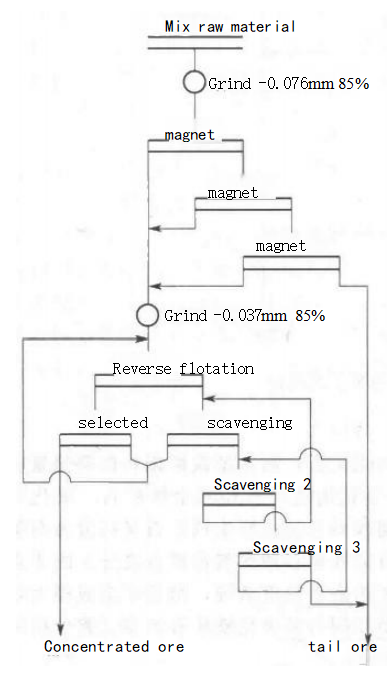
In 2005, the Ma’anshan Mining Research Institute of China Steel Group conducted a staged grinding-weak magnetic separation-strong magnetic separation-reverse flotation process on a mineral sample with a ratio of quartz-type primary iron ore: quartz-type iron oxide ore: specular (hematite)-type iron oxide ore of 3:1:1 (process flow shown in Figure 4-7). The mineral sample was first ground to a particle size of -0.076 mm (85%), followed by one weak magnetic separation. The tailings were then subjected to one strong magnetic roughing and one scavenging. The mixed rough concentrate from the weak and strong magnetic separations was further ground to a particle size of -0.037 mm (85%).
The final concentrate was obtained through one roughing, one cleaning, and three scavenging stages of anion reverse flotation. The process employs fine grinding, high-efficiency magnetic separation equipment, and high-efficiency anionic reverse flotation collectors. The beneficiation test of the mixed sample yielded good results with a concentrate iron grade of 65.36% and a recovery rate of 82.03%, providing important technical support for Taiyuan Iron & Steel (Group) Corporation’s development of the Yuanjiacun iron ore mine.