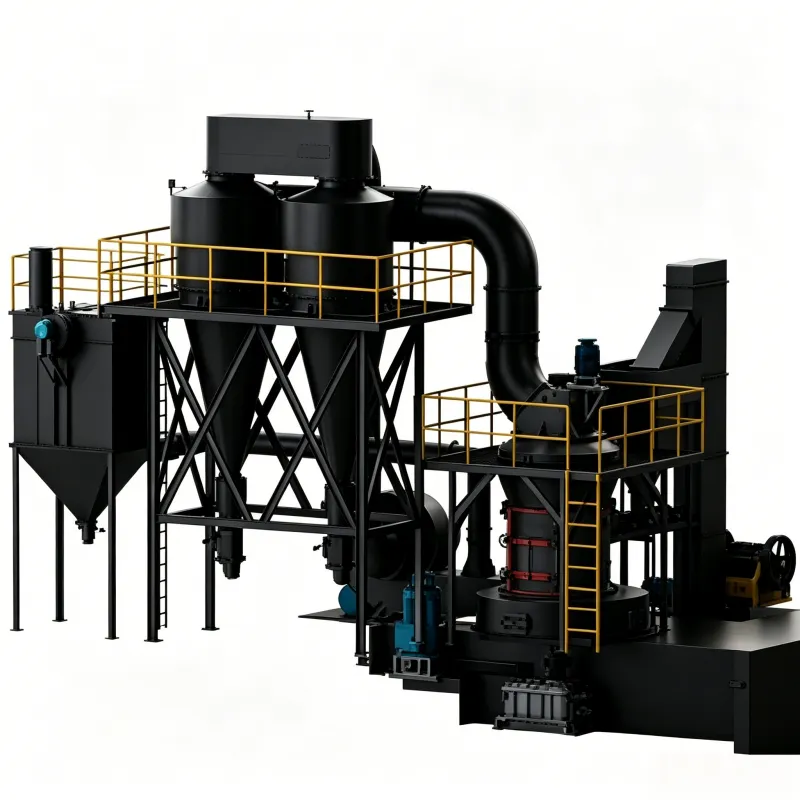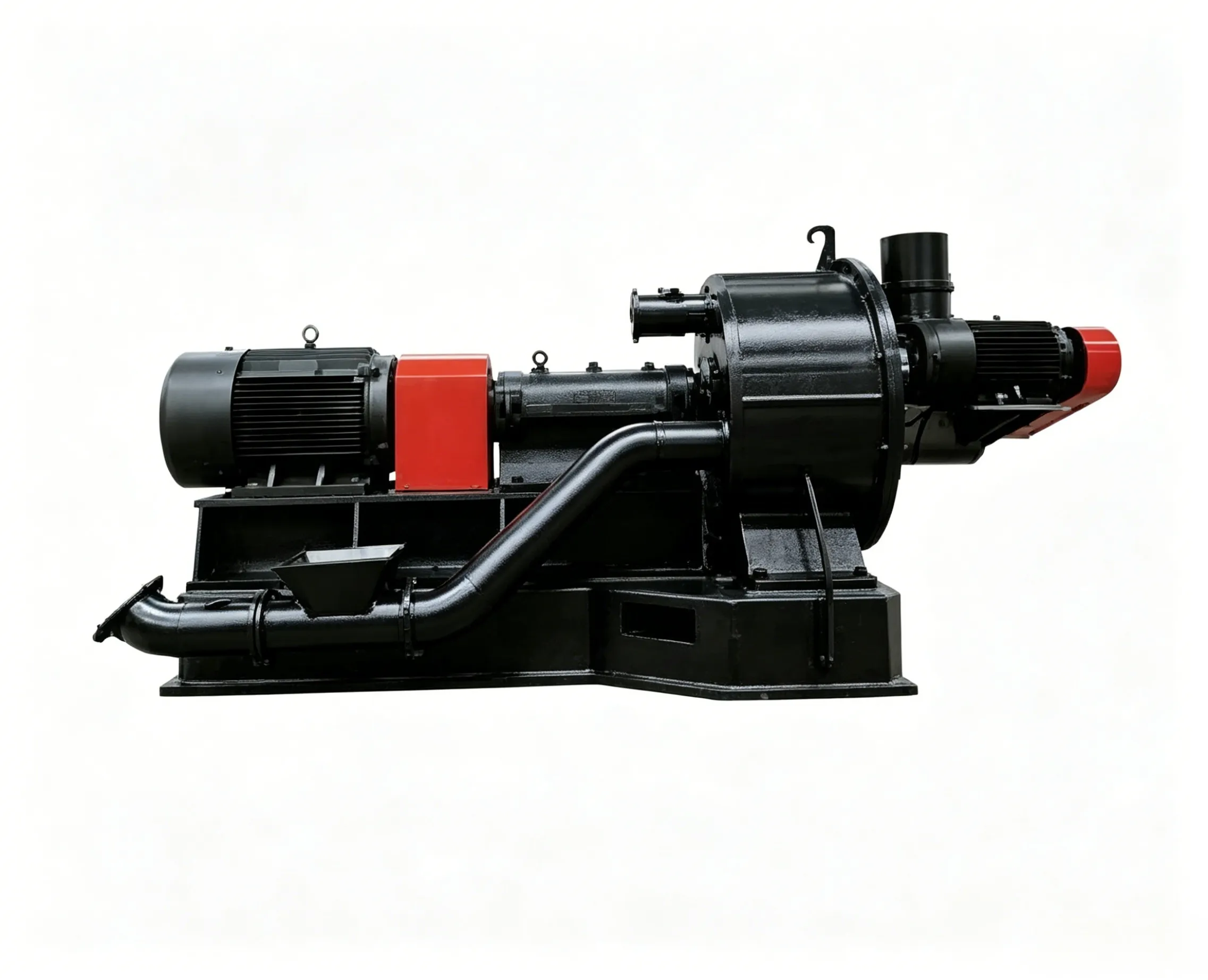
SCR series ultra-micro Impact Mill
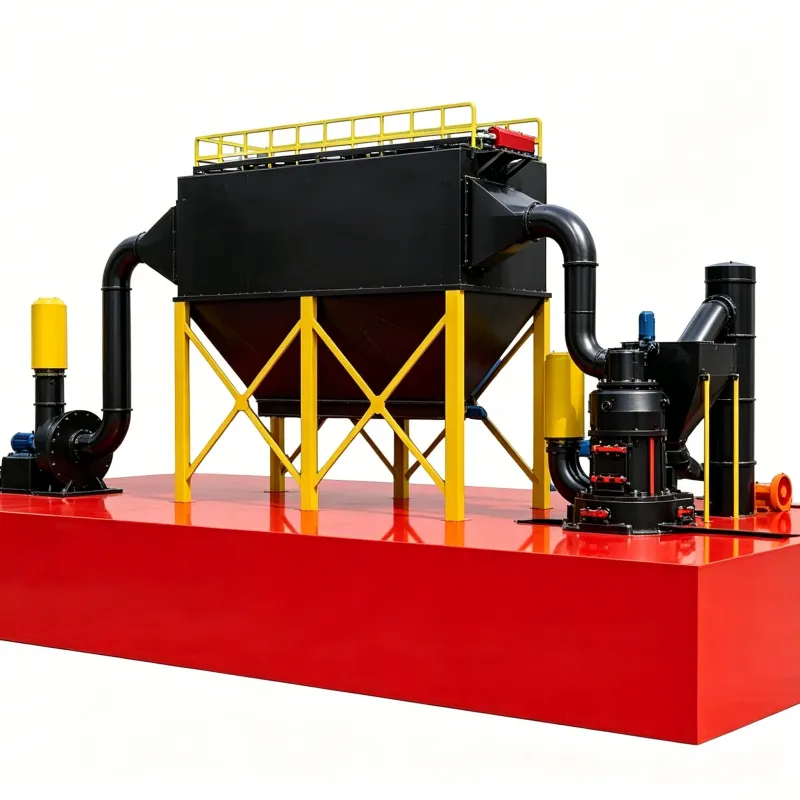
SCR series ultra-micro Impact Mill The SCR series impact mill is an ultra-fine crushing…

Gold Mine Beneficiation Cost Accounting: How Much Does It Cost to Build a Beneficiation Plant?
Conclusion First: Six Variables Determine the Final Investment
Ore Properties: Determines process complexity, directly affects the number of equipment, uncontrollable, but can be determined through small-scale trials.
Process Scale: Larger scale results in lower per-ton costs, but higher total investment; optional.
Process Route: For the same scale, choosing the wrong process can cost 2-3 million RMB more; a critical decision.
Automation Level: Requires 20%-30% more initial investment, payback period 3-5 years; flexible selection.
Construction Location: Remote areas are 30%-50% more expensive than concentrated areas; budget carefully beforehand.
Tailings Dam: Often overlooked; omission leads to overspending; cannot be omitted.
I. Ore Properties
By Gold Grade:
High Grade (>3g/t): Simple flotation or gravity separation is sufficient; equipment… Quantity is the benchmark.
Medium grade (1-3 g/t): Whole-sludge cyanidation carbon-in-pulp process, equipment required (30%-50% more).
Low grade (<1 g/t): Requires two-stage grinding + pre-enrichment, equipment required (over 50% more).
By ore type:
Oxidized ore: Short process chain, moderate investment.
Sulfide ore: Requires flotation enrichment + oxidation pretreatment, investment 40%-80% higher than oxidized ore.
By particle size:
Coarse gold (>0.5 mm): Gravity separation recovery, simple equipment.
Fine gold (<0.04 mm): Requires ultrafine grinding, increased grinding power consumption, high long-term costs.
Practical advice: Small-scale ore testing (30,000-80,000 RMB) can clarify the properties before production to avoid losses of millions due to incorrect process selection.
II. Processing Capacity
Three reference ranges for processing capacity:
500 tons/day: Equipment approximately 1.2-1.8 million RMB, total plant cost approximately 3-5 million RMB
1000 tons/day: Equipment approximately 4-6.8 million RMB, total plant cost approximately 8-15 million RMB
2000 tons/day: Equipment approximately 7-12 million RMB, total plant cost approximately 15-25 million RMB
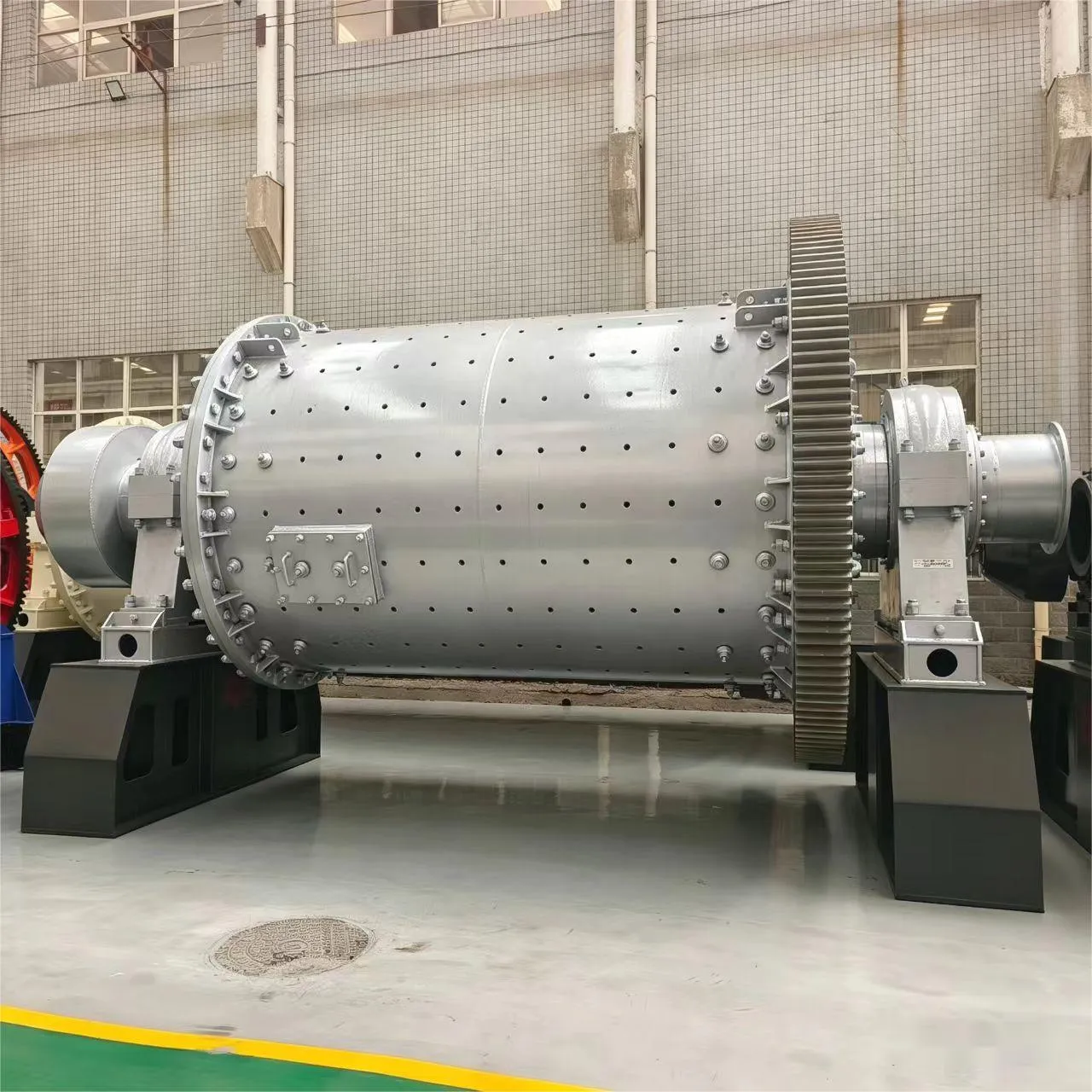
Example of ball mill price tiers:
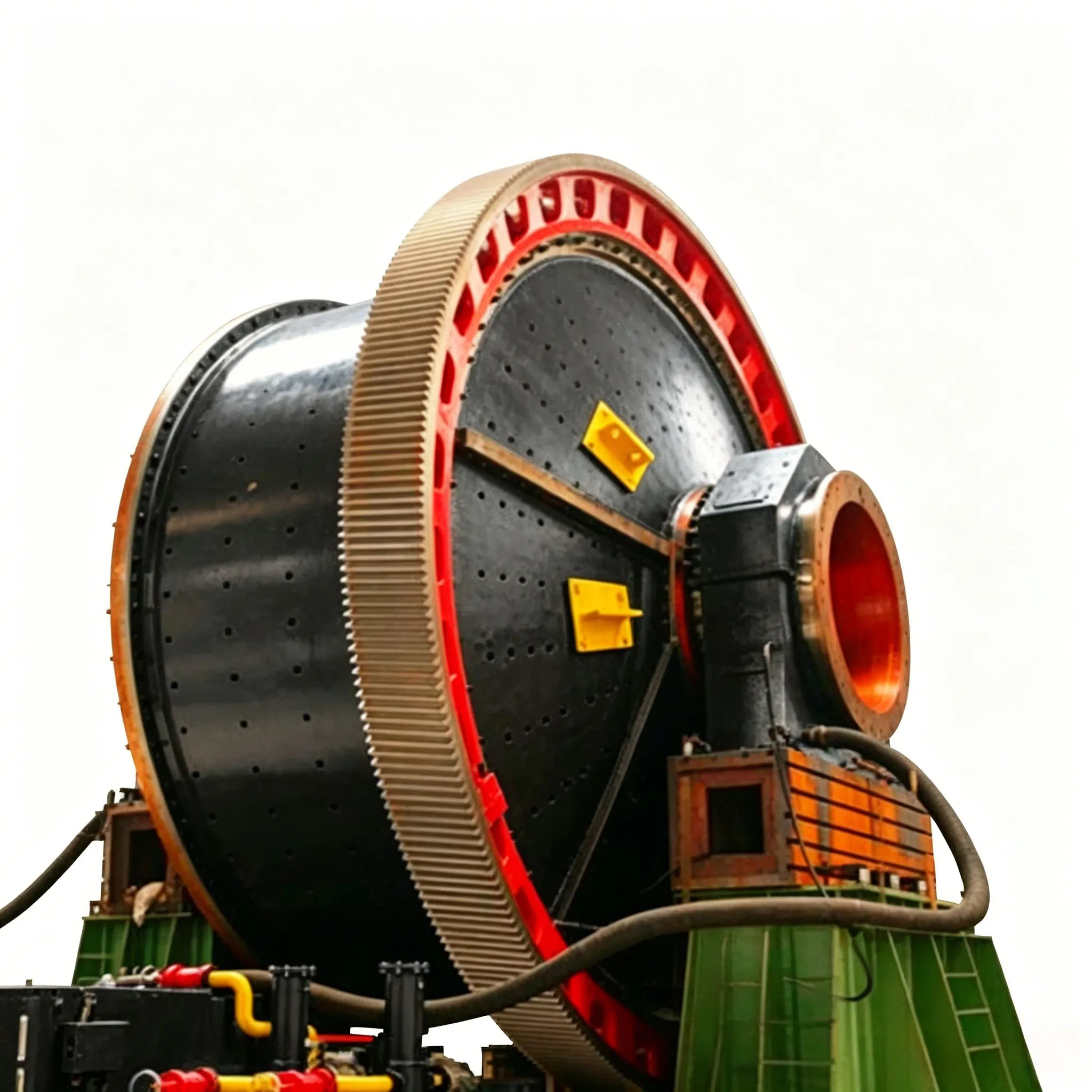
500 tons/day using φ2100×3000 type, approximately 350,000 RMB/unit
1000 tons/day using φ2700×3600 type, approximately 800,000 RMB/unit
The price per unit more than doubles, not a linear increase.
The most common pitfall: Mining capacity cannot keep up with the processing plant scale, resulting in long-term low-load operation and higher amortized costs. Determine the scale based on actual mining capacity; avoid over-expansion.
III. Process Routes
Based on a daily processing capacity of 1000 tons, a comparison of three mainstream processes is as follows:
Gravity Separation: Suitable for coarse-grained gold; equipment cost approximately 2-3.5 million RMB, total plant cost approximately 5-8 million RMB.
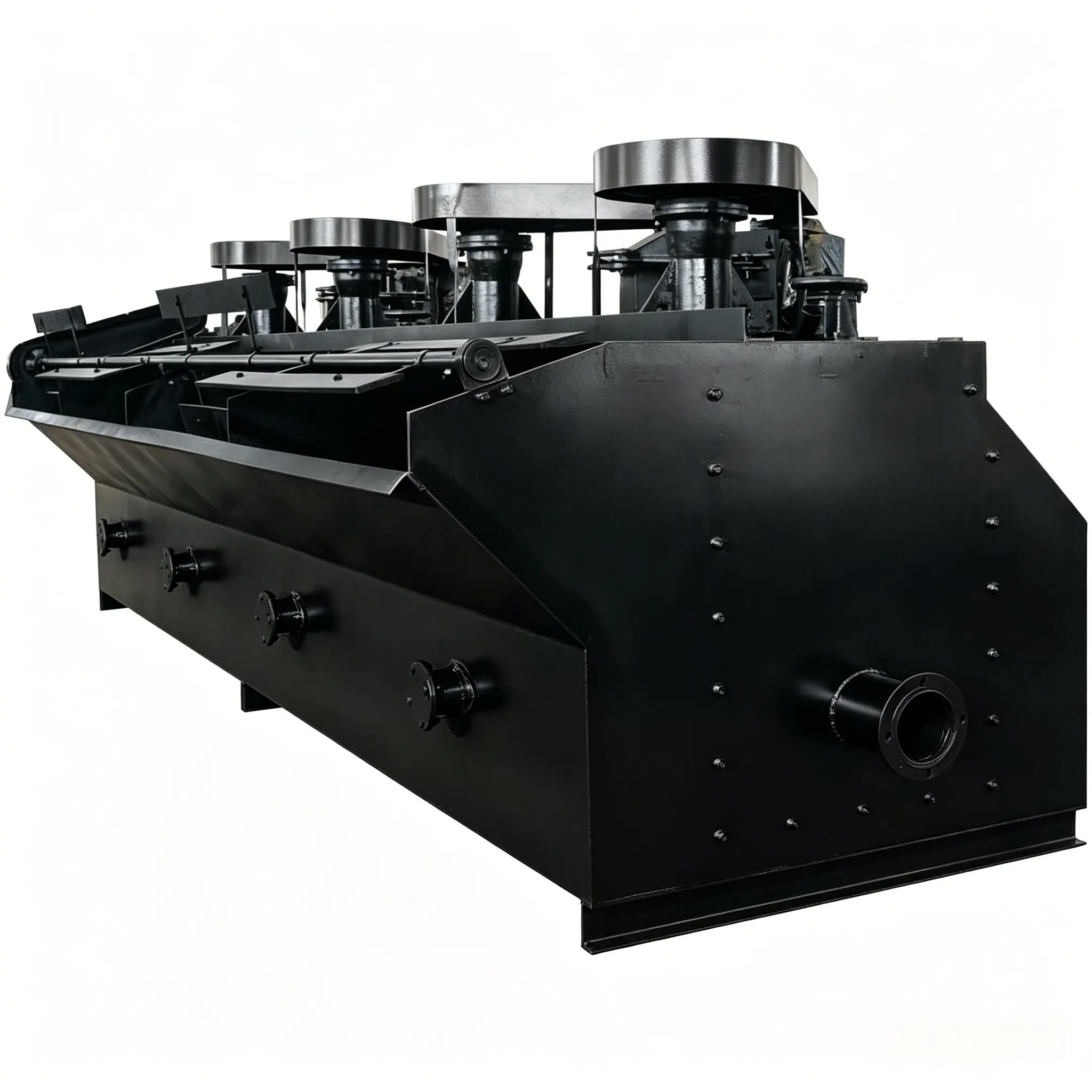
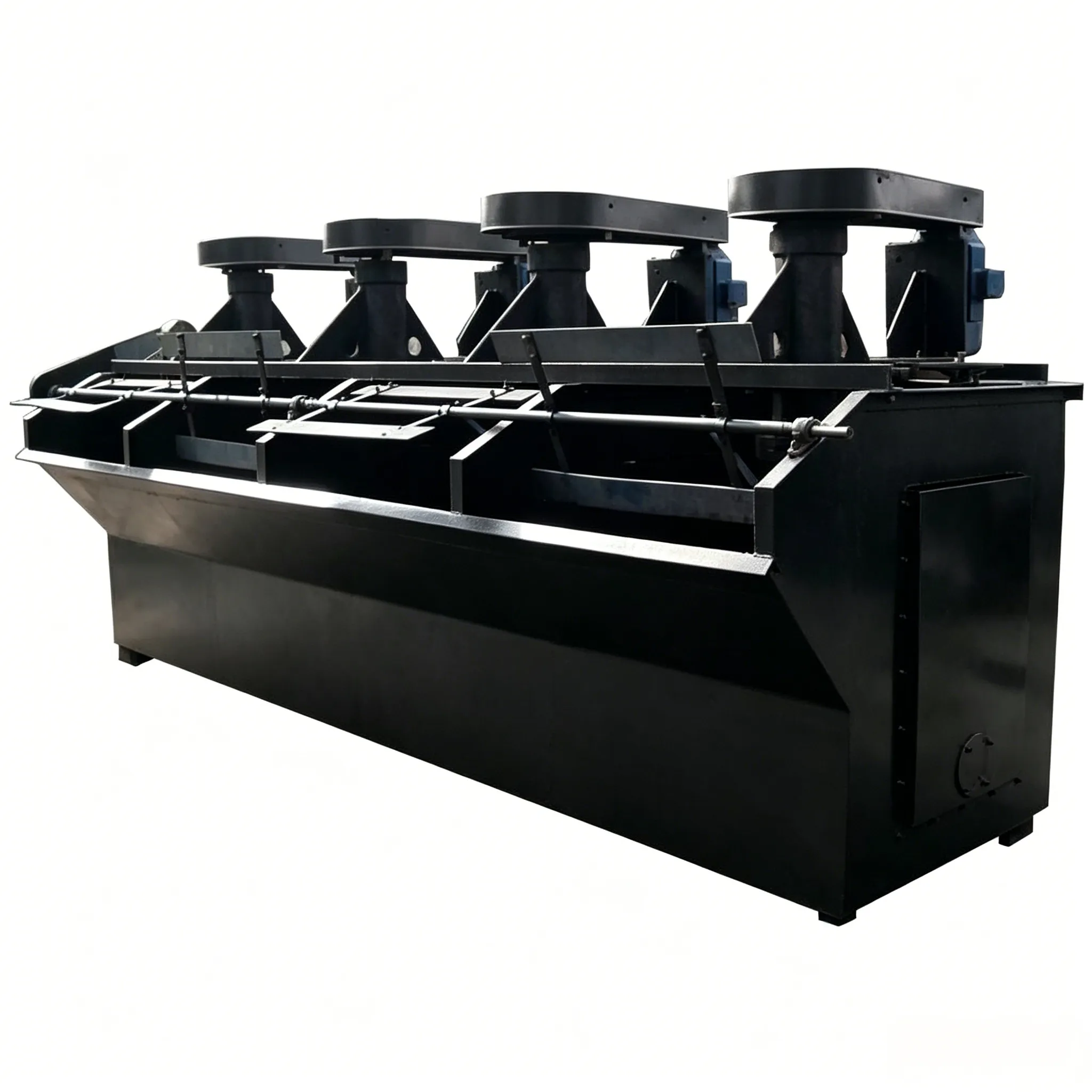
Flotation: Suitable for gold associated with sulfide ores; equipment cost approximately 3-5 million RMB, total plant cost approximately 7-12 million RMB.
Chemical-In-Pulp (CIP) Cyanide Process: Suitable for oxide ores and low-grade gold; equipment cost approximately 4-6.8 million RMB, total plant cost approximately 8-15 million RMB.
For the same scale, different processes can result in a maximum equipment cost difference of approximately 3 million RMB.
The process was determined during the pilot-scale testing phase, not the lowest price quoted by the manufacturer. Choosing the wrong process will render the purchased equipment unusable.
IV. Automation Level
Basic Power Distribution (Manual): Lowest investment, saving 300,000-500,000 RMB, but requires 6-8 people per shift, resulting in high labor costs.
Semi-Automatic PLC: Additional investment of 300,000-500,000 RMB, 4 people per shift, annual labor savings of 500,000-800,000 RMB, payback period of 2 years.
Fully Automatic DCS: Additional investment of 800,000-1,500,000 RMB, 2 people per shift, annual labor savings of 1,000,000+ RMB, payback period of 3 years.
V. Construction Location
Mining Concentration Areas (Henan/Shandong): Convenient logistics. I. Civil Engineering Standards
Remote mountainous areas (Xinjiang/Tibet): Equipment transportation costs are 200,000-500,000 RMB higher; civil engineering costs account for 10%-20% more; self-built substations cost an additional 300,000-800,000 RMB.
VI. Two Often Overlooked Items
Tailorings Dam: Medium-sized (capacity 1-2 million cubic meters) construction costs approximately 1-5 million RMB. Failure to budget separately will inevitably lead to overspending.
Trial Production Period: 3-6 months of commissioning; actual costs are 30%-50% higher than normal production. This cost should be budgeted in advance.