Advantages of Using Raymond Mill over Ball Mill in Powder Production

Advantages of Using Raymond Mill over Ball Mill in Powder Production

Raymond mills offer several significant advantages over ball mills in powder production, particularly when processing soft to medium-hard, non-metallic materials. Below is a detailed explanation with specific examples.


1. Higher Energy Efficiency

Raymond mills are considerably more energy-efficient. Their unique vertical structure and rolling-grinding principle consume far less power per ton of material processed.

  • Quantitative Advantage: The energy consumption of a Raymond mill is reduced by about 30%–50% compared to a ball mill. Some sources indicate savings can reach up to 30%–40%.
  • Specific Example (Limestone Grinding): A cement company comparison showed that when processing limestone, a ball mill consumed 28 kWh per ton, while a Raymond mill required only 18 kWh per ton.
  • Specific Example (Building Materials Factory): A building materials factory initially used a ball mill to process 80-mesh limestone, consuming a high 120 kWh per ton. After switching to a Raymond mill, the power consumption dropped to just 70 kWh per ton, saving the factory over 30,000 RMB per month in electricity costs.

2. Superior and More Uniform Product Fineness

Raymond mills are designed to produce finer, more consistent powder with a narrower particle size distribution.

  • Fineness Range: Raymond mills can produce powder ranging from 80 to 800 mesh (0.18–0.015 mm). The proportion of fine powder often exceeds 90%.
  • Uniformity: The integrated classifier system ensures precise control over particle size, resulting in a sieve passing rate of 99%, a level of uniformity that is difficult for ball mills to achieve. Ball mills are more prone to over-grinding and produce a wider particle size distribution.
  • Specific Example (Ceramic Raw Materials): In the preparation of special ceramic raw materials, the particle size control accuracy of a Raymond mill can improve the sintering performance of the final product by more than 15%.

3. Compact Design and Smaller Footprint

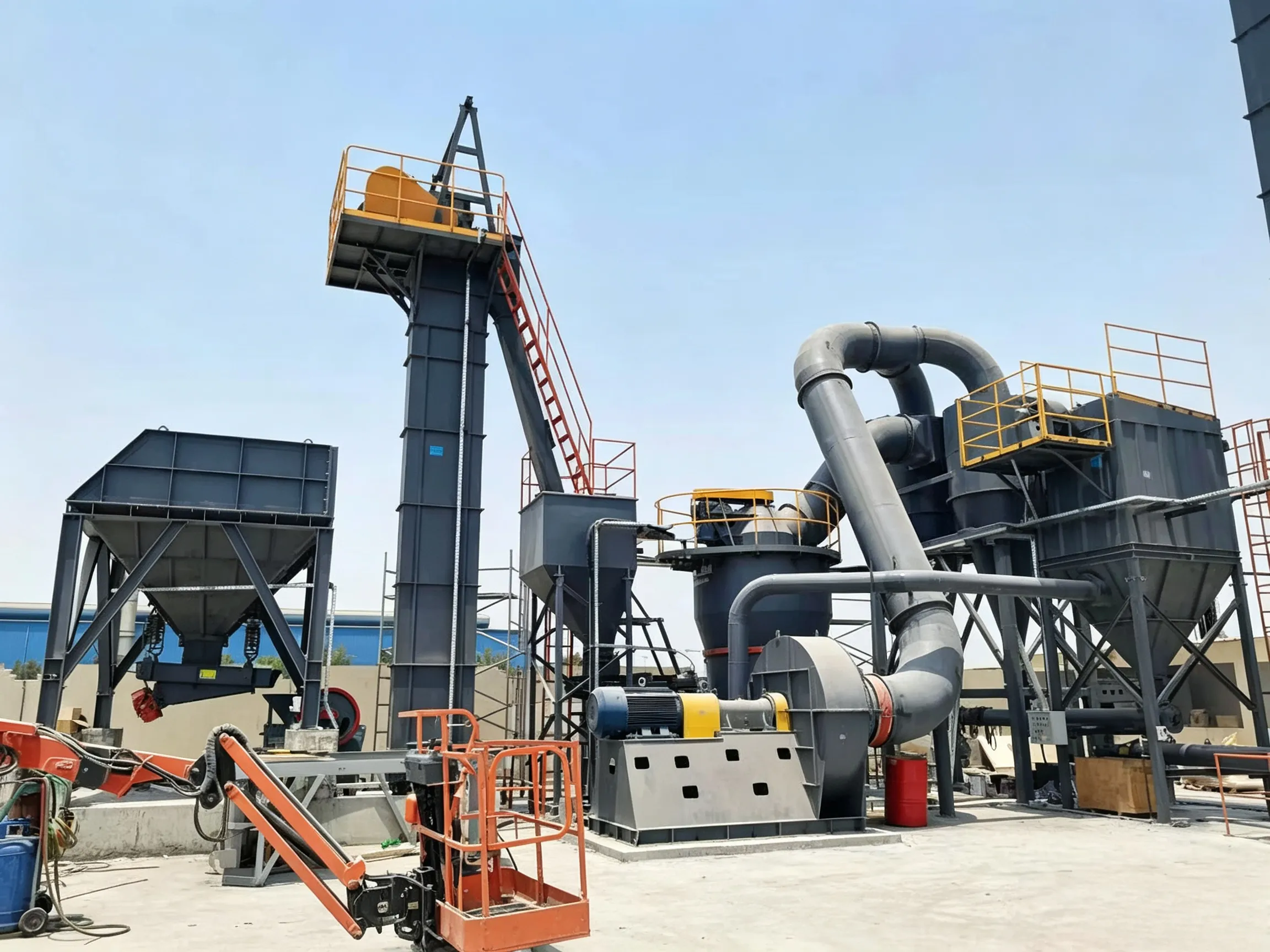
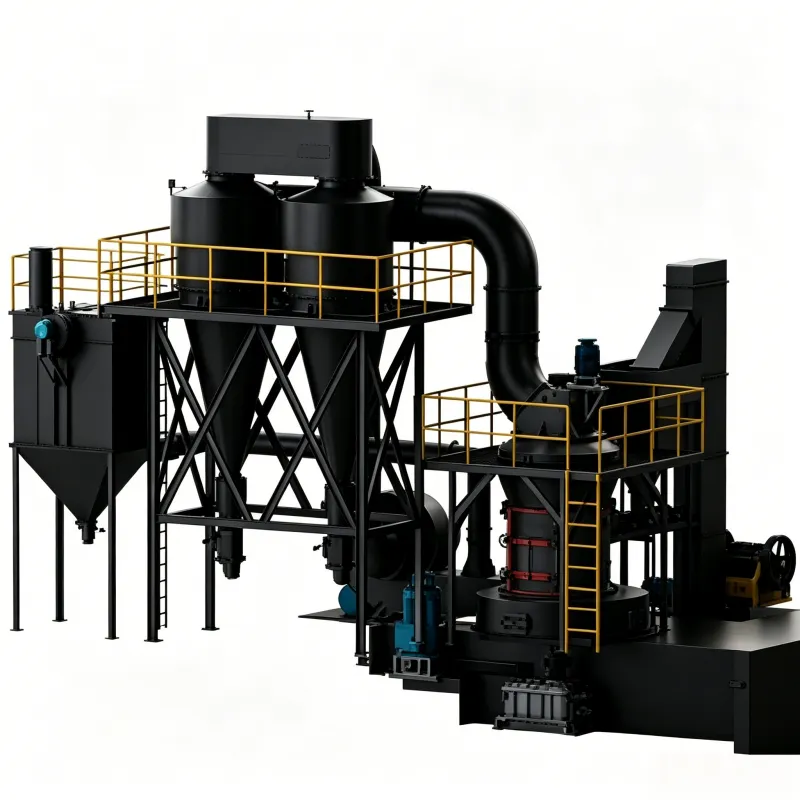
Raymond mills feature a vertical, integrated design that combines crushing, drying, grinding, and classifying into one unit.

  • Space Savings: Their footprint is significantly smaller. A Raymond mill can reduce floor space by up to 40%–50% compared to a ball mill.
  • Specific Example: While a ball mill setup may require about 200 m² (including auxiliary equipment), a Raymond mill with comparable capacity needs only about 80 m².

4. Lower Noise and Better Environmental Performance

Raymond mills operate more quietly and are more environmentally friendly.

  • Noise Levels: A ball mill’s noise often exceeds 90 dB, while a Raymond mill’s working noise is typically controlled within 75 dB.
  • Dust Control: Raymond mills operate in a closed-circuit system under negative pressure, which effectively controls dust emissions and makes them easier to pass environmental inspections.

5. Better Suited for Heat-Sensitive and Moist Materials

The Raymond mill’s design allows for efficient simultaneous grinding and drying with hot air, making it a great choice for materials that are sensitive to heat or have higher moisture content.

6. Lower Operating and Maintenance Costs

While the initial investment for a Raymond mill is also lower (about 30% less than a ball mill of similar capacity), the ongoing costs are notably reduced.

  • Maintenance Costs: The annual maintenance cost for a Raymond mill is about 40,000–60,000 RMB, compared to 80,000–100,000 RMB for a ball mill.
  • Grinding Media Wear: Raymond mills use grinding rollers and rings that typically last 6–8 months with high-chromium alloy materials. Ball mills require frequent replacement of steel balls and liners (every 3 months).

Summary Table: Raymond Mill vs. Ball Mill

FeatureRaymond MillBall Mill
Energy Consumption30%–50% lowerHigh (e.g., 28 kWh/ton for limestone)
Product Fineness80–800 mesh, >90% fine powder, uniform80–400 mesh, wider distribution
Footprint~40% of ball mill’s areaLarge horizontal structure
Noise Level<75 dB>90 dB
Maintenance CostLower (~40,000–60,000 RMB/year)Higher (~80,000–100,000 RMB/year)
Best ForSoft to medium-hard, non-metallic minerals (Mohs <7), dry grindingHard, abrasive materials, wet grinding, large-scale production

When to Choose Which?

  • Choose a Raymond mill when processing non-metallic minerals like limestone, gypsum, barite, calcite, or talc for small to medium-scale production (1–80 t/h) with fineness requirements between 80 and 400 mesh, especially when energy efficiency, environmental compliance, and space are concerns.
  • Choose a ball mill when processing hard, abrasive ores (Mohs hardness up to 9) for large-scale, continuous production (over 40 t/h), or when ultra-fine powder (above 400 mesh) or wet grinding is required

You may also like these products

Spiral Chute

Spiral Chute

Spiral Chute – High-Efficiency, Low-Cost Gravity Concentrator Product Overview The spiral chute…
Briquette Machine

Briquette Machine

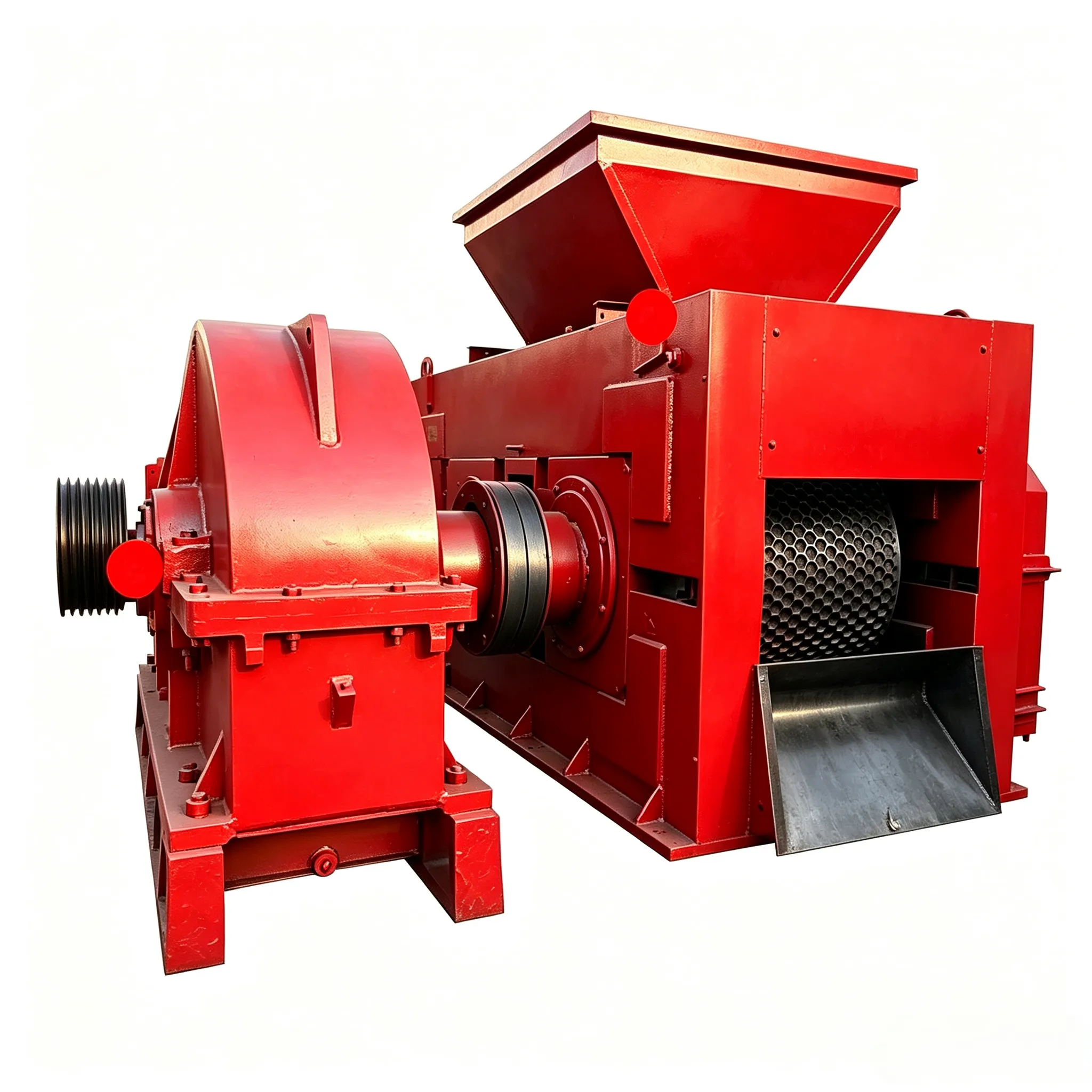
Product Overview Briquette machines are industrial equipment designed to compress powdery or…
GF flotation machine

GF flotation machine

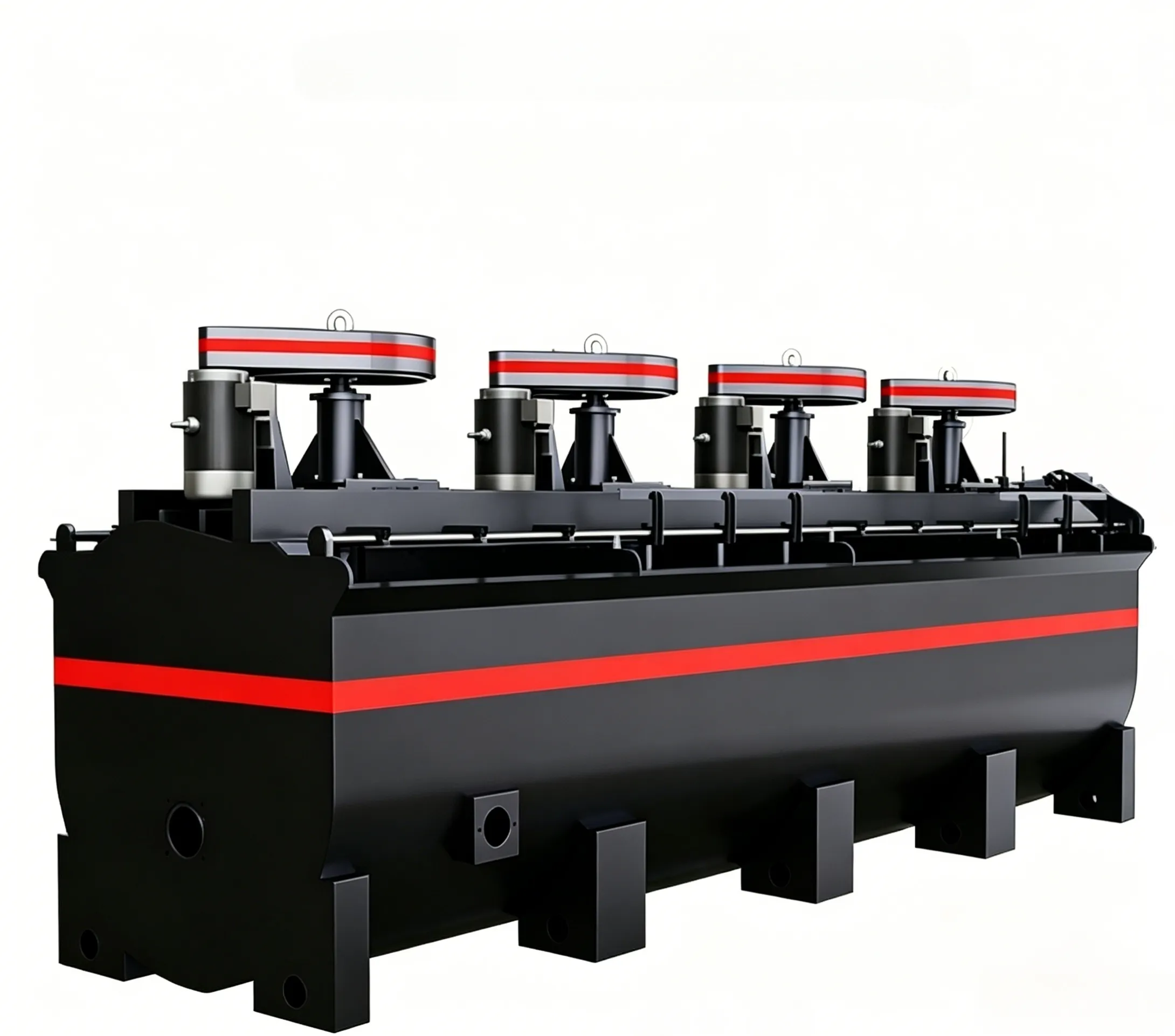
GF flotation machine This flotation machine is designed for coarse particles and…
KX Raymond Mill

KX Raymond Mill

Introduction to Raymond Mill The Kx Raymond Mill is a core product…
Centrifugal Concentrator

Centrifugal Concentrator

Centrifugal Concentrator – High-Efficiency Fine-Particle Gravity Concentrator Product Overview The centrifugal concentrator…
Dry Ball Mill

Dry Ball Mill

1. Product Overview The dry ball mill is a key piece of…
Copyright © 2026 Oreprocessings. All Rights Reserved.