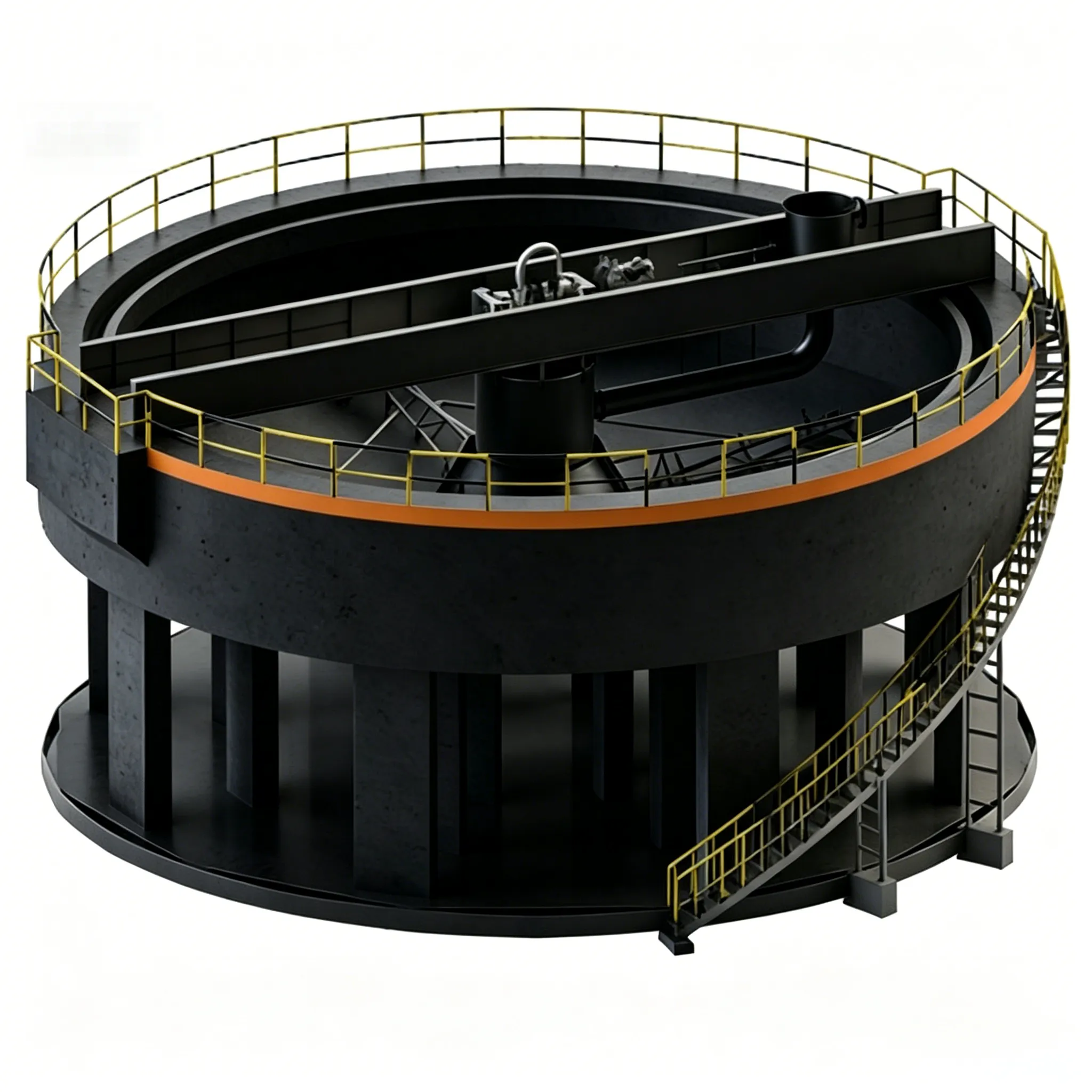
Center-Drive Thickener
Center-Drive Thickener Currently, the center-drive thickeners produced in China are relatively small…


This solution is designed for talc (Mohs hardness 1, excellent grindability) using a Raymond mill production line with a capacity of 10 tons per hour (10 TPH). Talc is naturally soft and readily grindable, making it one of the most suitable materials for Raymond mills.
The required fineness of talc powder varies by application: plastic fillers typically require about 400 mesh, coatings often demand 800 mesh or finer, and cosmetic grades need ≥800 mesh. This solution is designed for a general‑purpose fineness of 400 mesh (D97) , and the classifier speed can be adjusted to produce different mesh sizes as needed.
| Item | Requirement / Parameter |
|---|---|
| Raw material | Talc ore, lump size ≤30 mm |
| Moisture content | ≤6 % (talc naturally has low moisture, usually meets this) |
| Finished fineness | 400 mesh (D97), adjustable from 80 to 400 mesh |
| Output | ≥10 t/h |
| Power supply | 3‑phase 380 V / 50 Hz; total installed power about 350‑450 kW |
To achieve a 10 t/h output, the following options are available:
| Model | Capacity | Feed Size | Fineness Range | Remarks |
|---|---|---|---|---|
| T145 Raymond Mill | 8‑15 t/h | ≤30 mm | 40‑400 mesh | Recommended – sufficient margin for 10 tph |
| T130 Raymond Mill | 6‑10 t/h | ≤25 mm | 40‑400 mesh | Barely meets target – not recommended (no margin) |
| 5R / 6R large Raymond mill | 5‑20 t/h | ≤30 mm | 80‑400 mesh | Alternative option |
Recommendation: T145 Raymond mill with a capacity of 8‑15 t/h can comfortably meet the 10 tph requirement, leaving a margin for raw material variations.
Special note: Some sources indicate that for talc powder projects requiring >10 T/H, a vertical roller mill may offer better overall benefits. If budget permits and energy efficiency / environmental requirements are high, an LM‑series vertical roller mill (capacity 10‑40 T/H) could be considered. This solution is based on a traditional Raymond mill for reference and comparison.
| No. | Equipment | Qty | Function |
|---|---|---|---|
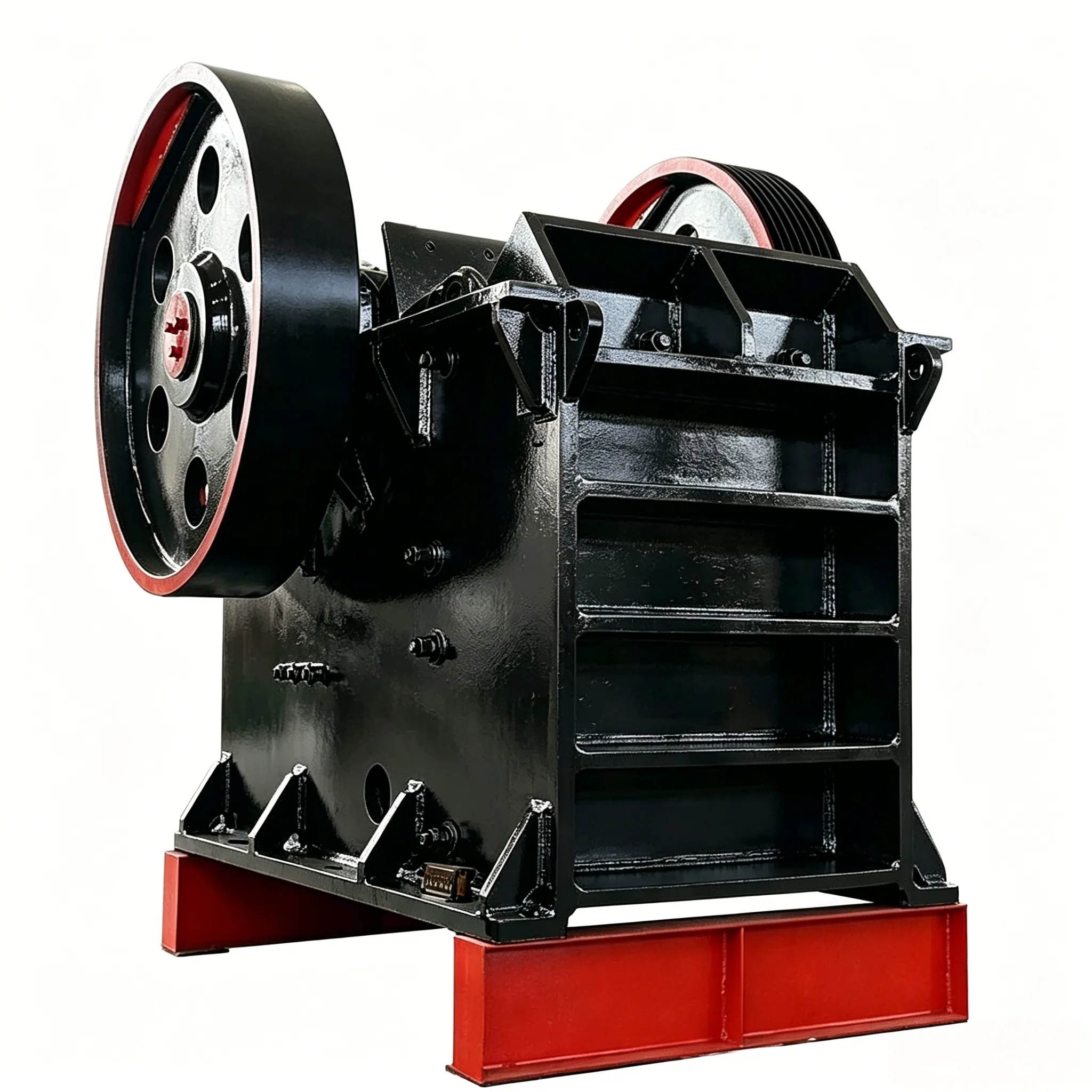
| 1 | Jaw crusher | 1 | Crush large talc lumps to ≤30 mm |
| 2 | Bucket elevator | 1 | Feed crushed material to storage bin |
| 3 | Storage bin | 1 | Buffer material to ensure continuous feeding |
| 4 | Electromagnetic vibrating feeder | 1 | Uniform and quantitative feeding to the mill |
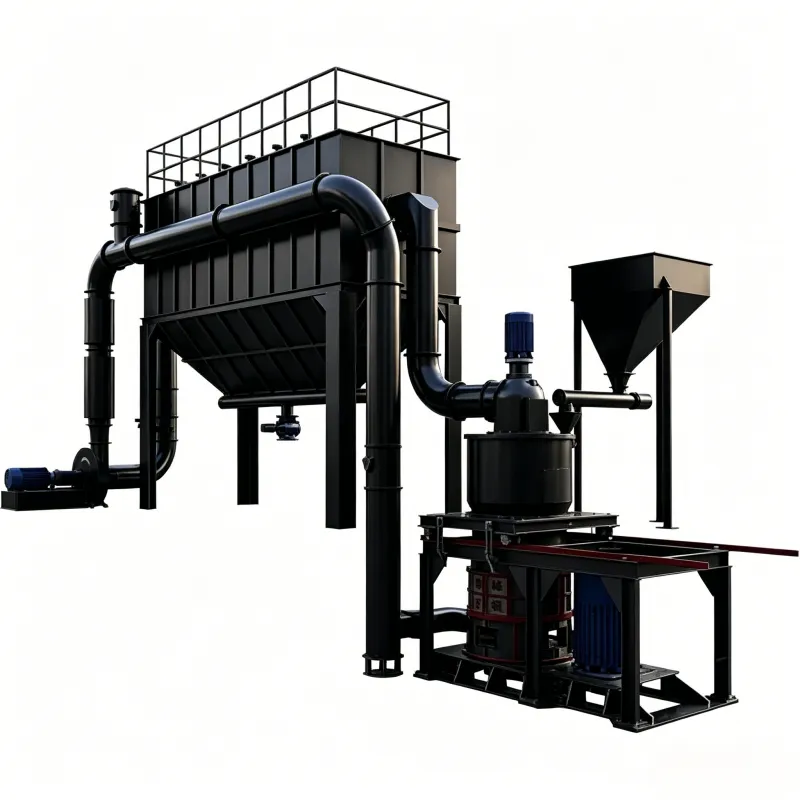
| 5 | T145 Raymond mill (main unit) | 1 | Core grinding equipment (grinding rollers, ring, shovel blades, etc.) |
| 6 | Air classifier | 1 | Control finished product fineness |
| 7 | Blower fan | 1 | Provide air flow to transport powder |
| 8 | Cyclone collector | 1‑2 | Collect finished powder |
| 9 | Pulse bag filter | 1 set | Exhaust gas purification for environmental compliance |
| 10 | Electrical control system | 1 set | Centralised control; can be operated unattended |
| 11 | Packing machine (optional) | 1 | Automatic packing of finished product |
Talc ore → Jaw crusher (primary crushing) → Bucket elevator → Storage bin →
Electromagnetic vibrating feeder → Raymond mill (grinding) → Air‑borne powder →
Air classifier (classification) →
    ├─ Coarse powder → returned to grinding chamber for re‑grinding
    └─ Qualified fine powder → Cyclone collector → Finished powder discharge → Packing & storage
         ↓
    Pulse bag filter (cleaning exhaust before discharge)
(1) Crushing: Raw talc lumps (≤300 mm) are crushed by a jaw crusher to ≤30 mm to meet the mill feed requirement.
(2) Feeding: The crushed talc is lifted by a bucket elevator to the storage bin, and then fed uniformly, quantitatively and continuously into the grinding chamber via an electromagnetic vibrating feeder. Uniform feeding is critical to ensuring output and product quality.
(3) Grinding: The grinding rollers press tightly against the grinding ring under centrifugal force. The shovel blades pick up the material and feed it between the rollers and the ring, where the talc is pulverised by compression and shearing. Talc has a Mohs hardness of only 1, making it extremely easy to grind.
(4) Classification: The ground powder is carried upward by the air stream from the blower and enters the air classifier. Qualified fine powder (400 mesh) passes through the classifier to the cyclone collector; unqualified coarse powder is returned to the grinding chamber for re‑grinding. By adjusting the classifier speed, the finished fineness can be freely controlled within the range of 80‑400 mesh.
(5) Collection: The qualified fine powder is collected by the cyclone separator and discharged from the outlet. The exhaust gas is purified by a pulse bag filter before being released into the atmosphere, achieving environmentally compliant production.
Talc powder possesses good electrical insulation, heat resistance, chemical stability, lubricity, oil absorption, hiding power and machinability. Different fineness grades are used in different fields.
| Application | Main Uses | Recommended Fineness |
|---|---|---|
| Plastics | Functional filler for PP, nylon, PVC, PE, etc. | Around 400 mesh |
| Coatings / Paints | Extender and filler for water‑based, oil‑based and resin coatings | ≥800 mesh |
| Paper | Filler for paper and paperboard, coating pigment for art paper; improves gloss and ink receptivity | Ultra‑fine |
| Rubber / Cables | Filler for rubber, anti‑sticking agent, reinforcing agent and release agent for cable compounds | 325‑1250 mesh |
| Ceramics | Raw material and glaze for electrical porcelain, radio ceramics, building ceramics, daily ceramics | 325‑800 mesh |
| Cosmetics | Body powder, facial powder, talcum powder, etc. | ≥800 mesh |
| Pharmaceuticals / Food | Tablet excipient, food additive, release agent, etc. | Ultra‑fine |
| Others | Carrier for pesticides/fertilizers, waterproofing materials, textile lubricants, mould release agents, etc. | Depends on use |
(1) Plastics Industry (primary target market for this solution)
Talc is an important functional filler for plastics, featuring a unique lamellar (plate‑like) structure. Adding talc to plastics can:
It is especially widely used in polypropylene (PP) modification systems and is an important filler for automotive components. It can also be used as a reinforcing filler in PVC.
(2) Coatings Industry
Talc powder disperses well in both polar and non‑polar matrices, has chemical inertness and high oil absorption. Ultra‑fine modified talc can significantly improve the corrosion resistance of coatings, and can partially replace more expensive matting agents to reduce formulation costs.
(3) Paper Industry
Talc improves paper gloss, ink receptivity, opacity and printability.
(4) Ceramics and Refractories
As a ceramic ingredient, it effectively controls the thermal expansion of the body; as a glaze ingredient, it provides an inexpensive source of magnesium oxide.
| Control Point | Content | Method |
|---|---|---|
| Raw material | Lump size ≤30 mm, moisture ≤6 % | Sieving, moisture testing |
| Feeding | Uniform and continuous | Adjust electromagnetic vibrating feeder |
| Fineness | 400 mesh (D97) | Adjust classifier speed |
| Whiteness | ≥90 % | Raw material selection + process control |
| Item | Estimate |
|---|---|
| Total equipment investment | About RMB 0.8‑1.5 million (complete set, varies by brand and configuration) |
| Installed power | About 350‑450 kW |
| Floor area | About 200‑300 m² (compact vertical structure) |
| Operators | 2‑3 persons per shift |
| Product selling price (400‑mesh talc) | About RMB 600‑1,200 / tonne (depending on whiteness and purity) |
| Annual output value (based on 10 t/h, 300 days/year, 16 h/day) | About 28,800‑57,600 tonnes × selling price |