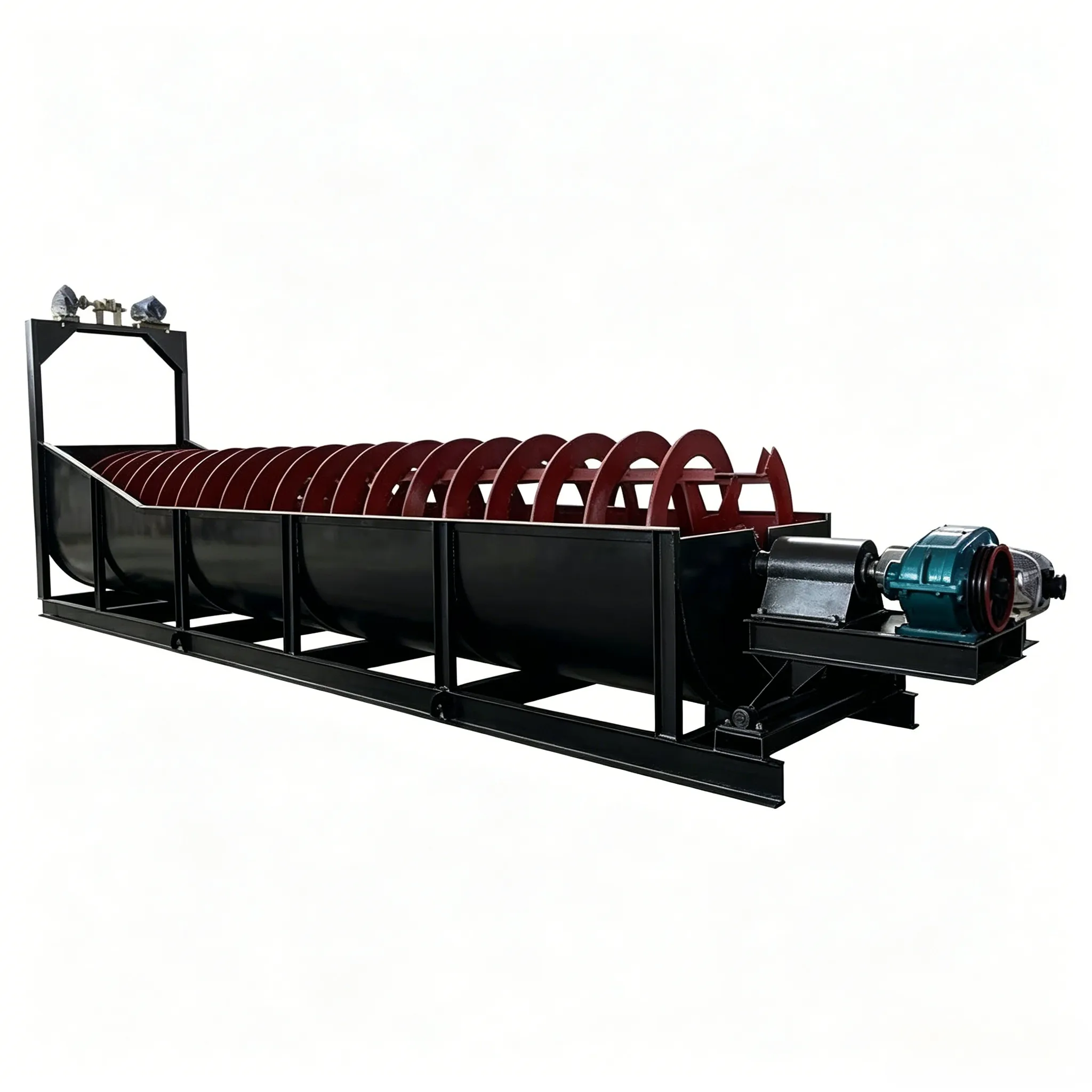
Spiral Classifier
Working Principle of Spiral Classifier The pulp discharged from the grinding mill…

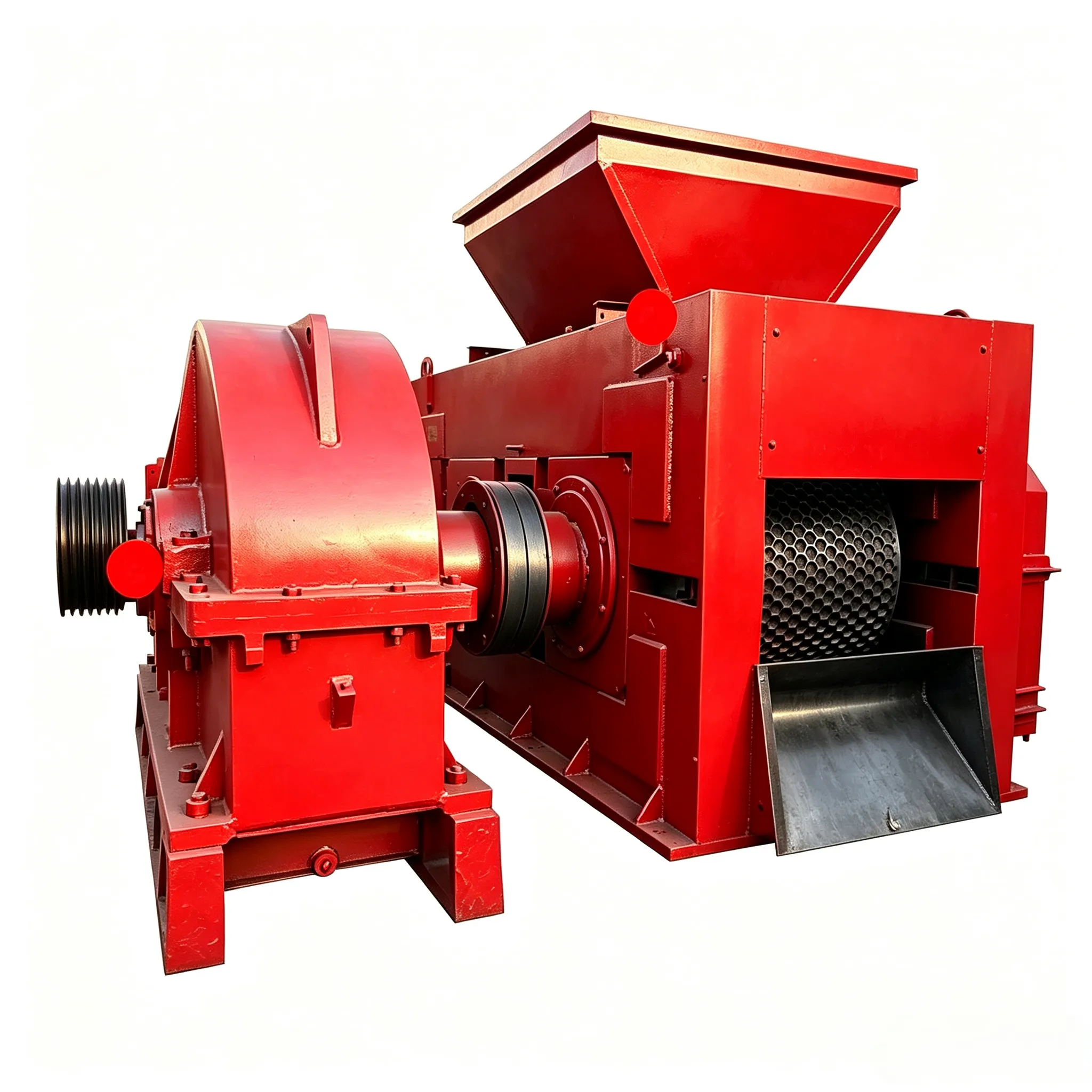
A hammer mill is a high-speed impact crushing equipment. It relies on high-speed rotating hammer heads to strike, impact, shear and grind materials to achieve crushing and coarse powder making. It is mostly used for medium-coarse crushing and preliminary pulverization of materials.
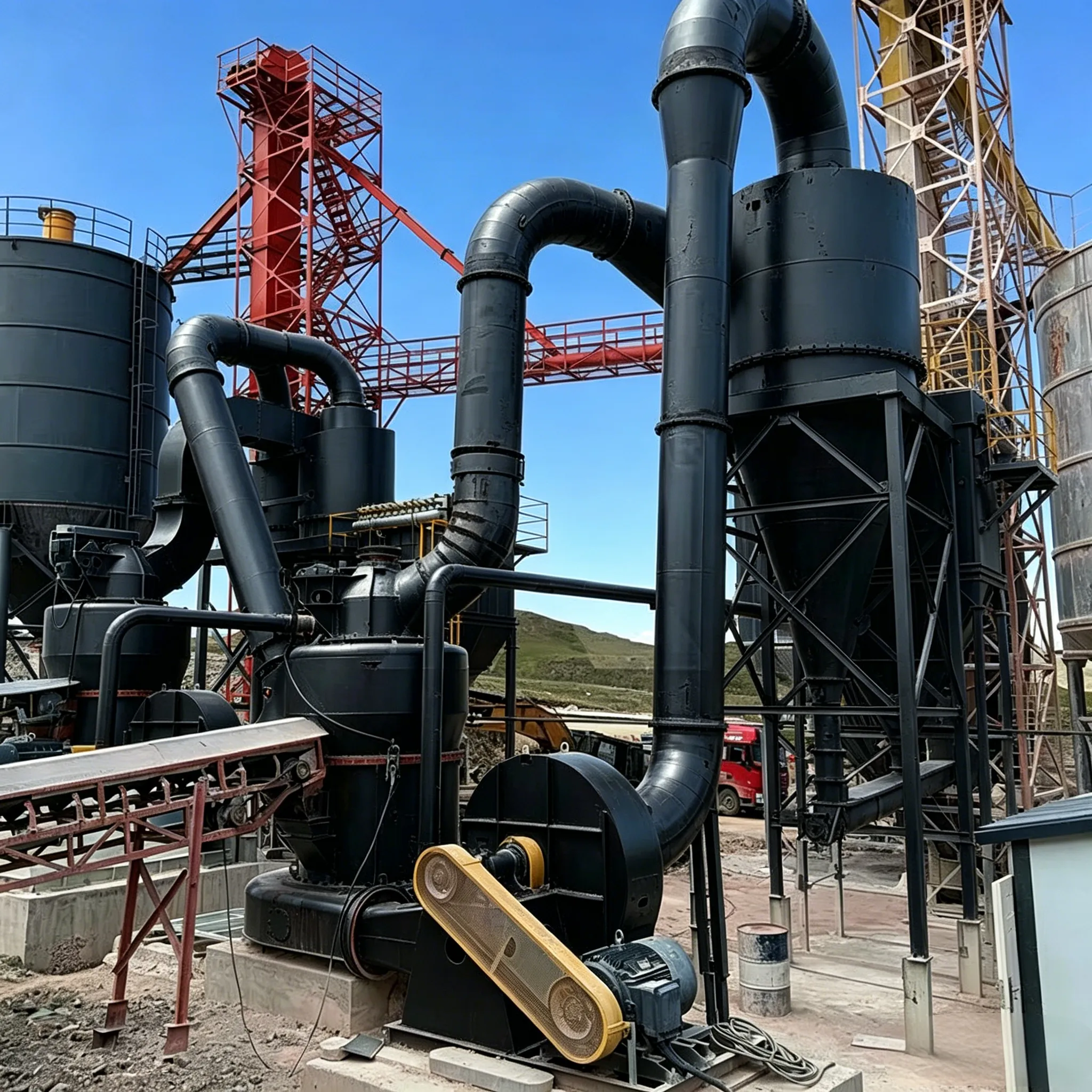
Raymond mill is a traditional roller-type ultra-fine grinding equipment. It uses the centrifugal force of the rotating grinding roller to squeeze and grind materials repeatedly between the grinding roller and grinding ring, equipped with built-in classifier to control powder fineness, mainly used for fine powder processing of various non-metallic ores.
Used as primary crushing equipment before fine grinding. For example, crush large limestone, coal, gypsum into small particles below 10mm, then send materials into raymond mill for fine powder making, which can improve grinding efficiency and protect the grinding roller of raymond mill.
Crush corn stalks, wood chips, branches, grain, feed raw materials, straw, peanut shells into granular feed or biomass fuel particles.
Crush waste bricks, concrete blocks, asphalt into recycled aggregate for road backfilling, foundation filler, low-grade building recycled materials, no strict requirement on particle shape and fineness.
Produce coal powder for boiler combustion, gypsum coarse powder for construction plaster, only need coarse granular materials without high fineness requirements.
With compact structure and convenient movement, it is widely used in temporary road construction, rural waste recycling, small mining scattered raw material crushing.
Produce industrial fine powder of calcite, talc, barite, marble, kaolin, bentonite:
Produce gypsum powder, heavy calcium carbonate powder, dolomite powder for cement additives, chemical fillers, water treatment raw materials, requiring uniform powder fineness and stable quality.
Matched with jaw crusher, hammer mill for complete powder production line: raw ore → jaw crusher coarse crushing → hammer mill fine crushing → raymond mill fine grinding → finished powder.
Process limestone into 200–325 mesh desulfurized powder for power plant flue gas treatment; grind fly ash, slag into fine powder for cement admixture.
| Comparison Dimension | Hammer Mill | Raymond Mill |
|---|---|---|
| Operating Principle | Impact crushing. High-speed rotating hammers repeatedly strike, shear, and tear the material, breaking it apart. | Grinding by rolling and pressing. Material is crushed between grinding rollers and a grinding ring through compression and friction. |
| Structural Features | Simple and compact structure, consisting of rotor, hammers, screen, etc. | Relatively complex structure – an integrated system comprising crushing, grinding, classifying, and collecting units. |
| Product Fineness | Coarser. Typically used for coarse or medium grinding, with product fineness generally around 0.5 – 3 mm (approx. 6–40 mesh). | Very fine and uniform. Product fineness is typically between 80 and 400 mesh (approx. 0.18 – 0.038 mm) and can be adjusted flexibly. |
| Applicable Materials | Medium hardness and below. Suitable for limestone, coal, slag, wood, food, feed, and similar materials. | Soft to medium-hard materials. Best suited for non‑metallic minerals with Mohs hardness below 7 and moisture content below 6%. |
| Energy Consumption | Relatively low per unit of product. | Can reduce energy consumption by 30–40% compared to ball mills. |
| Wear Parts Life | Wears faster. Hammers and screens wear significantly when processing hard materials and require frequent replacement. | Wears slower. Grinding rollers and rings are made of high‑wear‑resistant materials and have a longer service life. |


 English English
 Spanish
 Russian
 Arabic
 Swahili
 French
 Turkish
 Portuguese
 Korean
 Japanese
 German
 Italian