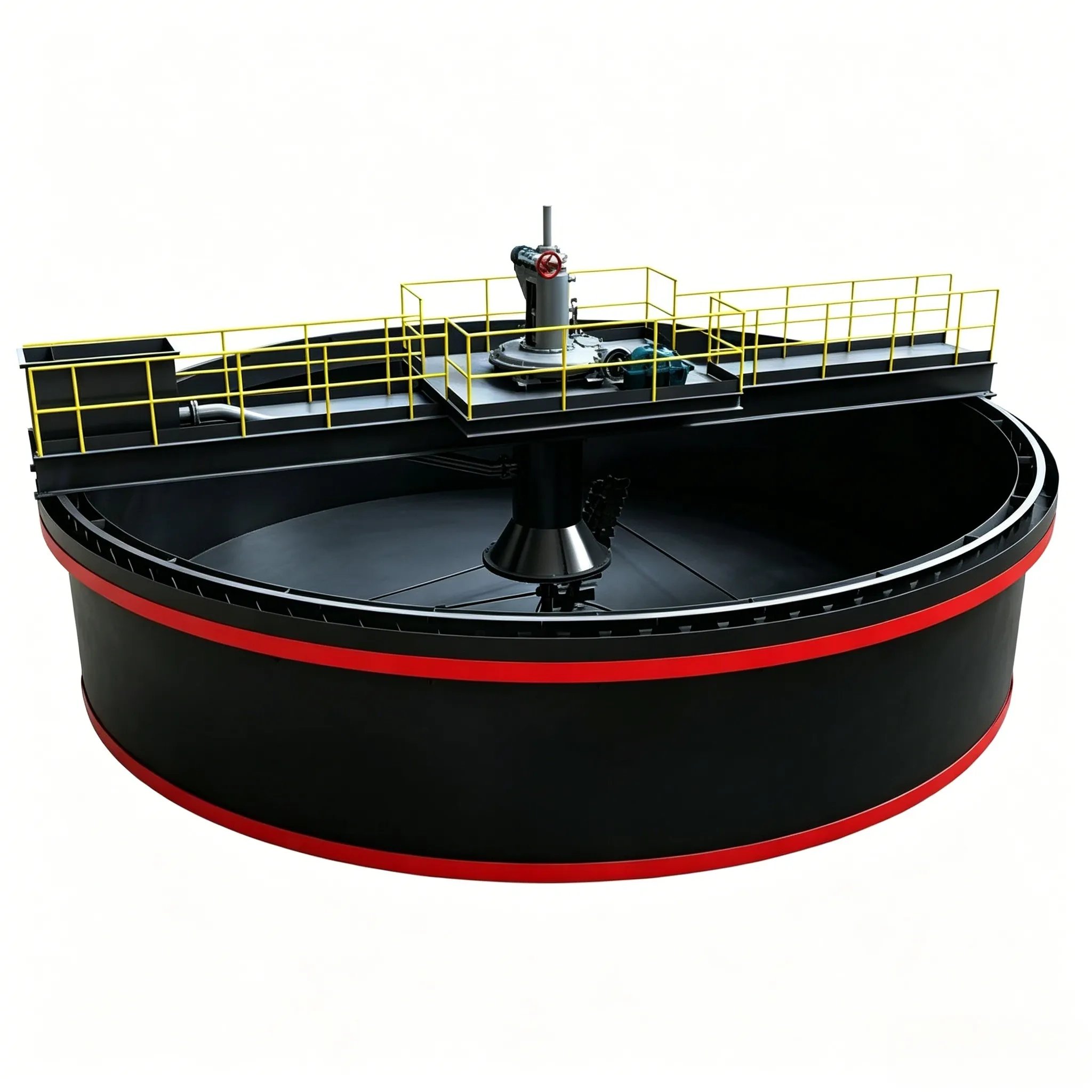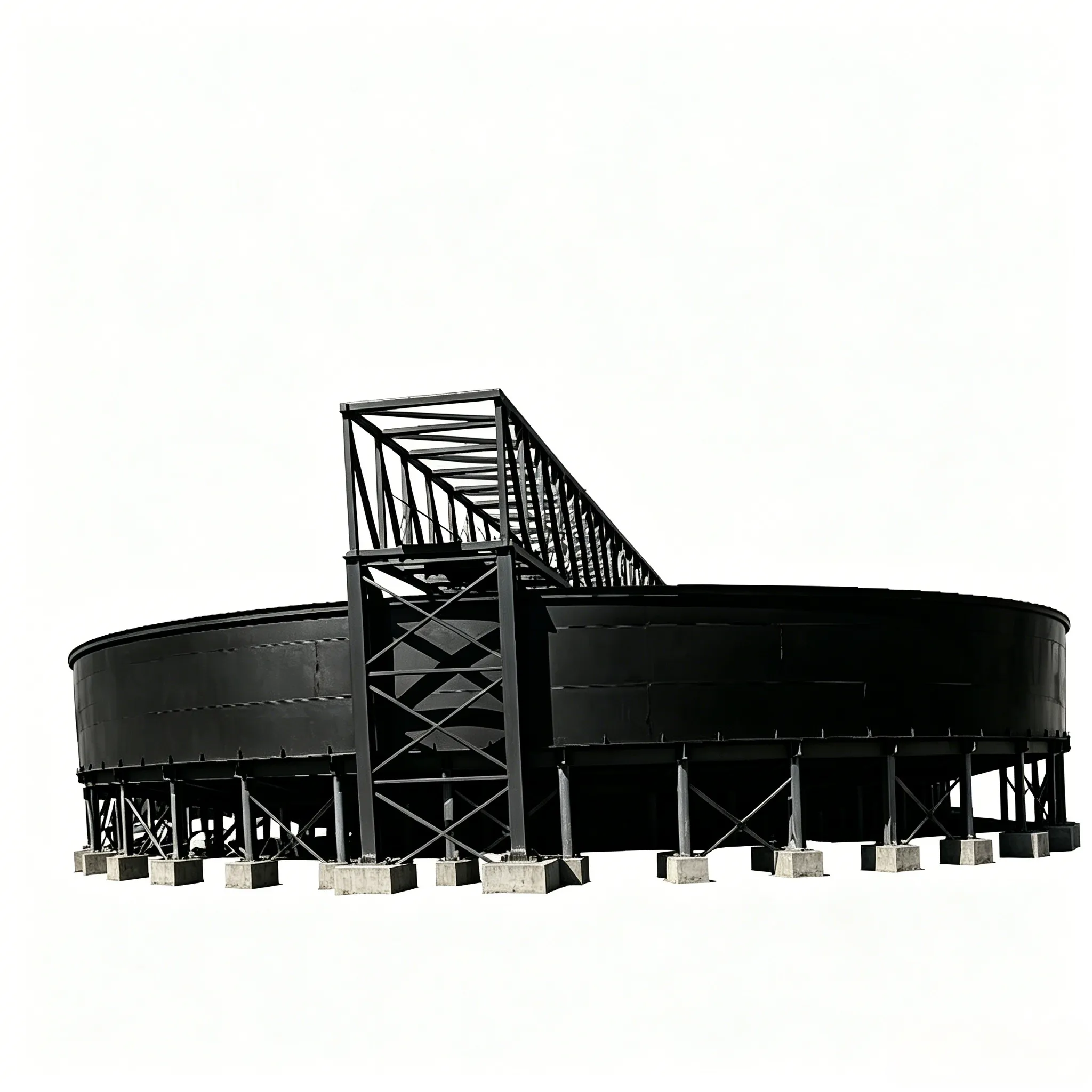
Box‑type inclined‑plate thickener
Conventional Inclined‑Plate Thickener The KMIZ(Y) series inclined‑plate thickener (clarifier) is a new…

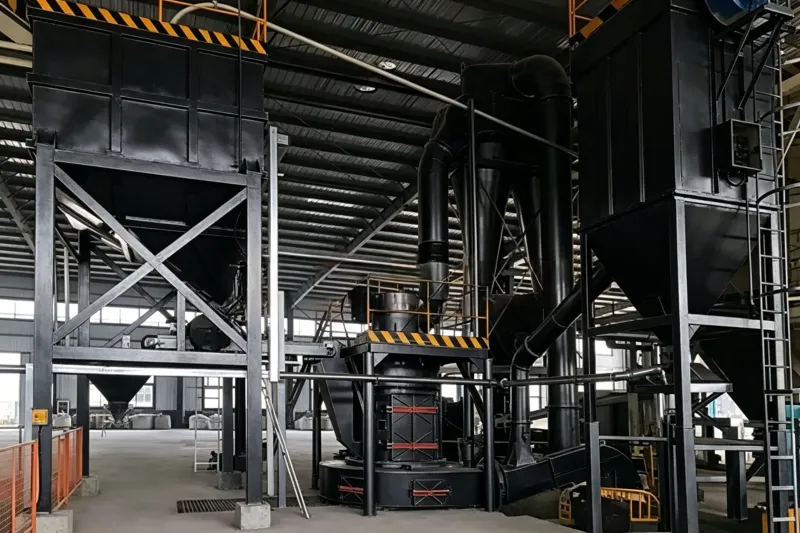
A Raymond mill, also known as a Raymond roller mill, is a type of grinding equipment widely used in industries such as mining, metallurgy, chemical engineering, building materials, and powder processing. It is designed to grind non-flammable and non-explosive materials with Mohs hardness below 7 and moisture content under 6%, producing fine powder ranging from 80 to 400 mesh (or even finer in some models).
The Raymond mill is named after its inventor, Raymond Bartlett Snow (RBS), and has been continuously improved over more than a century. Today, it remains one of the most common and versatile milling machines for medium to large-scale powder production.
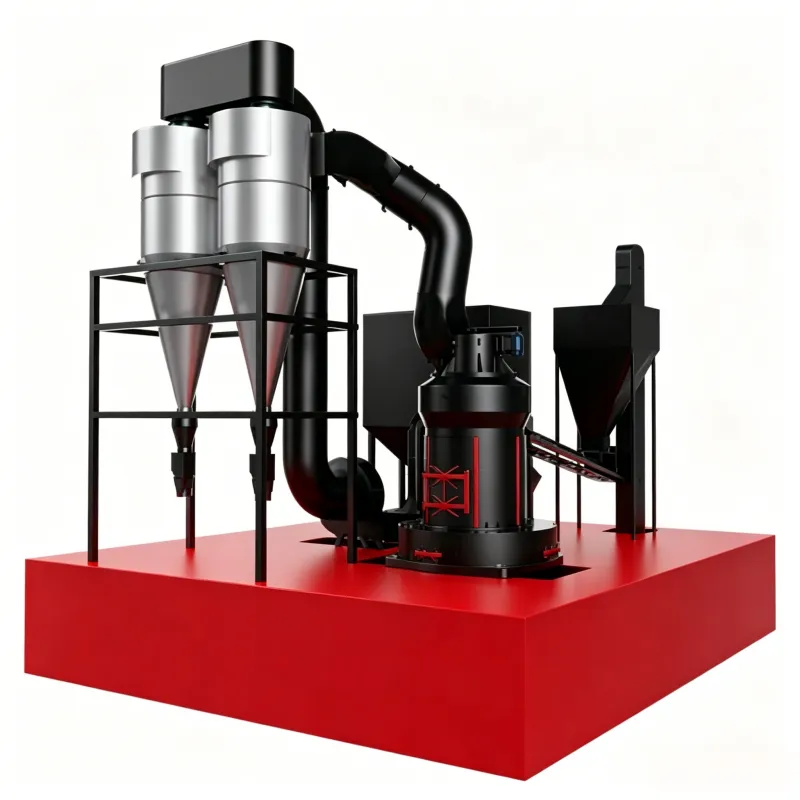
A typical Raymond mill consists of the following main components:
The working principle of a Raymond mill can be described in several sequential stages: crushing, feeding, grinding, classifying, collecting, and (in closed‑circuit systems) returning coarse material for re‑grinding.
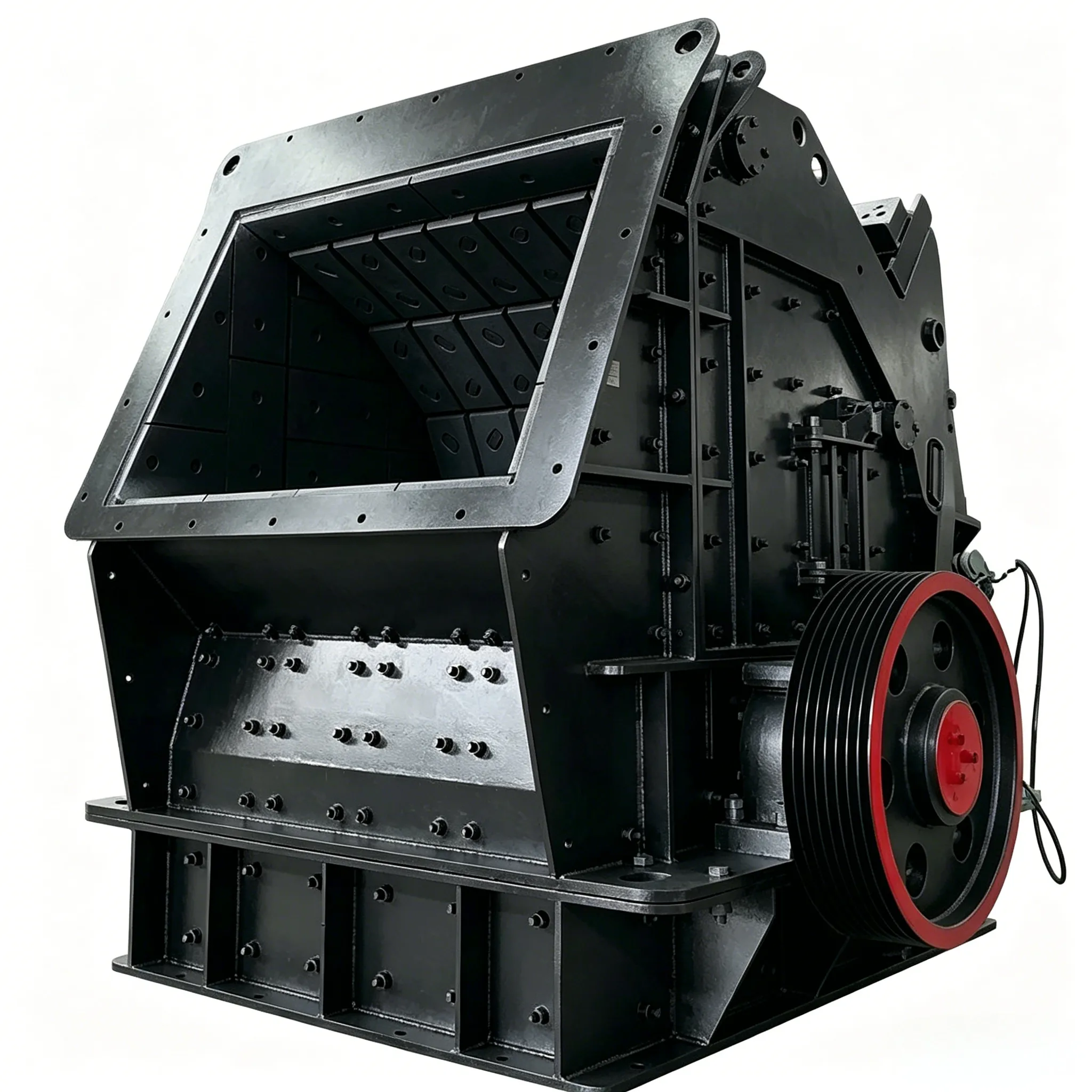
The raw material (e.g., limestone, calcite, barite, gypsum, or bentonite) is first crushed by a jaw crusher or hammer crusher to a size ≤30–35 mm (depending on the mill model). The crushed material is then lifted by a bucket elevator and fed continuously, uniformly, and quantitatively into the grinding chamber by a vibrating or screw feeder.
Inside the main grinding chamber, several grinding rollers (typically 3 to 5, but larger mills may have 4 or more) are suspended on a plummer frame. The frame rotates around a vertical central shaft driven by the main motor. As the rollers rotate, centrifugal force throws them outward against a stationary grinding ring.
After grinding, the fine powder is entrained in the upward airflow generated by the fan. The air stream carries the powder to the classifier (also called the analyzer) located at the top of the main unit.
The fine powder leaving the classifier enters a cyclone collector (or a series of cyclone collectors in parallel for large mills). Inside the cyclone, the rotating airflow forces the powder toward the wall, where it loses velocity and falls into a discharge valve, exiting as finished product. The cleaned air then moves to a pulse bag filter (baghouse) where any remaining ultra‑fine dust is captured. The final exhaust air is discharged into the atmosphere, typically with an emission concentration ≤10 mg/m³, meeting strict environmental regulations.
Most Raymond mills operate in a closed‑air circuit. After the air passes through the cyclone and bag filter, it is drawn back into the fan and recirculated into the grinding chamber. This reduces dust emission and conserves energy. Only a small portion of air is exhausted to maintain a slight negative pressure inside the system.
For heat‑sensitive or flammable materials such as carbon black, activated carbon, or sulfur, an open‑circuit Raymond mill is used. In an open‑circuit system, no classifier or return pipe is present. The material is ground in a single pass and immediately discharged. This shortens the residence time inside the grinding chamber, minimizing temperature rise and eliminating the risk of over‑grinding or combustion. Open‑circuit Raymond mills often include nitrogen inerting and explosion‑proof features.
| Parameter | Typical value |
|---|---|
| Feed size | ≤15–35 mm |
| Product fineness | 80–400 mesh (up to 600 mesh for special models) |
| Capacity | 0.05 – 80 t/h (depending on model) |
| Main motor power | 5.5 – 630 kW |
| Grinding rollers count | 2 – 5 (more for large mills) |
| Rotational speed of classifier | 80–600 rpm |
Raymond mills are used to process a wide variety of materials, including:
The Raymond mill is a time‑tested grinding machine that converts coarse materials into fine powder through a roller‑ring crushing mechanism combined with air classification. Its ability to work in closed or open circuit, together with options for mobile, small‑scale, and large‑scale configurations, makes it one of the most adaptable mills in the powder processing industry. Whether you are producing filler for plastics, paint, cement additives, or specialty chemicals, the Raymond mill offers a reliable and energy‑efficient solution.