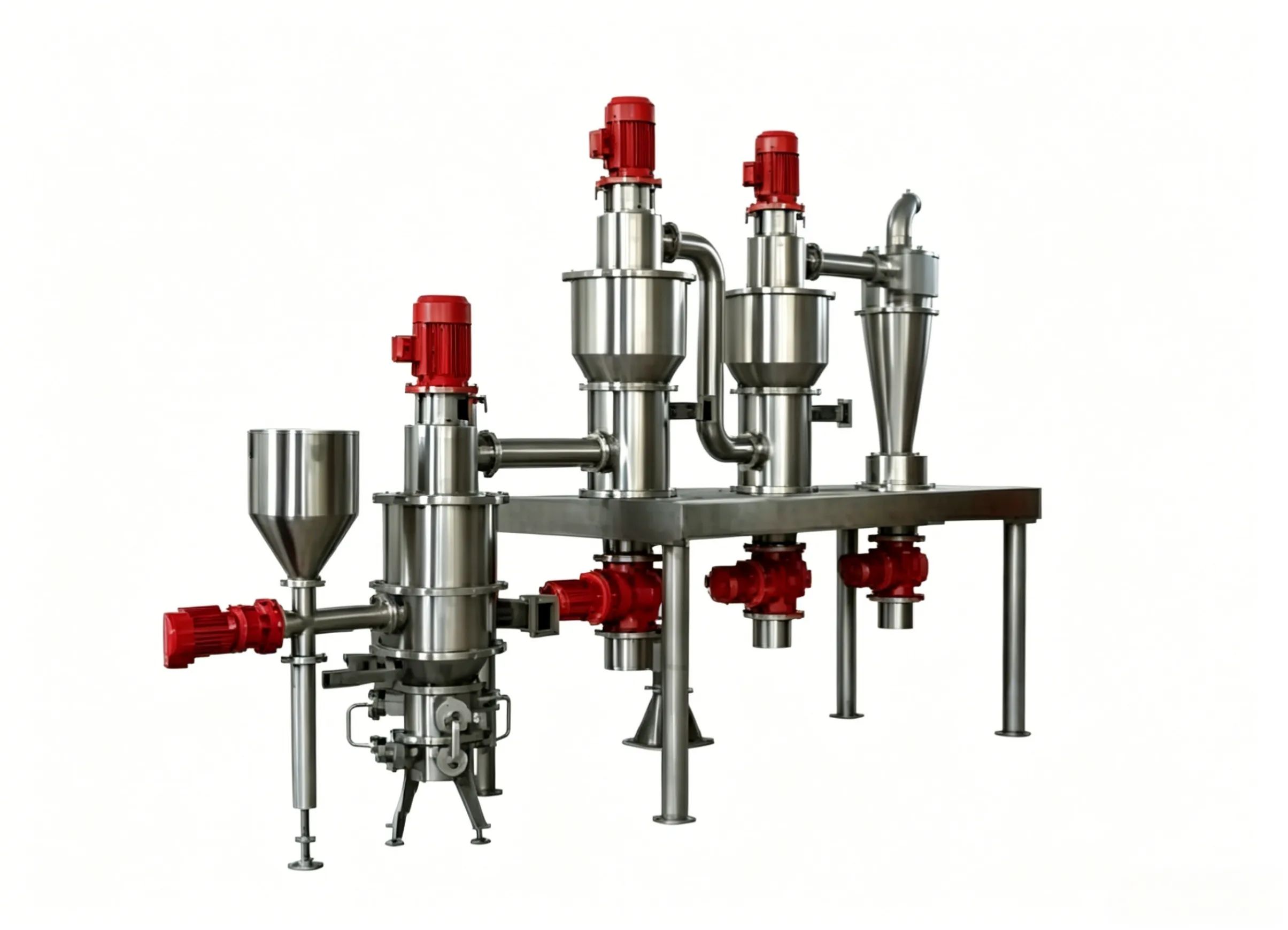
Jet Mill
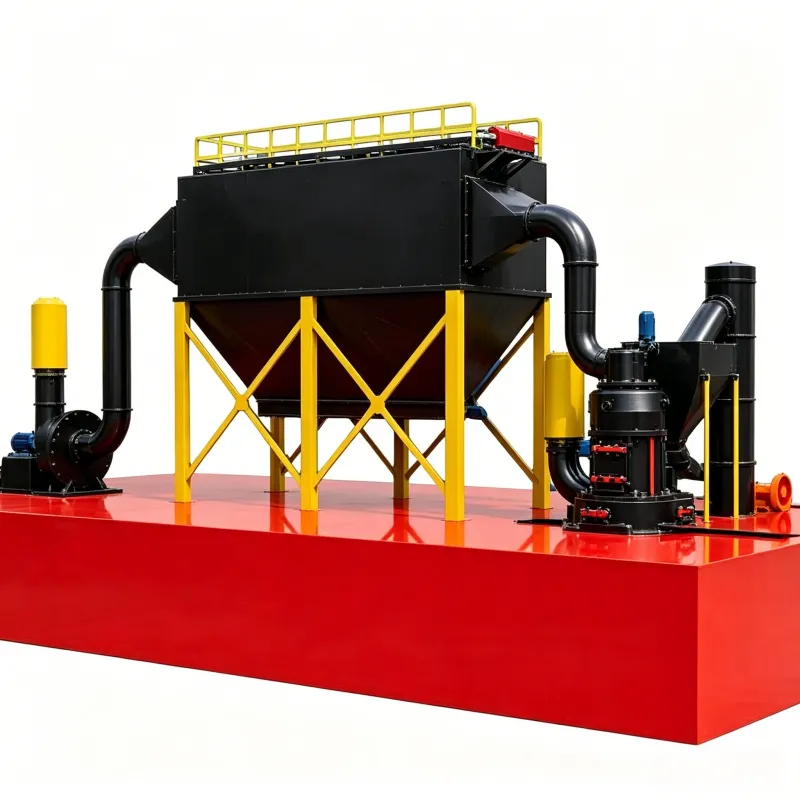
Jet Mill This machine is a dry ultrafine grinding and classifying equipment…


In the grinding-classification system, the mill feed rate, pump sump level, and cyclone pressure are interrelated. Controlling only one of these parameters often makes it difficult to ensure the stability of the entire system.
1. Mill feed rate: Controlling the load entering the system
As the feed rate increases, the mill processing load usually increases accordingly, and the amount of pulp entering the pump sump may also change. Therefore, the feed rate should not be adjusted frequently or drastically; it should be adjusted smoothly according to the mill load and the system’s processing capacity.
2. Pump sump level: Reflecting the balance of pulp supply and demand
If the pump sump level is too low, it may cause deterioration in the pump’s suction conditions; if the level is too high, there is a risk of overflow. The relevant feed or water addition can be controlled through a level control loop, and high/low level alarms and interlock protection should be set up.
3. Cyclone pressure: Reflecting the classification feed status
Cyclone pressure is affected by factors such as pump speed, pump sump level, pipeline resistance, and feed flow rate. The pump speed or relevant valves can be adjusted according to process requirements to keep the pressure within an appropriate range, but one should not single-mindedly pursue pressure stability while ignoring the classification performance.
4. How are the three linked?
A more reasonable control approach is:
In actual design, the coupling effects of pump speed adjustment on liquid level and pressure must also be considered to avoid multiple control loops “fighting” with each other.

 English English
 Spanish
 Russian
 Arabic
 Swahili
 French
 Turkish
 Portuguese
 Korean
 Japanese
 German
 Italian