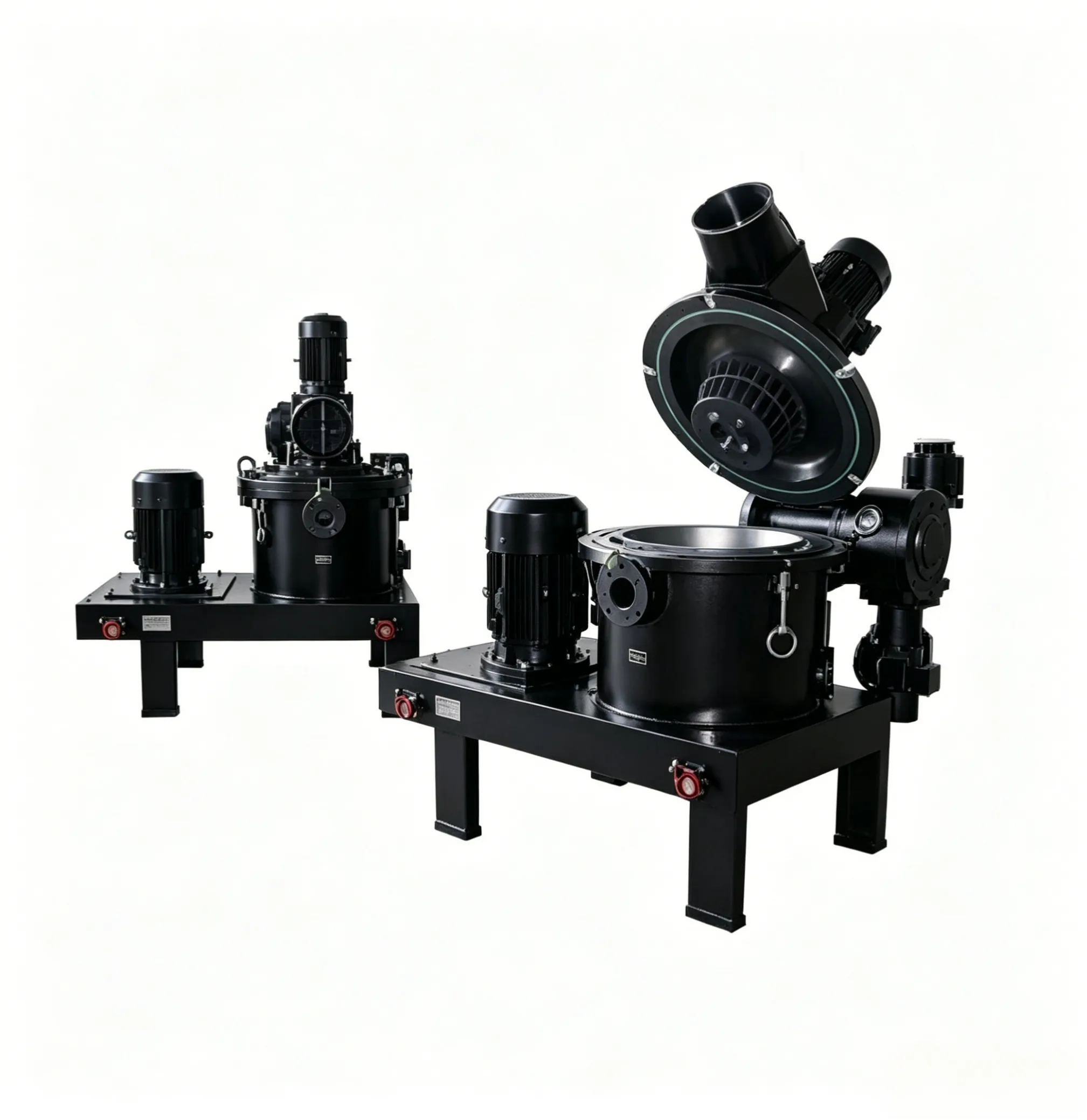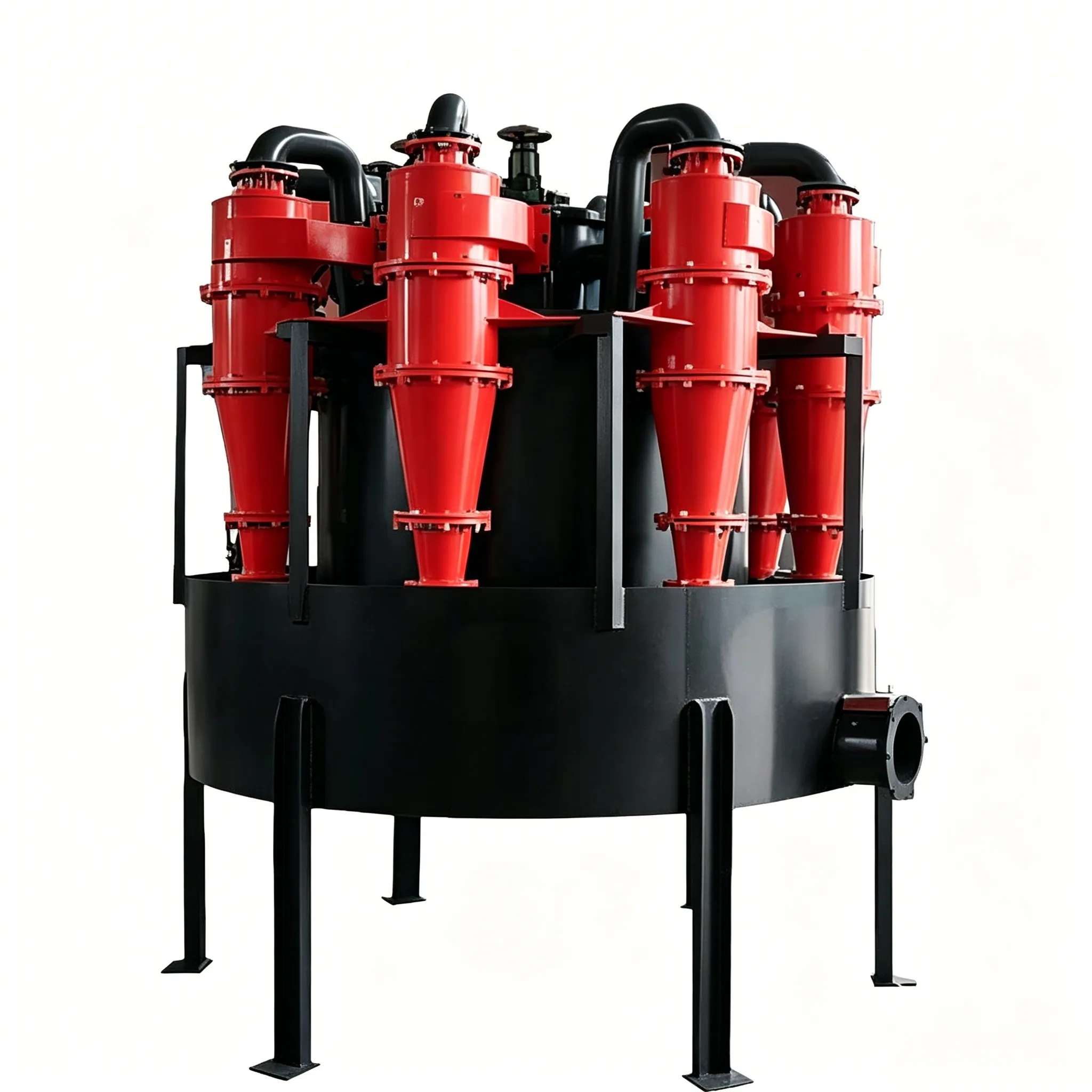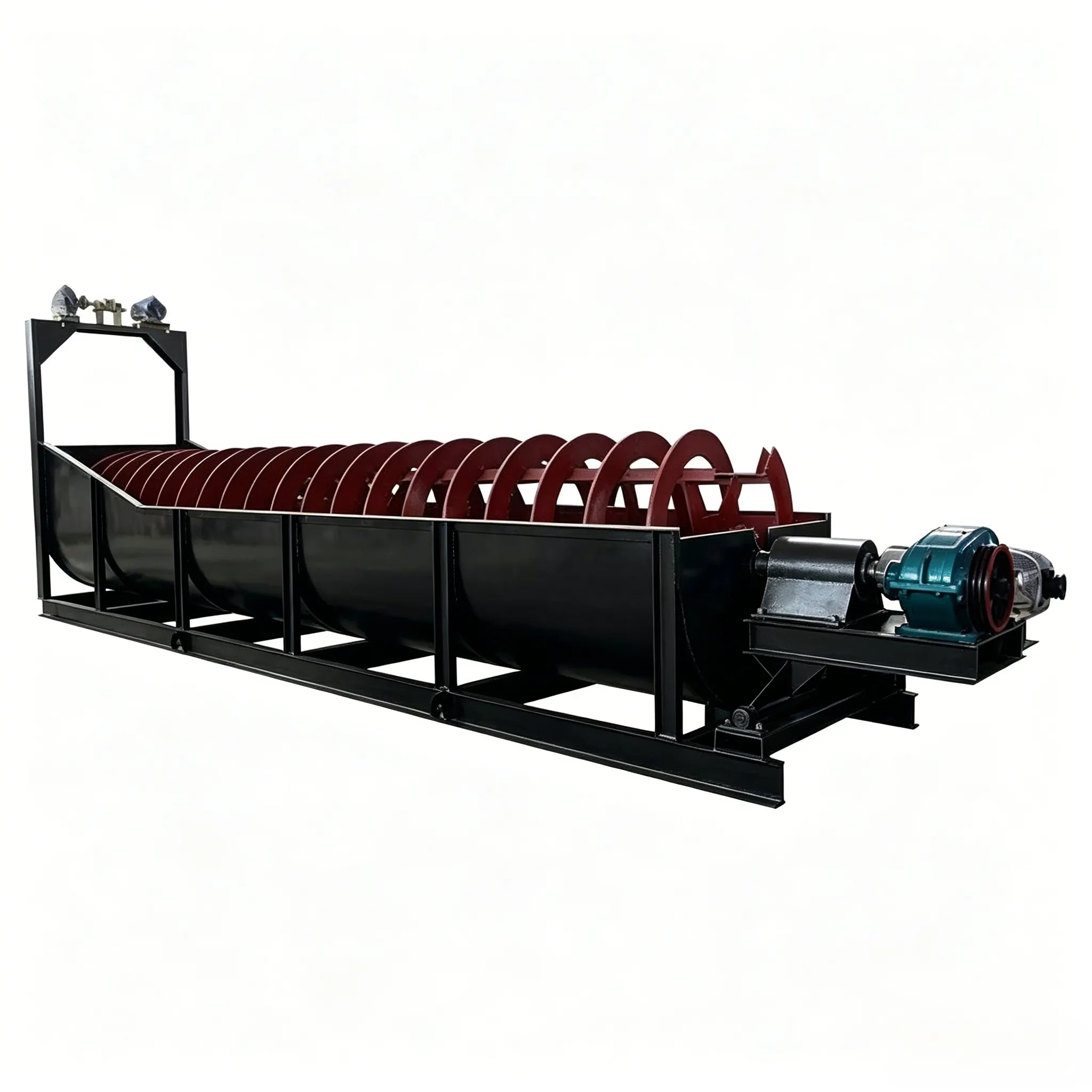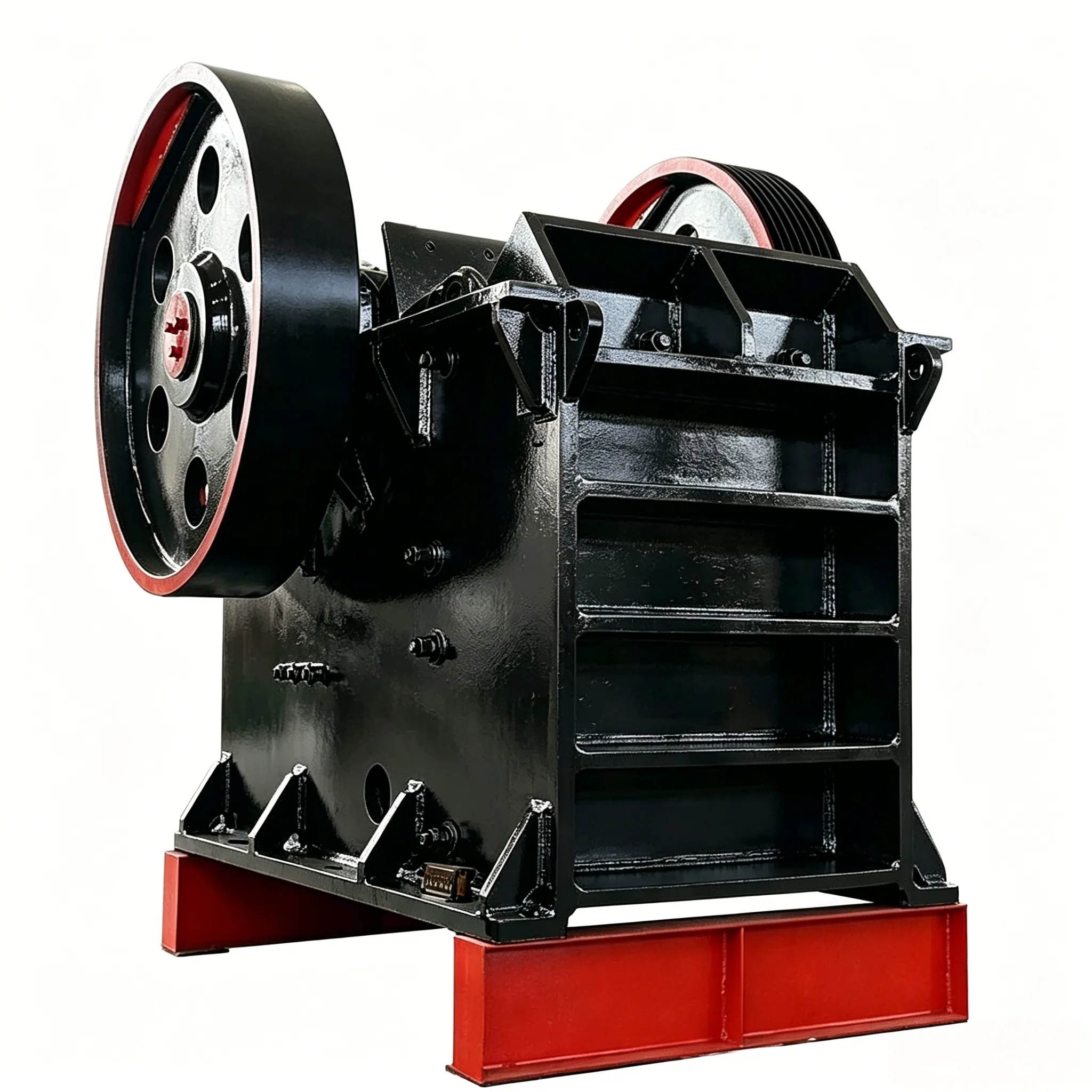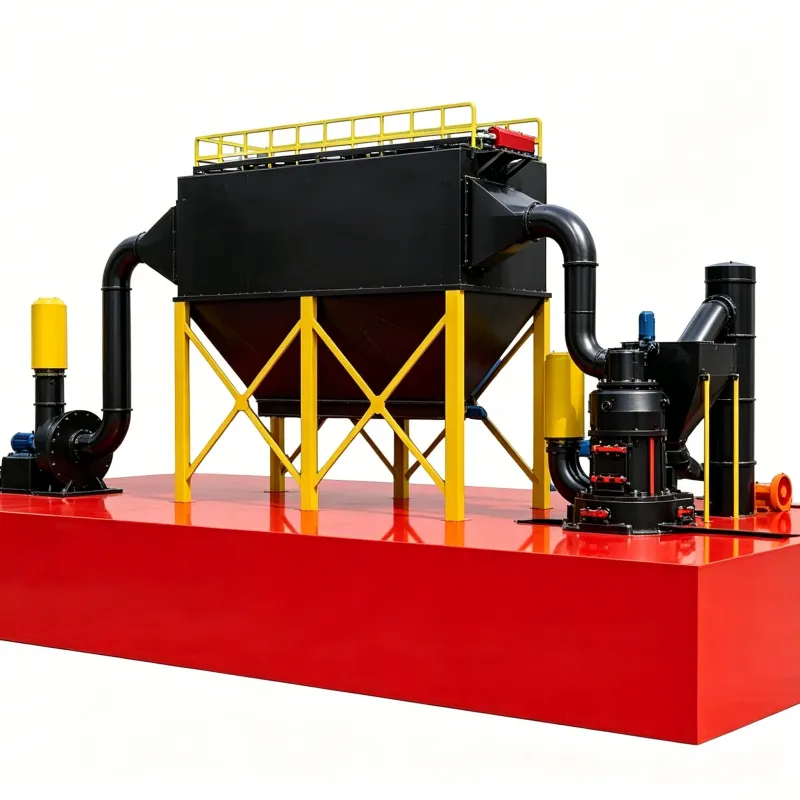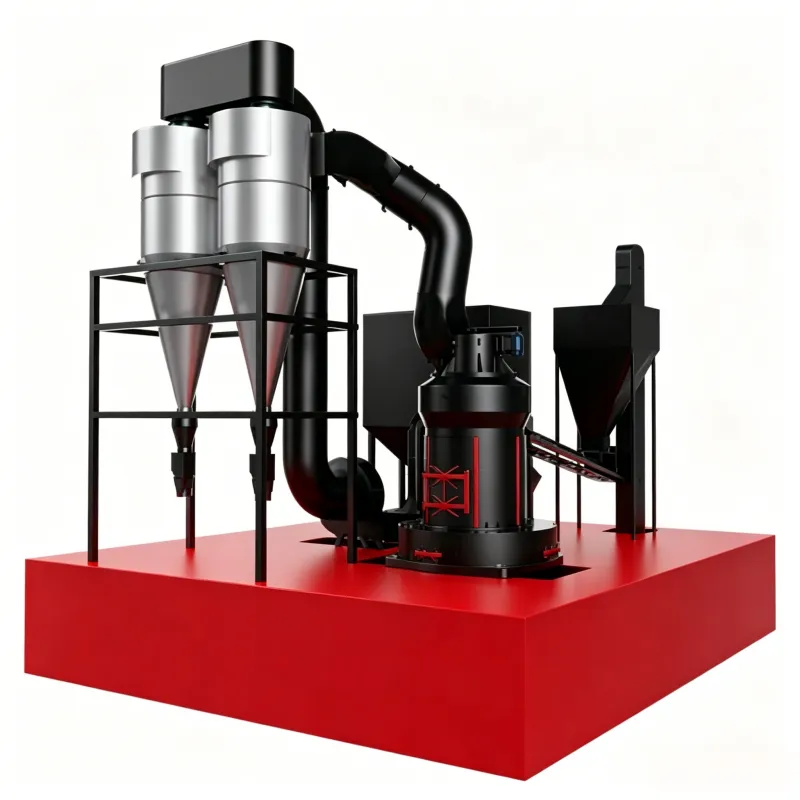
Silicon Carbide (SiC) Grinding Mill
Introduction to the Silicon Carbide (SiC) Grinding Mill Silicon carbide has extremely…

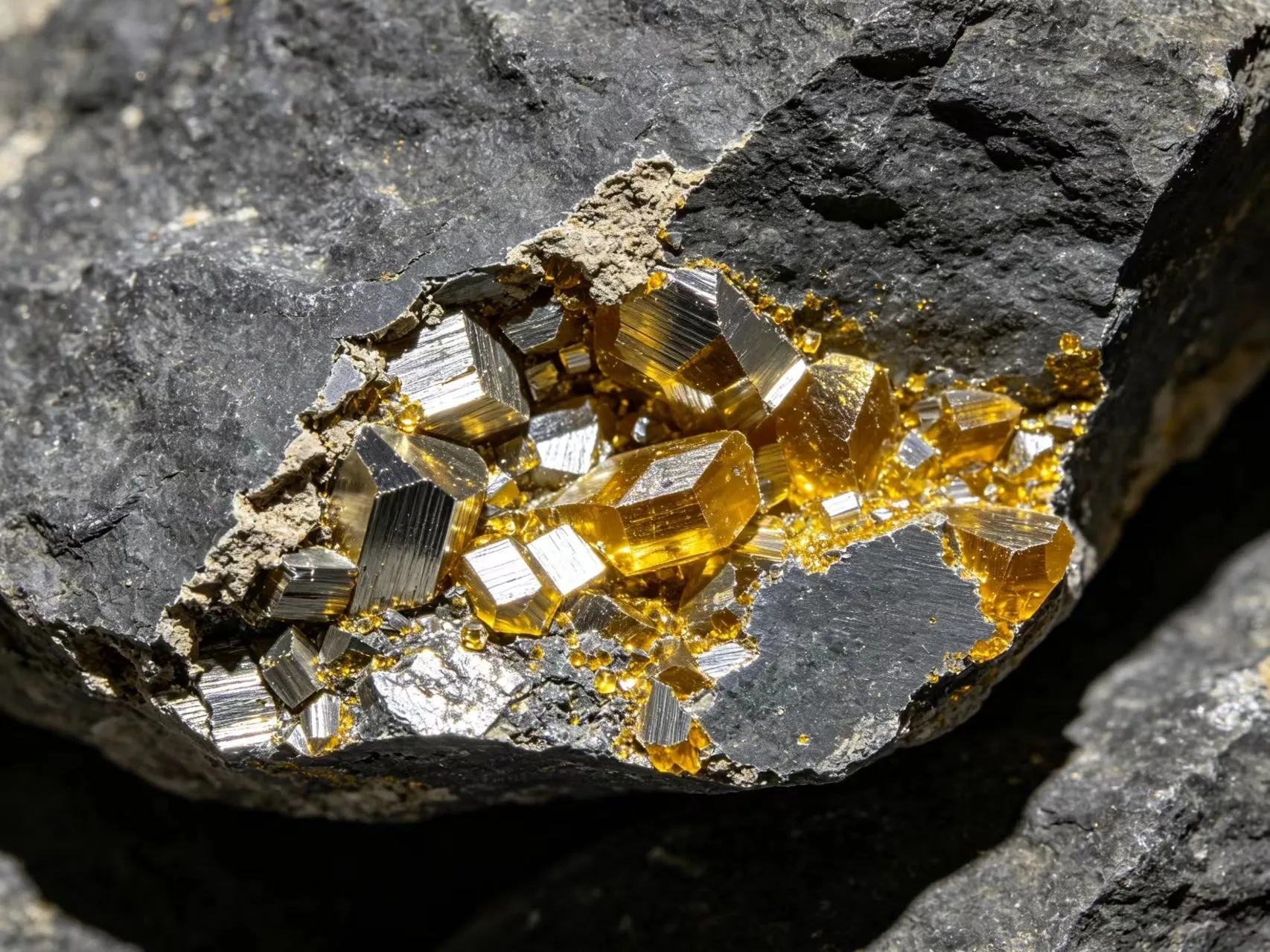
The beneficiation method for antimony ore should be selected not only based on basic physical and chemical properties such as ore type, mineral composition, mineral structure, and dissemination characteristics, but also considering the content of valuable components, adaptability to antimony metallurgical technology requirements, and final economic benefits. The beneficiation methods for antimony ore include hand sorting, gravity concentration, heavy medium separation, flotation, etc.
Table 5-10 Quality standard of antimony concentrate Unit: %
| Category | Type | Grade | Sb ≥ | Impurities ≤ | |
|---|---|---|---|---|---|
| As | Pb | ||||
| Antimony sulfide concentrate | Fine concentrate | Grade 1 | 55 | 0.6 | 0.15 |
| Grade 2 | 45 | 0.6 | 0.15 | ||
| Grade 3 | 35 | 0.4 | 0.15 | ||
| Grade 4 | 30 | 0.4 | 0.15 | ||
| Lump concentrate | Grade 1 | 60 | 0.6 | 0.15 | |
| Grade 2 | 50 | 0.6 | 0.15 | ||
| Grade 3 | 40 | 0.4 | 0.15 | ||
| Grade 4 | 30 | 0.4 | 0.15 | ||
| Grade 5 | 20 | 0.2 | 0.1 | ||
| Grade 6 | 10 | 0.2 | 0.1 | ||
| Mixed antimony concentrate | Fine concentrate | Grade 1 | 55 | 0.6 | 0.15 |
| Grade 2 | 45 | 0.6 | 0.15 | ||
| Grade 3 | 35 | 0.4 | 0.15 | ||
| Grade 4 | 30 | 0.4 | 0.15 | ||
| Lump concentrate | Grade 1 | 60 | 0.6 | 0.15 | |
| Grade 2 | 50 | 0.6 | 0.15 | ||
| Grade 3 | 40 | 0.4 | 0.15 | ||
| Grade 4 | 30 | 0.4 | 0.15 | ||
| Grade 5 | 20 | 0.2 | 0.1 | ||
| Grade 6 | 10 | 0.2 | 0.1 | ||
| Antimony oxide concentrate | Lump concentrate | Grade 1 | 60 | 0.6 | 0.2 |
| Grade 2 | 50 | 0.6 | 0.2 | ||
| Grade 3 | 40 | 0.4 | 0.15 |
(1) Hand sorting
Hand sorting utilizes the differences in color, luster, and shape between antimony-bearing minerals and gangue. Although this method is primitive and requires high labor intensity, it still holds special significance for antimony ore beneficiation. This is because antimony minerals often occur as coarse single crystals or massive aggregates. Hand sorting often yields high-grade lump antimony concentrate suitable for the technical requirements of vertical roasting furnaces in antimony smelters. Hand sorting can reduce beneficiation production costs and energy consumption, and is therefore widely used.
The lump antimony concentrate produced by hand sorting, containing only more than 7% antimony, can be directly fed into vertical roasting furnaces for volatilization roasting to produce antimony trioxide. Sulfide antimony lump concentrate with over 45% antimony obtained by hand sorting can be used to produce pure antimony trisulfide (commonly known as “crude antimony”) by the liquation method, which is used in munitions production. Besides picking out high-grade lump antimony concentrate, hand sorting can also directly discard a large amount of waste rock to increase the feed grade.
The suitable ore particle size for hand sorting is generally between 28 and 150 mm. Most antimony concentrators use coarse-range hand sorting, while only a few, such as the North Concentrator of Xikuangshan, use narrow-range hand sorting after classification. Since the raw ore often contains clay, washing is usually an indispensable preparatory operation before hand sorting. Washing the raw ore before hand sorting yields better results than hand sorting without washing.
Hand sorting is generally performed on hand-sorting belts in the concentrator, but it is also done in many antimony mines underground or at the mine adit.
(2) Gravity concentration
Gravity concentration is suitable for most antimony concentrators because antimony minerals are dense and coarse-grained, making them easy to separate from gangue by gravity methods. Among them: stibnite has a density of 4.62 g/cm³, while gangue density ranges from 2.6 to 2.65 g/cm³. Their equal settling ratio is 2.19–2.26, placing it in the easily separable category. Cervantite has a density of 5.2 g/cm³, kermesite 7.5 g/cm³, and valentinite 5.57 g/cm³. Their equal settling ratios with gangue are 2.55–2.63, 3.93–4.06, and 2.76–2.86, respectively. These three antimony minerals are extremely easy to separate by density. Only bindheimite, with a density of 3.14 g/cm³, has an equal settling ratio of only 1.29 with gangue, making it relatively difficult to separate by density. However, it is not a major component in antimony ores and does not affect the application of gravity concentration.
In summary, whether for simple sulfide antimony ores or mixed sulfide-oxide antimony ores, gravity concentration conditions are favorable. Moreover, gravity concentration is low-cost and can, at relatively coarse particle sizes, produce a large amount of qualified coarse concentrate while discarding substantial gangue. Therefore, gravity concentration remains a preferred method for antimony ore processors today. Even when it cannot directly produce qualified antimony concentrate, it is often accepted as a preconcentration step for flotation. Particularly given the difficulties currently faced in flotation of oxide antimony ores, gravity concentration is the main beneficiation method for such ores.
Heavy medium separation is often used as a preconcentration operation for antimony ores. Practice has shown that heavy medium separation can be applied to all antimony ores except those with vuggy structures. The challenges of heavy medium separation are the selection of the heavy medium, medium preparation, and recovery. Practice indicates that silicon iron (corundum waste from grinding wheel factories) is a common heavy medium. This material has a magnetic content of 70%–98%, and its chemical composition is mainly silicon and iron. After being ground in the concentrator’s medium preparation system to 98% passing 74 μm, it can be used as a heavy medium, making it entirely possible to maintain a medium density of about 2.65 g/cm³, and it is easy to recover and reuse.
(3) Flotation
Flotation is the most important beneficiation method for antimony minerals. Sulfide antimony minerals are readily floatable, and flotation is mostly used to upgrade the ore. For stibnite, lead salts are often used as activators (or copper salts, or a combination of lead and copper salts), followed by collectors. Common collectors include butyl xanthate or a mixture of shale oil and diethyldithiocarbamate (SN-9#). Frothers include pine oil or No. 2 oil. Oxide antimony minerals are more difficult to float.
For simple stibnite ores, a simple flotation flowsheet is used. For mixed sulfide-oxide antimony ores, coarse particles are treated by gravity concentration, while fine particles are treated by flotation or a gravity-flotation combined flowsheet. Treating oxide ores by flotation is difficult. When the antimony content in oxide ore exceeds 10%–20%, it is often directly smelted by reduction without beneficiation. For finely disseminated or refractory oxide ores, the chlorination–reduction method can be used to reduce antimony to metallic form, followed by flotation. The method involves adding a chloridizing agent in the presence of a solid reductant and heating to bring about complex chlorination–reduction reactions. Antimony in the ore forms antimony chloride, which is released from the mineral lattice and adsorbs onto coal particles (the reductant). The hydrogen generated by the chlorination–reduction reaction reduces antimony chloride to metallic antimony. This metallic antimony is readily floatable and can be recovered by conventional flotation after grinding, as practiced at the North Concentrator of Xikuangshan.
For complex polymetallic antimony ores, various non-ferrous metal sulfides are often associated: arsenopyrite (FeAsS), realgar (AsS), orpiment (As₂S₃) – arsenic-bearing sulfides; galena (lead sulfide); sphalerite (zinc sulfide); cinnabar (mercury sulfide), etc. Sometimes there are also associated oxide minerals of significant economic value, such as cassiterite and scheelite, as well as precious metal minerals like native gold.