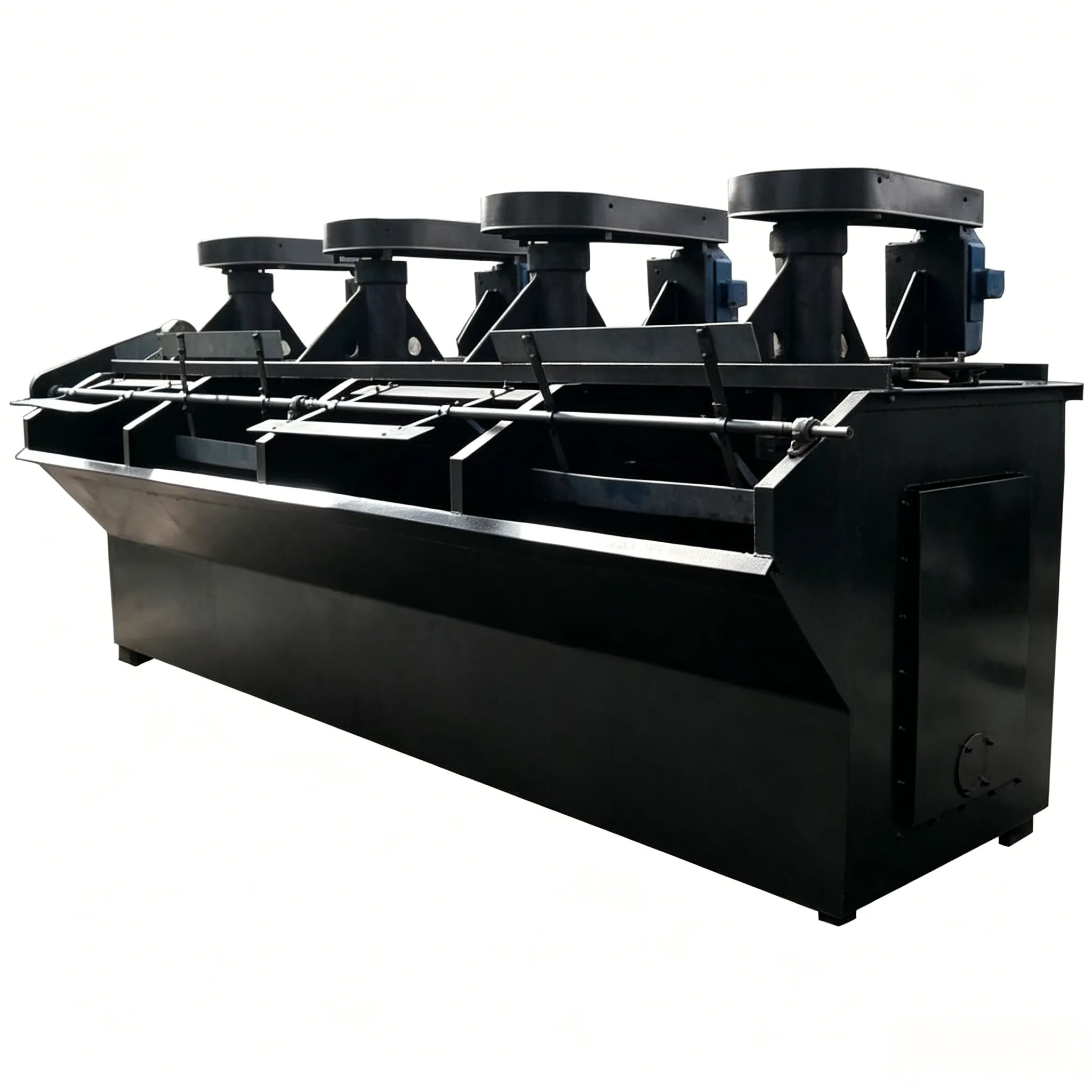
XJ Flotation Machine
XJ Flotation Machine (also known as Type A or XJK) This machine…

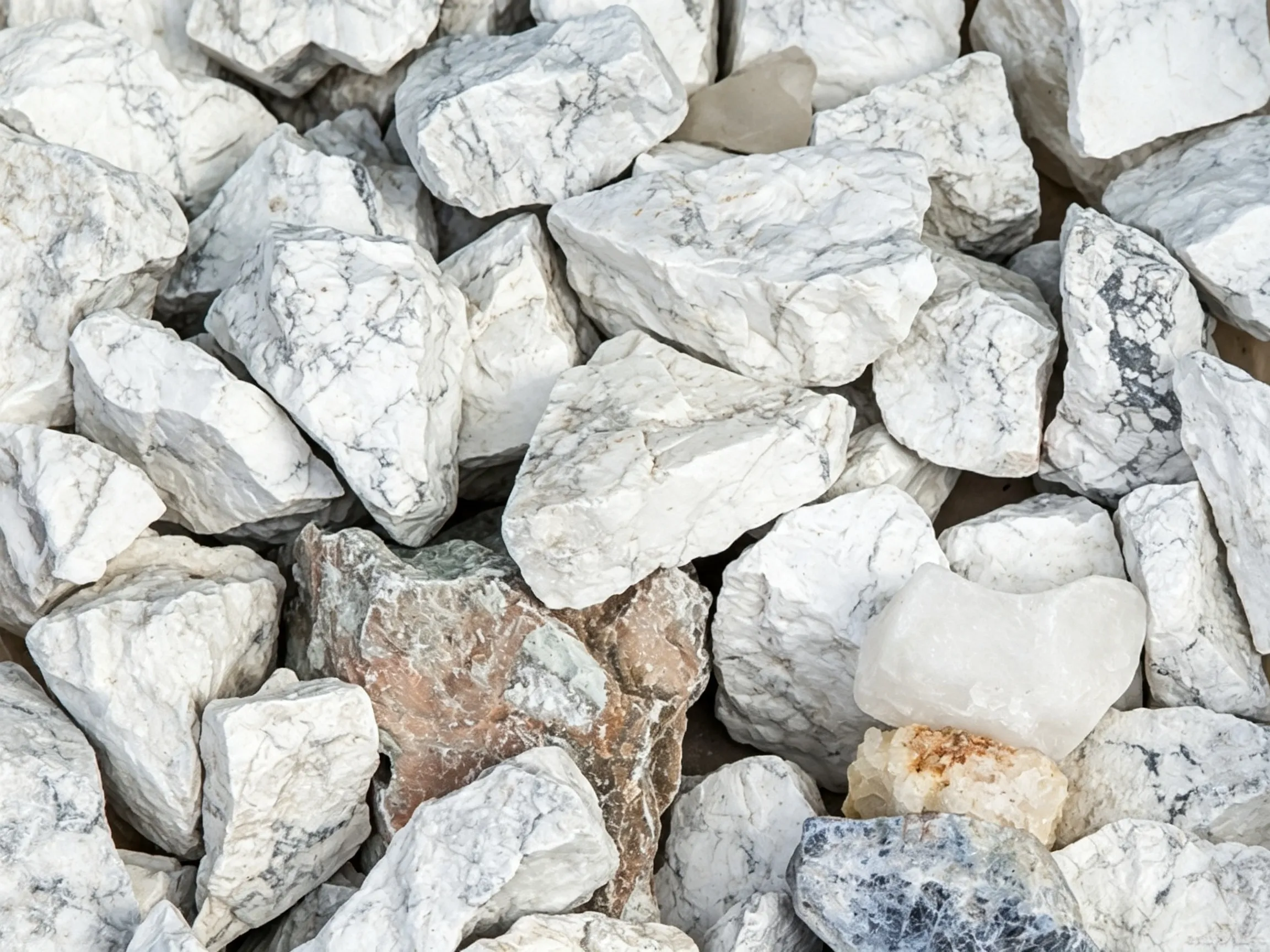
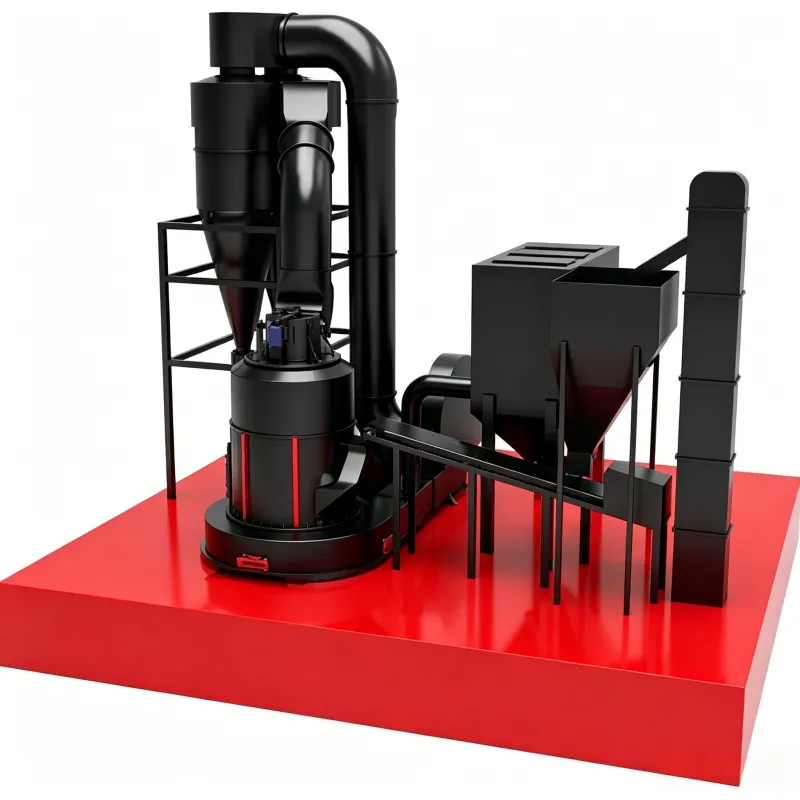
The total investment for a limestone Raymond mill production line typically ranges from several hundred thousand to several million RMB, and the exact amount depends heavily on your desired production capacity, equipment selection, automation level, and supporting facilities.
Below is a breakdown of the core cost factors and investment estimates for different scales, for your reference.
A complete production line investment mainly consists of the following parts:
The following estimates are based on market conditions (for reference only; actual prices are subject to manufacturer quotations):
| Investment Scale | Application Scenario & Capacity | Estimated Investment (RMB) | Key Notes |
|---|---|---|---|
| Small / Entry‑level | 1–10 t/h, suitable for small plants or start‑up projects | 300,000 – 500,000 | Main unit plus basic auxiliaries. For example, an entry‑level 4R3216 model is quoted at around over 100,000; a complete line including crushing, feeding, and dust collection costs about 300,000+. |
| Medium / Standard | 10–30 t/h, e.g., processing 200‑mesh limestone powder | 800,000 – 2,000,000 | This range offers many options. 4R and 5R Raymond mill main units range from 200,000 to 2,000,000. For a solution using the new MTW European‑style mill (capacity 3–55 t/h), the total investment is roughly 1,000,000 – 2,000,000. |
| Large / Industrial‑scale | 30–50+ t/h, or for ultra‑fine powder (e.g., 325 mesh) | 2,000,000+ | Requires large‑model mills or vertical roller mill systems. For example, the HC1700 can produce up to 25 t/h per unit. If using an LM vertical roller mill, equipment investment may range from 2,000,000 to 3,500,000. |
Special note: The above estimates are mainly for Raymond mill solutions. If you consider the higher‑performance vertical roller mill (VRM) , which offers greater single‑unit capacity and better energy efficiency, the investment threshold is higher—a medium‑scale VRM line costs about 1,000,000 – 3,000,000, while a large one can reach 5,000,000 – 8,000,000.
Beyond the initial investment, operating costs and return on investment are also critical.
To obtain an accurate quotation, you need to clarify the following points:
In general, when investing in a limestone Raymond mill production line, it is advisable to start by defining your own capacity and fineness requirements. For most small‑to‑medium projects, a medium‑scale solution with a capacity of 10–30 t/h and an investment of 800,000 – 2,000,000 RMB offers the best cost‑performance.
Since equipment prices fluctuate with the market and customisation levels vary, the most reliable approach is to contact multiple equipment manufacturers (e.g., Liming Heavy Industry, Guilin Hongcheng, etc.), provide your specific parameters (raw material, capacity, fineness, etc.), and request detailed proposals and quotations.
Do you have a rough target for hourly capacity? Or specific fineness requirements? Let me know your exact needs, and I can help you further analyse which equipment option would be more suitable.


 English English
 Spanish
 Russian
 Arabic
 Swahili
 French
 Turkish
 Portuguese
 Korean
 Japanese
 German
 Italian