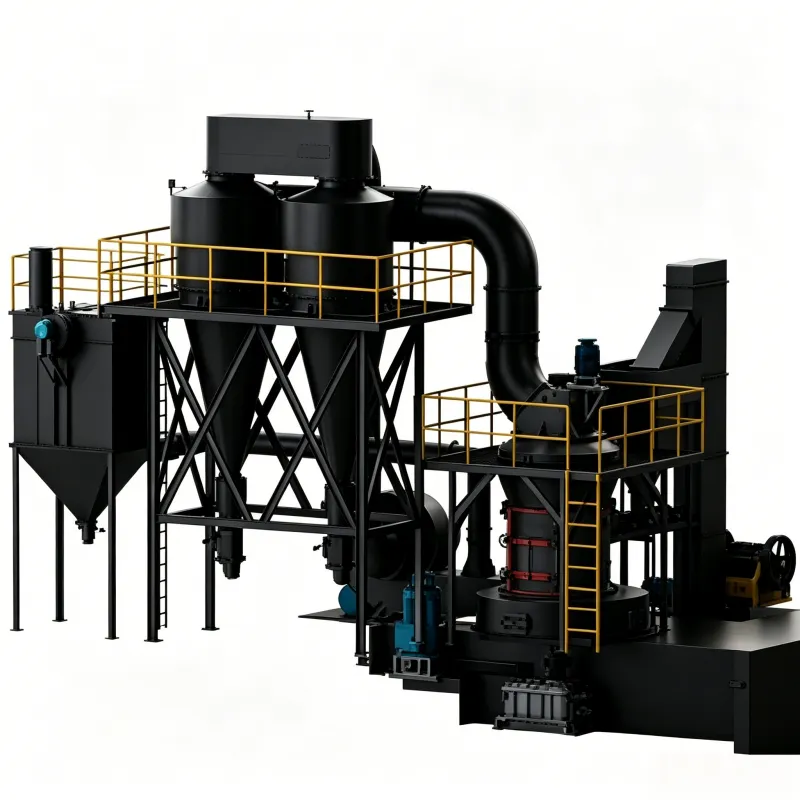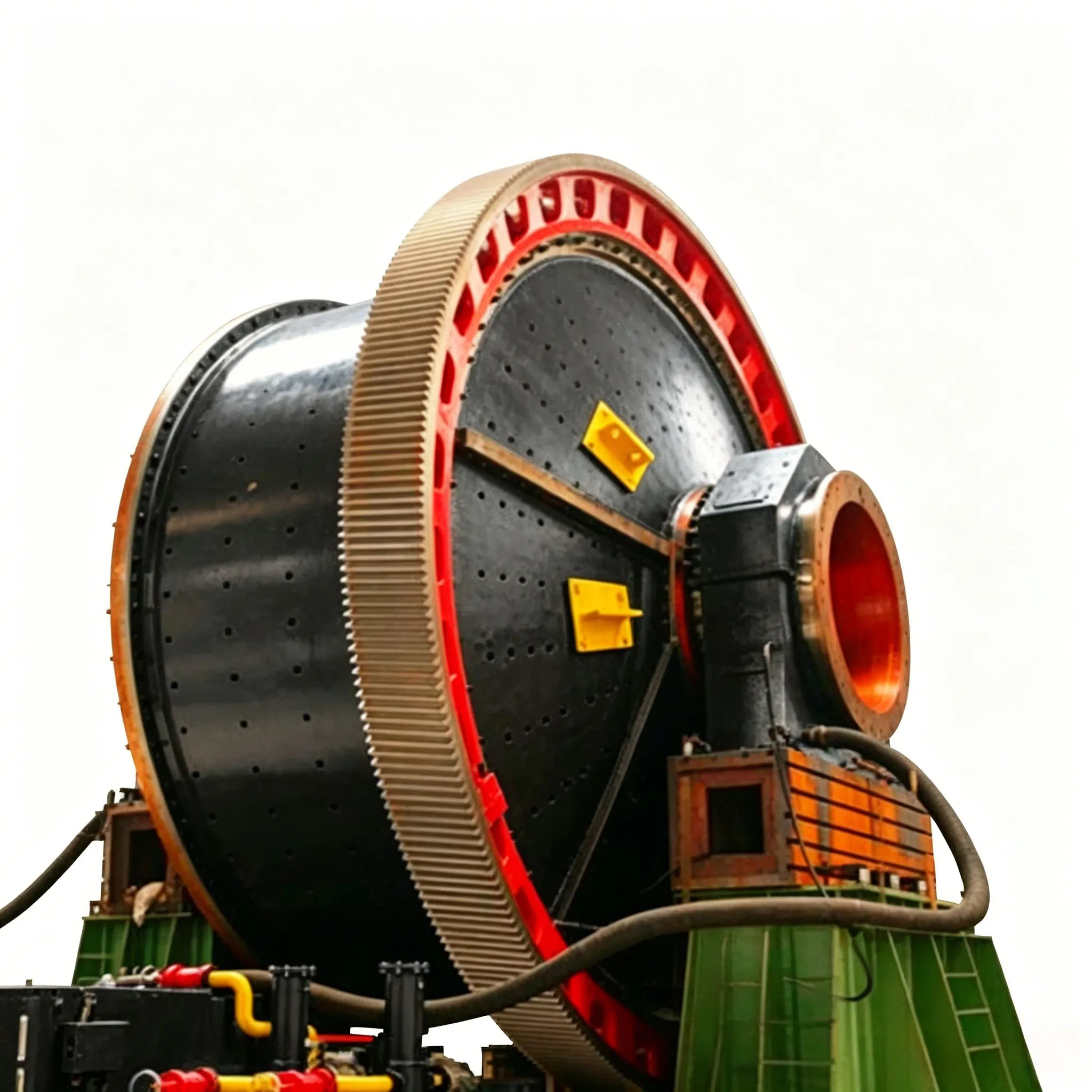
Grate Discharge Ball Mill
Construction of a Grate Discharge Ball Mill The difference between a grate…

A. Bawdwin Lead-Zinc Mine, Myanmar
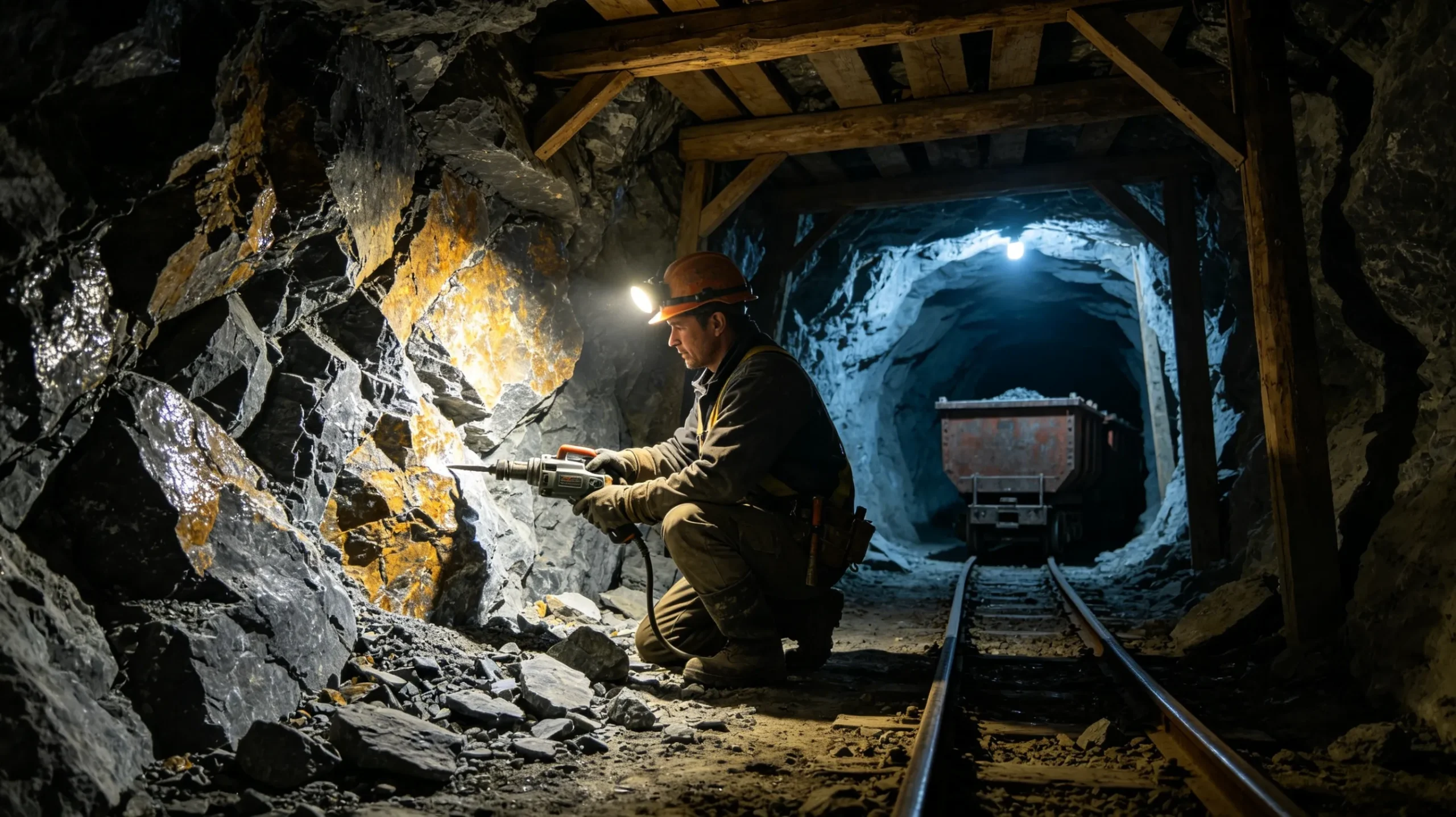
The Bawdwin Lead-Zinc Mine is located in Shan State, northern Myanmar, and is the largest lead-zinc mine in the country, with a long production history. From the late 19th century to the early 20th century, its sulfide ore processing plant only recovered silver-rich lead concentrate, while the flotation tailings were directly discarded on nearby slopes and gullies. Over many years of accumulation, it is estimated that approximately 2 million tons of old tailings have been stockpiled. In 2007, the Kunming Metallurgical Research Institute was commissioned to conduct beneficiation process research on these old tailings and was responsible for the design, on-site commissioning, and performance (meeting standards) of the new processing plant. The Kunming Metallurgical Research Institute completed laboratory test work in 2007, determining a process flow and conditions suitable for implementation in Myanmar. The plant design was completed in the first half of 2008, and a new 500 t/d processing plant was built by the end of 2009, with excellent beneficiation performance.
The multi-element chemical analysis results of the tailings sample are shown in Table 4-44, and the phase analysis results of lead and zinc in the sample are shown in Table 4-45.
Table 4-44 Multi-element analysis results of tailings (%)
| Element | Pb | Zn | Fe | S | As | Cu | P |
|---|---|---|---|---|---|---|---|
| Content | 4.03 | 11.38 | 3.88 | 7.17 | 0.26 | 0.28 | 0.037 |
| Element | SiO₂ | Al₂O₃ | CaO | MgO | Ni | Ag/g·t⁻¹ |
|---|---|---|---|---|---|---|
| Content | 59.92 | 4.18 | 2.93 | 1.48 | 0.093 | 165.0 |
Table 4-4 Phase analysis results of lead and zinc in tailings (%)
| element | Phase of matter | Quality Score | Distribution rate |
| lead | Lead sulfate | <0.01 | <0.22 |
| oxide | 1.61 | 35.94 | |
| sulfide | 2.71 | 60.49 | |
| Lead ferrite and other lead compounds | 0.16 | 3.57 | |
| total | 4.48 | 100.00 | |
| zinc | sulfate | 0.52 | 4.58 |
| oxide | 0.24 | 2.11 | |
| sulfide | 10.31 | 90.84 | |
| Zinc ferrite and others | 0.28 | 2.47 | |
| total | 11.35 | 100.00 |
Due to the long-term stockpiling on the hilltops, the tailings have undergone weathering and oxidation, especially with a very high oxidation rate of lead in the tailings. Therefore, a flotation process was adopted to recover lead and zinc from the tailings. Considering the actual construction conditions in northern Myanmar, it was decided to recover only the intergrowths of lead-zinc minerals as a bulk lead-zinc concentrate for direct sale, while the remaining zinc minerals would be recovered as a qualified zinc concentrate. Thus, the main products after reprocessing are bulk lead-zinc concentrate, zinc sulfide concentrate, and lead oxide concentrate.
Through detailed experimental research, the preferential flotation process shown in Figure 4-29 was finally adopted. In this process, the grinding fineness is 95% passing -0.074 mm. Sodium silicate is used as a dispersant, ethyl xanthate and diethyldithiocarbamate (SN-9#) as collectors, and pine oil as a frother. One stage of roughing, two stages of cleaning, and one stage of scavenging are carried out to obtain the bulk lead-zinc concentrate. The scavenger tailings are then treated with copper sulfate as an activator, butyl xanthate as a collector, and pine oil as a frother, using one stage of roughing, one stage of cleaning, and one stage of scavenging to obtain zinc sulfide concentrate. Finally, the scavenger tailings from this step are treated with sodium sulfide as a depressant, butyl xanthate as a collector, and pine oil as a frother, using one stage of roughing, two stages of cleaning, and two stages of scavenging to obtain lead oxide concentrate and final tailings.
The average production indexes obtained during the commissioning of the tailings reprocessing plant are shown in Table 4-46. At present, the plant is operating well, making full use of this old tailings resource.
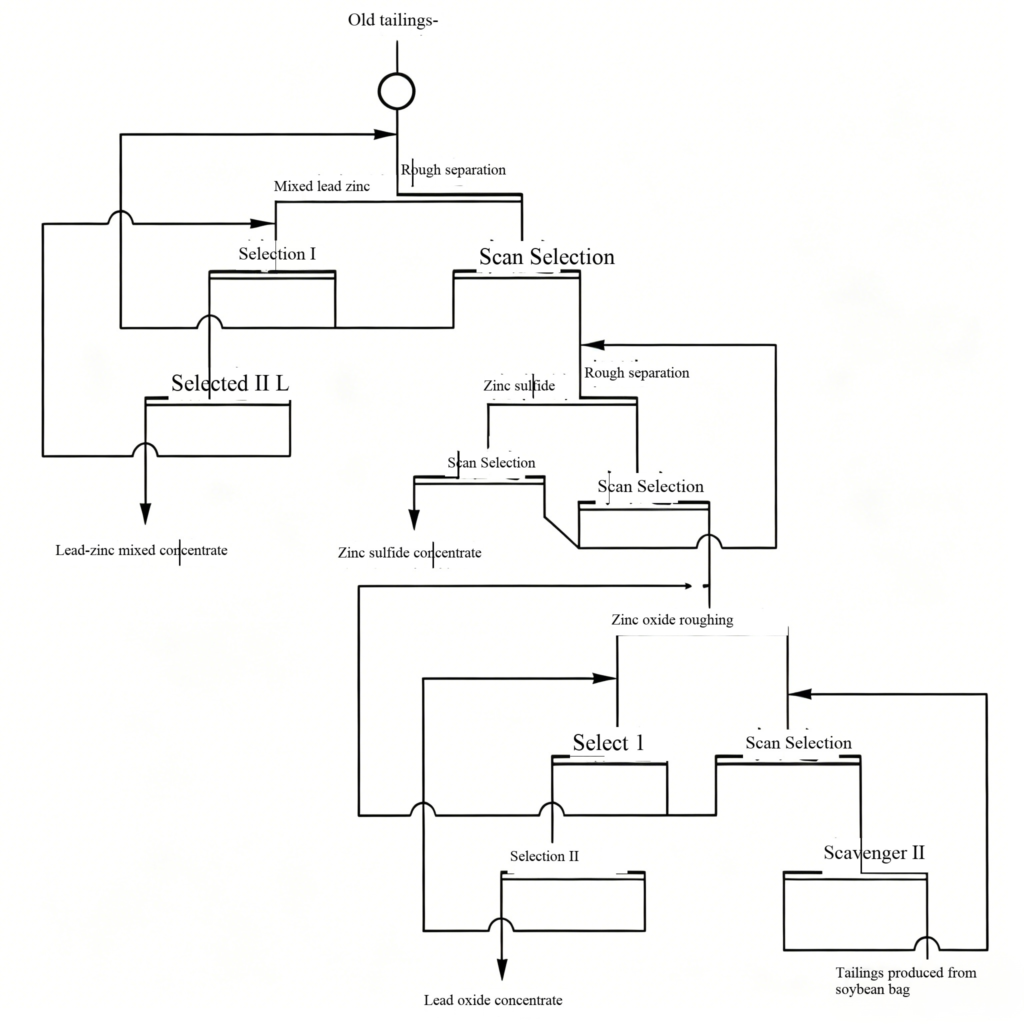
Figure 4-29 Process flow for lead-zinc recovery from tailings
Table 4-46 Debugging Production Indicators (in %)
| Product Name | Yield rate | Taste | Recovery rate | ||
| Pb | Zn | Pb | Zn | ||
| Lead-zinc mixed concentrate | 1.77 | 14.95 | 34.93 | 10.57 | 12.52 |
| Zinc sulfide concentrate | 7.25 | 9.13 | 43.53 | 26.37 | 63.77 |
| Lead oxide concentrate | 1.61 | 42.38 | 1.27 | 27.11 | 0.41 |
| Tailings | 89.37 | 1.01 | 1.29 | 35.96 | 23.30 |
| total | 100.00 | 2.51 | 4.95 | 100.00 | 100.00 |
B. Chaihe Lead-Zinc Mine
The Chaihe Lead-Zinc Mine has stockpiled several million tonnes of tailings. The operation first treats the tailings by gravity separation using spiral chutes, then subjects the heavy concentrate to flotation, producing qualified zinc, lead, and sulfur concentrates, while also comprehensively recovering silver. Based on an annual tailings processing capacity of 850,000 tonnes, with 150,000 tonnes of gravity concentrate fed to flotation, the yearly comprehensive recovery includes: 1,890 tonnes of lead concentrate at 46% Pb, 10,542 tonnes of sulfur concentrate at 35% S, 5,840 tonnes of zinc sulfide concentrate at 45% Zn, and 18,991 tonnes of zinc oxide concentrate at 35% Zn. The lead concentrate contains 3,212 kg of silver.
C. A Lead-Zinc Mine in Gansu Province
A lead-zinc mine in Gansu Province discharges 2,000 t/d of tailings with a fineness of 60% passing -0.074 mm and a solids concentration of 25%. The tailings contain 0.2%–0.3% Pb, 1.1%–2% Zn, and 3%–5% S. The lead minerals are mainly cerussite and galena; the zinc minerals include smithsonite and sphalerite. The tailings reprocessing plant originally used a bulk-preferential flotation process to recover lead, zinc, and sulfur, with high-efficiency jet flotation machines as the flotation equipment. After commissioning, it produced a low-grade zinc concentrate with a grade of 31.5% Zn and a recovery of 46%, but the sulfur concentrate grade was only 25.22% S, which had no local market, and no lead product was obtained. Only sulfide minerals were recovered, not oxides. The liberation degrees were: lead 61.11%, zinc 25.5%, sulfur 88.8%. The insufficient liberation, combined with the absence of a grinding step in the process, resulted in low separation efficiency. To address these problems, the process was modified based on recommended flowsheets and test indexes. The modified process employs a combined gravity (spiral chute) + flotation (high-efficiency jet flotation machine) circuit for bulk roughing of Pb-Zn-S (Figure 4-30). The bulk concentrate enters a ball mill in closed circuit with a hydrocyclone. The cyclone overflow (90% passing -0.074 mm) is deslimed in a desliming tank, and the underflow (25% solids) is subjected to one stage of bulk cleaner flotation. The cleaner tailings are returned to bulk roughing. The separation flotation circuit consists of: lead flotation (one roughing, two cleaning, one scavenging), and zinc flotation from the lead tailings (one roughing, one cleaning, one scavenging), with the final tailings becoming sulfur concentrate. All flotation equipment are high-efficiency jet flotation machines. The reagent scheme uses the “sodium sulfide–xanthate” method for lead and zinc flotation. After short-term commissioning following the modification, a lead concentrate with 40% Pb and 43% recovery, a zinc concentrate with 45% Zn and 62.5% recovery, and a sulfur concentrate with 35.3% S and 60% recovery were obtained. All met local sales grade requirements. Good technical and economic benefits were achieved, providing experience for the comprehensive utilization of such tailings.
D. Fankou Lead-Zinc Mine
The tailings from the Fankou Lead-Zinc Mine consist mainly of gangue (quartz, carbonate minerals, sericite, etc.), followed by sulfur and iron. Sulfur and iron are present predominantly as pyrite, which accounts for about 20% by mass of the total tailings. Zeng Maohua et al., based on the characteristics of the Fankou tailings, adopted a process of screening at 0.074 mm and gravity separation on a shaking table. This discarded 40% of the gangue minerals, reducing subsequent grinding and flotation costs while enriching valuable elements such as sulfur, lead, zinc, silver, gallium, and germanium. By controlling the dosage and addition time of sodium sulfide, the flotation conditions for sulfur concentrate were improved, resulting in a new process for recovering sulfur concentrate from lead-zinc tailings. Bench-scale test results showed that after fine screening, gravity separation, and flotation, the tailings yielded a sulfur concentrate with 35.7% S and a total recovery of 63.5%.
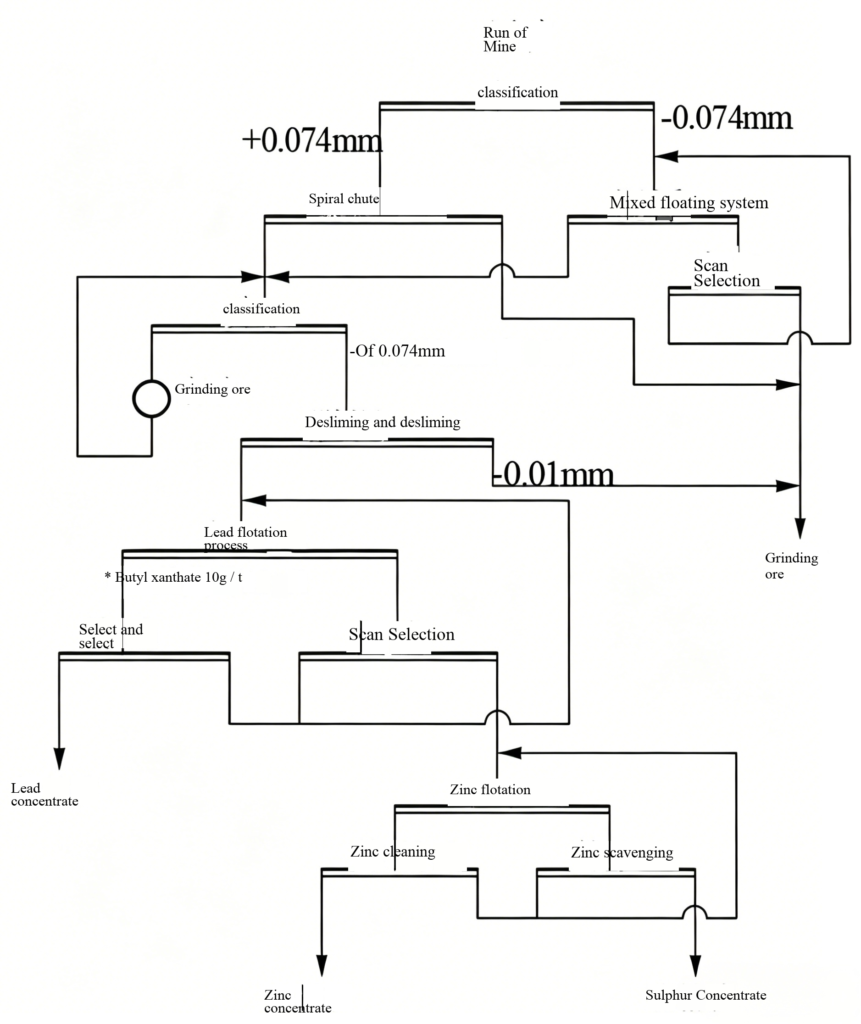
Figure 4-30 Process flow for tailings beneficiation