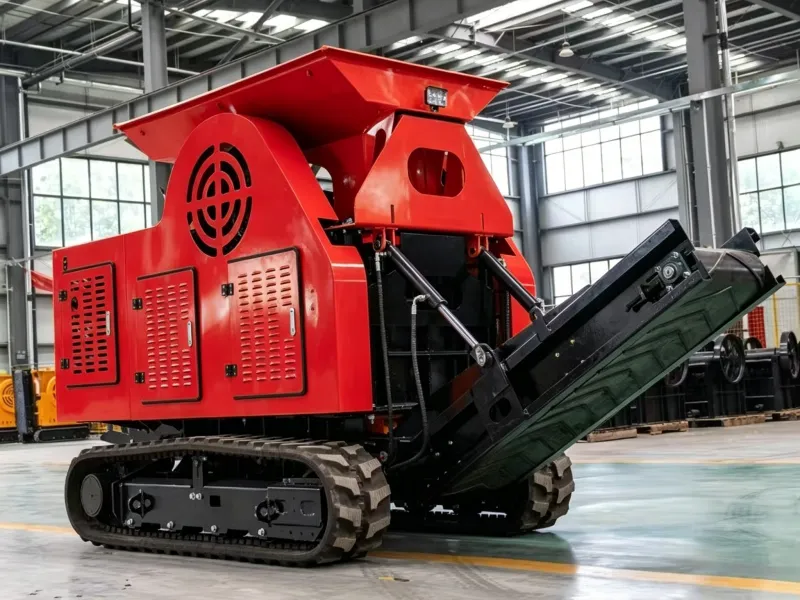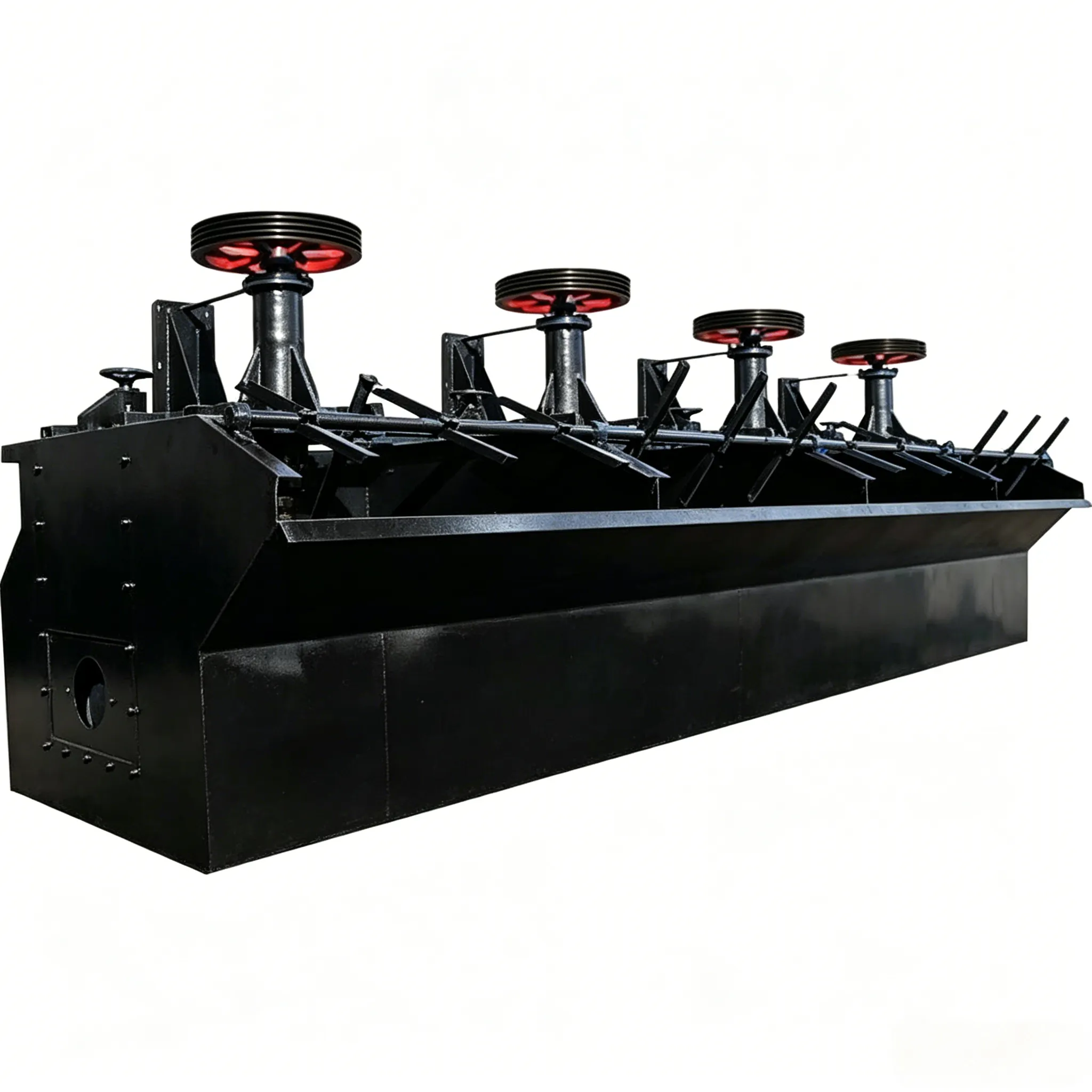
XJQ flotation machine
XJQ, JJF, and BS-M Flotation Machines These three types of flotation machines…

3.6.1 Pre-operation Inspection
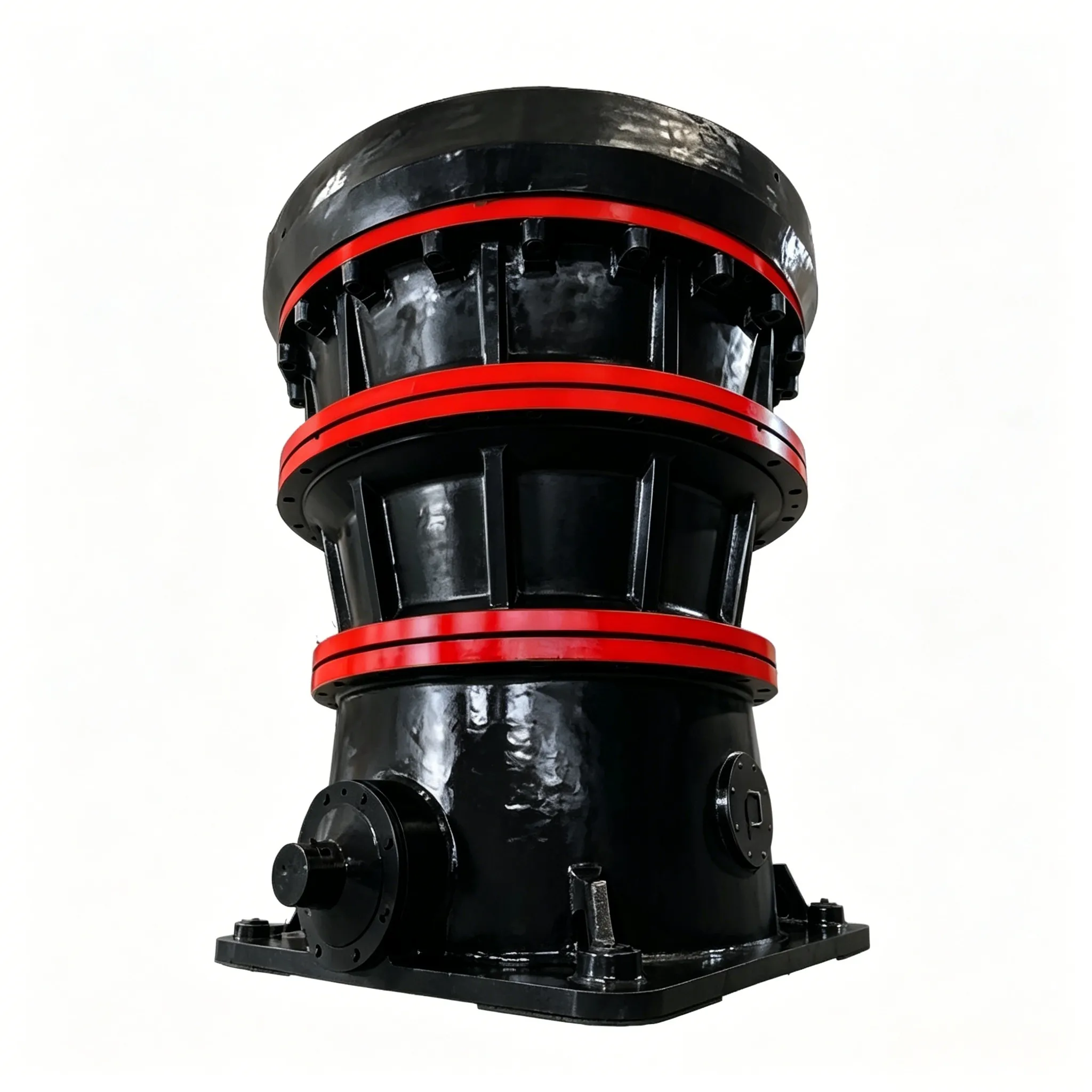
Before starting the crusher, a thorough inspection must be carried out. During the inspection, the main circuit switch must be pulled out. The inspection items are as follows: All connecting parts must be tightened and not loose; there must be no ore or any other objects in the crushing chamber; check the width of the discharge opening; check the interlocking devices with the equipment in the upstream and downstream processes. In addition, check the oil quantity and oil temperature in the tank. If the oil temperature is too low during cold seasons, use an electric heater to heat it. Check whether the lubrication equipment, the oil pump motor, and the crusher motor interlocking device are normal.
3.6.2 Starting Procedure
After the inspection confirms that preparations are satisfactory, close the main circuit switch and start according to the following procedure:
First, start the oil pump motor of the lubrication unit, and check and adjust the oil pressure. The oil pressure should be within the range of 0.08–0.15 MPa. Check whether the filter switch is correctly opened. Check the operation of the entire lubrication system based on the oil flow indicator, pressure gauge, etc. The water pressure in the filter should be 0.05 MPa lower than the oil pressure; otherwise, water may seep into the oil and cause an accident. After the lubricating oil has reached all lubrication points, give the starting signal as specified, and start the crusher. Run the crusher idling for 3–5 minutes. After the machine reaches normal speed, start the feeder to begin crushing operation.
3.6.3 Operation Precautions
After the crusher enters normal crushing operation, the operator must observe and pay attention to the following:
Check the operation of the crusher; there should be no abnormal knocking sounds inside. If there are any unusual noises or any abnormal conditions, deal with them immediately. In special cases, stop the machine immediately. The feed size shall not exceed 0.8 times the feed opening size. The discharge chute and the lower part of the crushing cone shall not be blocked by ore; otherwise, the ore may lift the crushing cone, allowing ore fines to enter the eccentric bushing and cause an accident. Pay attention to the operation of the oil pump, and frequently check the oil flow indicators, oil temperature, oil pressure readings, etc., at various points. The oil temperature after passing through the cooler shall not exceed 45–53°C. The return oil temperature shall not exceed 70°C. Supply oil to the upper suspension device on schedule. Check the tension and breakage of the V-belts, and ensure that the belts do not get greasy. If an accident occurs during operation, such as the chute being blocked by ore, oil supply stopping, oil temperature exceeding 70°C, or knocking sounds from the bevel gears, stop the machine immediately according to the prescribed procedure. Frequently check whether the connecting pins between the spider, the middle frame, and the base are loose, and whether the 15 mm circumferential gap is uniform. Check whether the liners at various parts are loose, missing, or severely worn. Strictly inspect the feeding condition to effectively prevent non-crushable objects (such as metal blocks, drill bits, etc.) from entering the crushing chamber.
The shutdown sequence of the crusher should be: first stop the feeding to the crusher; only after all ore in the crushing chamber has been discharged may the crusher be stopped; then stop the conveyor.
3.6.4 Adjustment of the Discharge Opening
After the crushing cone or the frame liner wears, to ensure the product particle size, the original discharge opening width needs to be restored. The method of restoration is to raise the crushing cone to reduce the discharge opening. If the crushing cone has already been raised to its highest point and the discharge opening still cannot be restored to its original width, then the only options are to replace the frame liner or the crushing cone liner, or replace both simultaneously.
When raising the crushing cone, first remove the nut on the spider, then screw the lifting ring into the threaded hole at the upper end of the main shaft of the crushing cone, and then use a crane to lift the crushing cone. Lift it to a height 5–15 mm higher than the pre-calculated distance it should be raised.
After the crushing cone has been lifted, turn screw 2 downward (see Figure 3-14) to press down the pressure sleeve 4 and the tapered sleeve 5. Then turn screw 2 back. Next, remove key 1 and turn nut 3 downward until it contacts the pressure sleeve 4. Then measure the discharge opening width. If it has not yet reached the required width, lift the crushing cone again and repeat the above procedure until the desired discharge opening width is achieved. Then drive key 1 back in and remove the lifting ring. Afterwards, clean the area, fill with lubricating oil, and finally install the cap.
Figure 3-14 Schematic diagram of discharge opening adjustment (Figure not provided in text; description: 1—Key, 2—Screw, 3—Nut, 4—Pressure sleeve, 5—Tapered sleeve)
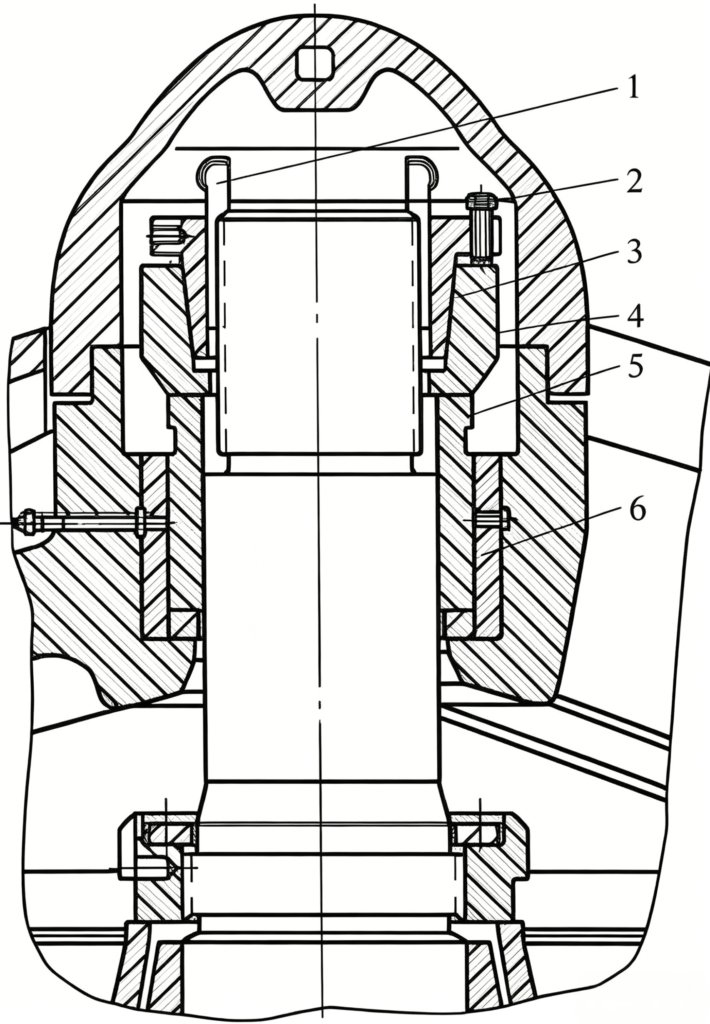
Fig. 3-14 Discharge opening adjusting device
1—Key
2—Screw
3—Nut
4—Outer sleeve
5—Conical sleeve (or Tapered sleeve)
6—Fixed sleeve
Faults and Handling Methods
The faults occurring during the operation of the gyratory crusher, along with their causes and elimination methods, are listed in Table 3-6.
| Fault | Cause | Elimination Method |
|---|---|---|
| 1. Water in lubricating oil | Water pressure in the cooling water system is higher than oil pressure, leakage | Keep water pressure 0.05 MPa lower than oil pressure; check the water pipe connections of the cooler for leakage |
| 2. Excessive pressure difference between the pressure gauges before and after the filter | Filter is clogged | When the pressure difference exceeds 0.04 MPa, the filter must be cleaned |
| 3. Oil pressure drops | 1. Oil pump is faulty; 2. Oil temperature in the tank is too low; 3. Oil valve not properly closed | 1. Replace or repair the oil pump; 2. Heat the oil with an electric heater; 3. Close the valve properly |
| 4. Oil pressure rises while return oil temperature also rises | Oil pipe or oil passage inside the crusher is blocked | Stop the crusher, find the cause of the temperature rise and eliminate it |
| 5. Return oil temperature exceeds 70°C | Friction parts such as the eccentric bushing are faulty | Stop the crusher, find the cause of the temperature rise and eliminate it |
| 6. Oil temperature after the filter exceeds 45°C | 1. No cooling water; 2. Cooling water temperature is too high | 1. Supply cooling water; 2. Check the cooling water temperature |
| 7. Oil in the oil flow indicator is full, but after passing through the lubricated parts, the oil temperature exceeds 70°C | Bearings are faulty; cooling water passages in the cooler are blocked; cooling water temperature is high; or bushing oil passages are blocked | Stop the crusher, find the cause and eliminate it |
Continued Table 3-6
| Fault | Cause | Elimination Method |
|---|---|---|
| 8. Oil flow in the oil flow indicator is interrupted | 1. Oil temperature is too low; 2. Indicator piping is blocked | Heat the oil; do not operate the crusher until oil flow in the indicator returns to normal |
| 9. Little return oil, significant decrease of oil quantity in the tank | Leakage from the bottom cover of the crusher; return oil passage blocked; excessive oil supply causing oil to leak from the dust seal | 1. Eliminate the cause of leakage; 2. Adjust the oil supply; stop the crusher and clean or lower the return oil line; 3. Add oil to the tank after treatment |
| 10. Strong crackling noise during crushing | Loose crusher liners | Check the fastening of the liners |
| 11. Pulley rotates but the crushing cone does not rotate | Gears or shaft are broken | Disassemble the crusher and replace the damaged parts |
| 12. After a violent cracking sound, the crushing cone stops while the pulley continues to rotate | Main shaft broken | Disassemble the crusher, find the cause of breakage, and install a new main shaft |
| 13. Crusher stops suddenly under load | 1. Oil temperature too high, oil level and oil pressure too low, causing relay to trip; 2. Oil pump or other equipment interlocked with the crusher fails; 3. External power supply interrupted; 4. An oversized uncrushable object enters the crushing chamber and jams the crusher | 1,2. Check oil temperature, oil level, oil pressure and interlocked equipment; find and eliminate the fault; 3. Open the electrical switch, clear ore from the crushing chamber, resume power and restart as per procedure; 4. Remove the uncrushable object jammed in the crushing chamber by oxy-cutting or similar method |