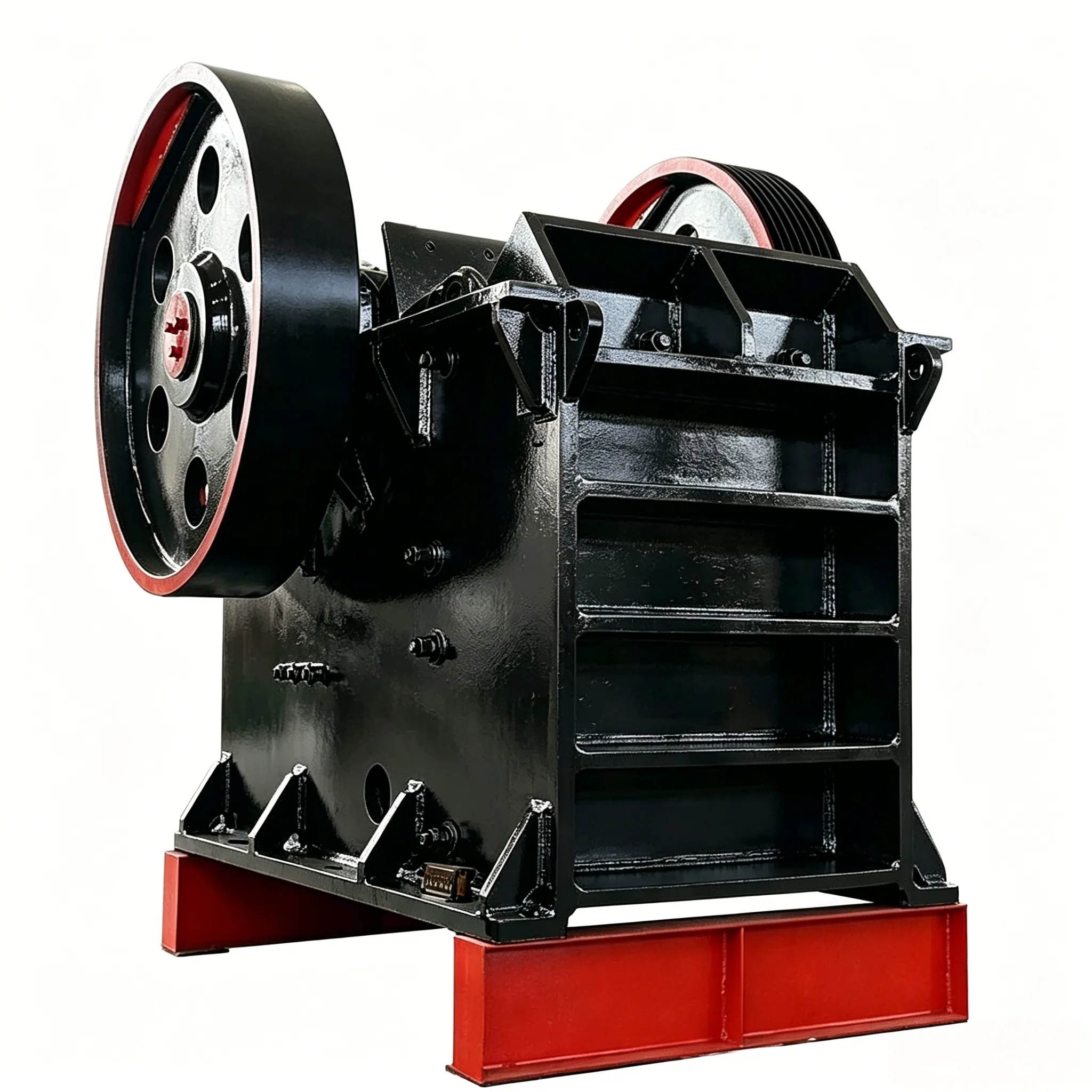
Jaw Crushers
Types of Jaw Crushers Jaw crushers have been used in industrial production…

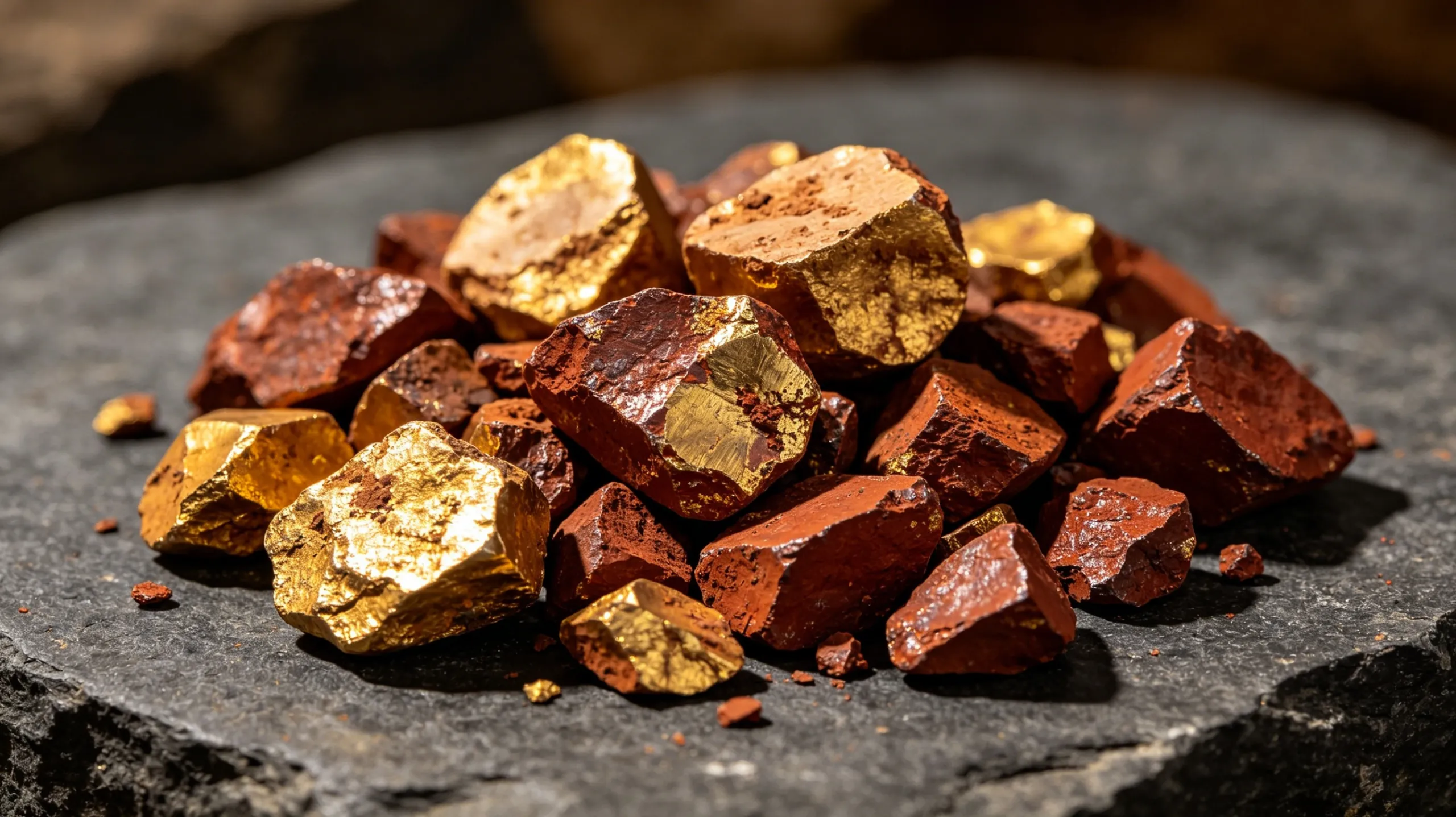
Hematite is a weakly magnetic iron ore, and various beneficiation methods are used, including gravity separation, flotation, strong magnetic separation, roasting magnetic separation, and combined processes of several methods. In recent years, combined processes that combine parallel and series operations have been widely adopted. For example, in the Anshan area, a combined process of gravity separation, magnetic separation, and flotation was used to obtain a high iron grade of 65%–67% in the concentrate from low-grade hematite ore.
(1) Single Hematite Ore This type of ore includes hematite, siderite, limonite, and hematite (spectral iron)-siderite from sedimentary metamorphic, sedimentary, hydrothermal, and weathering deposits. Two commonly used beneficiation methods are magnetic roasting magnetic separation and gravity separation, flotation, strong magnetic separation, and their combined processes.
① Magnetic Roasting Magnetic Separation Roasting magnetic separation is one of the effective methods for separating fine to microparticle (<0.02mm) hematite. When the mineral composition is complex and other beneficiation methods fail to achieve satisfactory separation indicators, magnetic roasting and magnetic separation are often employed. Vertical shaft furnace reduction roasting technology for 75–20 mm lump ores is mature and has extensive production experience, while rotary furnace magnetic roasting for 20–0 mm ores has less practical experience. For fine ores, strong magnetic separation, gravity separation, flotation, and their combined processes are commonly used for separation.
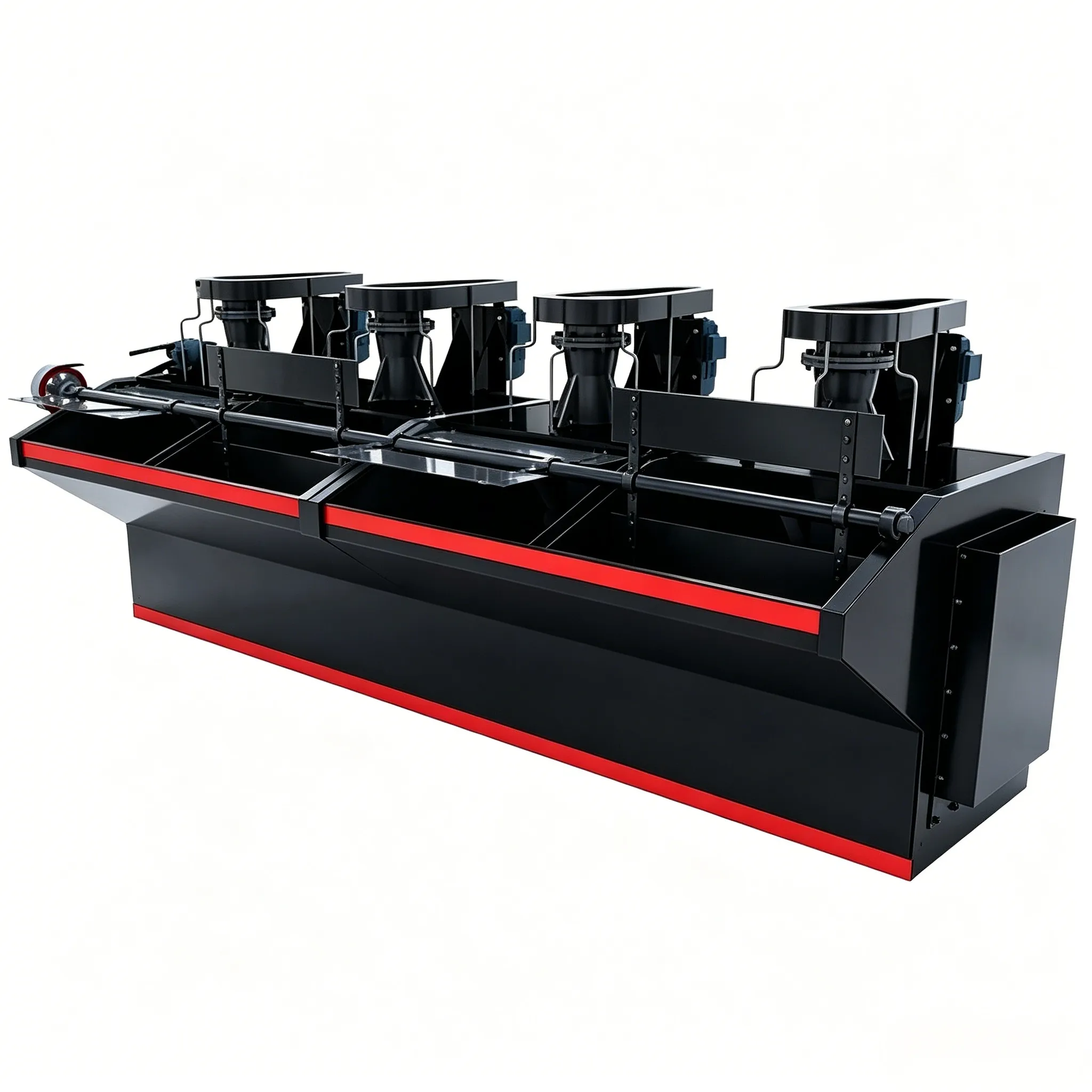
② Gravity separation, flotation, strong magnetic separation, and their combined processes: Flotation is one of the commonly used methods for separating fine to micro-grained hematite ores, and it is divided into direct flotation and reverse flotation. Gravity separation and strong magnetic separation are mainly used for separating coarse (20–2 mm) and medium-grained hematite ores; with technological advancements, they are also used for separating fine-grained hematite ores. For gravity separation of massive (>20mm) and coarse-grained ores, heavy media or jigging methods are commonly used; for medium and fine-grained ores, fluidized film concentrators such as spiral concentrators, shaking tables, and centrifugal concentrators are used.
For strong magnetic separation of coarse and medium-grained ores, induction roller magnetic separators are commonly used; for fine-grained ores, wet induction media vertical ring and horizontal ring magnetic separators and pulsed high-gradient magnetic separators are commonly used. Currently, due to the low grade of strong magnetic concentrate from fine-grained ores and the low gravity separation capacity, combined processes of strong magnetic separation-gravity separation and strong magnetic separation-flotation are frequently used. Strong magnetic separation discards a large amount of qualified tailings, while gravity and flotation further process the strong magnetic concentrate to further improve the iron grade.
The application of various beneficiation methods and their combined processes varies depending on the type of ore. Sedimentary metamorphic hematite and sedimentary metamorphic specular-siderite ores are both fine-grained and disseminated, and almost all beneficiation methods are used in production. Sedimentary mandarin-shaped hematite and hematite-siderite ores often have fine-grained iron minerals that are tightly associated with gangue minerals, forming a mandarin-shaped structure that is difficult to liberate, making them more difficult to beneficiate. For rich or self-fluxing ores, heavy media, jigging, or dry high-intensity magnetic separation are commonly used to remove gangue minerals, yielding massive iron ore. For relatively rich mandarin-shaped ores, roasting magnetic separation is commonly used, sometimes with pre-selection to remove massive gangue minerals before roasting magnetic separation. For relatively poor granular ores, even with roasting magnetic separation, the concentrate grade is difficult to reach above 50%, so they are often blended with other high-grade concentrates after the surrounding rock is removed, or combined beneficiation methods such as direct reduction are used. Hydrothermal quartz hematite and hematite-limonite ores are often unevenly disseminated and are typically processed using a combination of gravity separation, strong magnetic separation, and flotation.
The poor beneficiation properties of hematite have long been a major challenge for my country’s mineral processing industry. In recent years, significant breakthroughs have been achieved in hematite beneficiation technology. my country’s “lean hematite beneficiation technology” is at the international leading level, with the hematite beneficiation process of Ansteel Group Mining Company being the most successful, representing the highest level of domestic hematite beneficiation technology development. Currently, lean hematite beneficiation plants in the Anshan area mainly use staged grinding, coarse and fine separation, and gravity-magnetic-reverse flotation processes.
(2) Polymetallic hematite ores: These are mainly hydrothermal and sedimentary hematite ores containing phosphorus or sulfides and siderite ores. These ores are generally treated using gravity separation, flotation, strong magnetic separation, or other combined processes to recover iron minerals, and flotation to recover phosphorus or sulfides. Hydrothermal phosphate-bearing hematite and copper- and sulfur-bearing siderite ores can be processed by flotation. Sedimentary phosphate-bearing oolitic hematite, where phosphorus exists in a colloidal state, can be separated from iron minerals by flotation, but it is often difficult to concentrate it into phosphate concentrate, significantly reducing iron recovery. For the development of sedimentary phosphate-bearing oolitic hematite, gravity separation or magnetic separation can be considered for coarse pre-selection of the ore, removing large-grained surrounding rocks and inclusions, restoring the ore’s geological grade, followed by full sintering and furnace smelting to produce high-phosphorus pig iron, which is then used for steelmaking in a converter, simultaneously producing steel slag phosphate fertilizer. The advantage of this method is its simplicity in beneficiation, avoiding the complex processes of fine grinding and deep beneficiation for phosphorus reduction, silicon removal, and aluminum removal, while also preserving the ore’s self-fluxing properties, ensuring full utilization of phosphorus.
(3) Magnetite-Hematite (Sidestone) Mixed Ore
① Single Magnetite-Hematite (Sidestone) Ore Single magnetite-hematite (sidestone) ore mainly consists of sedimentary metamorphic magnetite ore and magnetite-sidestone ore. There are two commonly used beneficiation methods for this type of ore: One is a combined process of weak magnetic separation with gravity separation, flotation, and strong magnetic separation. Weak magnetic separation is used to recover magnetite, while gravity separation, flotation, or strong magnetic separation is used to recover weakly magnetic iron minerals. This process is widely used. The second is a combined process of magnetizing roasting and magnetic separation or other beneficiation methods. This magnetizing roasting and magnetic separation process is similar to that of single hematite ore, but in parallel processes with other beneficiation methods, the fine ore is processed using weak magnetic separation combined with other beneficiation methods. In addition, there are also series processes of roasting magnetic separation with other beneficiation methods, where the roasted magnetic separation concentrate is then further refined using flotation or gravity separation to improve the concentrate grade. For magnetite-hematite ore with microparticle embedding, conventional beneficiation methods are difficult to achieve good results. Selective flocculation desliming, flocculation flotation, flocculation-intensive magnetic separation, and flocculation-gravity separation should be employed.
② Polymetallic magnetite-hematite (siderite) ore: This category includes skarn-type sulfide-bearing mixed iron ores and hydrothermal mixed iron ores containing phosphorus, sulfur, or rare earth elements. The beneficiation methods for this type of ores are the most complex among iron ores. Generally, a combined process of weak magnetic separation and other beneficiation methods is used. This involves using weak magnetic separation to recover magnetite; gravity separation, flotation, or strong magnetic separation to recover weakly magnetic hematite (siderite) minerals; and flotation to recover associated components. The process includes: weak magnetic separation-flotation-strong magnetic separation, weak magnetic separation-strong magnetic separation-flotation, and weak magnetic separation-gravity separation-flotation, etc. For mixed iron ores containing rare earth elements, if the iron mineral is predominantly hematite, a reduction roasting-magnetic separation-flotation process is sometimes used. This involves reducing roasting to recover hematite and flotation to recover rare earth minerals. Flotation of rare earth minerals after reduction roasting improves the separation index. Alternatively, a flotation-selective flocculation process can also achieve high indexes.
 English English
  Spanish
 Russian
 Arabic
 Swahili
 French
 Turkish
 Portuguese
 Korean
 Japanese
 German
 Italian