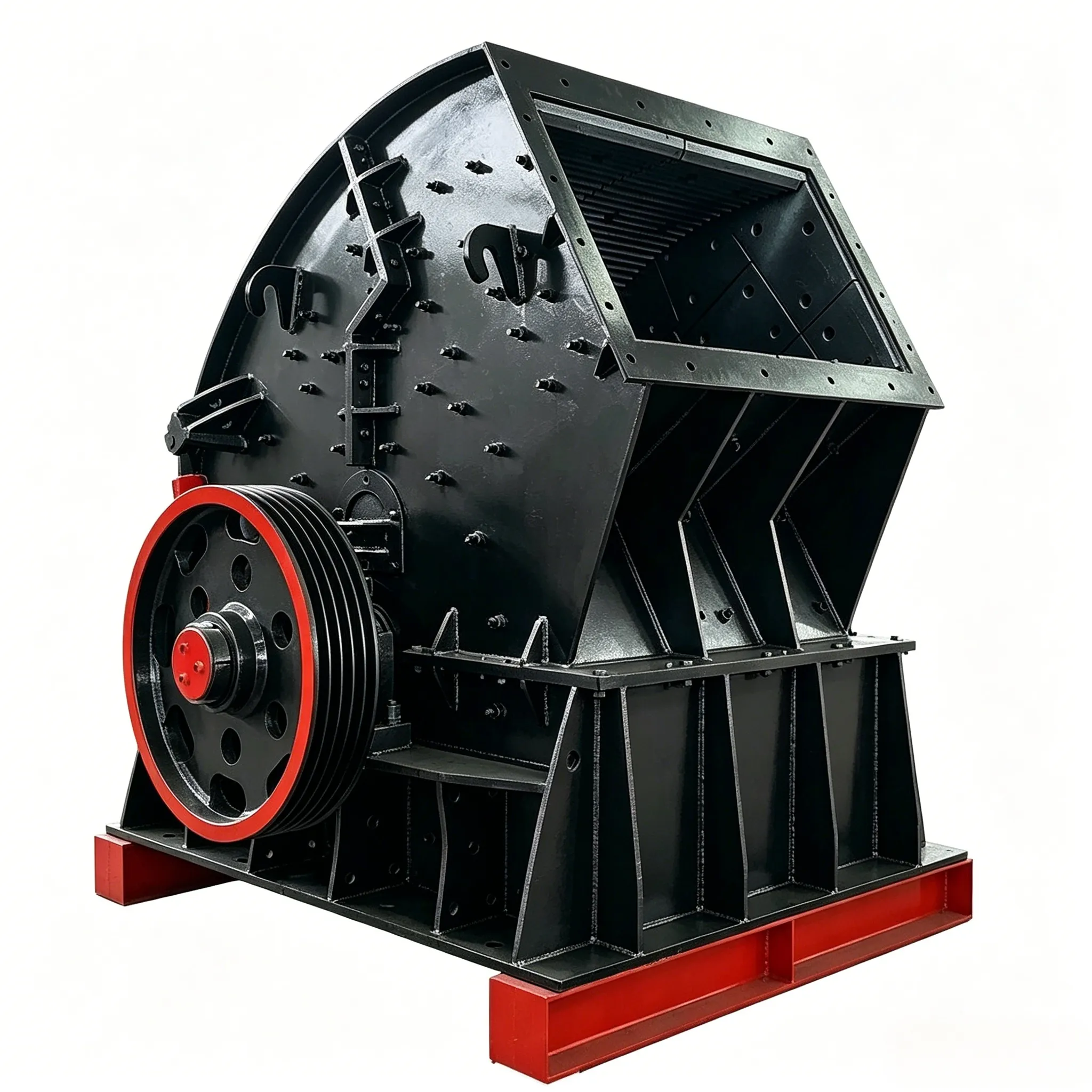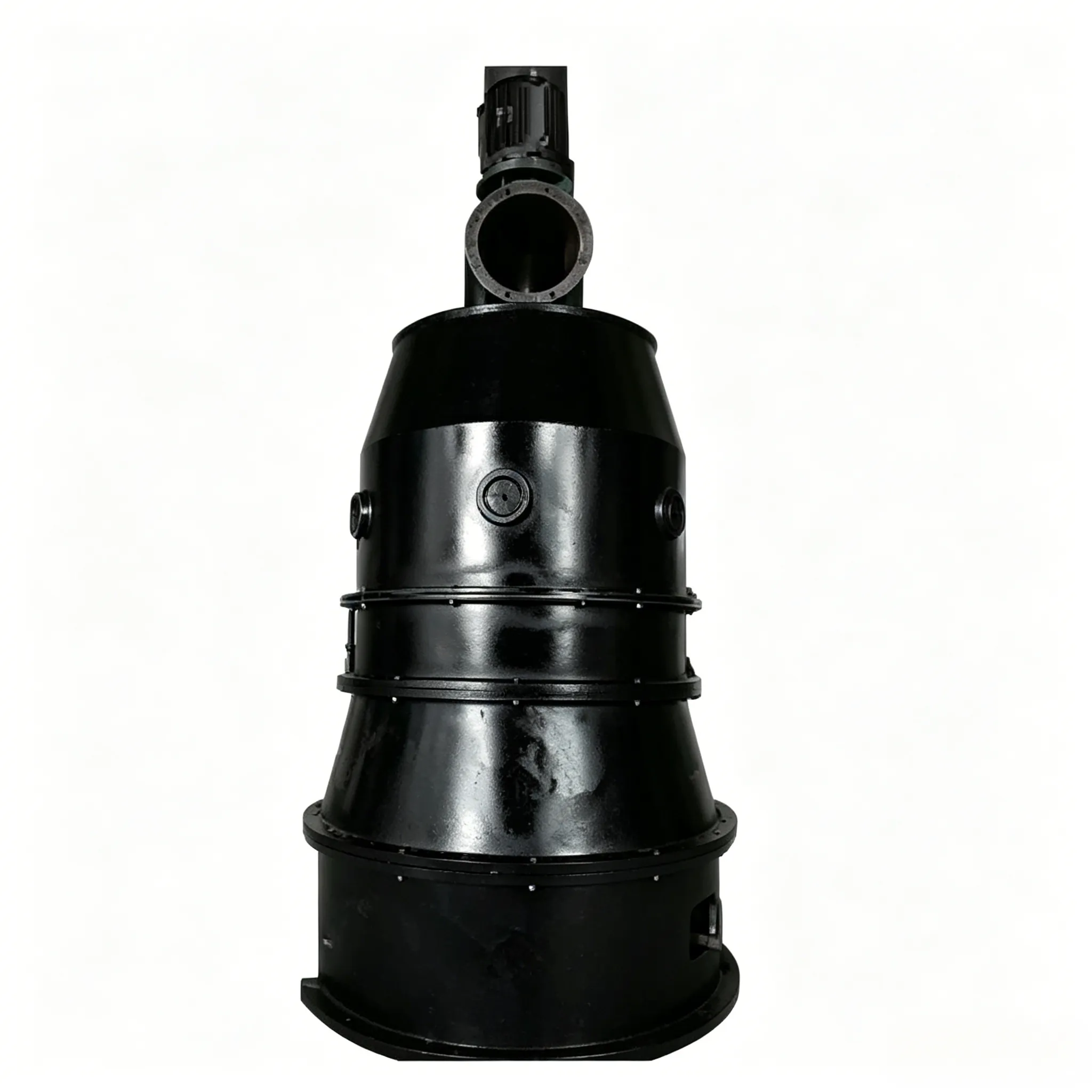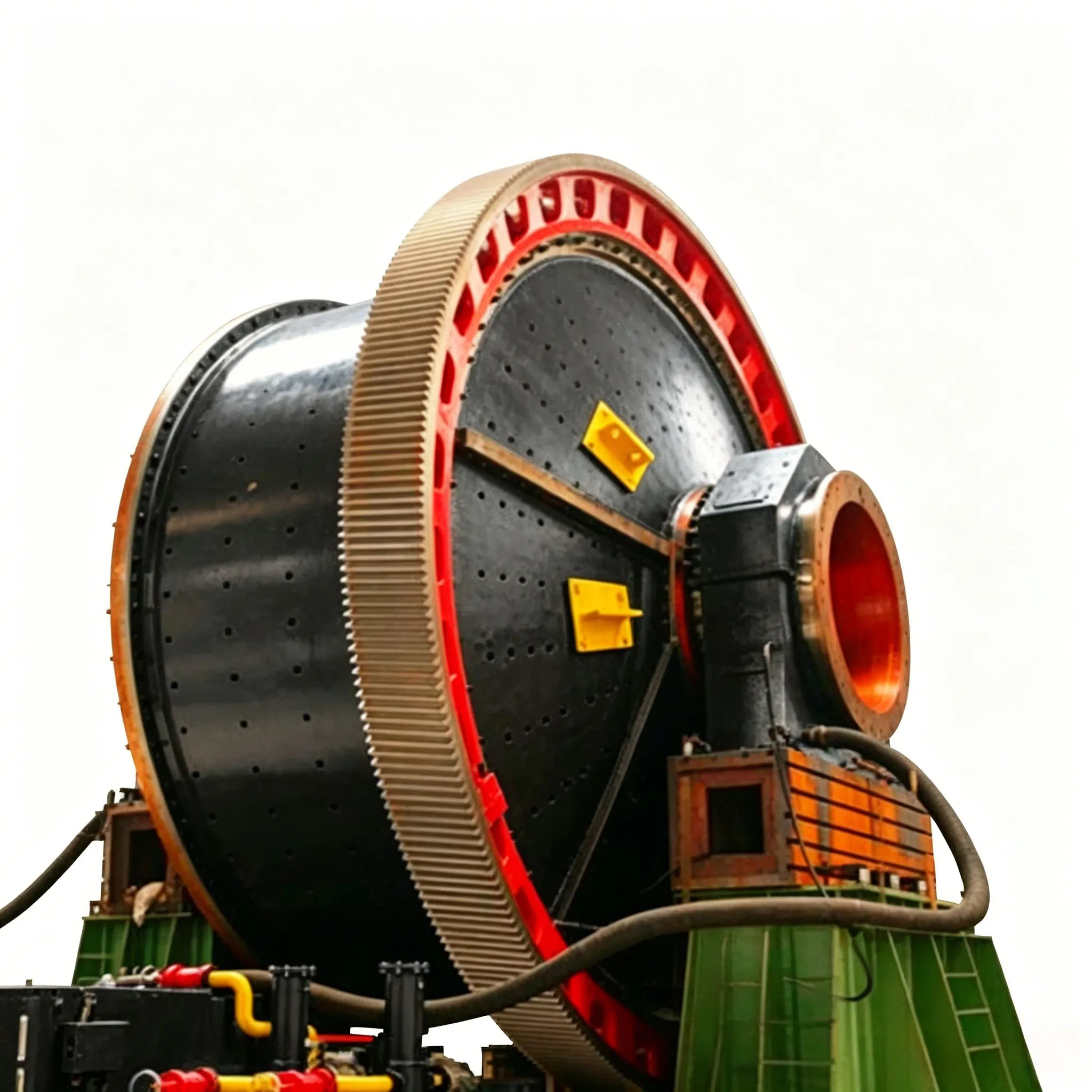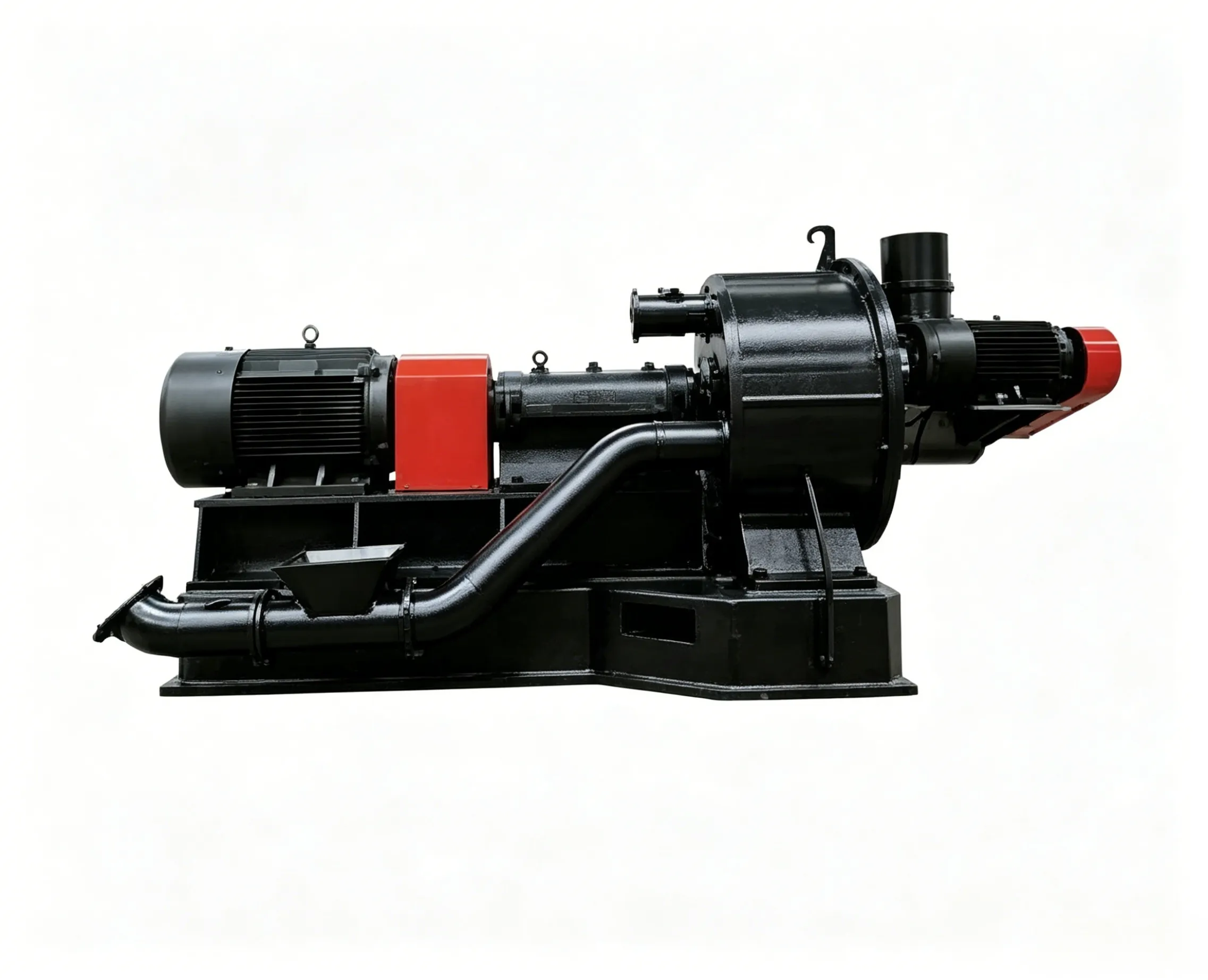
SAM Mechanical Crusher
SAM Mechanical Crusher SAM Mechanical Crusher Incorporating technology from Japan and Germany,…


PVC is one of the most widely used general-purpose plastics. With the development of blending and modification technologies, its application fields have been continuously expanding. Traditional toughening modification of PVC usually involves adding rubbery elastomers to the resin, but this comes at the cost of reducing the material’s valuable rigidity, heat resistance, and dimensional stability.
Modification of plastics with nanoscale inorganic particles is a technology developed in recent years. Nanoscale inorganic particles, with their unique “surface effect,” “volume effect,” and “quantum effect,” are significantly different from conventional particles and bulk materials. Studies by Hu Fei et al. have shown that filling PVC and PVC/ACR with nanoscale CaCO₃ particles achieves a dual effect of toughening and reinforcement.
Nanoscale CaCO₃ (average particle size 30 nm) was first treated with 1.5% (by mass of the CaCO₃) of diluted aluminate coupling agent in an agate mortar for 1 h. It was then mixed with the resin (PVC-1000 type) and additives in a high-speed mixer at 120 °C for 10 min. After discharging, the compound was milled on a two-roll mill at 175 °C for 8 min, and then pressed into sheets under a press. Test specimens were prepared and tested according to national standards. The effects of nanoscale CaCO₃ particles on the mechanical properties and processing behavior of the PVC composites are as follows.
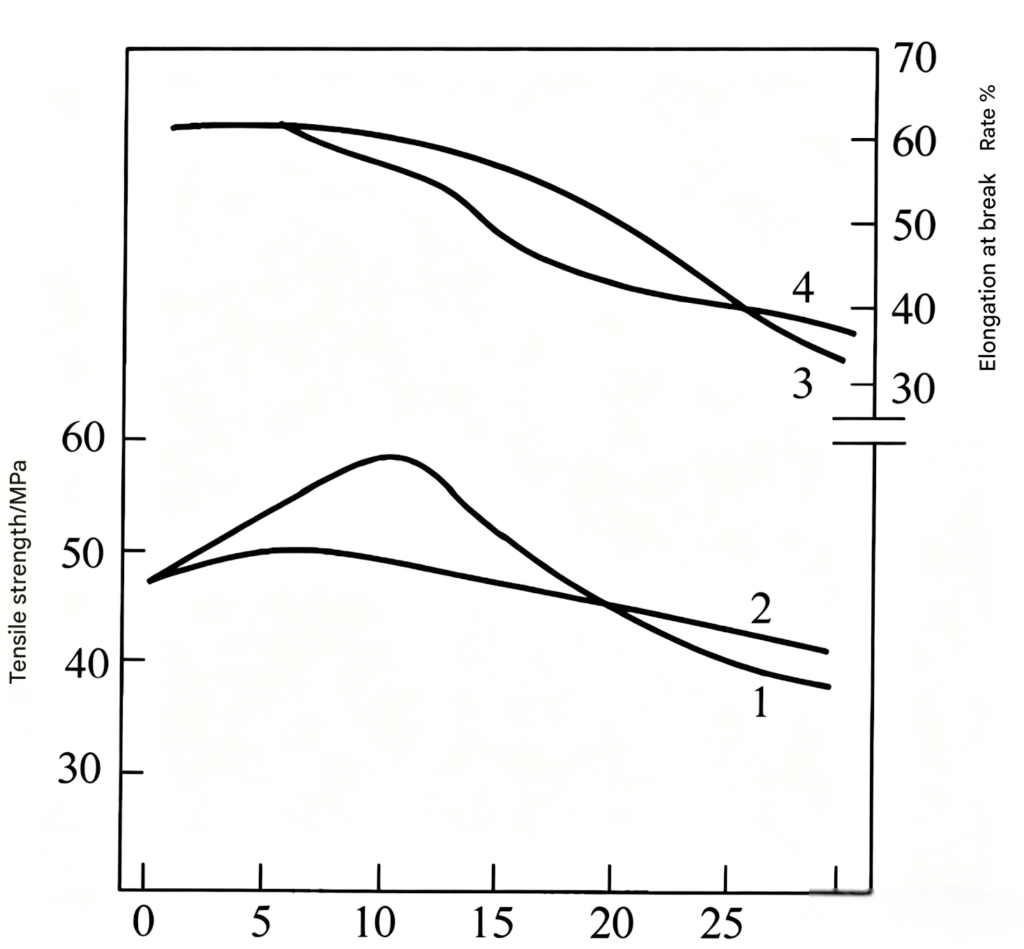
Figure 14-1 shows the curves of tensile strength and elongation at break versus CaCO₃ content for PVC filled with CaCO₃ of two different particle sizes. It can be seen that as the nanoscale CaCO₃ content increases, the tensile strength of the system increases, reaching a maximum value (58 MPa) at 10% nanoscale CaCO₃, which is 123% of that of neat PVC (47 MPa). Further increase in CaCO₃ content leads to a decrease in tensile strength. In contrast, CaCO₃ with a particle size of 1 μm shows no significant reinforcing effect. At the same time, the elongation at break decreases for both filling systems, but the decrease is more rapid for the nanoscale CaCO₃ system.
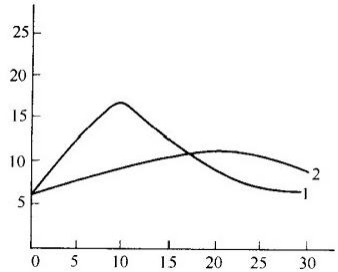
Figure 14-2 shows the curves of notched impact strength versus CaCO₃ content for PVC filled with CaCO₃ of two different particle sizes. It can be observed that as the CaCO₃ content increases, the notched impact strength of both systems increases to varying degrees. When the nanoscale CaCO₃ content is 10%, the notched impact strength reaches a maximum value (16.3 kJ/m²), which is 313% of that of neat PVC (5.2 kJ/m²). For the micron‑sized CaCO₃, the maximum notched impact strength (12.5 kJ/m²) occurs at 20% content, corresponding to 238% of that of neat PVC.
CaCO₃ content (wt%)
Figure 14-1 Changes in tensile strength and elongation at break of PVC filled with CaCO₃
1 — Tensile strength of the system filled with 30 nm CaCO₃ particles;
2 — Tensile strength of the system filled with 1 μm CaCO₃ particles;
3 — Elongation at break of the system filled with 30 nm CaCO₃ particles;
4 — Elongation at break of the system filled with 1 μm CaCO₃ particles.
Due to the finer particle size, the volume of nanoscale CaCO₃ made by raymond mill decreases while its specific surface area increases, leading to a larger contact area with the matrix resin. When the material is subjected to external forces, the rigid nanoscale CaCO₃ particles induce crazing in the matrix resin, which absorbs energy. For micron‑sized particles, because their volume is relatively larger, they tend to cause micro‑cracking in the matrix resin, which is not beneficial for substantially improving the mechanical strength of the system.
As can be seen from Figures 14‑1 and 14‑2, when the CaCO₃ content exceeds 20%, both the tensile strength and the notched impact strength of the nanoscale CaCO₃‑filled material are lower than those of the micron‑sized CaCO₃‑filled system. This phenomenon can be understood from two aspects:
① As the amount of nanoscale particles increases, the particles become too closely spaced, and the crazes combine to form large cracks.
② With more nanoscale particles, dispersion becomes more difficult, leading to particle agglomeration. Due to the surface defects of the agglomerated particles, on the one hand, they are prone to causing damage to the matrix resin and generating stress concentrations; on the other hand, under external forces, the agglomerated particles can slide relative to each other, deteriorating the overall performance of the system.
CaCO₃ content (wt%)
Figure 14‑2 Changes in notched impact strength of PVC filled with CaCO₃
1 — Notched impact strength of the system filled with 30 nm CaCO₃ particles;
2 — Notched impact strength of the system filled with 1 μm CaCO₃ particles.
As can be seen from the SEM images of the tensile and impact fracture surfaces of the specimens (see Figure 14-3), in the composite system with 30% nanoscale CaCO₃, the CaCO₃ particles agglomerate into clusters. Along the tensile direction, the nanoscale CaCO₃ particles are drawn into elongated, stripe‑like distributions, and their dispersion in the matrix is poor. In contrast, in the SEM images of the system filled with 10% nanoscale CaCO₃, the nanoscale CaCO₃ particles are fine and are distributed in a dot‑like array within the matrix. There are no obvious gaps at the particle‑matrix interfaces; the particles appear as if adhered to the matrix, and the matrix exhibits a certain degree of fibrous web‑like yielding in the impact direction. This indicates that the addition amount, dispersion state, and agglomeration state of nanoscale CaCO₃ have a strong influence on the mechanical properties of the composites.
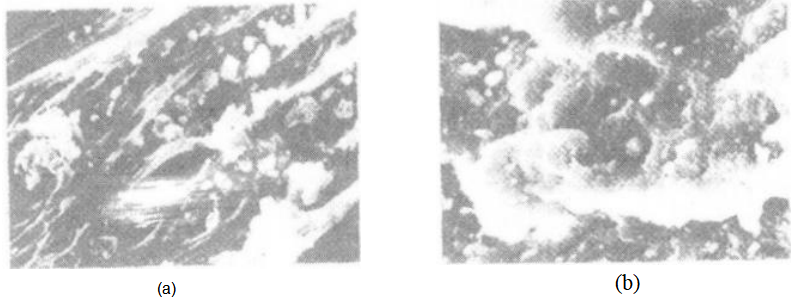
Figure 14‑3 SEM photographs of fracture surfaces of PVC composites filled with nanoscale CaCO₃
(a) Tensile fracture morphology of the composite with 30 nm CaCO₃ at a filler content of 30%, ×10,000;
(b) Impact fracture morphology of the composite with 30 nm CaCO₃ at a filler content of 10%, ×10,000.
(2) Effect of CaCO₃ particles on the mechanical properties of the PVC/ACR system
To investigate the dependence of rigid inorganic particles on the toughness of the matrix resin, 8% by mass of ACR was added to the PVC resin. Figure 14‑4 shows the curves of tensile strength and elongation at break versus CaCO₃ content for the PVC/ACR system filled with CaCO₃ of different particle sizes. It can be seen that as the content of both types of CaCO₃ increases, the tensile strength of the system reaches a maximum value (48 MPa) at 10% nanoscale CaCO₃, which is 184% of that of the PVC/ACR blend (26 MPa); for micron‑sized CaCO₃, the maximum tensile strength (34 MPa) appears at 15% content, corresponding to 130% of that of PVC/ACR. The elongation at break also shows a peak value at 10% nanoscale CaCO₃, whereas no such effect is observed with micron‑sized CaCO₃.
Figure 14‑5 shows the notched impact strength curves of PVC/ACR filled with CaCO₃ of different particle sizes. It can be observed that the impact strength of the system reaches a maximum value (24 kJ/m²) at 5% nanoscale CaCO₃, which is 185% of that of PVC/ACR (13 kJ/m²); for micron‑sized CaCO₃, the maximum impact strength (19 kJ/m²) appears at 15% content, corresponding to 146% of that of PVC/ACR.
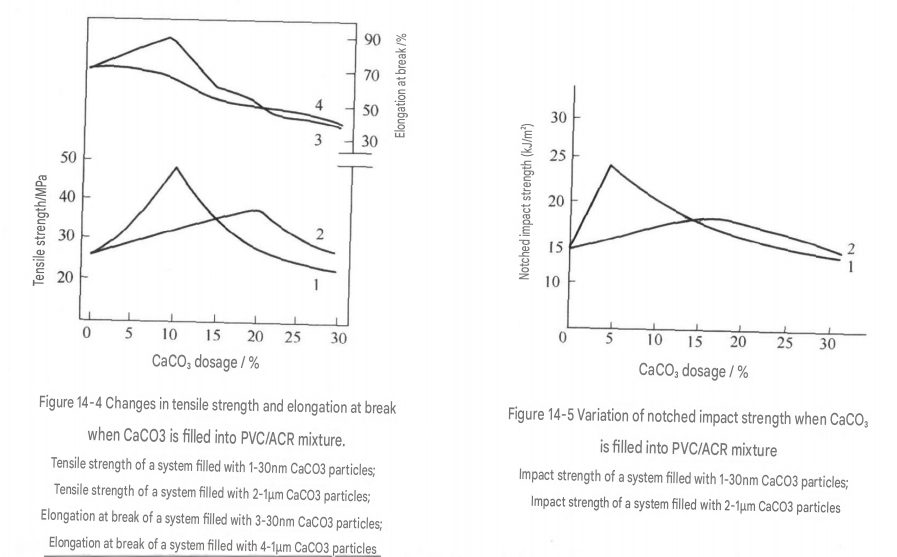
For the above phenomena, the non‑elastomer toughening modification viewpoint holds that the matrix resin possesses not only a certain rigidity but also a certain toughness. The addition of ACR serves to adjust the toughness of PVC, enabling the filled system to achieve a certain brittle‑tough ratio. In this way, rigid inorganic particles initiate more crazes in the matrix, absorb more energy, and the overall performance of the system is improved.
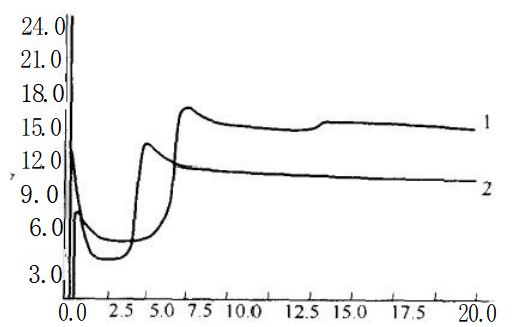
(3) Processing properties of the nanoscale CaCO₃ composite system. Figure 14‑6 shows the torque rheological curves of 30 nm CaCO₃ filled PVC and PVC/ACR. It can be seen from the figure that with the addition of ACR, the equilibrium torque decreases, the plasticization time becomes shorter, and the flowability of the system improves, which is beneficial for molding and processing.
In summary, the application of nanoscale calcium carbonate in PVC has the following features: ① After refinement of inorganic particles, the mechanical properties of the filled system can be improved, while large inorganic particles show no significant modification effect; ② The dispersion state of inorganic particles directly affects the mechanical properties of the material, with a dot‑like array distribution being the best; ③ The matrix resin should possess a certain toughness, i.e., a reasonable brittle‑tough ratio is conducive to improving the utilization efficiency of inorganic particles. The appropriate amount of nanoscale CaCO₃ is in the range of 5%–10%, and the addition of ACR improves the processing properties of the material.
Time / min
Figure 14‑6 Rheological curves of 30 nm CaCO₃ filled systems
1 — Rheological curve of the 30 nm CaCO₃ filled PVC system;
2 — Rheological curve of the 30 nm CaCO₃ filled PVC/ACR system.
Hunan Jinxin Chemical Co., Ltd. (formerly Zijiang Nitrogen Fertilizer Plant) produces “Aote Calcium” – a superfine plastic reinforcing agent – using a novel “dual‑spray” process. This product can be widely used in both flexible and rigid plastic products to increase filler loading and reduce costs. In products based on PVC resin powder, it can be added directly, typically at 10–25 parts. While keeping the existing processing equipment and formulation unchanged, the following principle should be followed: add more for injection‑moulded products, add less for blow‑moulded soft thin products, and do not add for transparent films. Depending on the specific conditions of each plant, the optimum filler loading should be determined by gradually increasing the amount from low to high through trials. The addition can be implemented without changing the original process, equipment, formulation, or product type. Specific formulation examples are given below.
(1) Example of flexible PVC products: reference formulation for PVC artificial leather
| Component | Original recipe | New recipe |
|---|---|---|
| PVC | 100 | 90 |
| Aote Calcium | – | 10 |
| Plasticizer | 70 | 63 |
| Stabilizer | 5 | 4.5 |
| Lubricant | 2.5 | 2.01 |
| CaCO₃ | 10 | 9 |
Note: The two formulations produce products of identical quality, with some performance indicators even improved. The production cost per tonne can be reduced by about RMB 300–400. During processing, the viscosity decreases and the finished product feels softer.
(2) Example of rigid PVC products: reference formulation for PVC construction rigid pipe
| Component | Original recipe | New recipe |
|---|---|---|
| PVC | 100 | 85 |
| Aote Calcium | – | 15 |
| Plasticizer | 5 | 4.25 |
| Stabilizer | 5 | 4.25 |
| Lubricant | 2.5 | 2.13 |
| Paraffin wax | 1 | 0.85 |
| CaCO₃ | 20 | 17 |
(3) Addition method for recycled PVC material
For recycled PVC pellet material: