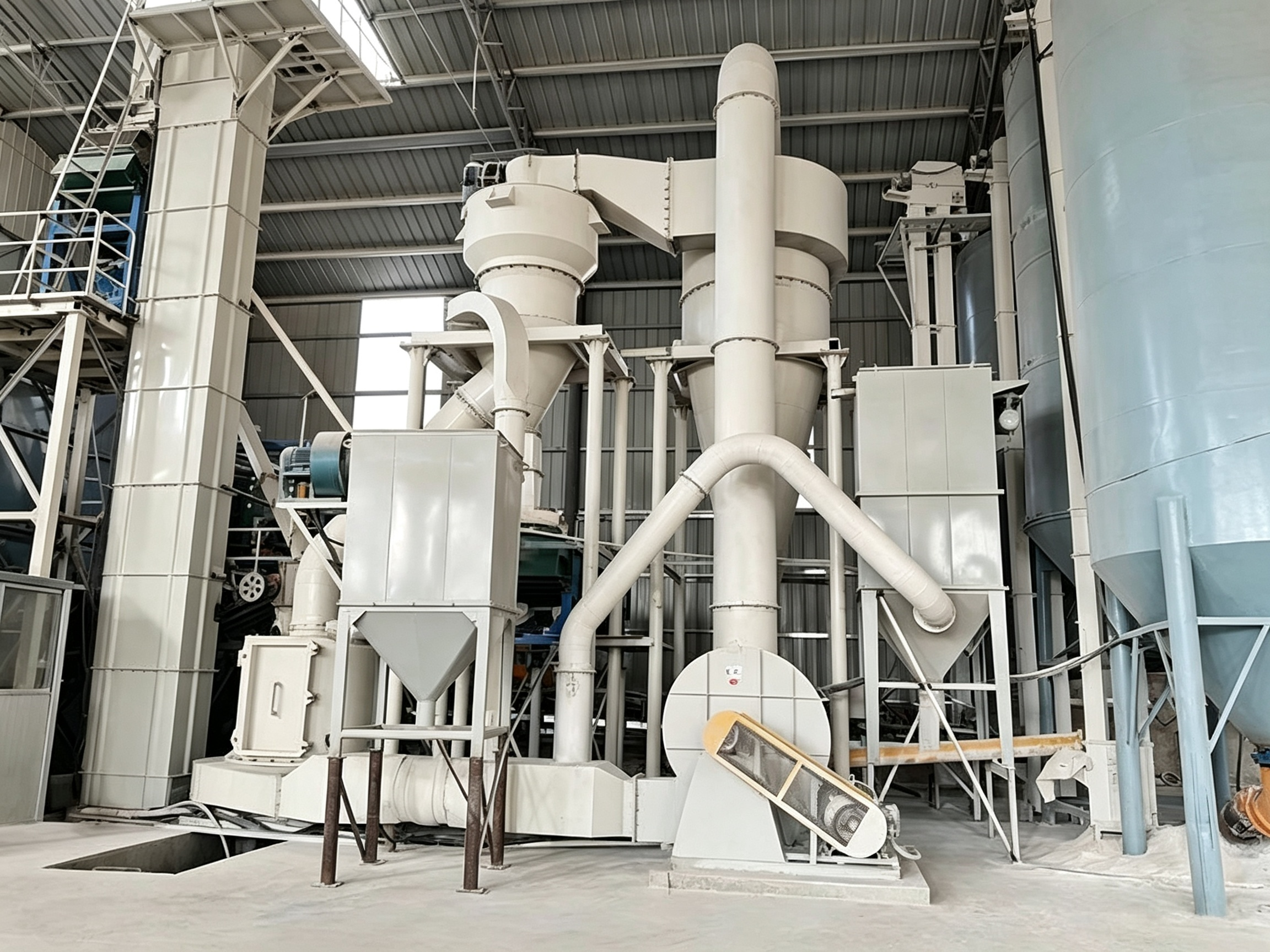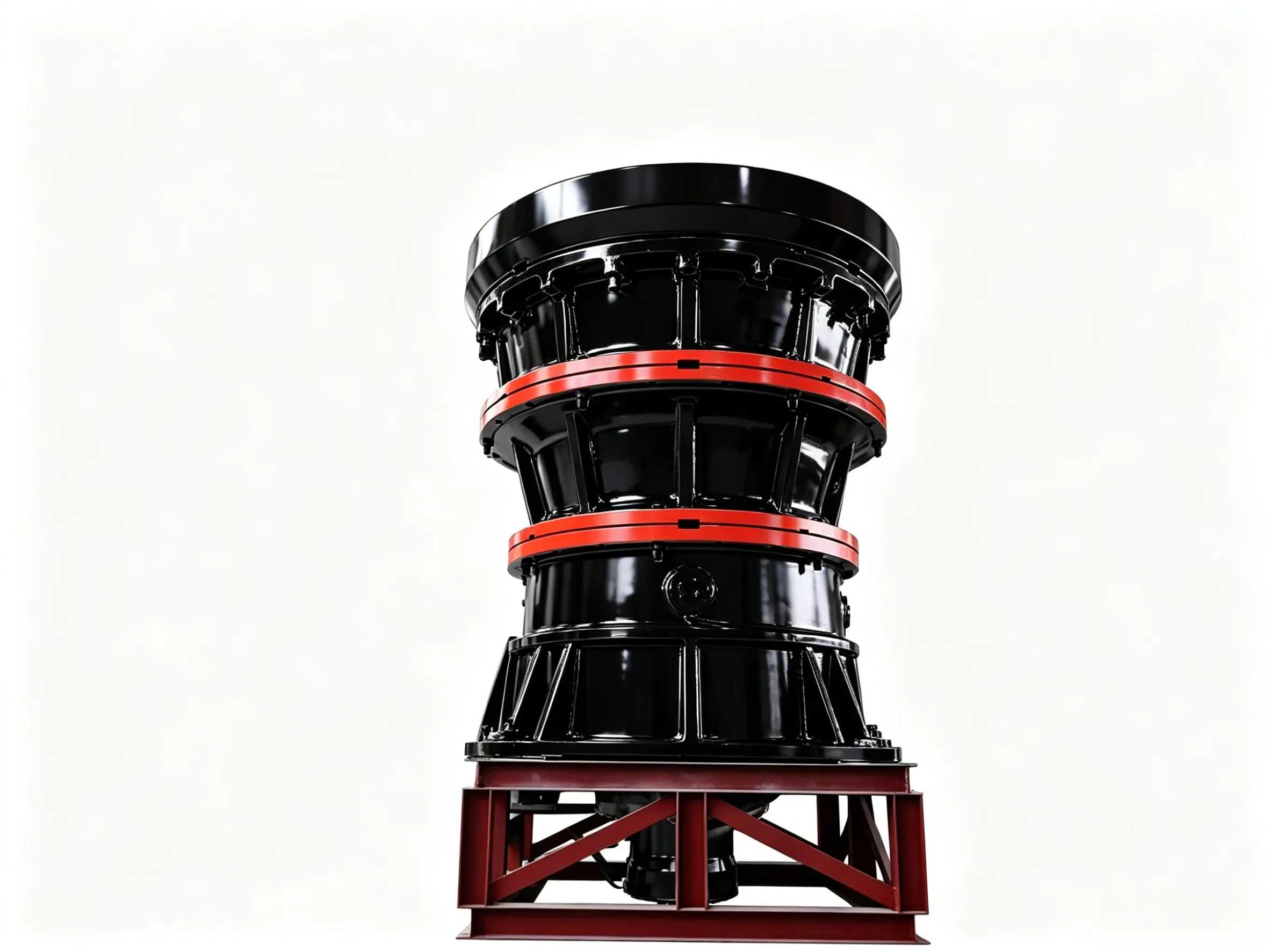
An overview of a raymond mill plant line

An overview of a raymond mill plant line

A Raymond mill (also called a Raymond roller mill or pendulum roller mill) is a fine grinding machine used to grind minerals into fine powder. Unlike a ball mill, which uses steel balls as grinding media, a Raymond mill uses grinding rollers pressing against a grinding ring to pulverize materials.

It is widely used for grinding:

  • Limestone
  • Calcite
  • Dolomite
  • Barite
  • Gypsum
  • Marble
  • Bentonite
  • Kaolin
  • Talc
  • Coal

Main Components of a Raymond Mill

1. Hopper

Function

  • Stores raw materials
  • Provides continuous feeding into the mill

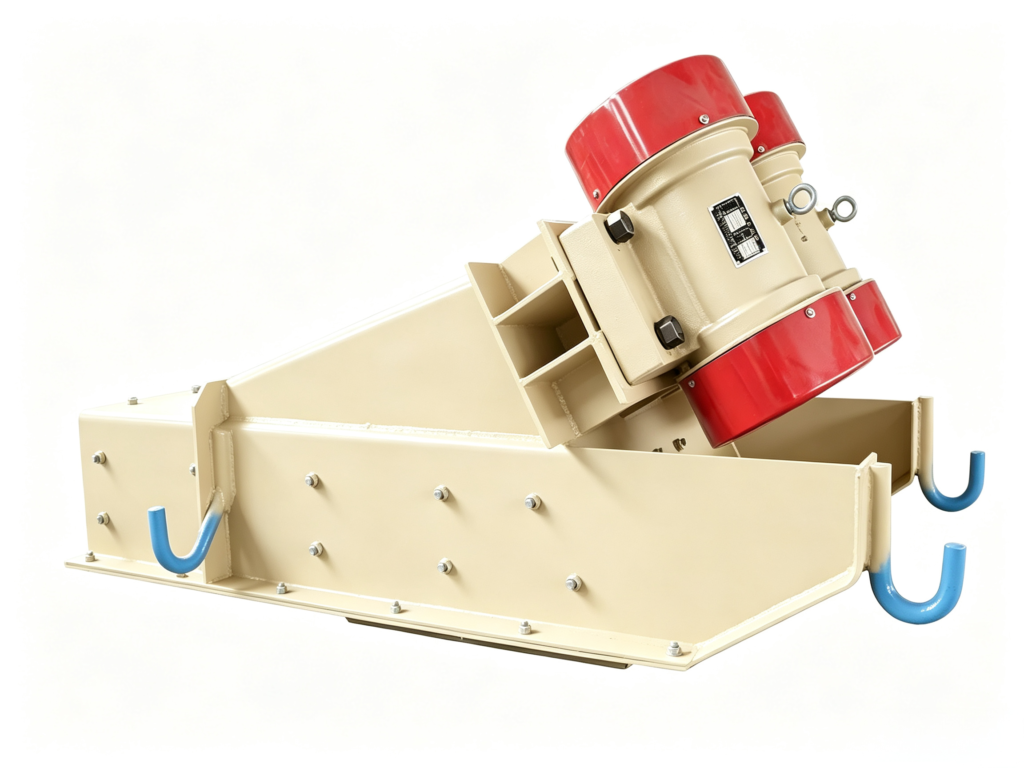
2. Feeder

Function

  • Feeds material at a constant rate
  • Prevents overloading
  • Ensures stable production

3. Grinding Ring

Function

  • Fixed inside the grinding chamber
  • Provides the surface against which the rollers grind the material

Material

  • High manganese steel
  • Wear-resistant alloy steel

4. Grinding Rollers

Function

  • Rotate around the main shaft
  • Press against the grinding ring
  • Crush minerals by compression and friction

Usually a Raymond mill has 3–6 rollers.


5. Main Shaft

Function

The main shaft transmits power from the motor to the grinding rollers.

Motor
   ↓
Gearbox
   ↓
Main Shaft
   ↓
Grinding Rollers

6. Classifier

The classifier separates particles by size.

Function

The classifier separates:

  • Fine powder → sent to collection
  • Coarse particles → returned for further grinding

This enables closed-circuit grinding.


7. Blower (Air Fan)

Function

  • Generates airflow
  • Carries fine powder upward
  • Assists classification
  • Removes heat

8. Cyclone Collector

Function

Separates powder from the air stream.

Air + Powder
      ↓
 Cyclone
  ↙      ↘
Powder  Clean Air

9. Dust Collector

Function

  • Collects remaining fine dust
  • Prevents environmental pollution
  • Improves powder recovery

How Does a Raymond Mill Work?

Step 1: Material Feeding

Raw material enters through the hopper and feeder.

Raw Material
      ↓
    Hopper
      ↓
    Feeder

Step 2: Grinding Process

The motor rotates the main shaft.

The rollers rotate around the shaft and press against the grinding ring.

The material is ground between:

  • Grinding rollers
  • Grinding ring

Grinding occurs through:

  • Compression
  • Friction

Step 3: Airflow Lifts the Powder

The blower forces air upward through the grinding chamber.

Fine particles are lifted toward the classifier.


Step 4: Classification

The classifier separates particles by size.

Classifier
   ↓
Fine Powder
   ↓
Cyclone

Coarse Powder
     ↓
Return to Grinding

Step 5: Powder Collection

Fine powder enters the cyclone collector.

The finished product is discharged for:

  • Packaging
  • Storage
  • Further processing

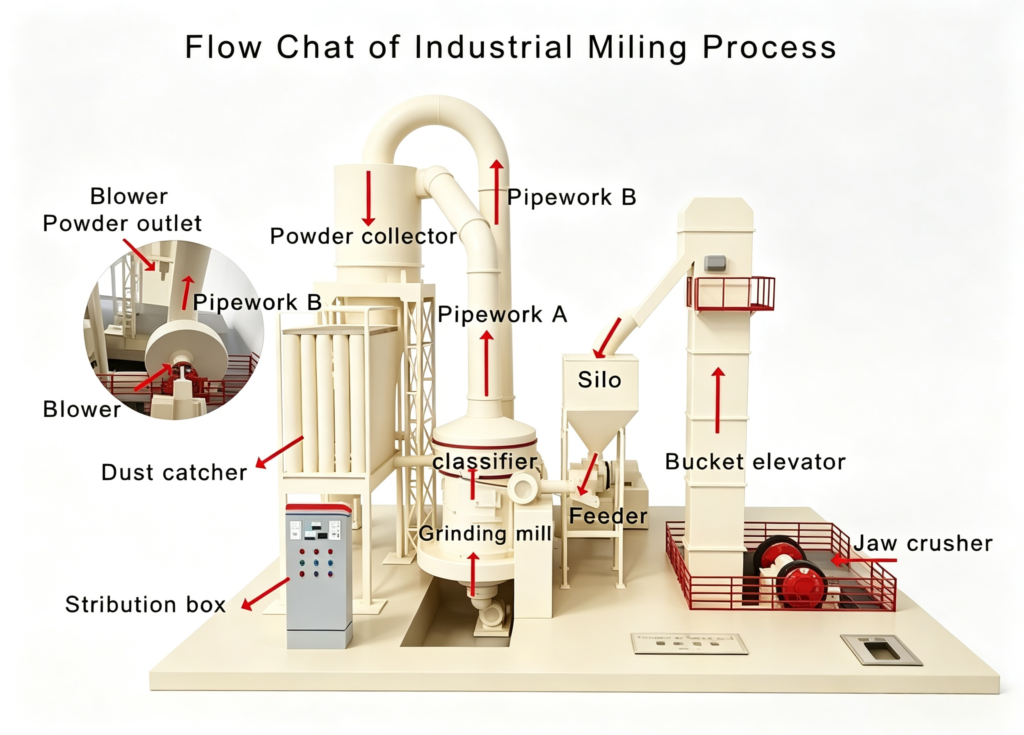
Complete Raymond Mill Process Flow

Raw Material
↓
Jaw Crusher
↓
Bucket Elevator
↓
Storage Hopper
↓
Feeder
↓
Raymond Mill
↓
Classifier
↓
Cyclone Collector
↓
Dust Collector
↓
Finished Powder

You may also like these products

Gyratory crusher

Gyratory crusher

Types of Gyratory Crushers Gyratory crushers have been used in industry since…
Rotary Dryer

Rotary Dryer

1. Product Overview Rotary dryers are widely used in building materials, metallurgy,…
Cement Ball Mill

Cement Ball Mill

Cement Ball Mill Product Overview The cement ball mill is key equipment…
Cone Crushers

Cone Crushers

Types of Cone Crushers Cone crushers are known worldwide as “Symons type”…
Impact crusher

Impact crusher

Types of impact crushers Impact crusher is a device that uses impact…
Rotary Kiln

Rotary Kiln

Product Overview: Core Equipment for Industrial Calcination The rotary kiln is a…
Copyright © 2026 Oreprocessings. All Rights Reserved.